
Cult Cinema Deep Dive
The Flicker’s Forbidden Lexicon: Decoding the Primal Anarchy and Subversive Soul of Early Cinema’s Genre Outcasts

“An in-depth exploration of how the early 20th century's most daring and unconventional films forged the genetic blueprint for modern cult cinema and midnight movie devotion.”
The concept of cult cinema is often tethered to the 1970s—a neon-soaked era of midnight screenings, grit-slicked urban landscapes, and the rise of the counter-culture. However, to understand the true genetic makeup of the cult phenomenon, one must look further back, into the flickering shadows of the early 20th century. This was a time when the medium of film was still discovering its own boundaries, and in that experimentation, the first seeds of cinematic subversion were sown. From the surrealist whimsy of a cat in a bottle to the gritty ganglands of New York, these early outliers provided a roadmap for the transgressive, the weird, and the wonderful.
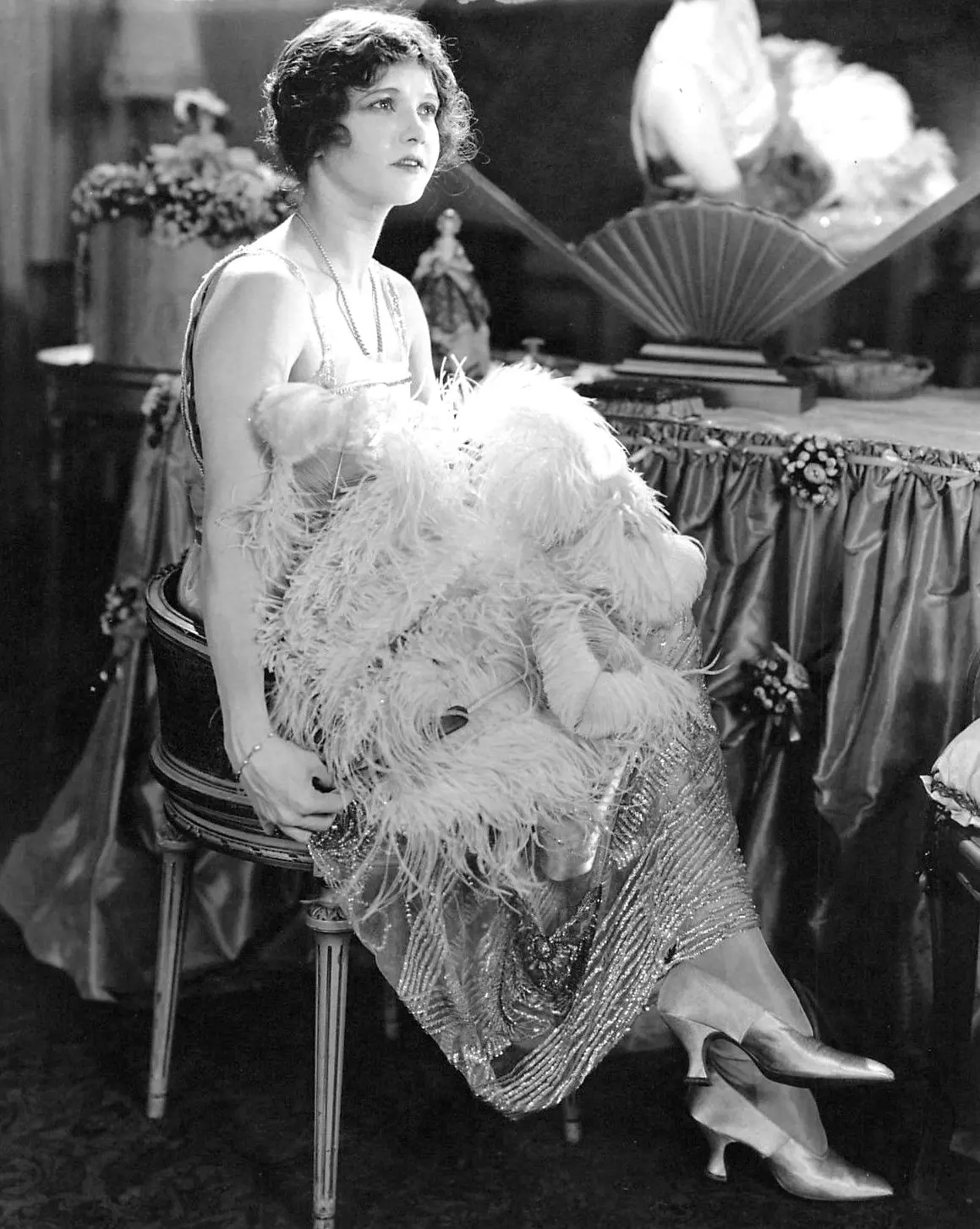
The Birth of the Spectacle: Reality as Transgression
In the earliest days of the medium, the simple act of recording reality was, in itself, a radical act. Consider The Corbett-Fitzsimmons Fight (1897). While modern audiences might view a boxing match as standard sports programming, in its time, this film was a gargantuan undertaking—a 100-minute epic that captured a primal struggle for dominance. It wasn't just a record of a sport; it was a spectacle of the flesh that predated the modern obsession with high-stakes physical drama. This desire to witness the unvarnished, the raw, and the grueling is a cornerstone of cult devotion. It is the same impulse that draws fans to the extreme fringes of genre cinema today.
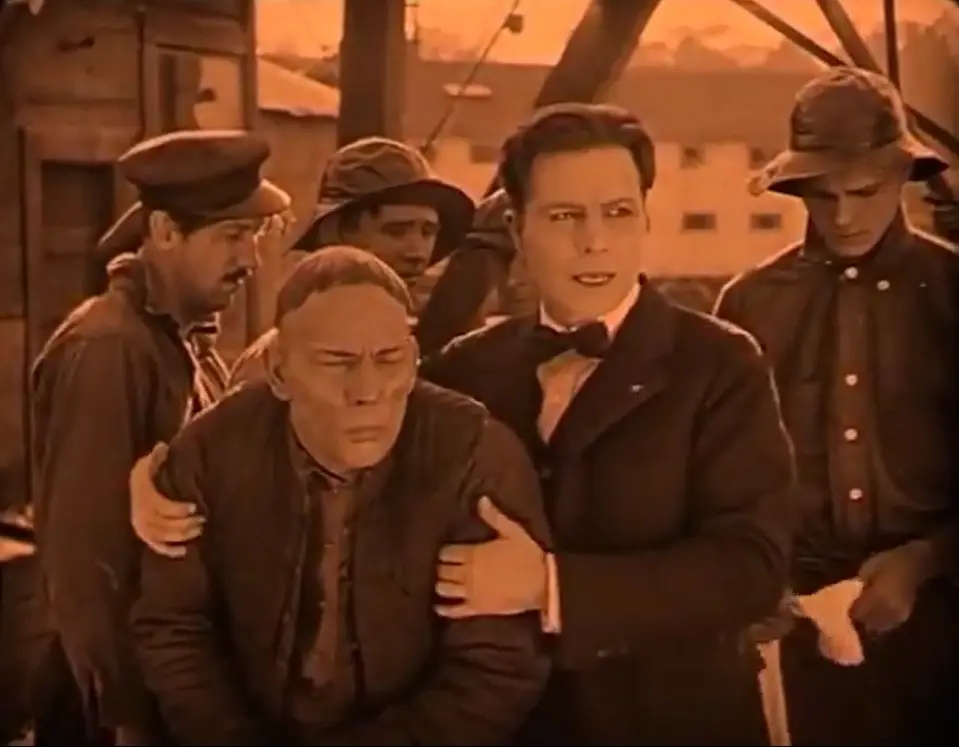
As cinema moved into the 20th century, this fascination with the "real" began to merge with the fictional, creating a hybrid form of storytelling that challenged social norms. Films like The Historic Fourth of July in Paris served as official compilations, yet for the audiences of the time, they were more than newsreels—they were communal experiences that offered a glimpse into a world beyond their immediate reach. This sense of communal witnessing is what eventually evolved into the midnight movie ritual, where audiences gather not just to watch a film, but to participate in a shared cultural moment.
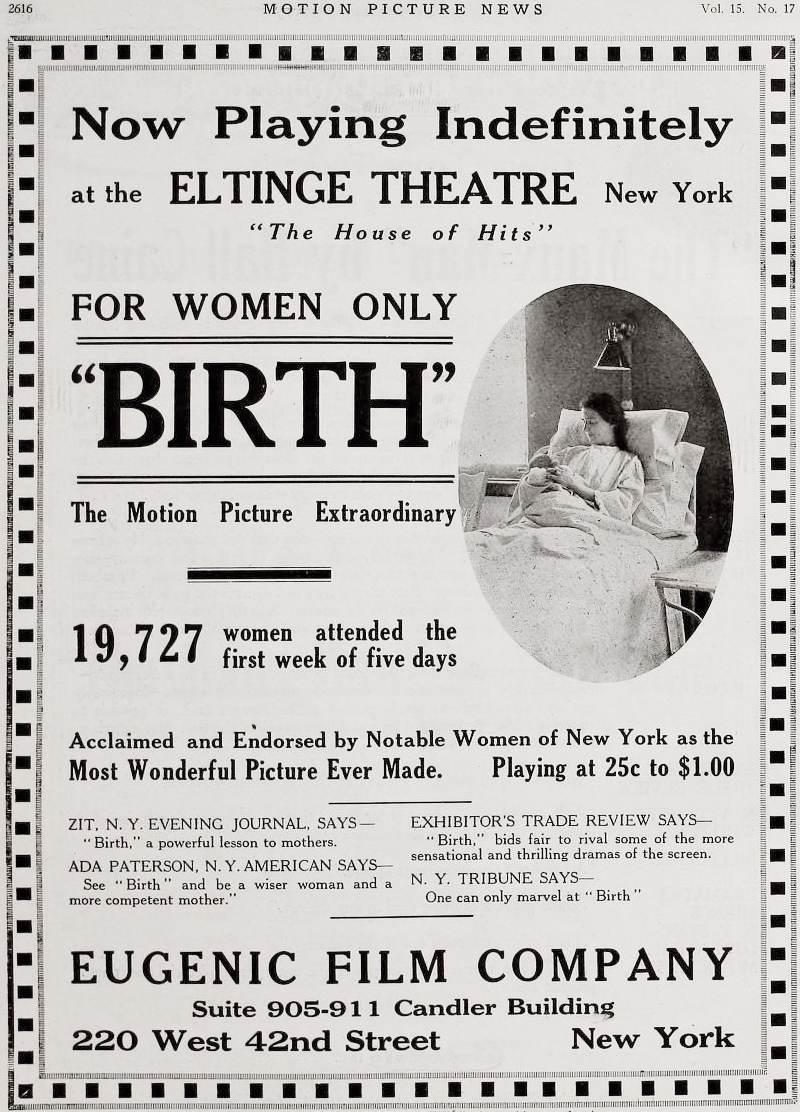
The Surrealist Impulse: Animation and the Uncanny
Cult cinema has always had a home for the bizarre, and early animation was the primary laboratory for this experimentation. Wonders of the Deep, featuring a cat observing the ocean floor from inside a bottle, represents a level of proto-surrealism that would later define the works of filmmakers like David Lynch or Alejandro Jodorowsky. The sheer absurdity of the premise—a feline treasure hunter in a glass vessel—breaks the logic of the physical world, inviting the viewer into a liminal space where the impossible becomes mundane.
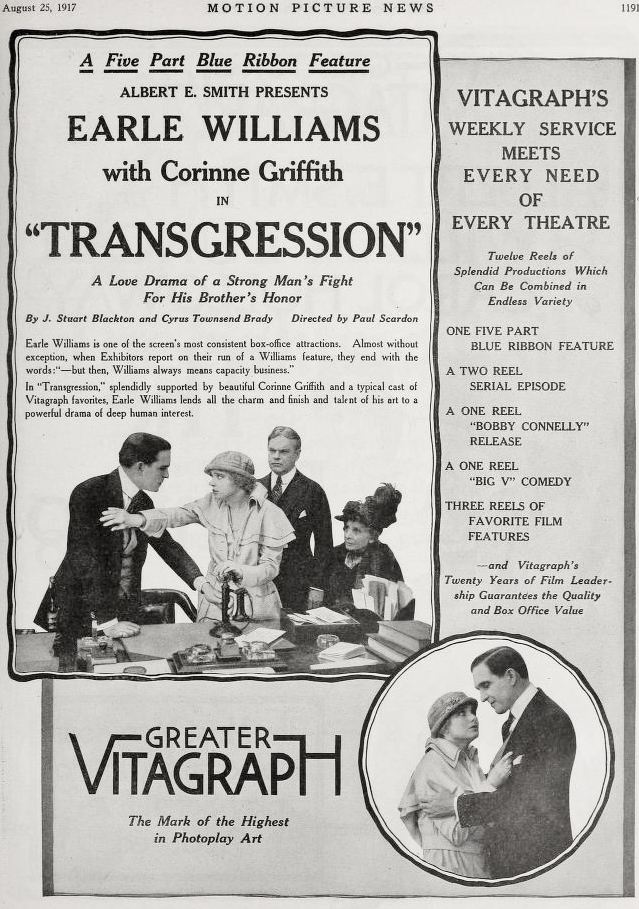
Similarly, Gertie on Tour offers a fascinating look at the creature feature in its infancy. By placing a dinosaur in a modern urban environment, complete with encounters with cable cars, the film tapped into a sense of the uncanny that continues to fuel the cult of monster movies. These films weren't just technical demonstrations; they were the first steps toward a cinema that prioritized the imagination over the logical, a trait that remains a hallmark of the genre outcasts we celebrate today.

Social Deviance and the Urban Underworld
If the surrealists explored the boundaries of the mind, the early social dramas explored the boundaries of the street. The Shoes That Danced takes us into the heart of New York’s gang culture, focusing on the Hudson Dusters and the violent reality of the Pepper Box cabaret. This is proto-noir at its finest—a world where the law is a suggestion and the street is the only truth. The fascination with the "Harmony Lad" and his violent life reflects the cult cinema obsession with the anti-hero, the charismatic outlaw who lives by a code the rest of society cannot understand.
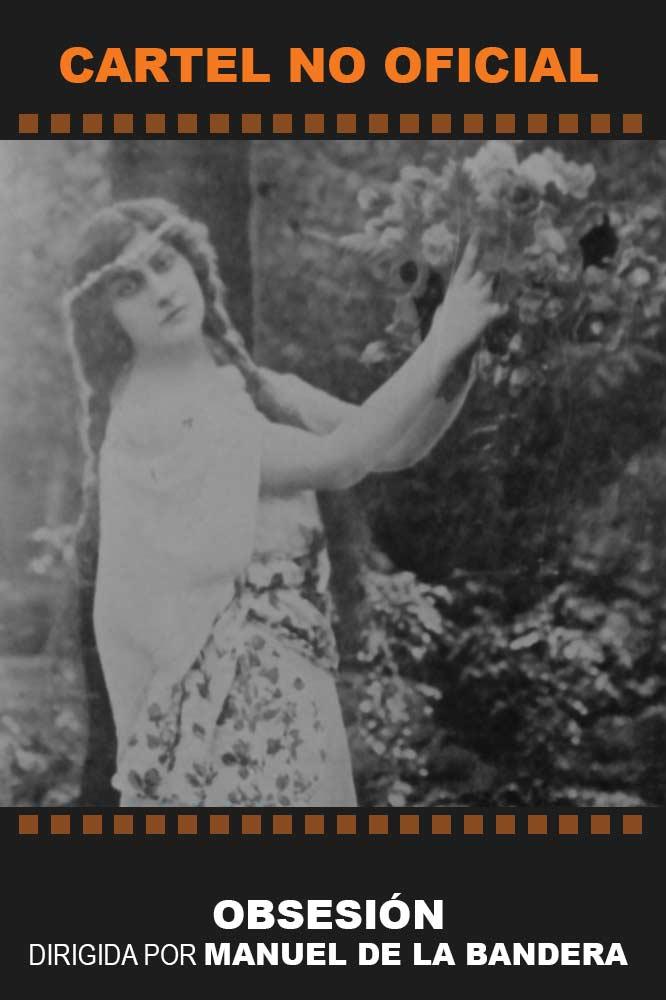
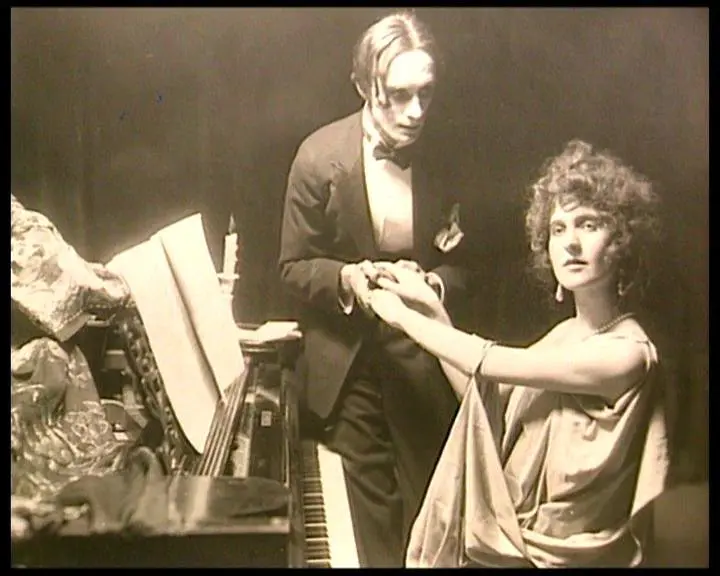
This exploration of the social fringe extended to the moral complexities of the era. The Eternal Magdalene and The Eternal Mother (1920) delved into themes of fallen women and nature cults, respectively. In The Eternal Mother, the introduction of the Gaia cult—the personification of Nature—showcases an early cinematic interest in alternative spiritualities and the occult. These films didn't just tell stories; they challenged the moral fabric of their time, providing a voice for the "abused wife," the "runaway daughter," and the seeker of forbidden knowledge. This is the transgressive DNA that would later blossom into the exploitation and underground films of the late 20th century.
The Primal Return: Nature vs. Civilization
A recurring theme in cult cinema is the rejection of modern society in favor of something more primal. The Return of Eve is a quintessential example of this narrative. By placing two orphans in the wilderness to save them from the "over-civilization" of the race, the film posits that the natural state is superior to the artificiality of the city. This Rousseauian fantasy resonates deeply with the cult ethos, which often seeks to peel back the layers of societal expectation to find the raw, unpolished truth beneath.
This theme of the "wild" is echoed in The Flower of No Man's Land and Die Geierwally. Whether it is the orphaned Echo raised by an Indian foster father or the "Geierwally" who rescues her lover from a vulture's nest, these characters represent a feral independence. They are the original mavericks, individuals who exist outside the traditional structures of family and state. For the cult film enthusiast, these characters are icons of autonomy and rebellion, precursors to the lone wanderers of the post-apocalyptic and western genres.
The Mystery of the Unknown: Documentary and Myth
Cult cinema thrives on the mysterious and the misunderstood. Shipwrecked Among Cannibals is a perfect illustration of how early cinema blurred the lines between documentary and fiction to create a sense of exotic danger. By interpolating fictitious encounters with "cannibalistic" tribes into a travelogue of Siam and New Guinea, the filmmakers created a narrative of the "other" that was both terrifying and alluring. This tradition of pseudo-documentary or "mondo" filmmaking became a staple of the cult world, where the quest for the shocking and the unknown often overrides the need for objective truth.
The allure of the unknown also manifested in the technological anxieties of the age. Old Dutch features an inventor creating the "teloptophone," a device that merges sight and sound over distances. In 1915, this was the stuff of science fiction—a technological anomaly that sparked the imagination. Cult cinema has always been a repository for these kinds of "what if" scenarios, where the tools of the future are used to explore the anxieties of the present.
The Architecture of the Abnormal
What makes a film a "cult" film? Often, it is a sense of narrative mutation—a story that takes a familiar genre and twists it into something unrecognizable. Alarm Clock Andy features a protagonist who stutters and struggles with social anxiety, a far cry from the confident leading men of the era. In Bad gives us a hero who rejects a massive inheritance because he'd rather spend his time boxing. These are characters who don't fit the mold, and their stories are told with a maverick rhythm that defies the conventions of classical Hollywood storytelling.
Even the more traditional dramas of the time, like Bought and Paid For (1922) or The Stolen Triumph, often contained seeds of the unconventional. Whether it was the exploration of a marriage based on financial transaction or the tragedy of a visionary playwright without "commercial instinct," these films touched on the alienation and frustration of the creative and social outcast. This sense of being "on the outside looking in" is the fundamental emotional state of the cult movie fan.
Conclusion: The Eternal Afterlife of the Early Misfits
The 50 films mentioned here—from the animated antics of Snooky's Wild Oats to the silent tension of Sacred Silence—are more than just historical curiosities. They are the primordial soup from which the modern cult aesthetic emerged. They taught us that cinema could be a place for the strange, the transgressive, and the deeply personal. They showed us that a film didn't need a massive budget or a conventional hero to capture the imagination; it just needed a vision that was bold enough to be different.
As we continue to dive into the archives of the silent and early sound eras, we find that the midnight movie mindset was always there. It was there in the stutter of Alarm Clock Andy, in the nature worship of The Eternal Mother, and in the glass bottle of Wonders of the Deep. These early genre mutants and moral outlaws paved the way for a century of cinematic rebellion, ensuring that the flicker of the unconventional would never truly be extinguished. To worship at the altar of cult cinema is to acknowledge this long lineage of the strange, a journey that began over a hundred years ago and shows no signs of reaching its end.
Community
Comments
Log in to comment.
Loading comments…