
Cult Cinema Deep Dive
The Flicker’s Forbidden Ritual: Unearthing the 1910s Roots of Cult Obsession
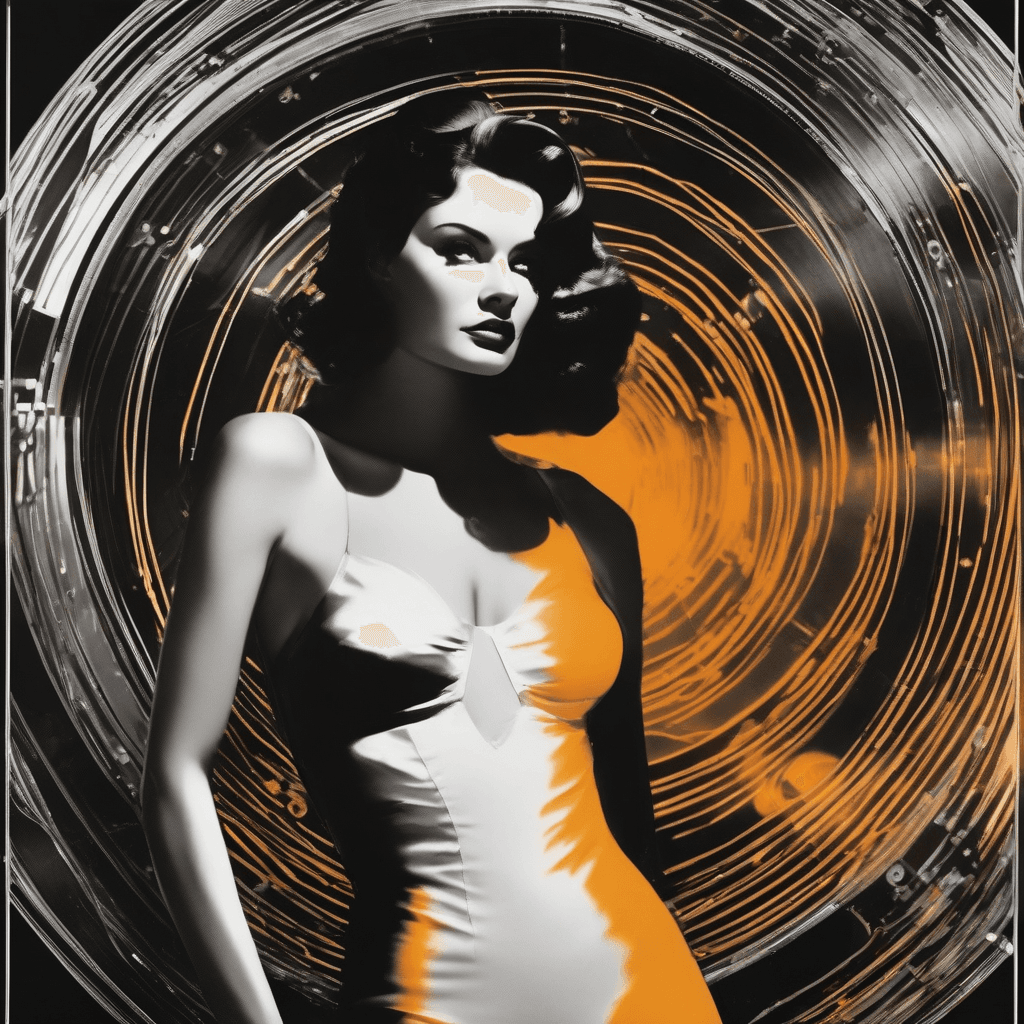
“Explore the shadowy origins of cult cinema through the transgressive, genre-bending anomalies of the 1910s that paved the way for modern midnight movie devotion.”
To the modern cinephile, the term cult cinema conjures images of midnight screenings, costumed devotees, and the grainy aesthetic of 1970s grindhouse. We think of the surrealist nightmares of Lynch or the campy subversions of Waters. However, the genetic code of the cult film—the DNA of the transgressive, the misunderstood, and the fiercely independent—was actually written in the flickering shadows of the 1910s. Long before the term "midnight movie" was coined, a rogue gallery of silent-era rebels was already dismantling the boundaries of mainstream morality and narrative structure. These films, often dismissed as mere curiosities of a bygone age, are the true primordial soup of niche devotion.
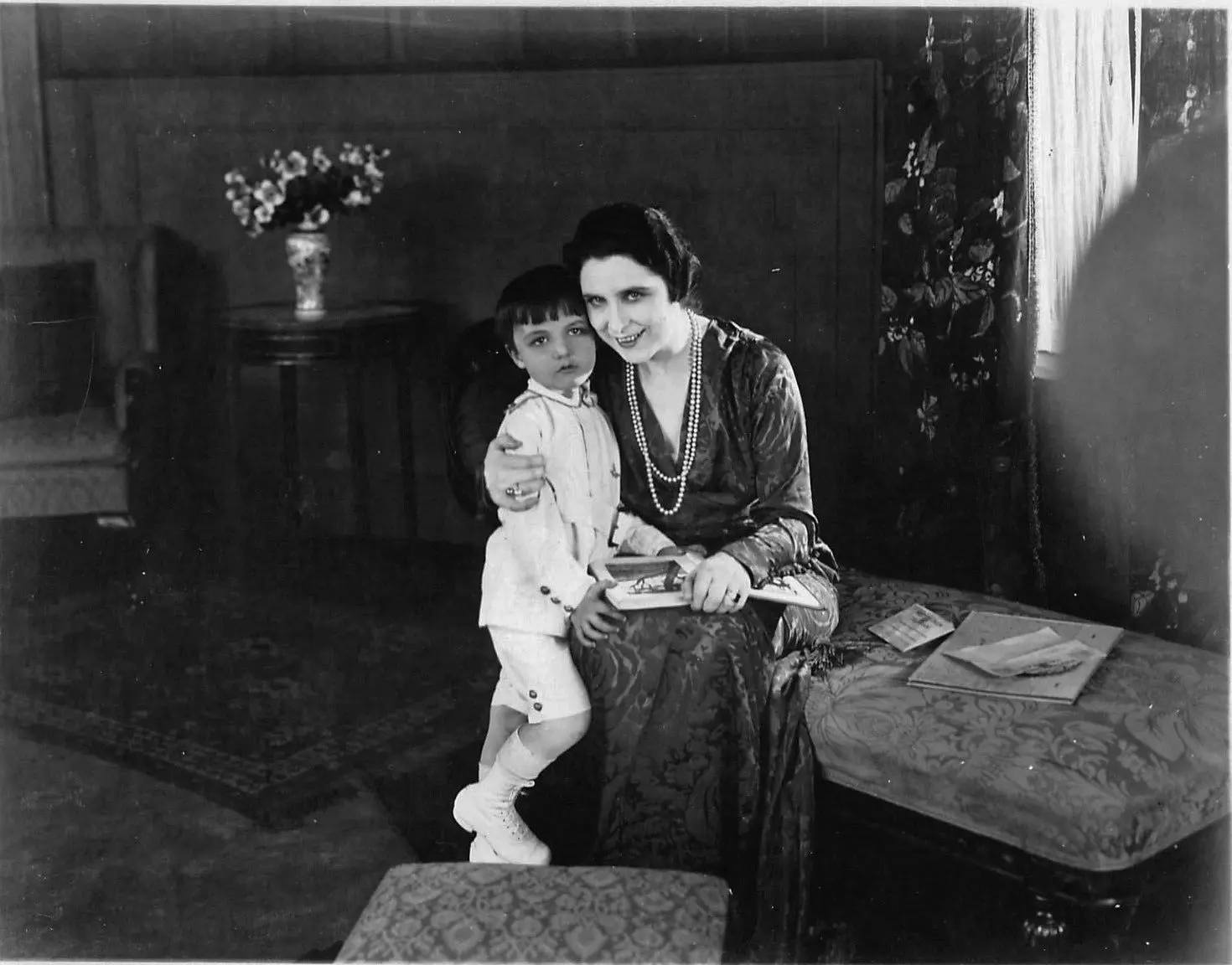
The Birth of the Transgressive Gaze
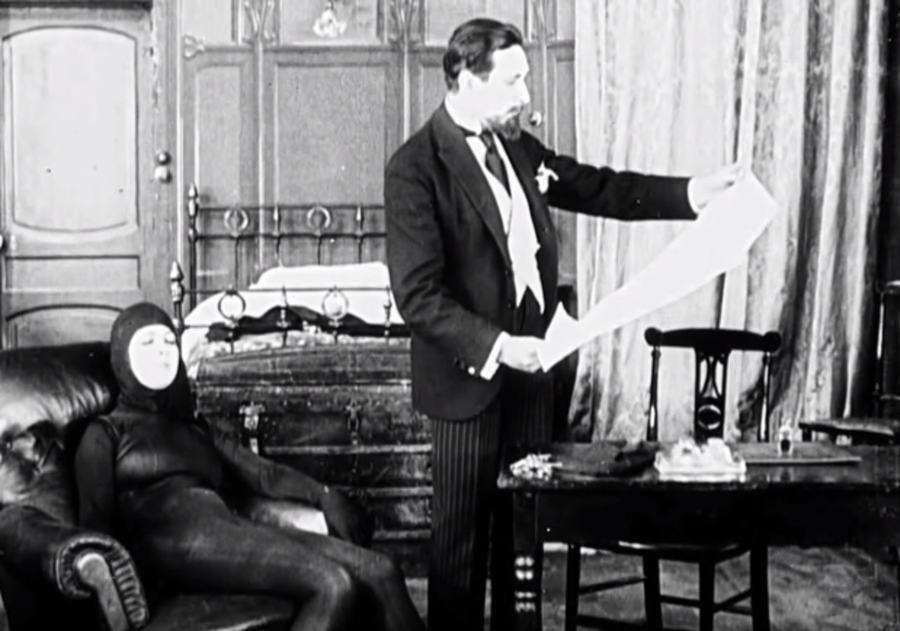
In the second decade of the twentieth century, cinema was a medium in its adolescence, grappling with its own identity. It was a time of immense experimentation where the rules of the game were being written in real-time. This instability allowed for the emergence of works like The Vampires: Hypnotic Eyes (1916). Louis Feuillade’s masterpiece, particularly the introduction of the iconic Irma Vep, provided the blueprint for the cult icon. With her black silk bodysuit and predatory grace, Irma Vep wasn't just a villain; she was an aesthetic revolution. She represented a rejection of Victorian sensibilities, embodying a dark, urban cool that would later resonate in the punk and goth movements of the late 20th century. This was cinema as a secret society, a serialized descent into a world where the law was a suggestion and the shadows held the real power.
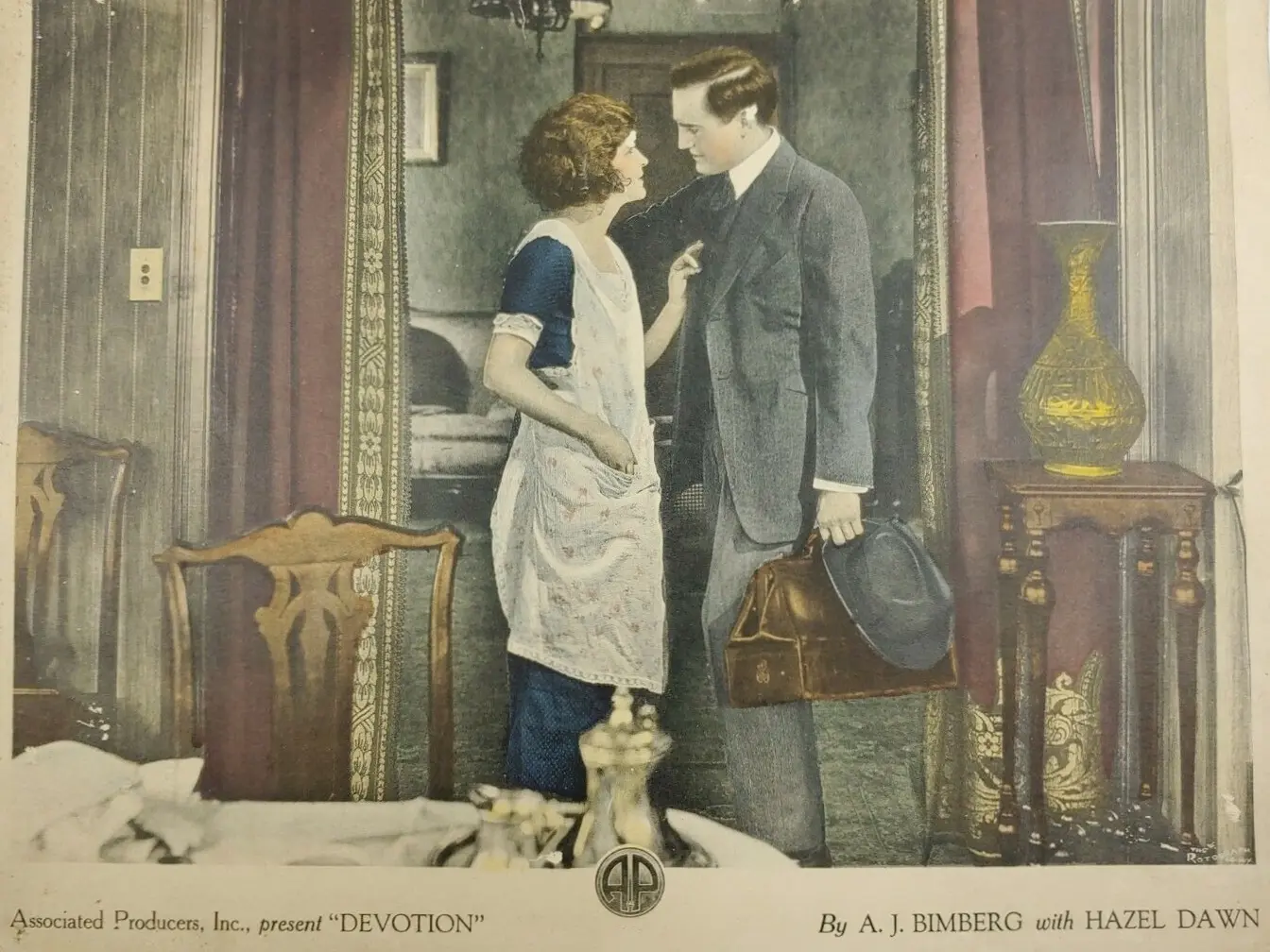
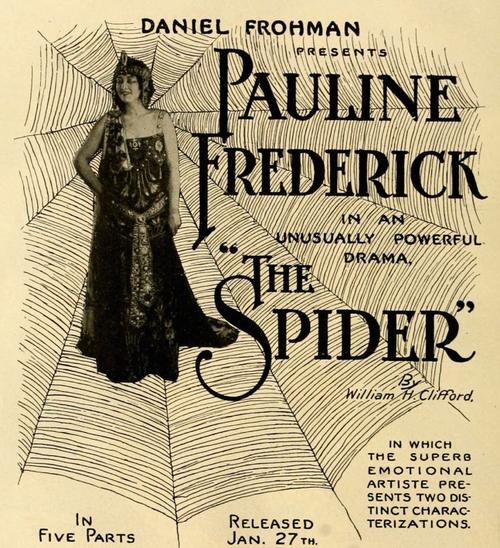
Similarly, the 1910s explored the darker corners of the human psyche with a frankness that would soon be stifled by the Hays Code. Consider The Spider and the Fly (1916). This isn't just a tale of drunken regret; it is a visceral study of moral decay. When a young Frenchman kills his best friend in a stupor and later falls under the spell of the seductive Blanche Le Noir, we aren't just watching a melodrama; we are witnessing the birth of the neo-noir sensibility. The film’s obsession with addiction and the inescapable pull of the "dark lady" mirrors the thematic preoccupations of cult classics like Detour or Blue Velvet. It is a film that thrives in the gutter, finding a strange, tragic beauty in the wreckage of a human life.
Exploitation and the Educational Mask
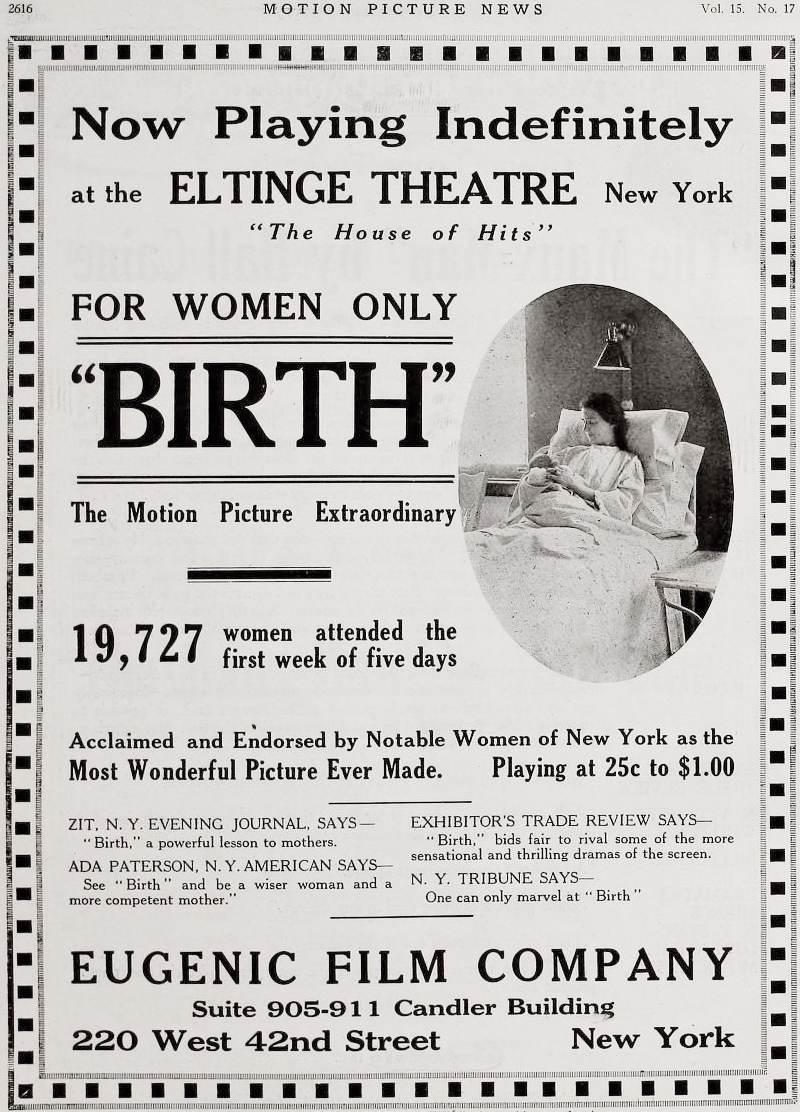
One of the hallmarks of cult cinema is the "exploitation" film—works that use sensationalist subject matter to attract an audience, often under the guise of education or social reform. This tradition finds its roots in the docudramas of the 1910s, most notably The Scarlet Trail (1918). Nominally a film about the prevention of venereal disease, it utilized the shock value of its subject to bypass traditional censorship. This "forbidden" quality is what drives cult fandom; the sense that you are seeing something you shouldn't, something that the "establishment" would rather keep hidden. The Scarlet Trail paved the way for the 1930s "hygiene" films and the later grindhouse explosion, proving that the line between public service and prurient interest is where the most fascinating cinema often resides.
The Aesthetic of the Oddity
Cult cinema often celebrates the strange, the miniature, and the non-human. The 1910s were rife with these "aesthetic anomalies." Take, for instance, The Genet (1913). A simple nature study of a small animal used as a rodent trap might seem mundane, but in the context of early cinema, its focus on the "otherness" of the natural world takes on a surrealist quality. It is a precursor to the eccentric nature documentaries of Werner Herzog or the bizarre biological fixations of David Cronenberg. There is a specific kind of cult viewer who seeks out the obscure for the sake of the obscure—those who find more magic in the domestication of a genet than in the grandest Hollywood epic.
In the realm of animation, The Clown's Pups (1919) by Max Fleischer showcases the early "inkwell" style that would define the surrealist edge of American cartoons. The meta-narrative of a creator interacting with his creation, the fluid physics of the drawn world, and the inherent creepiness of the clown archetype all contribute to a sense of the uncanny. Cult cinema thrives in this uncanny valley, where the familiar becomes strange. The battle between the hand-drawn bulldogs in this short isn't just a comedy; it’s a precursor to the psychedelic animation of the 1960s, a reminder that the screen is a place where reality goes to die.
Class, Justice, and the Maverick Spirit
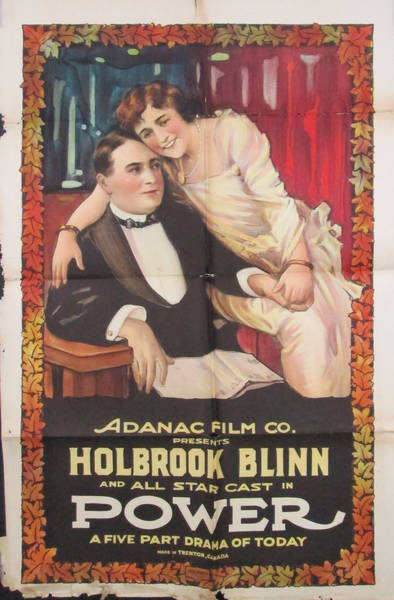
The cult film is often defined by its political or social defiance. The 1910s were a hotbed of class struggle and shifting gender roles, themes that were captured with surprising grit by the era’s maverick directors. The Man from Oregon (1916) takes on the Railway Land-Grab Bill, pitting an "honest" senator against corrupt corporate interests. While it may look like a standard political drama, its populist heart and distrust of the "Washington machine" reflect a rebellious spirit that cult audiences have always championed. It is the story of the outsider fighting the monolith, a narrative arc that stretches from 1916 all the way to They Live.
Furthermore, the exploration of female agency in The Woman Under Oath (1919) challenged the prevailing notions of the time. By questioning whether women were "temperamentally suited" for jury duty and then placing a woman in a position of ultimate moral authority, the film acted as a subversive piece of social commentary. Cult cinema has long been a haven for the marginalized, and films like The Woman Under Oath or the Danish Jalousiens Magt (1918)—which deals with a woman leaving her bourgeois lifestyle for the "Women’s Lib" movement—were the first to plant the seeds of cinematic rebellion against the patriarchy.
The Gothic and the Grotesque
No discussion of cult cinema is complete without the Gothic. The 1910s excelled at creating atmospheres of dread and isolation. The Net (1916), with its story of a girl rescued from the sea and the subsequent tension among fisherfolk, utilizes the landscape as a character of its own. It is a "coastal Gothic" that prefigures the atmospheric horror of The Lighthouse. The contrast between the "fisher maidens" and the mysterious, attractive stranger creates a sense of encroaching doom that is a staple of the genre.
Even in the realm of adventure and romance, a darker edge often persisted. The Pearl of the Antilles (1915) moves the action to a tropical lighthouse, using the isolation of the setting to heighten the stakes of a daughter’s temptation. This fascination with the "exotic" and the "isolated" is a recurring motif in cult cinema, from the jungle adventures of the 1930s to the island horrors of the 1970s. These films represent a desire to escape the mundane and enter a world of heightened emotion and physical danger.
The Legacy of the Lost Reels
Many of these 1910s films were lost for decades, only to be rediscovered by archivists and niche historians. This process of resurrection is itself a part of the cult experience. To find a print of Le diamant noir (1913) or Witch's Lure (1914) is to unearth a secret history of the medium. Witch's Lure, with its shady promoters and oil well schemes, might seem like a standard melodrama, but its title alone hints at the folkloric and occult interests that would later dominate the "folk horror" subgenre of cult cinema.
The obsessive nature of the cult fan—the person who needs to see every frame of Paddy O'Hara (1917) or track down the obscure Det gamle Købmandshjem (1911)—is fueled by the scarcity and the perceived "purity" of these early works. Before the industry was streamlined into the Hollywood studio system, there was a wild, untamed energy in the 1910s. Directors like the one behind Imar the Servitor (1914) were blending genres—adventure, romance, and desert mysticism—in ways that modern cinema is only now beginning to rediscover.
Conclusion: The Eternal Midnight
The cult cinema of today owes everything to the mavericks of 1910. Whether it is the moral ambiguity of Love or Justice (1917), where a lawyer descends into the drug-fueled underworld, or the identity-swapping thrills of John Needham's Double (1916), the silent era was a laboratory of the strange. These films did not seek to please everyone; they were often made for specific audiences or born out of the idiosyncratic visions of their creators. They were the first to understand that cinema is not just about telling a story—it’s about creating a ritual.
As we look back at the 1910s, we see more than just old movies. We see the birth of the underground. We see the first time a character like Irma Vep made an audience want to dress in black and hide in the shadows. We see the first time a film like The Scarlet Trail made people whisper in the lobby. The midnight movie didn't start in a theater in the 1970s; it started the moment the first hand-cranked camera captured something that was too weird, too bold, or too honest for the mainstream to handle. The cult lives on because the flicker never truly dies; it only waits in the dark to be found by the next generation of devotees.
Community
Comments
Log in to comment.
Loading comments…