
Cult Cinema Deep Dive
The Forbidden Celluloid: Decoding the 1910s Eccentrics and Moral Anomalies That Birthed the Cult Gaze
“A deep dive into the transgressive roots of cult cinema, exploring how the silent era's moral outcasts and genre-bending narratives prefigured the modern midnight movie obsession.”
To the modern cinephile, the term cult cinema often conjures images of neon-soaked 1980s synth-horror or the sticky-floored midnight screenings of the 1970s. However, the genetic code of the cinematic outlaw was written much earlier, in the flickering, nitrate-scented darkness of the 1910s. This was an era of profound experimentation, where the boundaries of the medium were still being forged and where the 'fringe' was often the only place where true narrative innovation could occur. By unearthing the forgotten anomalies of this period, we find the primal blueprints for everything we now consider 'cult': the transgressive hero, the moral outlier, and the genre-bending spectacle that defies mainstream categorization.
The Architecture of the Outlaw: Transgression in the Silent Wild
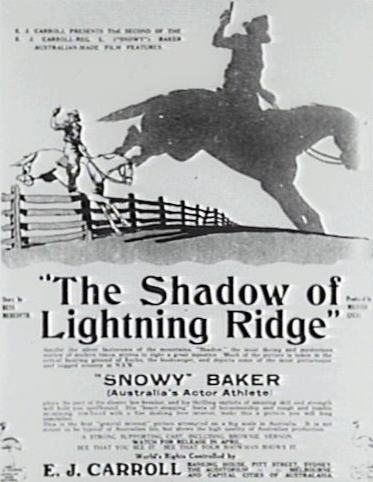
The cult film is defined by its relationship to the 'other.' It is the cinema of the marginalized, the misunderstood, and the defiant. In the early 20th century, this defiance often manifested in the form of the bushranger or the highwayman—characters who existed on the literal and figurative edges of civilization. Take, for instance, The Life and Adventures of John Vane, the Australian Bushranger or the enigmatic protagonist of The Shadow of Lightning Ridge. These films provided a template for the anti-hero, a figure who robs the corrupt to avenge personal dishonor, much like the 'Shadow' who targets Edward Marriott. This isn't just action; it is a primal rebellion against established order, a theme that would later resonate in the cult icons of the 1960s and 70s.
The Anti-Hero's Genesis
In The Shadow of Lightning Ridge, we see the highwayman not merely as a criminal, but as a vessel for vengeance and social commentary. This character, who attracts the interest of Dorothy Harden, represents the 'magnetic outlier'—a figure whose charisma is derived from their refusal to play by the rules. Similarly, A Rough Shod Fighter explores the rehabilitation of a Union soldier in a hostile community, highlighting the cult trope of the 'outsider seeking redemption.' These early narratives established the idea that the most compelling stories often belong to those whom society has discarded or branded as 'other.'

Moral Mutations and the Social Grimoire
One of the hallmarks of cult cinema is its willingness to poke at the bruised ribs of social hypocrisy. The 1910s were rife with films that challenged the Victorian moral leftovers of the age. Social Hypocrites serves as a scathing indictment of the upper classes, where a man like Col. Francis Fielding can be unjustly accused of cheating at cards and disowned, while the true rot remains hidden. This fascination with the 'unjustly accused' or the 'morally compromised' is a recurring motif in niche cinema, providing a space for audiences to question the status quo.
The Weight of the Unwritten Law
Films like The Unwritten Law and The Scales of Justice delved into the murky waters of legal and domestic morality. In The Unwritten Law, the domestic sphere becomes a site of intense drama and hidden secrets, reflecting the cult cinema obsession with the 'secret life' of the nuclear family. The Married Virgin takes this a step further, presenting a narrative of blackmail and forced marriage that would feel right at home in a later Douglas Sirk melodrama or a contemporary transgressive indie. These films were not merely entertainment; they were provocations, forcing the viewer to confront the uncomfortable reality that justice is often a matter of wealth and influence rather than truth.
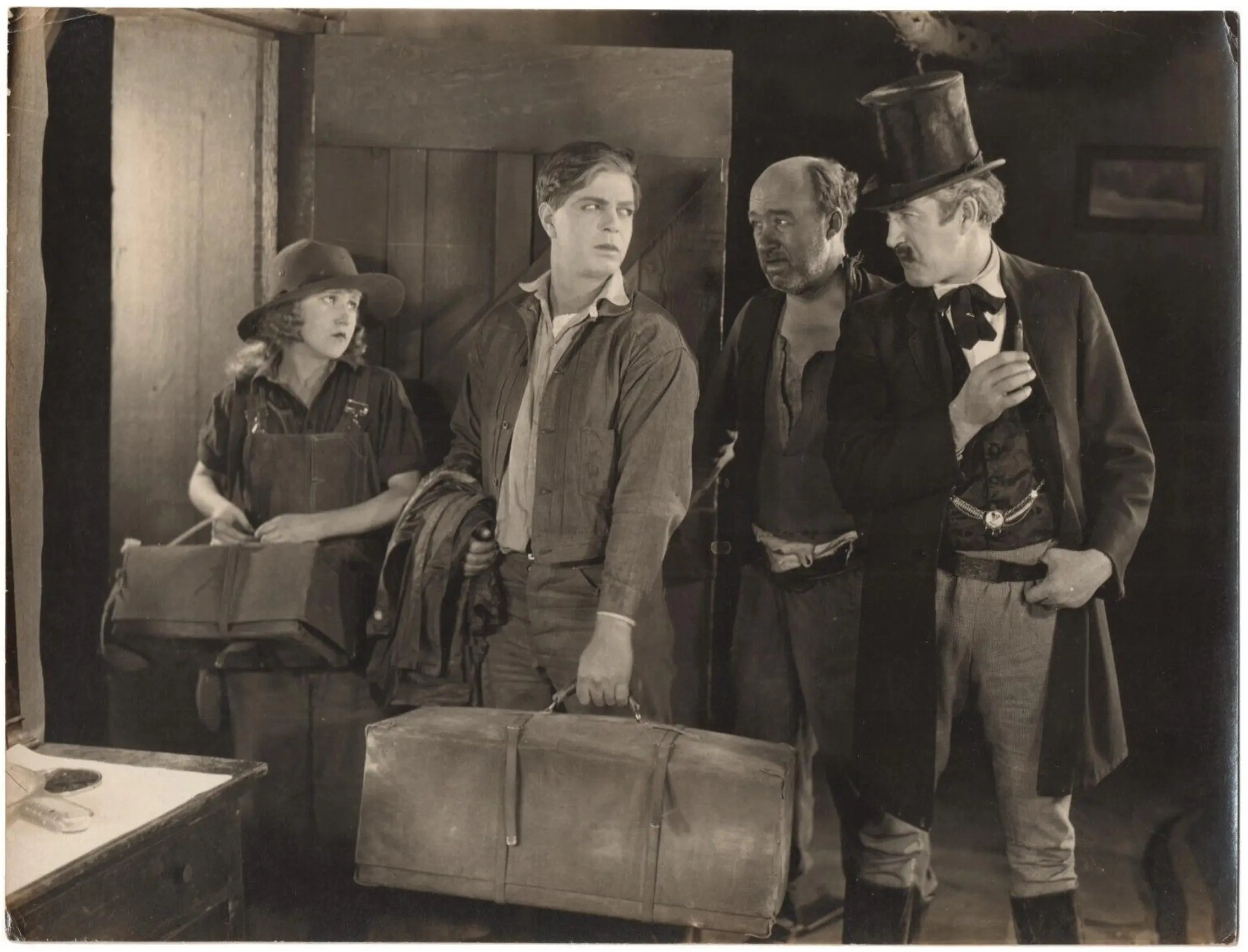
Consider the plight of the protagonist in The Lash, where the customs of the Breton island of St. Batiste lead to the literal lashing of a woman involved in an affair. This is 'body horror' in its most primitive and social form, a precursor to the transgressive cinema of the 1970s that used physical suffering to comment on social repression. The cult gaze is one that looks directly at the 'lash,' refusing to turn away from the cruelty of the collective.
Genre Fluidity and the Surrealist Impulse
Before the studio system codified genres into rigid boxes, the 1910s were a playground of 'genre-bending.' A film like The Sign of the Poppy, with its plot involving Chinese tongs, mysterious twins, and 'sharp business tricks,' is a fever dream of pulp tropes that defies a single label. It is this very 'messiness'—the refusal to be one thing—that attracts the cult devotee. Cult cinema thrives in the cracks between genres, and the early silent era was nothing but cracks.
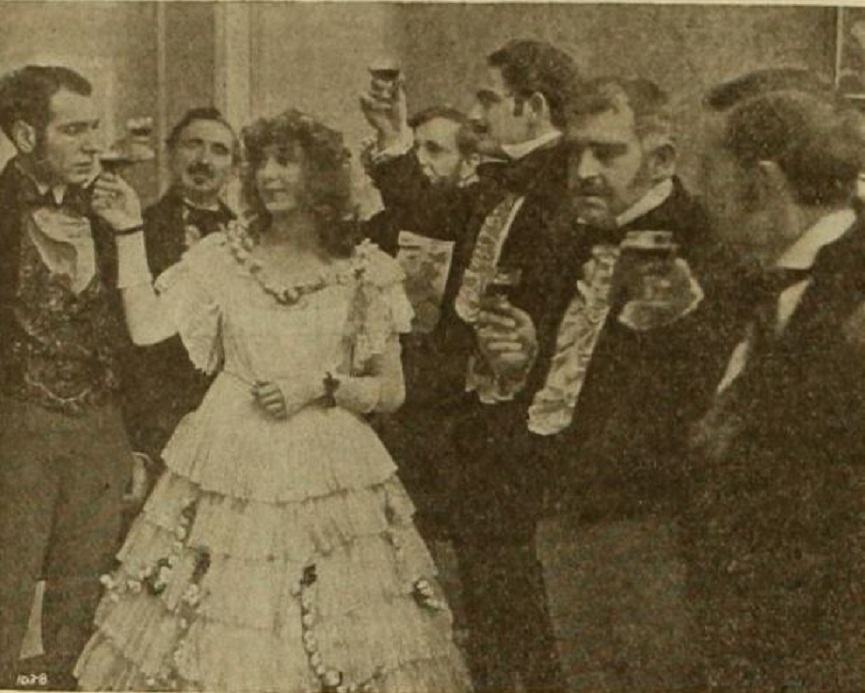
The Weird and the Wonderful
In The Painted Soul, the concept of a painting titled 'The Resurrection' causing a sensation because it captures a woman's 'awakened soul' introduces a touch of the supernatural and the obsessive. This 'obsession with the image' is a core tenet of cinephilia and cult worship. Similarly, Stella Maris features Mary Pickford in a dual role—playing both a paralyzed girl and a rugged orphan—creating a psychological doubling that feels remarkably modern. The visual contrast and the emotional depth of these dualities prefigure the fragmented identities found in the works of David Lynch or Panos Cosmatos.
Even the short films of the era, such as Snakes or the animated Dead Eye Jeff, displayed a penchant for the absurd. In Dead Eye Jeff, Mutt becomes a lion tamer while Jeff faces his own 'plenty troubles,' showcasing a surrealist slapstick that would later influence the underground 'comix' aesthetic and the cult of the bizarre. These films were the 'midnight movies' of their day, offering a brief, intense burst of the unconventional to audiences hungry for something beyond the standard melodrama.
The Cult of the Misfit: From Rowdy Ann to Spotlight Sadie
At the heart of every cult film is a character who doesn't fit. Rowdy Ann is the quintessential 'tough cowgirl' whose parents desperately try to 'civilize' her by sending her East to college. Her resistance to these norms is the very stuff of cult legend. She is a female rebel in an era that demanded docility. On the other side of the spectrum, we have Spotlight Sadie, an Irish immigrant in New York who navigates a world of worthless relatives and low-paying jobs, dreaming of something more. These are the 'dreamers' and 'misfits' with whom cult audiences have always identified.
The Domestic Deviant
Films like Let Katie Do It highlight the 'family drudge' who eventually finds her own path, while Wanted: A Husband uses the trope of the 'invented fiancé' to explore social anxiety and the pressure to conform. These narratives might seem like simple comedies or dramas, but through the lens of cult cinema, they are stories of identity construction. The characters are literally performing versions of themselves to survive or to gain agency, a theme that remains central to the cult experience today.
Even the more traditional adventures, like The Count of Monte Cristo or Neal of the Navy, rely on the 'outcast' status of their heroes. Edmond Dantès is the ultimate cult protagonist: a man wronged by the system who returns with a new identity to exact a meticulous, almost ritualistic revenge. Neal of the Navy gives us the 'framed cadet' who must enlist in the ranks to clear his name, a story of systemic failure and individual perseverance that resonates with the 'lone wolf' archetype of modern cult actioners.
Conclusion: The Enduring Alchemy of the Silent Fringe
The films of the 1910s, from the swashbuckling rivalry of The Seats of the Mighty to the domestic tragedies of Ten Nights in a Barroom, were the primary soil in which the seeds of cult cinema were planted. They provided the transgressive themes, the moral ambiguities, and the genre-defying structures that would later be celebrated by midnight moviegoers and niche collectors. When we watch The Inn of the Blue Moon with its twin sisters separated by a failing marriage, or The Crown Prince's Double with its themes of political uprisings and escape, we are seeing the birth of a specific kind of cinematic devotion.
Cult cinema is not just about the films themselves; it is about the gaze we bring to them. It is the ability to find beauty in the 'failed' experiment, truth in the 'melodramatic' outburst, and rebellion in the 'silent' frame. The 1910s were a decade of beautiful failures and radical outbursts, a time when the celluloid was still wet with the sweat of its creators' ambitions. By looking back at these early rebels—the Rowdy Anns, the John Vanes, and the Stella Marises—we don't just see history; we see the reflection of our own enduring obsession with the fringe.
In the end, the 'midnight' of the 1910s is still glowing. It lives on in every frame that challenges the viewer, every character that refuses to conform, and every story that dares to be 'too much.' The alchemy of the silent fringe is the alchemy of cult cinema itself: the transformation of the discarded into the divine.
Community
Comments
Log in to comment.
Loading comments…