
Cult Cinema
The Genesis of Obsession: Unearthing Cult Cinema's Maverick Roots in Early Film

“Long before midnight screenings and devoted fan conventions, the seeds of cult cinema were sown in the nascent, often strange, productions of early film. This deep dive explores how unconventional narratives, genre experiments, and transgressive themes from cinema's formative years laid the groundwo…”
The term 'cult cinema' often conjures images of midnight screenings, audience participation, and films that, despite initial critical or commercial indifference, found fervent adoration among a dedicated niche audience. These are the cinematic outliers, the forgotten gems, and the transgressive films that challenge conventional storytelling and societal norms. But to truly understand the enduring power and unique appeal of cult films, we must journey back to cinema's infancy, to an era where the rules were still being written and every flicker on screen held the potential for something radically new. It is in these formative years, amidst early melodramas, pioneering genre experiments, and nascent social commentaries, that we find the maverick roots of what would become a global phenomenon of cinematic rebellion.
The Birth of the Unconventional: Early Cinema as a Wild Frontier
The dawn of cinema was a period of boundless artistic expression and rampant experimentation. Filmmakers, unburdened by established industry conventions or rigid genre expectations, were free to explore narratives and visual styles that often felt raw, unpolished, and intensely personal. This fertile ground naturally gave rise to films that, by their very nature, stood apart. Early productions were not always designed for mass appeal in the way modern blockbusters are; instead, they often reflected the idiosyncratic visions of their creators or grappled with complex themes in ways that were, for their time, daringly unconventional.
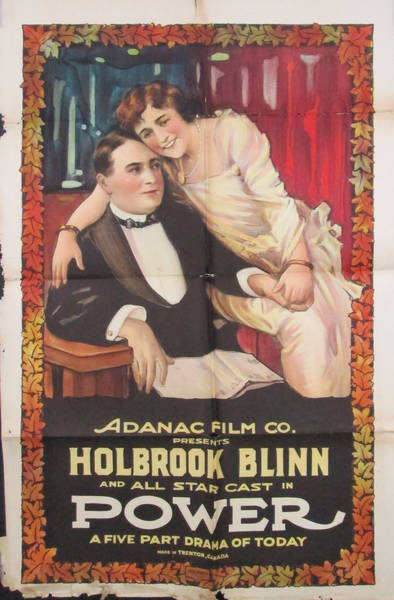
Consider the early forays into narrative structure. While many films aimed for straightforward storytelling, others embraced melodrama, heightened emotion, or even fragmented perspectives that could be disorienting yet captivating. Plots involving grand passions, moral dilemmas, and dramatic reversals were common, some pushing the boundaries of what was considered acceptable or understandable to a mainstream audience. These were not always comfortable viewing experiences, often delving into the darker aspects of human nature, crime, or societal decay, laying a foundational blueprint for subversive storytelling.
Furthermore, the nascent genre bending of the era meant that categories like drama, romance, action, and even early animation were fluid. A film might blend elements of a thrilling chase with a poignant love story, or infuse a social commentary with fantastical elements. This lack of rigid definition allowed for a creative freedom that later, more commercialized periods would sometimes stifle. It meant that a film could be simultaneously a gripping mystery, a heartfelt drama, and a commentary on social injustice, appealing to different facets of an audience's taste and intellect. The very fabric of early cinema was woven with threads of the unexpected, creating a rich tapestry where future underground films would find their lineage.

The technical limitations of the time also played a role, often necessitating creative solutions that, in retrospect, contributed to a distinct aesthetic. The use of elaborate sets, pioneering special effects, and stylized performances gave many early films a theatrical, almost dreamlike quality. This visual language, often divorced from strict realism, allowed for allegorical storytelling and symbolic imagery that could resonate deeply with viewers seeking something more than mere escapism. It was an environment where the strange and the singular could flourish, laying the groundwork for the enduring appeal of films that dared to be different.
The Allure of the Anomalous: Films That Defied Easy Categorization
What truly defines a cult film is often its anomalous nature – its refusal to fit neatly into commercial molds or critical consensus. This characteristic, far from being a modern invention, was present from the earliest days of cinema. Many early films, while perhaps not explicitly labelled 'cult' at the time, certainly possessed qualities that would later become hallmarks of the genre: unique premises, challenging themes, and a distinct lack of compromise in their execution. They were films that, for one reason or another, stood out from the crowd, compelling viewers to seek them out and discuss them long after their initial release, or even after they faded from public memory.

Consider films that grappled with difficult social issues, such as unwanted pregnancies or the devastating impact of war on the human psyche. These weren't lighthearted fare; they demanded emotional engagement and often provoked thought, sometimes even discomfort. Such productions, by tackling subjects deemed controversial or taboo, inherently appealed to audiences looking for cinema that reflected complex realities or pushed societal boundaries. This direct engagement with challenging subject matter is a cornerstone of what makes many transgressive films so potent and enduringly fascinating to their dedicated followers.
Then there were the truly bizarre or fantastical experiments. Early animated shorts featuring fantastical creatures, or speculative fiction pieces imagining future conflicts, showcased a boundless imagination that often outstripped the technical capabilities of the time. These ambitious, sometimes clumsy, attempts at creating new worlds or depicting the utterly improbable are precisely the kind of alternative narratives that captivate a niche audience. They offered glimpses into the surreal, the absurd, or the purely imaginative, aspects that would later become synonymous with the most beloved midnight movies.
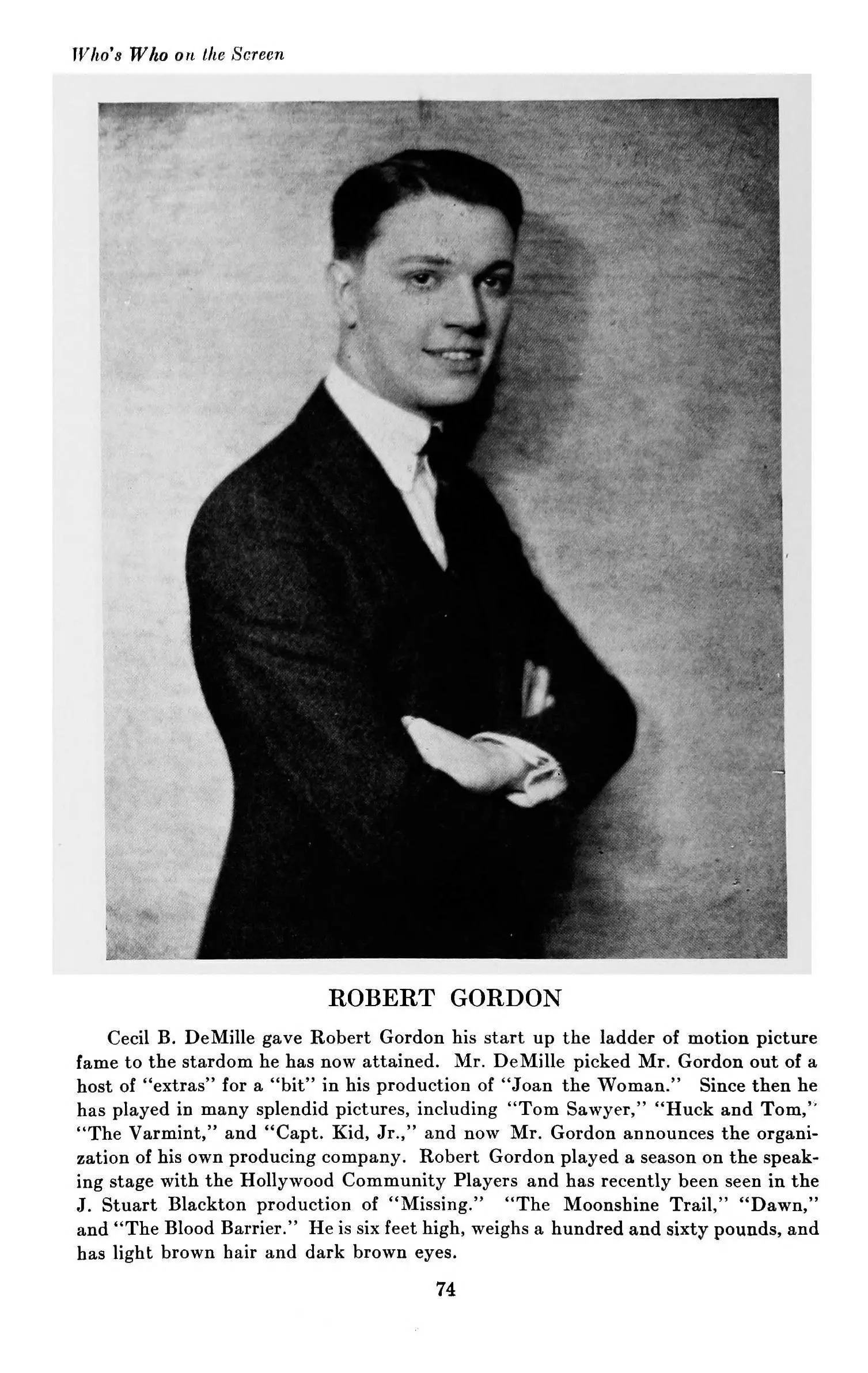
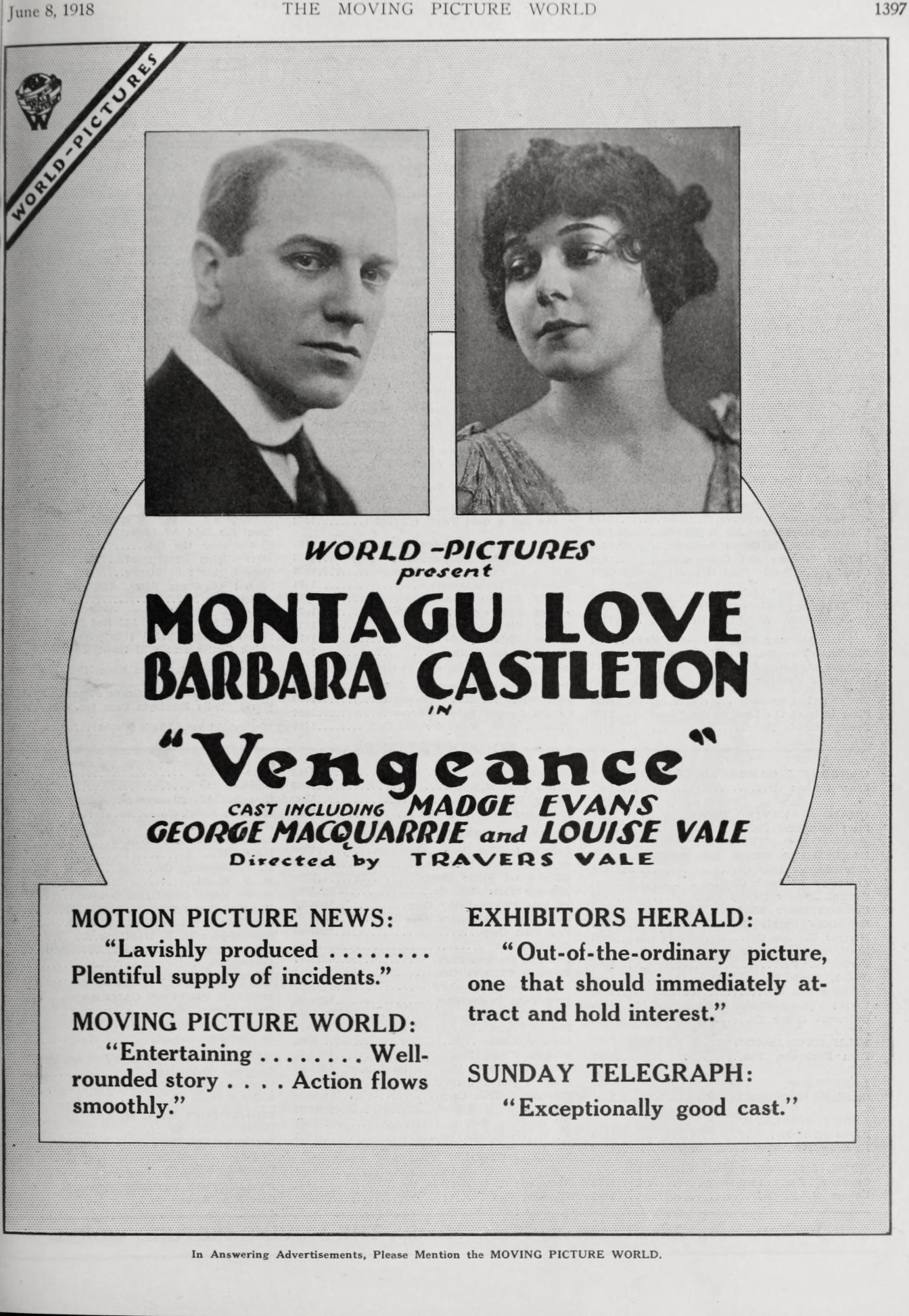
The power of vengeance, the struggles of morality, and the psychological weight of secrets were also recurring themes. Films that delved into these intense human experiences, often with dramatic flair and heightened realism for the period, created a profound resonance. They explored the darker corners of the human condition, inviting audiences to confront uncomfortable truths or revel in the catharsis of extreme emotion. This kind of deep, often unsettling, engagement is a key component of a film's potential to become a cult object – it sticks with you, prompts discussion, and compels re-viewing.
Even seemingly straightforward melodramas, with their focus on personal sacrifice, misguided choices, and the pursuit of redemption, could possess an intensity that transcended their initial classification. When executed with a unique vision or a particularly compelling performance, these narratives could acquire a timeless quality, speaking to universal human experiences in a way that felt both specific and broadly relatable. This ability to connect on a visceral, emotional level, even across decades, is a testament to the inherent enduring appeal that defines cult cinema.
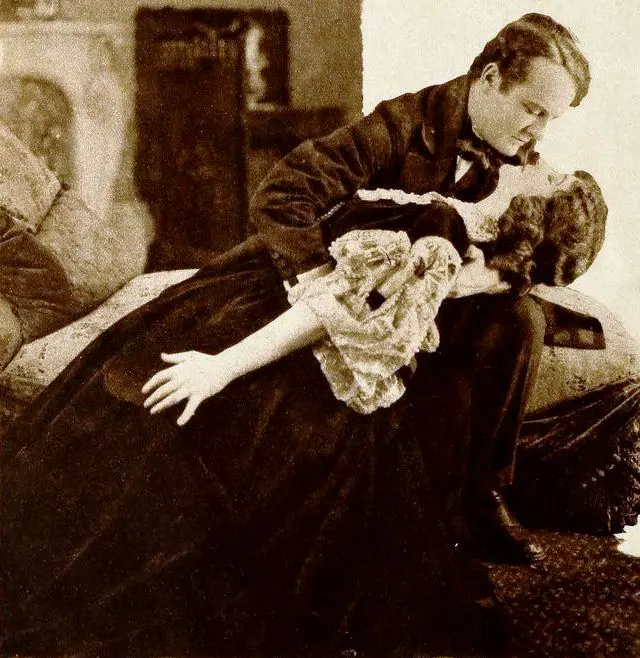
Beyond the Box Office: Finding a Fandom
One of the defining characteristics of cult films is their often-rocky relationship with initial commercial success. Many of the films we celebrate today achieved their legendary status not through immediate box office triumph, but through a slow burn of discovery and re-evaluation. This trajectory – from obscurity to adoration – has its roots in the early days of cinema, where a film's impact was less about its opening weekend gross and more about its ability to resonate with specific pockets of the audience, or simply to persist in memory.
In an era before mass marketing and global distribution networks, a film's reach was often limited, and its success could be highly localized or dependent on word-of-mouth. This organic spread of appreciation meant that films that might have been overlooked by mainstream critics or audiences could still find their champions. A film that depicted a unique subculture, explored a controversial idea, or simply presented a vision unlike anything else, might quietly build a following among those who felt seen or provoked by its content. This nascent form of fandom was crucial in laying the groundwork for later midnight movies.

The very act of re-discovery is central to the cult phenomenon. Many early films, once considered lost or simply forgotten, have been unearthed and re-evaluated by film historians and enthusiasts, revealing layers of meaning and artistry previously unappreciated. The aesthetic of early cinema, with its flickering images, silent narratives (often accompanied by live music), and stylized acting, can initially be a barrier for modern viewers. Yet, for those willing to engage, these films offer a profound and often startlingly contemporary experience. Their unique visual language and narrative rhythms can be intoxicating, fostering a deep appreciation that transcends initial expectations.
The themes explored in these early works, such as the struggle against fate, the consequences of moral failings, or the resilience of the human spirit, are timeless. When presented with a singular vision, these universal narratives can transcend their historical context and continue to speak to new generations. A film about a character's descent into gambling addiction, or a dramatic tale of espionage and betrayal, might not have been a sensation upon release, but its compelling story and powerful performances could ensure its survival in the collective cinematic consciousness, passed down through film societies and academic circles.
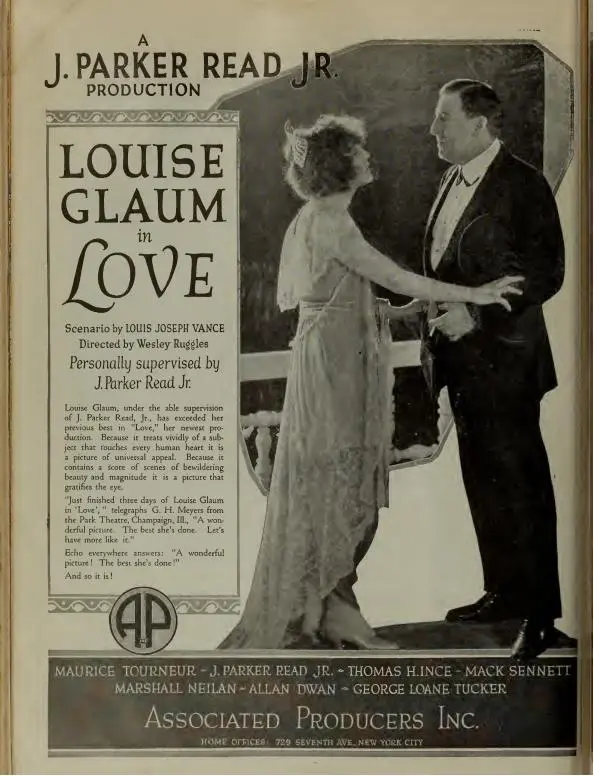
Ultimately, the early cinema landscape demonstrated that a film's true value isn't always measured in immediate financial returns. It's in its capacity to provoke, to inspire, to challenge, and to forge a lasting connection with those who seek out cinema that dares to be different. This enduring lesson from the past continues to inform our understanding of why certain cinematic outliers captivate us and garner such intense devotion.
The Maverick Spirit: Directors and Visions
Behind every cult film, there is often a maverick spirit – a filmmaker or group of collaborators whose vision, whether accidental or intentional, veered sharply from the norm. In the nascent days of cinema, this maverick quality was perhaps even more pronounced, as the industry itself was still finding its footing, and the personal imprint of a director or screenwriter could be incredibly strong. These early pioneers, often working with limited resources and an evolving understanding of the medium, inadvertently created works that would later be recognized for their unique, often idiosyncratic, genius.

Many early films, particularly those that touched upon complex societal concerns or explored psychological depths, reveal a singular creative voice. Whether it was a director experimenting with narrative pacing, a writer crafting characters of profound moral ambiguity, or a cinematographer pushing the boundaries of visual expression, these artists were, in their own way, forging a path for unconventional cinema. Their works often possessed a raw, unfiltered quality that spoke directly to the emotional and intellectual curiosity of specific audiences, bypassing the need for broad commercial appeal.
The experimental nature of early filmmaking meant that many directors were, by necessity, innovators. They were inventing the language of cinema as they went along, and this often led to bold choices in storytelling and visual design. A film might employ groundbreaking editing techniques, elaborate set pieces, or highly stylized performances to convey its message. These artistic risks, while sometimes leading to initial confusion or dismissal, often proved to be the very elements that endowed the films with their lasting power and distinct identity. The courage to deviate from nascent conventions is a hallmark of the maverick spirit.

Even films that might appear straightforward on the surface could harbor deep thematic currents or present a world view that was subtly subversive. A drama about a woman's compromised reputation, or a tale of a man driven to vengeance, could explore the intricate workings of human morality and societal judgment with a depth that transcended simple entertainment. These narratives, by daring to delve into the complexities of human experience without easy answers, appealed to viewers who sought more than mere escapism; they sought reflection, challenge, and provocation.
In essence, the early cinematic landscape was a crucible for individual expression. The lack of rigid formulas and the sheer novelty of the medium allowed for a freedom that encouraged bold, sometimes bizarre, and often deeply personal filmmaking. This environment fostered the creation of works that, by their very nature, would later resonate with audiences seeking something outside the mainstream – the very essence of what makes a film a cult phenomenon. These early cinematic rebels unknowingly laid the foundation for generations of filmmakers who would prioritize vision over convention.
Enduring Legacy: Why These Seeds Matter
The journey from the flickering images of early cinema to the vibrant, diverse landscape of modern cult cinema is a testament to the enduring power of unconventional storytelling. The seeds sown in those formative years – the willingness to experiment, the courage to tackle difficult themes, and the accidental genius of maverick visions – continue to influence and define what makes a film a cult classic today. Understanding this lineage is crucial for appreciating the full scope of cinematic rebellion and the profound impact of films that find their own unique fandom.
Many of the characteristics we associate with modern cult films – their distinctive aesthetics, their challenging narratives, their ability to inspire obsessive devotion – can be traced back to these early works. The melodramatic intensity of a silent drama, the fantastical whimsy of an early animation, or the stark realism of a social commentary all contributed to a growing cinematic vocabulary that allowed for greater deviation from the norm. These initial deviations created a space for what would become the underground films and counter-culture touchstones of later decades.
The continuous cycle of re-evaluation and appreciation, where previously overlooked or misunderstood films are brought back into the spotlight, is a direct inheritance from this era. Film archives and dedicated enthusiasts tirelessly work to preserve and present these early works, ensuring that their unique contributions to cinematic history are not lost. This dedication to re-discovery is what allows us to connect with the radical spirit of cinema's past and understand how it informs its present.
The enduring appeal of these early cinematic outliers lies in their ability to offer something profoundly different from the mainstream. They speak to a desire for cinema that challenges, provokes, and expands our understanding of the world and ourselves. Whether through a gripping tale of a railroad magnate's son choosing an unconventional path, or a dramatic narrative exploring the complexities of family and reputation, these films resonated with specific audiences who craved stories that transcended simple entertainment.
In conclusion, cult cinema is not a phenomenon born in a vacuum; it is a rich tapestry woven from threads that stretch back to the very beginning of the moving image. The genesis of obsession, the profound connection that audiences form with these unconventional films, lies in the experimental, often daring, spirit of early filmmakers. Their works, whether celebrated immediately or rediscovered decades later, laid the essential groundwork for a cinematic tradition that continues to thrive on uniqueness, rebellion, and a passionate, devoted niche audience. The legacy of these pioneering efforts reminds us that the most compelling stories are often found on the fringes, waiting to be embraced by those who dare to look beyond the obvious.
Community
Comments
Log in to comment.
Loading comments…