
Cult Cinema Deep Dive
The Genetic Rebellion: How Early Cinema’s Misfit Narratives Pre-Coded the Cult Movie Obsession

“An exploration of how the transgressive themes and narrative deviance of early 20th-century cinema laid the hidden foundation for modern cult movie worship and midnight film culture.”
To understand the modern cult cinema phenomenon, one must look beyond the neon-soaked midnight movies of the 1970s and the campy horror of the 1980s. The true DNA of cult obsession—that primal pull toward the unconventional, the transgressive, and the misunderstood—was woven into the very fabric of the silent and early sound eras. Long before the term 'cult classic' entered the lexicon, a series of narrative misfits and genre mutants were quietly engineering the psychological blueprint for what would become a global subculture of cinematic devotion.
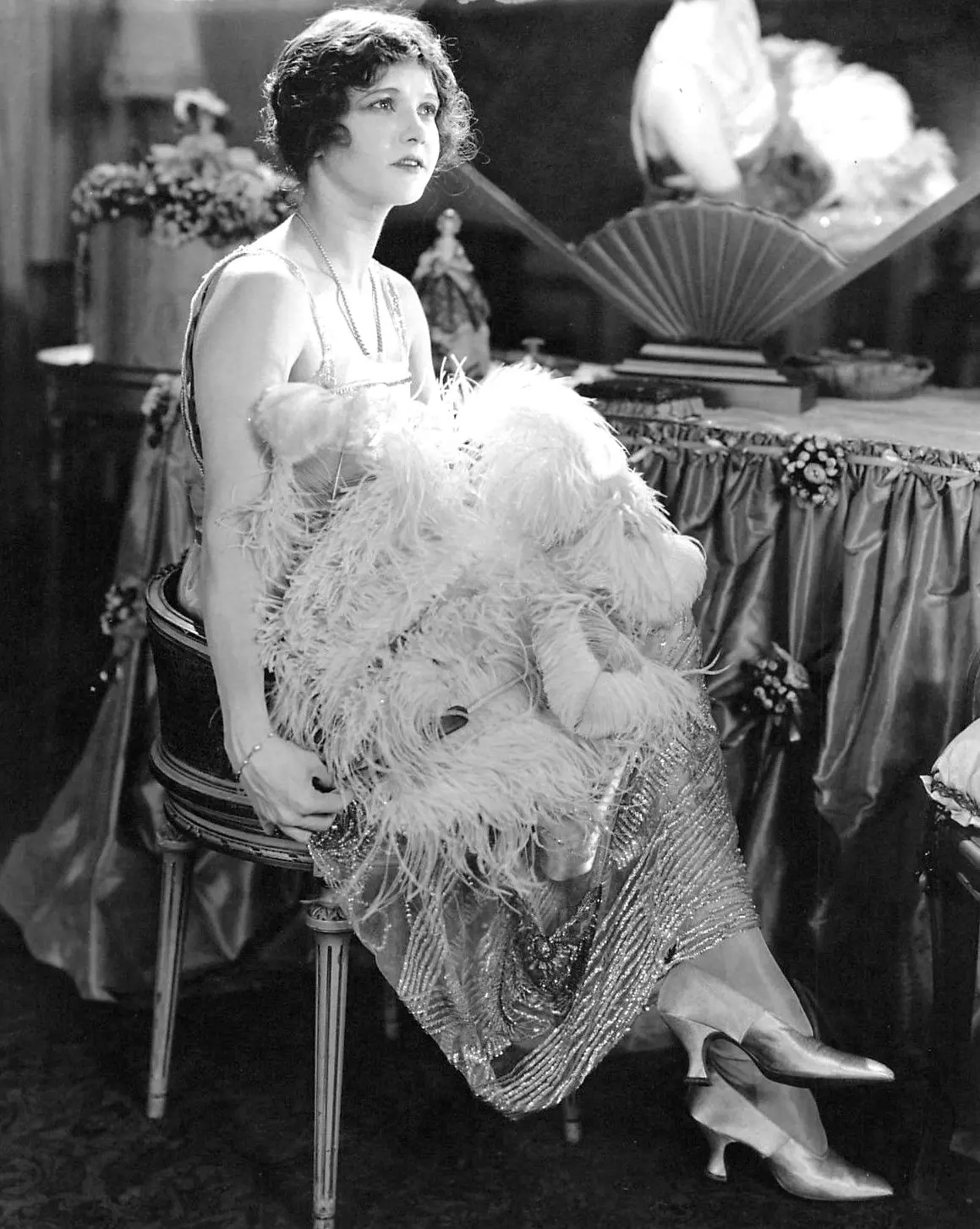
The Psychology of the Fractured Mind: Early Proto-Horror
The cult movie has always been a sanctuary for the exploration of the human psyche’s darker corners. In the early 20th century, filmmakers were already experimenting with themes of identity, trauma, and psychological fragmentation. Take, for instance, the 1915 curiosity The Curious Conduct of Judge Legarde. This film centers on a senior judge who, after a horse kick to the base of his skull, develops a dual personality. This narrative device—the sudden, violent fracturing of a moral authority figure—is a direct ancestor to the psychological thrillers that define the cult canon today. It challenges the viewer’s perception of stability and justice, a hallmark of the cult ethos.
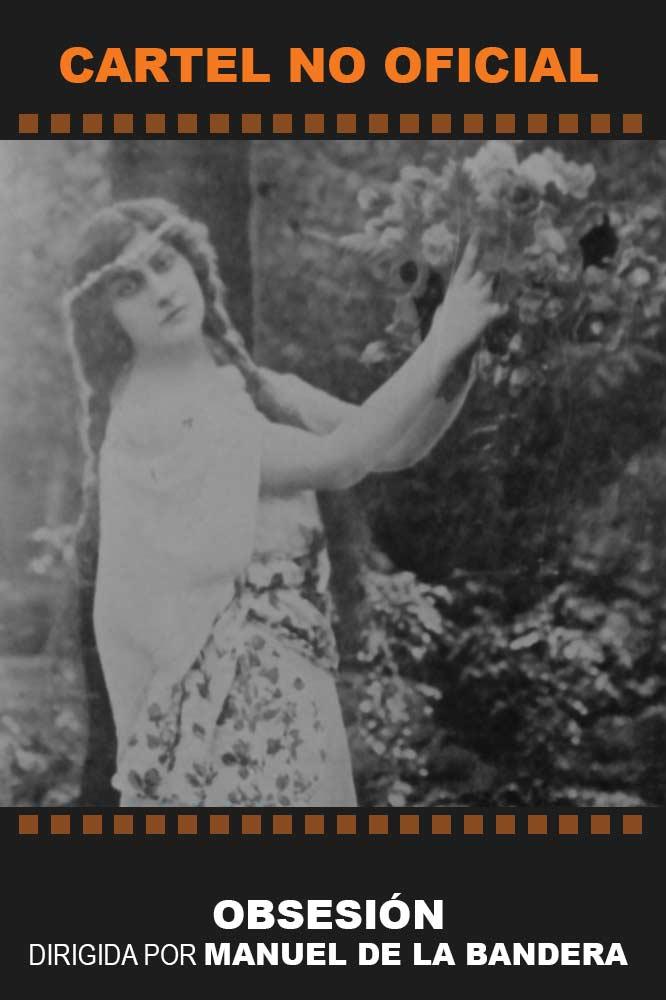
Similarly, the Italian production La tempesta in un cranio (A Storm in a Skull) takes a more comedic but equally subversive approach to mental health. By gaslighting a wealthy scion into believing he has inherited insanity, the film critiques the rigid social structures and the fear of genetic destiny. These films didn't just entertain; they poked at the anxieties of their time, creating a resonance that transcends their era. They are the spiritual predecessors to films like Fight Club or Donnie Darko, where the internal landscape of the protagonist is as treacherous as any external villain.
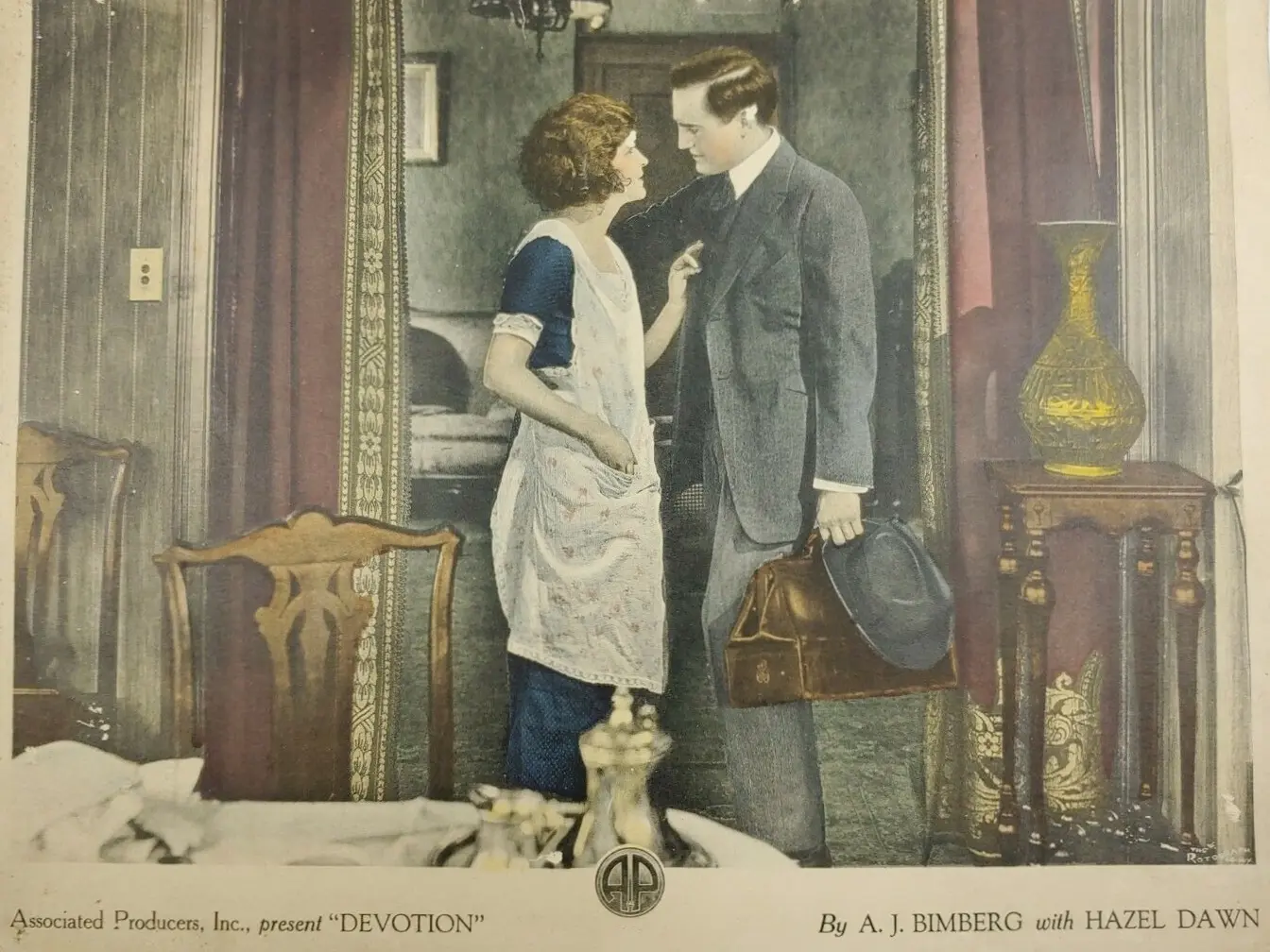
Heredity and the Curse of the Bloodline
A recurring theme in early cinema that often finds its way into the cult sector is the idea of hereditary doom. The notion that one’s destiny is pre-written in their blood is a fertile ground for melodrama and tragedy. In The Social Highwayman, the protagonist’s penchant for robbery is presented as a genetic inheritance from his mother. This fatalistic view of morality creates a unique kind of anti-hero, one that the cult audience—often composed of social outcasts—finds deeply compelling.
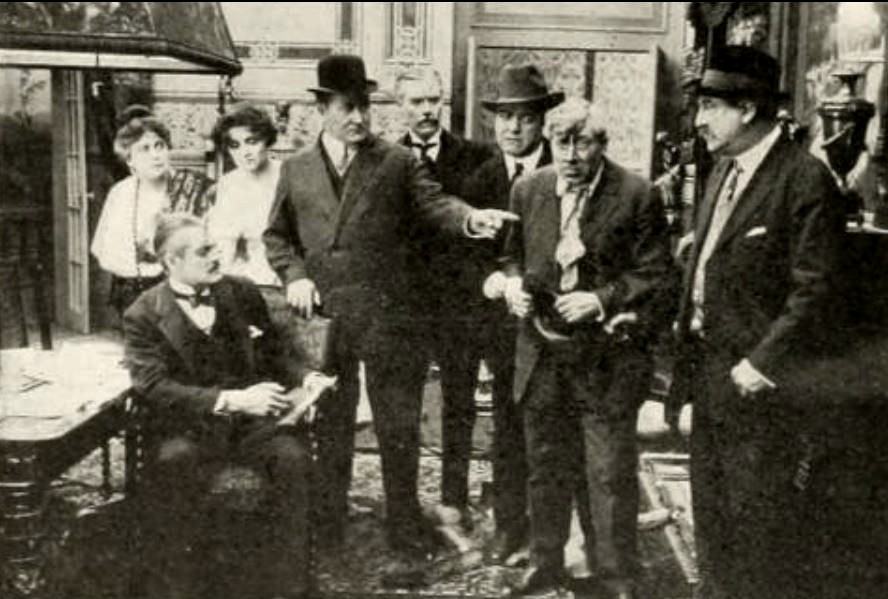
This theme is explored even more darkly in Fear Not, where two brothers struggle with cocaine addiction, believing it to be a hereditary failing. By grounding social deviance in biology, these early films created a sense of tragic inevitability that would later become a staple of noir and cult crime dramas. The struggle against one's own nature, as seen in The Last of the Ingrams, where the sole survivor of a Puritan family seeks solace in drink, mirrors the modern cult obsession with characters who are trapped by their history and their environment.

Social Transgression: Breaking the Moral Frame
If there is one defining characteristic of cult cinema, it is its willingness to cross lines that the mainstream refuses to touch. In 1920, Oscar Micheaux’s Within Our Gates stood as a monumental act of cinematic rebellion. By depicting the harsh realities of lynching and racial injustice in the American South, Micheaux created a film that was functionally 'cult' because it was suppressed, controversial, and sought after by an audience that was ignored by the Hollywood machine. It represents the birth of the 'underground' film—a work that exists to speak a truth that the dominant culture wants to bury.
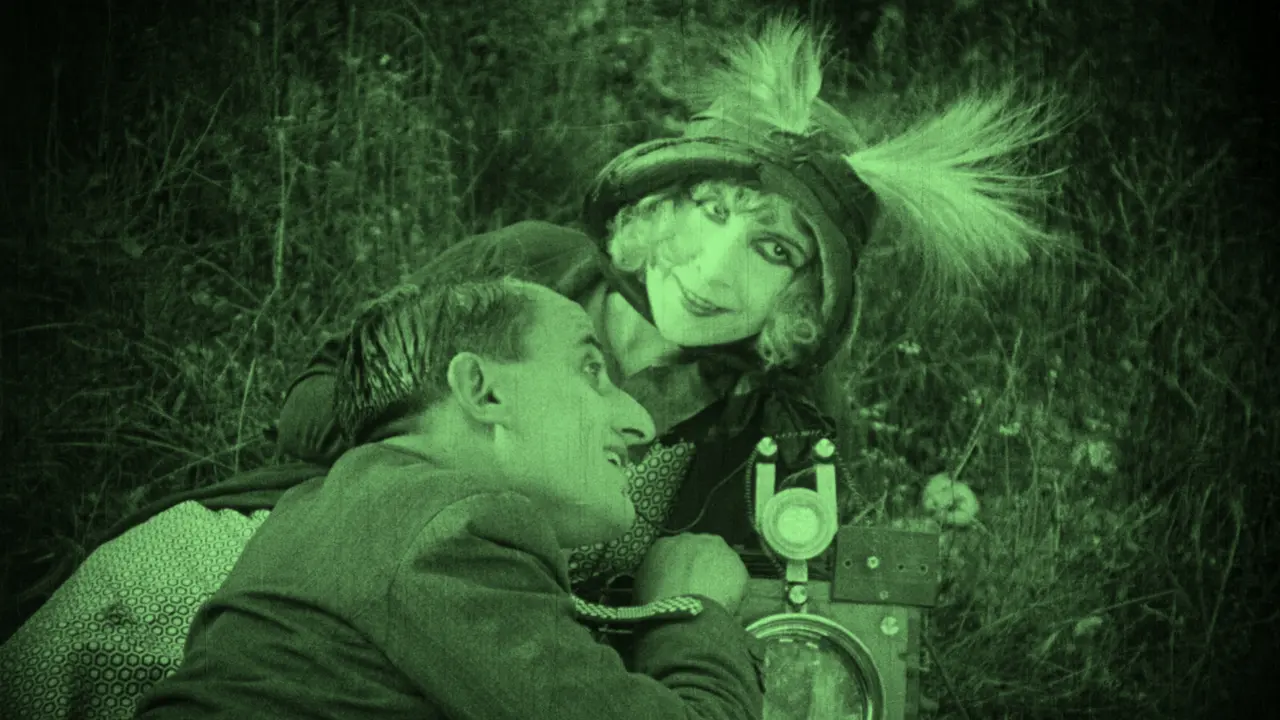
We also see social boundaries pushed in films like And the Law Says, which tackles the fallout of an illegitimate pregnancy and the abandonment of responsibility. These narratives were the 'taboo' stories of their day. They dealt with the consequences of passion and the failures of the legal system, themes that would later be amplified in the exploitation films of the 1960s and 70s. The cult audience is drawn to these stories because they acknowledge the messiness of human existence that the 'polished' cinema of the era often ignored.
The Unconventional Heroine and the Fallen Woman
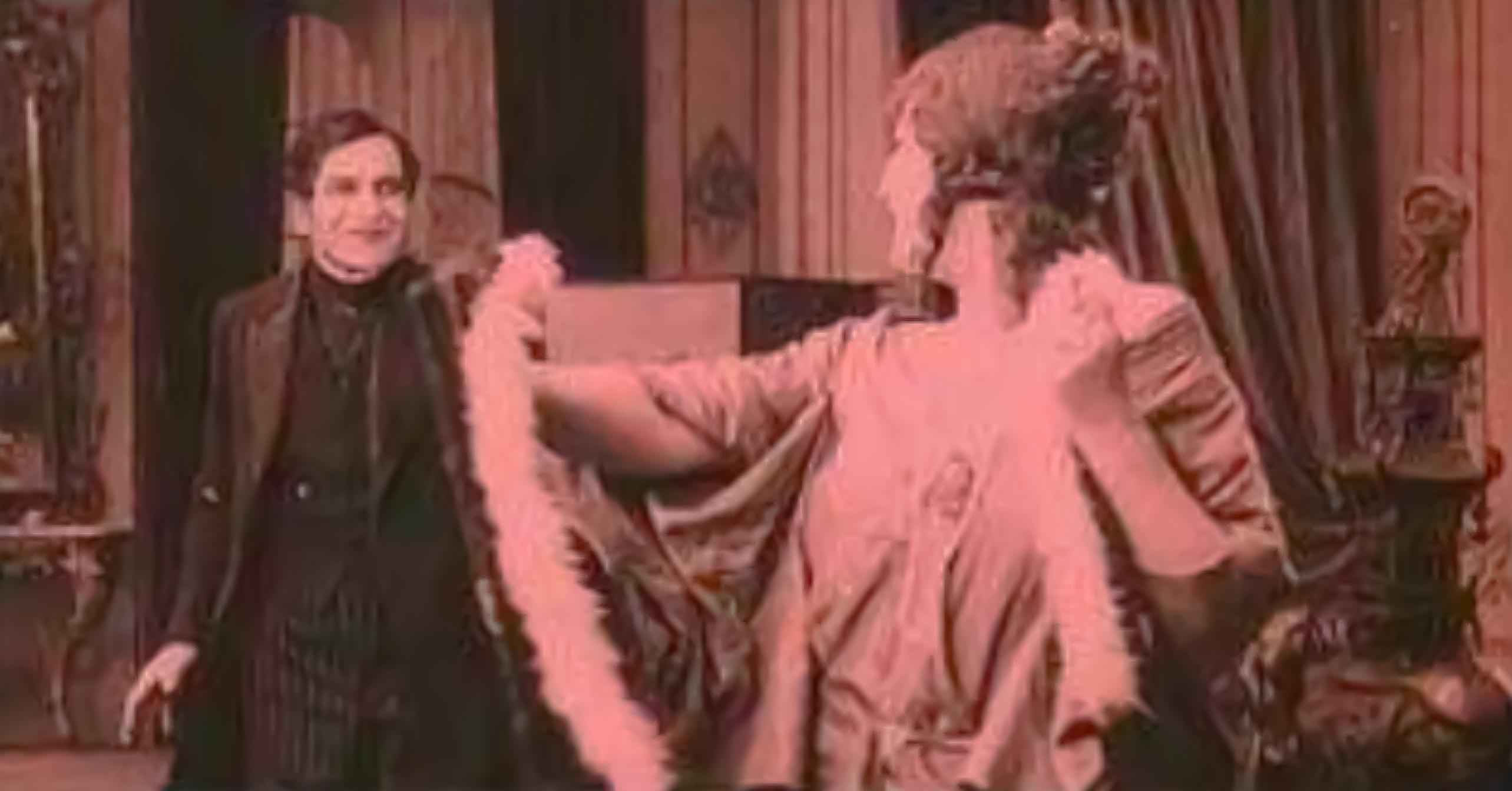
The archetype of the 'fallen woman' was a staple of early melodrama, but in the hands of certain directors, it became a vehicle for subversive social commentary. The Notorious Miss Lisle and Wild Primrose present women who are forced to navigate a world that judges them for their pasts or their origins. In Wild Primrose, the contrast between the 'untutored' Southern girl and the 'cultured' but haughty Northern elite highlights class tensions that remain a central theme in many niche films today.
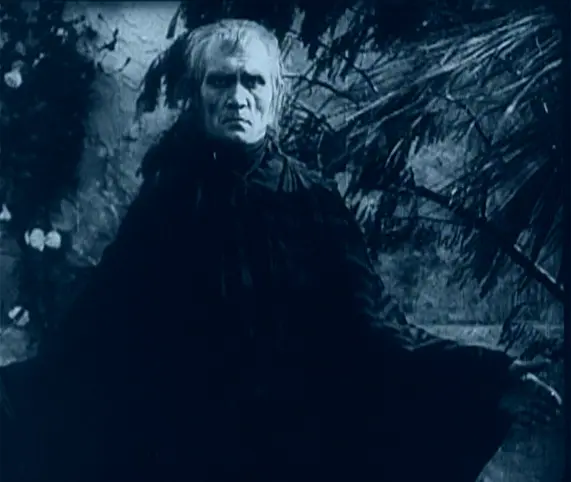
These films often featured protagonists who were 'others'—people who didn't fit into the prescribed social boxes. Husbands and Wives explores the friction between Northern and Southern aristocratic values, while Her Husband's Trademark looks at a marriage built on social display rather than substance. These critiques of the bourgeoisie are the seeds of the anti-establishment sentiment that fuels modern cult fandoms.
The Bizarre, the Absurd, and the Animalistic
Cult cinema wouldn't be complete without a healthy dose of the truly bizarre. The silent era was rife with experimental shorts and comedies that embraced the surreal. Tails Win, a story about a lady inheriting a troupe of lions, is a perfect example of the 'high-concept' absurdity that cult fans adore. The logistical chaos of lions in a domestic setting prefigures the animal-centric madness of films like Roar (1981).
Even in the realm of documentary and short subjects, the early 20th century provided oddities that demand a second look. Swat That Fly and Why They Love Cavemen! represent the eccentric interests of early audiences. These films, often lost to time, possess a 'found footage' charm that modern collectors and cult historians find irresistible. They represent the 'primitive' roots of the genre, where the novelty of the image was enough to captivate and confuse.
The Exotic and the Erotic: South Seas and Beyond
The lure of the exotic has always been a powerful force in niche cinema. D.W. Griffith’s The Idol Dancer, set on a South Seas island, brings together a religious zealot, an alcoholic beachcomber, and a native dancer. This clash of cultures and moralities is a precursor to the 'cannibal' and 'jungle' exploitation subgenres. The film’s focus on the 'civilizing' mission versus the 'primitive' allure of the island creates a tension that is both dated and fascinating to the modern cult analyst.
Similarly, the 1922 short The Sheik, a dramatization of a popular song, tapped into the era’s obsession with romanticized Eastern tropes. These films were the 'guilty pleasures' of their time, offering a window into a world of heightened emotion and stylized sensuality. They paved the way for the campy, over-the-top aesthetics of later cult icons like The Rocky Horror Picture Show, where the performance of identity is central to the experience.
Conclusion: The Eternal Return of the Misfit
Cult cinema is not a modern invention; it is a recurring frequency in the history of the moving image. The films of 1910-1925—from the crime dramas of Naples in 'A mala nova to the tragic romances of Passion Flower—demonstrate that audiences have always craved stories that deviate from the norm. Whether it was the exploration of cocaine addiction in Fear Not or the critique of high society in Modern Husbands, these early works established a tradition of narrative mutiny.
As we look back at these flickering shadows, we see the foundation of our own obsessions. We see the birth of the anti-hero, the celebration of the bizarre, and the courage to depict the disenfranchised. The cult movie soul is a resilient one, forged in the silent era's genre anarchy and kept alive by every generation that finds beauty in the 'misfit' reels of the past. By understanding The Criminal Path or the 'curious conduct' of early cinema’s protagonists, we better understand the enduring power of the films that refuse to be forgotten.
The legacy of cult cinema is a testament to the fact that the most enduring stories are often the ones that start on the fringe. They are the films that were too strange for the masses but too powerful for the few to let go. As long as there are filmmakers willing to explore the 'path forbidden' and audiences willing to follow them, the cult of the unconventional will continue to thrive, drawing its strength from the original rebels of the silent screen.
Community
Comments
Log in to comment.
Loading comments…