
Film History
The Gilded Purgatory: How the 1920s Obsession with High-Society Decay Forged the Cult of the Social Renegade
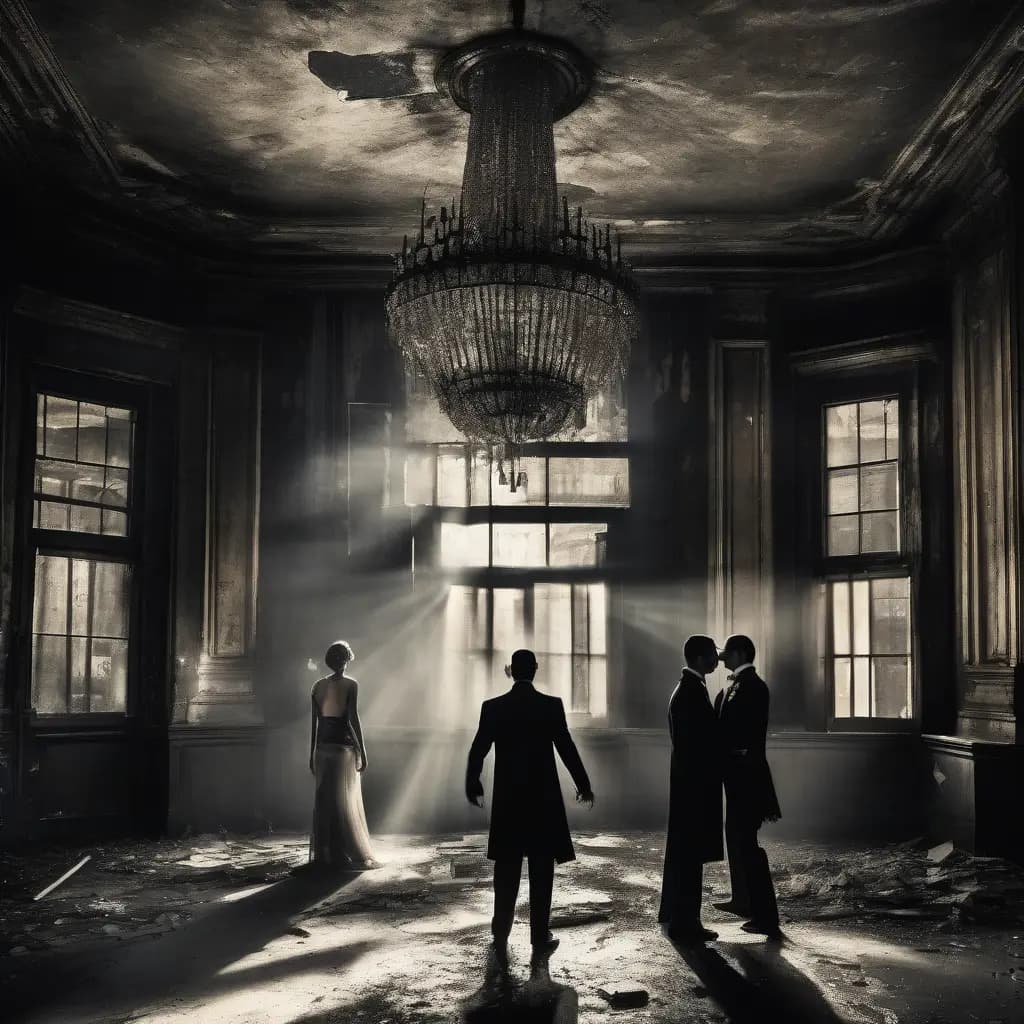
“Explore how the cynical 'High Society' melodramas of the early 1920s dismantled the American Dream, birthing the archetype of the social outcast that defines cult cinema today.”
Before the midnight movie became a sanctuary for the weird and the wired, it existed in the flickering shadows of the 1920s social melodrama. We often view the Jazz Age through a lens of Gatsby-esque glamour—all champagne towers and fringed dresses—but for the discerning historian of the fringe, the era’s true legacy lies in its visceral, often cruel, dissection of the elite. This was the birth of the Gilded Purgatory: a cinematic space where the American Dream didn't just fail; it rotted from the inside out. In these forgotten reels, we find the DNA of the modern cult protagonist—the social renegade who finds grace only after being spat out by the machinery of polite society.
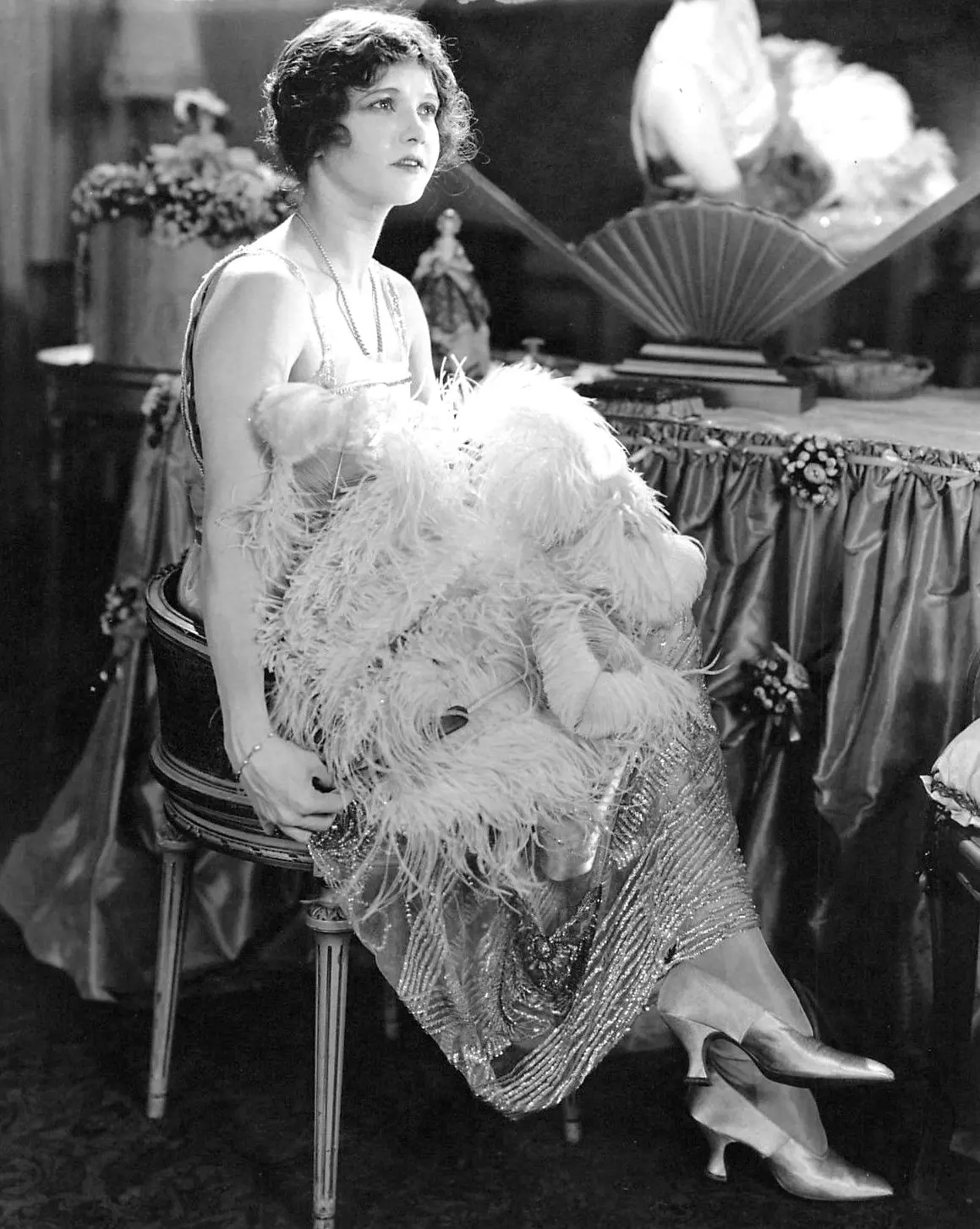
The transition from the 1910s to the 1920s marked a tectonic shift in the cinematic psyche. The Victorian certainty of 'virtue rewarded' was dying, replaced by a jagged, post-war cynicism that viewed high society not as an aspiration, but as a den of vipers. Films like A Little Brother of the Rich (1919) and Wandering Daughters (1923) weren't merely morality plays; they were early transgressive manifestos that celebrated the 'lounge lizard' and the social pariah as the only honest actors in a dishonest world. This is where the cult of the outsider truly began—not in the gutters, but in the rejection of the penthouse.
The Death of the Victorian Idol: Wealth as a Moral Contagion
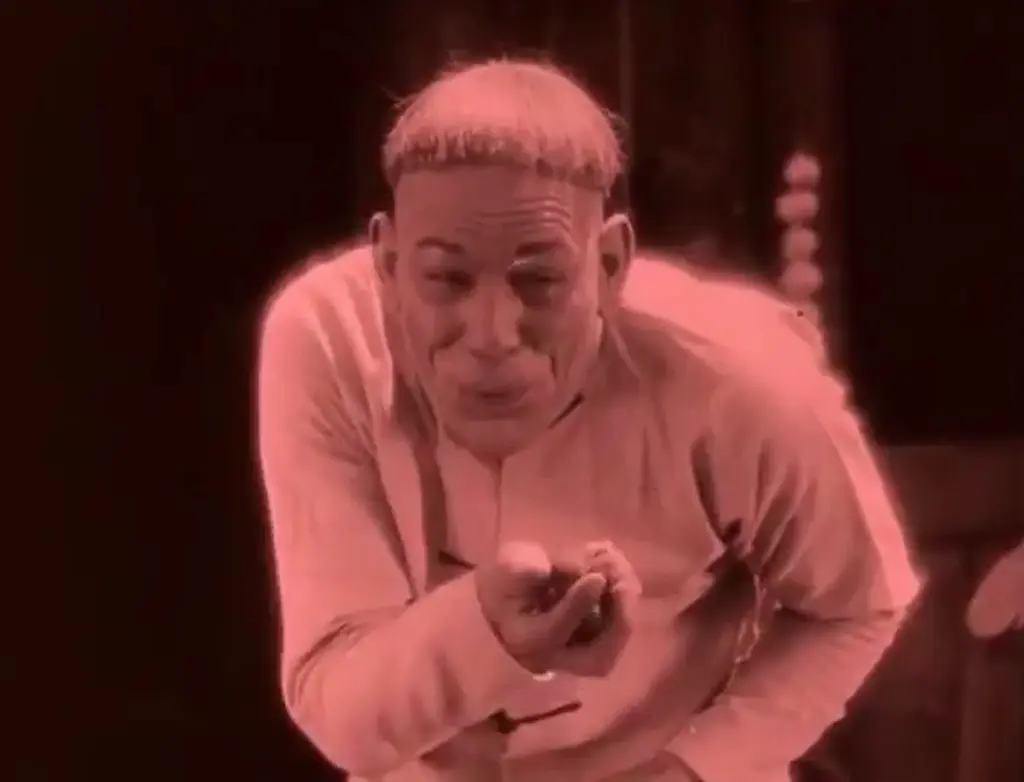
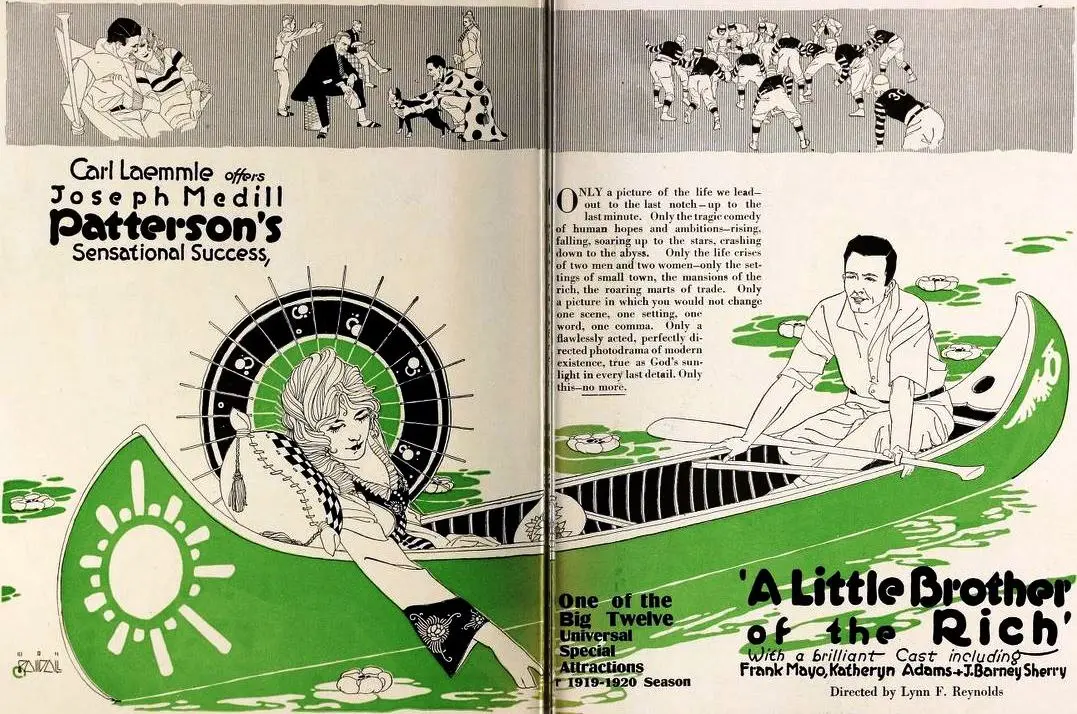
In the early silent era, wealth was often a signifier of divine favor or, at the very least, a reward for hard work. But as the 1920s dawned, a new subgenre of 'social problem' films began to treat affluence as a spiritual leprosy. Take the 1919 production A Little Brother of the Rich. Here, the protagonist Paul Potter is corrupted not by poverty, but by a 'flock of wealthy friends' who encourage him to abandon his hometown values for a flirtatious, married socialite. This isn't just a story of a man losing his way; it is a critique of a class that survives by consuming the souls of the innocent.
This narrative of 'social contagion' is a foundational pillar of what we now recognize as cult cinema. It posits that the 'normal' world—the world of the rich, the powerful, and the established—is fundamentally broken. When we watch modern cult classics that skew the elite, we are seeing the echoes of these 1920s warnings. The 'Gilded Purgatory' was the first time cinema dared to suggest that being 'disinherited'—as seen in Three X Gordon (1918)—was actually a path to salvation. In that film, Harold Chester Winthrop Gordon is barred from his club and his inheritance, only to find his true self in the struggle to 'reform' from his own laziness. The cult of the self-made outlaw starts here.
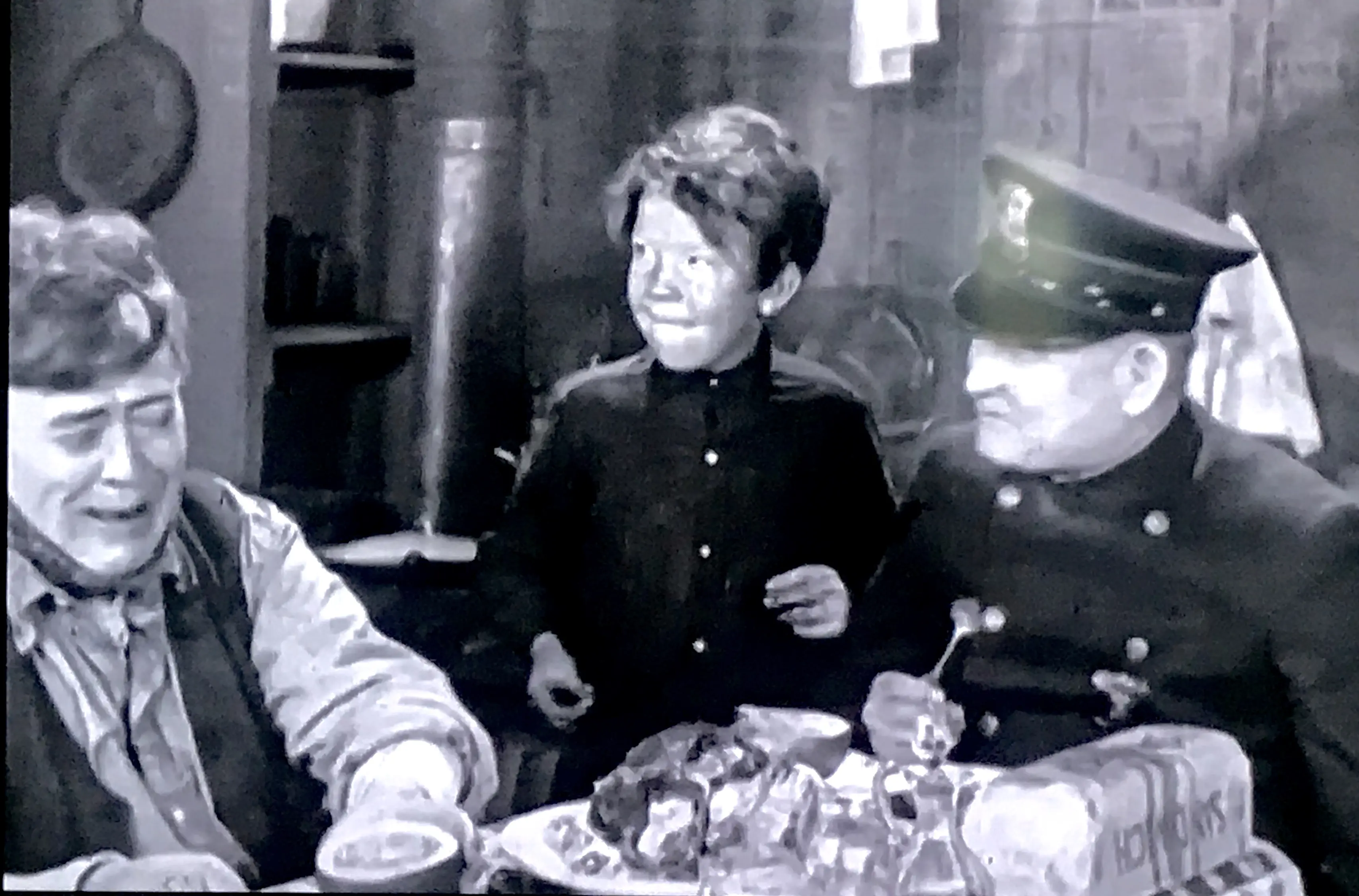
The Jazz Age wasn't a party; it was a wake for Victorian certainty. The 'Gilded Purgatory' films didn't just show us the rich; they showed us the cost of belonging to them.
The Immigrant’s Nightmare: Slum Gothic and the Birth of the Outsider
While the 'High Society' films attacked the top from within, another movement was building the cult aesthetic from the bottom up. The Italian (1915) remains one of the most devastating examples of what I call 'Slum Gothic.' It strips away the myth of the American Dream, showing an immigrant’s search for a better life ending in the 'harsh realities of the New York slums.' This film is a precursor to the gritty, urban nihilism of 70s cult cinema. It understands that for the outsider, the city is a labyrinth designed to crush them.
The power of The Italian lies in its refusal to offer a happy ending. It is a cinematic scream against social inequity, and its 'cult' status among historians stems from its raw, unvarnished look at the immigrant experience—a far cry from the sanitized 'melting pot' narratives of the time. By focusing on the 'pariah' and the 'failure,' these films established the underdog as the ultimate cinematic hero, a figure who would later evolve into the anti-heroes of the midnight circuit.
The Lounge Lizard and the Cult of the Fast Set
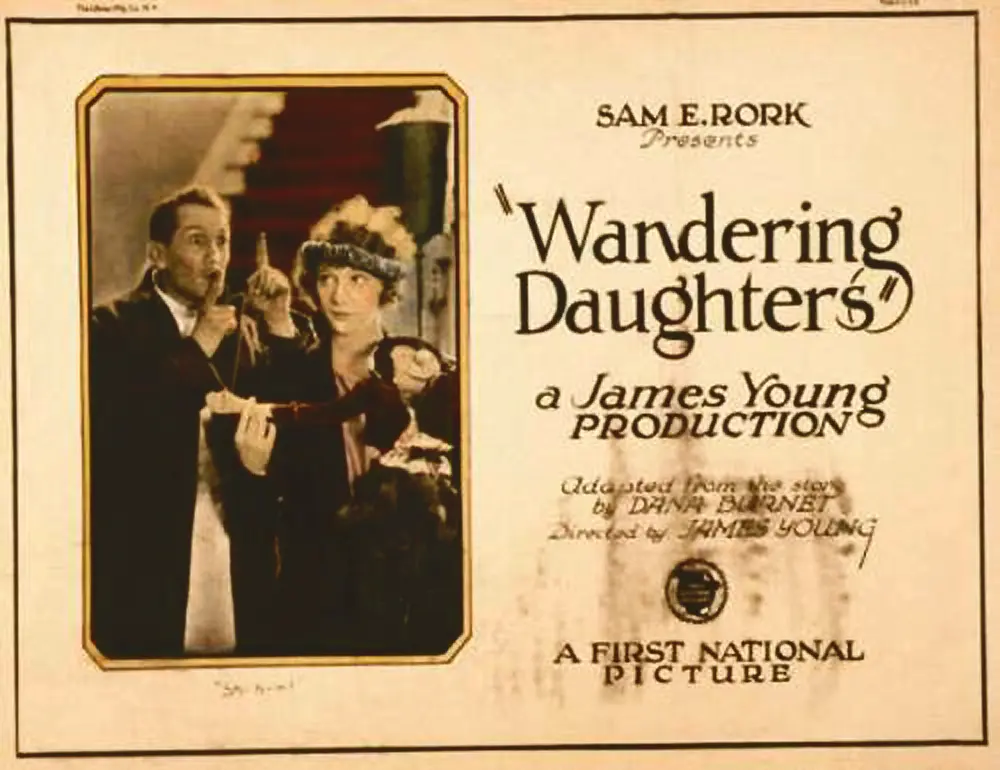
Perhaps no figure in 1920s cinema is as fascinatingly 'cult' as the 'Lounge Lizard.' In Wandering Daughters (1923), we see the clash between 'straitlaced parents' and the allure of the 'fast set.' The character of Austin Trull—the artist and social predator—represents a transgressive magnetism that audiences both feared and craved. This is the prototype of the 'dangerous' love interest, the figure who leads the protagonist into a world of moral ambiguity.
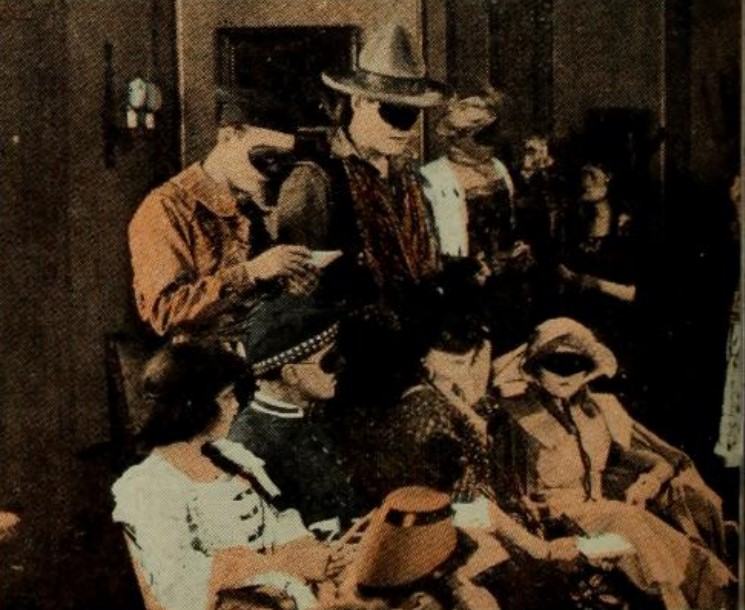
These films captured a specific kind of generational trauma. The youth of the 1920s were the first 'cult' audience; they were looking for reflections of their own rebellion against the suffocating norms of the past. Wandering Daughters isn't just a cautionary tale; it’s a record of a culture in flux, where the 'forbidden' social life of the elite became a playground for exploring identity. The 'fast set' was the first counter-culture, and the films that documented it provided the blueprint for every 'rebel without a cause' that followed.
The Aesthetics of Decadence: Visualizing the Rot
The visual language of these 1920s melodramas was as influential as their scripts. There was an obsession with 'The Might of Gold' (as seen in the 1915 film of the same name)—a visual focus on the textures of wealth: silk, marble, and the cold glint of jewelry. But these textures were often contrasted with the 'Land of Long Shadows' (1917), creating a chiaroscuro of class. The 'Gilded Purgatory' was a place of high contrast, where the brightest lights of the ballroom only served to deepen the shadows of the alleyways outside.
- The use of oppressive, high-ceilinged sets to dwarf the individual (anticipating German Expressionism).
- The 'voyeuristic' camera that lingers on the excesses of the rich, creating a sense of both envy and disgust.
- The recurring motif of the 'mask' or the 'masquerade,' highlighting the performative nature of social status.
Financial Nihilism: Speculation as a Transgressive Act
One of the most modern-feeling aspects of this era’s cinema was its obsession with Wall Street as a site of moral horror. In The Silent Partner (1923), we see George Coburn leave his job as a clerk to become an 'independent speculator.' His wife, Lisa, insists on being his 'silent partner,' and the ensuing drama is a masterclass in the anxiety of the 'get-rich-quick' culture. This isn't just about money; it’s about the soul-crushing volatility of the capitalist machine.
This theme of 'financial nihilism'—the idea that the world is a giant casino where the house always wins—is a recurring trope in cult cinema, from the 1920s to the 1980s. The 'Gilded Purgatory' films recognized that the stock market was a new kind of deity, one that demanded human sacrifices. By portraying the 'speculator' as a figure of both ambition and tragedy, these films tapped into a deep-seated fear of the ephemeral nature of success, a fear that resonates with anyone who has ever felt like a cog in a machine they don't understand.
The Legacy of the Social Outlaw: From Nitrate to Neon
Why does any of this matter to the modern cult film fan? Because the 'Social Renegade' of the 1920s is the direct ancestor of the figures we worship today. Whether it's the disinherited hero of Three X Gordon or the fallen queen in Such a Little Queen (1921)—who flees a revolution only to find herself living in a New York kitchen—these characters embody the 'cult' spirit of resilience in the face of social collapse.
These films taught us that the true 'masterpieces' aren't the ones that uphold the status quo, but the ones that dare to show its decay. The 'Gilded Purgatory' was a necessary stage in the evolution of cinema; it was the moment we stopped looking at the screen for instructions on how to live and started looking for reflections of our own disillusionment. When we watch a film about a social misfit today, we are witnessing a tradition that began with the flickering, nitrate-scented rebellion of the 1920s—a rebellion that found beauty in the breakdown and truth in the trash.
To understand cult cinema is to understand that the 'fringe' is not a place, but a state of mind. It is the refusal to be 'A Little Brother of the Rich' and the courage to be 'The Italian' in a world that wants you to be a 'Silent Partner.' The 1920s gave us the map to this territory; all we have to do is keep watching the shadows.
Community
Comments
Log in to comment.
Loading comments…