
Cult Cinema Deep Dive
The Malachite Mystery: Tracing the Primal Subversions of Cinema's Forgotten First Wave
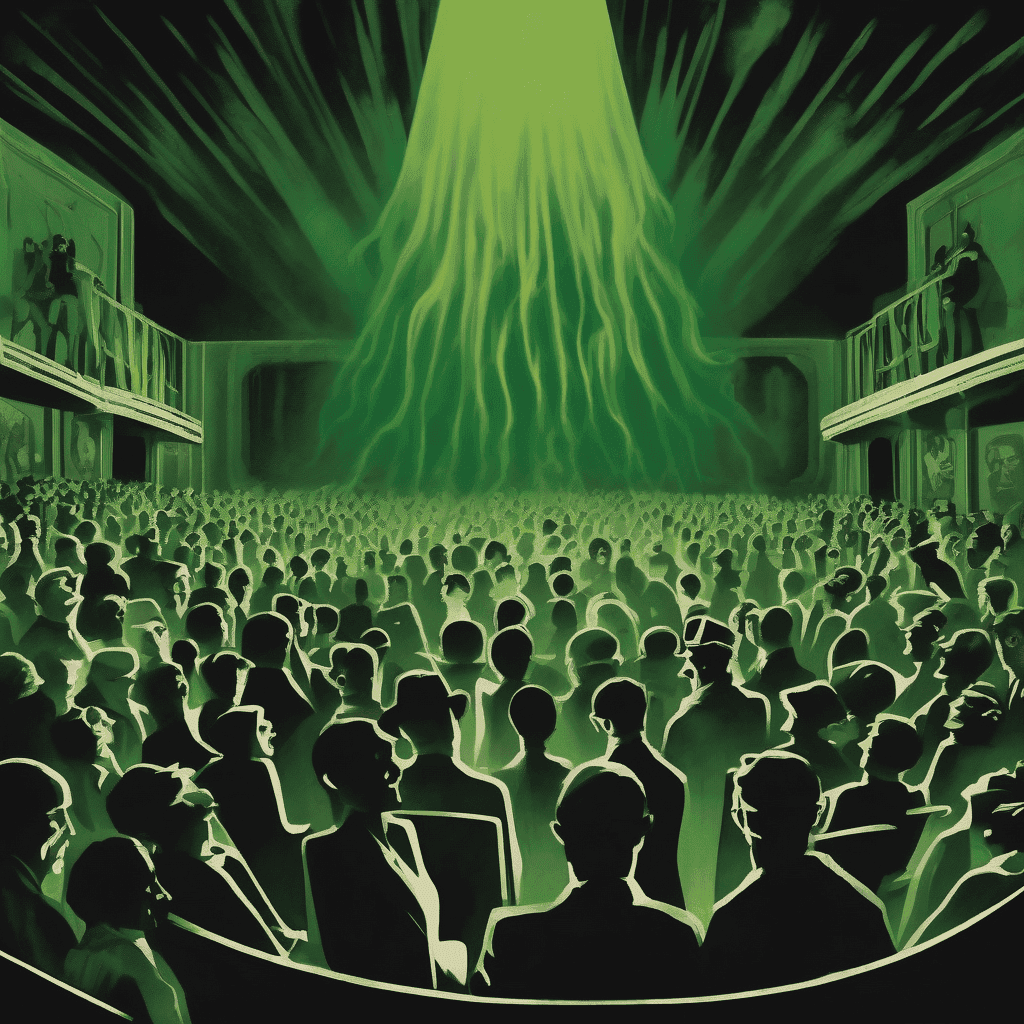
“Explore the transgressive roots of cult cinema through the lens of early 20th-century oddities, where forgotten failures and narrative mutants birthed the modern midnight movie obsession.”
To understand the modern obsession with cult cinema, one must look beyond the neon-soaked midnight screenings of the 1970s and dive into the flickering, nitrate-scented shadows of the early 20th century. Cult cinema is not merely a collection of weird films; it is a psychological relationship between the viewer and the screen—a devotion born from the margins of the industry. Long before the term 'cult film' was coined, the seeds of narrative anarchy and visual rebellion were being sown by mavericks who dared to defy the burgeoning conventions of the studio system. These were the films that didn't fit, the stories that felt too dark, too strange, or too morally ambiguous for the mainstream of the 1910s and 20s.
The Genesis of the Cinematic Outcast
In the early days of the medium, the boundary between 'art' and 'exploitation' was fluid. Directors were experimenting with the very grammar of storytelling, often resulting in films that felt like fever dreams. Take, for instance, the 1920 short Vampire. While the title suggests a literal bloodsucker, the film explores the 'bewitching' power of a female motorist who exerts a total, destructive dominance over men at a resort. This 'vamp' archetype was a precursor to the transgressive anti-heroines of later cult classics. It tapped into a primal fear and fascination that the polite society of the time found deeply unsettling, yet undeniably magnetic.
Similarly, the 1922 animation The Challenge showcased a meta-narrative battle between the Inkwell Clown and his creator. This kind of self-reflexive, fourth-wall-breaking anarchy is a hallmark of the cult aesthetic. It invites the audience into a secret joke, a shared understanding that the reality on screen is a construct that can be dismantled at any moment. This defiance of traditional structure is what draws the 'rebel' fan—the viewer who seeks out the friction between the artist's intent and the audience's perception.
Moral Ambiguity and the Pre-Code Underground
The Crucible of Social Deviance
Many of the films that now serve as context for the cult movement were early attempts to grapple with the darker side of the human condition. The Crucible of Life (1918) and Saints and Sinners (1916) presented narratives where the line between virtue and vice was dangerously thin. In Saints and Sinners, the protagonist Letty is tricked into a scandalous trip to the city, ruining her reputation. These stories of 'fallen' women and moral entrapment provided a template for the 'melodrama-as-transgression' style that would later define the works of cult icons like Douglas Sirk or John Waters.
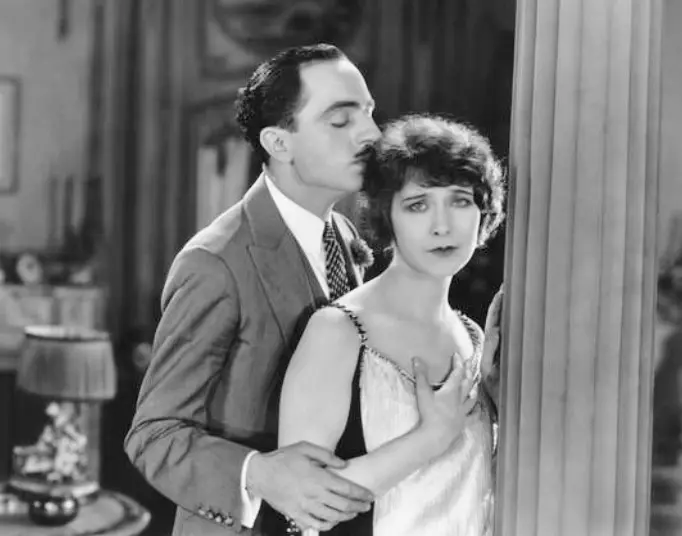
The cult appeal of these films often lies in their unflinching look at failure. In Business Is Business (1915), the wealthy Isidore Lechat believes that commerce is the ultimate reality, only to find his personal life crumbling around him. This cynical view of the 'American Dream' (or its French equivalent) resonated with audiences who felt alienated by the sanitized success stories of the mainstream. Cult cinema has always been a sanctuary for the disillusioned, a place where the 'business' of life is exposed as a hollow pursuit.
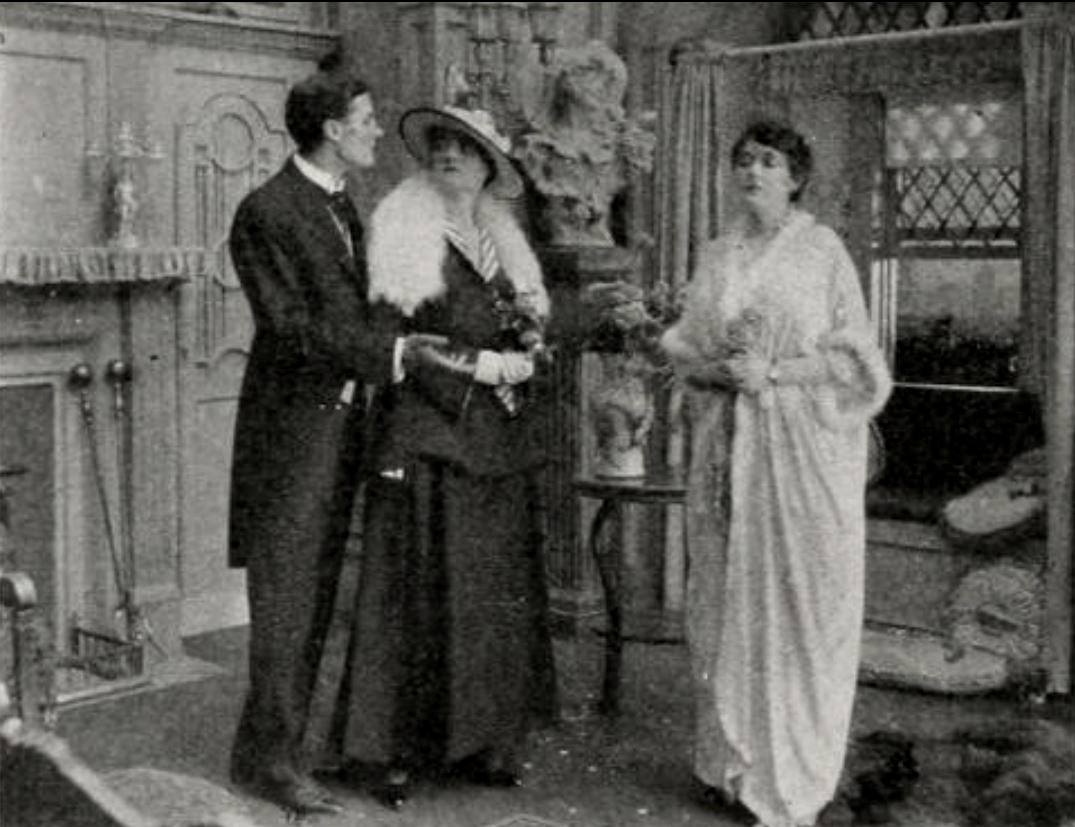
Genre Mutations: The Birth of the Hybrid
One of the most potent drivers of cult status is genre defiance. When a film refuses to stay in its lane, it creates a unique space that demands a specialized audience. L'atleta fantasma (1919) is a fascinating example of this. Predating the modern superhero mythos, it features a character whose adventures are triggered by the possession of a mystical jewel. It blends elements of the mystery, the adventure serial, and the proto-fantasy, creating a cocktail that was perhaps too eccentric for the general public but perfect for the obsessive collector of strange tales.
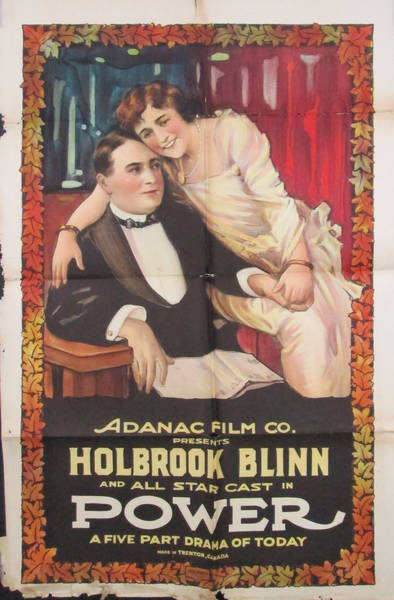
We see a similar mutation in Mistinguett détective (1917), where the famous French dancer takes on the role of a sleuth. This cross-pollination of celebrity culture and hardboiled mystery created a product that felt 'other.' It is this 'otherness' that the cult fan craves. Whether it is the rural comedy-drama of Distilled Love (1920) or the bizarre political satire of William Hohenzollern Sausage Maker, these films represent a time when the rules of cinema were still being written—and frequently broken.
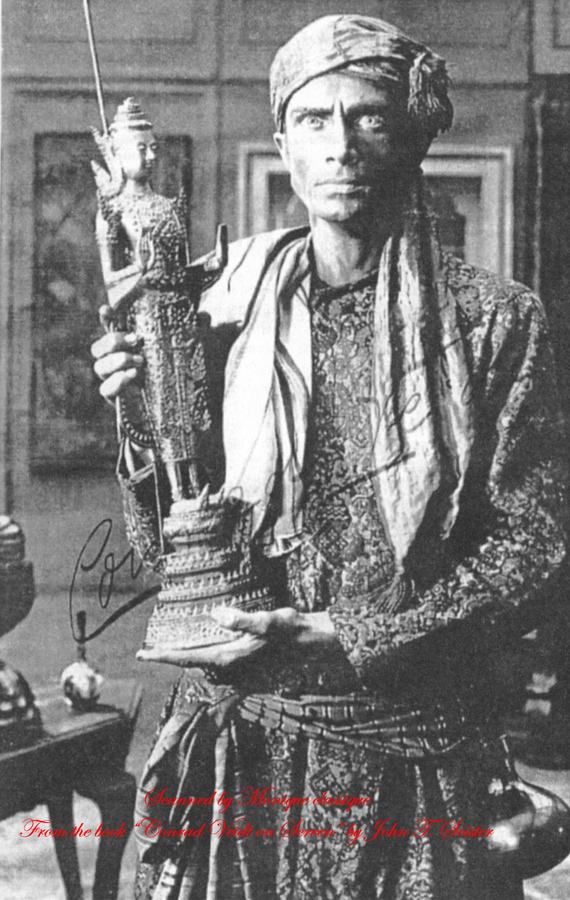
The Geography of the Fringe: From Gypsies to Claim Jumpers
The Allure of the Lawless Frontier
Cult cinema often finds its home in the 'lawless' spaces of the world—both literally and figuratively. The fascination with the 'outsider' is evident in films like An American Gentleman (1914) and Don't Weaken (1920), which feature Gypsies as catalysts for drama and kidnapping. These portrayals, while often rooted in the prejudices of their time, established the 'fringe society' as a recurring trope in cult narratives. The Gypsy camp, the lumberjack settlement in Children of Banishment (1919), or the rugged Western town in The Stranger (1918) all serve as backdrops for stories that exist outside the reach of conventional law.
In Get Your Man (1921), the narrative revolves around claim jumpers and gambling—themes of risk and reward that mirror the very nature of cult film production. These were films made on the edge, often with limited resources, mirroring the desperate lives of their characters. The grit and grime of Down Home (1920), featuring a town drunk and a piano player in an unsavory inn, provided a level of 'basement realism' that mainstream cinema would eventually polish away, leaving the raw originals to be rediscovered by future generations of cult enthusiasts.
Technological Rebels and Narrative Mutants
The technical limitations of the silent era often led to 'happy accidents' that became part of the cult aesthetic. The ghostly double exposures in The Phantom Honeymoon (1919) or the stylized lighting of the German and Italian imports like Il mistero di Galatea (1919) created a visual language that felt supernatural. For the cult viewer, the flaws of the medium—the scratches on the nitrate, the jitter of the frame—are not distractions; they are textures that add to the film's mystique.
Narrative mutation also played a key role. The Brat (1919), which follows an unkempt chorus girl being used as a model for a novelist, explores the voyeuristic relationship between the creator and the subject. This meta-commentary on the act of storytelling itself is a recurring theme in films that achieve longevity in the underground. It challenges the audience to consider their own role in the 'cult'—are they merely observers, or are they, like the novelist, shaping the legacy of the 'brat' on screen?
The Political and the Provocative
We cannot overlook the role of political upheaval in forging the cult psyche. Films like Na krasnom fronte (1920) or Velikiye dni Rossiiskoi revolutsii (1917) were born from the fires of revolution. These weren't just movies; they were documents of a world in flux, often suppressed or lost as regimes changed. The 'forbidden' nature of such films—where the brother is killed in a war between neighboring countries as in War Is Hell (1914)—gives them a weight and a danger that mainstream entertainment rarely touches.
Even the seemingly mundane can become cult when infused with the spirit of rebellion. Shadows of Suspicion (1919) dealt with pacifism during the Great War, a highly controversial stance that marked the protagonist as a 'slacker' or a coward. In the eyes of a cult audience, this character becomes a hero of conscience, a man standing against the tide of history. This re-evaluation of the 'failure' is the core of the cult experience. We take the stones that the builders rejected—the pacifists, the drunkards of Down Home, the 'Lady Partington' imposters of Miss Nobody (1917)—and we build a new temple of cinema around them.
Conclusion: The Eternal Flame of the Misfit
The films of the early 20th century, from the bizarre comedy of Mr. Goode, Samaritan to the tragic destiny of På livets ödesvägar (1913), prove that the cult impulse is as old as the camera itself. We are drawn to these films because they represent the unfiltered subconscious of the medium. They are the experiments that didn't quite work, the stories that were too strange to be forgotten, and the visions that refused to be silenced by the passage of time.
As we look back at the 'Malachite Mystery' of these early reels, we see the blueprint for everything that followed. The midnight movie, the grindhouse feature, and the indie darling all owe their existence to the silent era's original renegades. By celebrating the 'magdalenes of the hills' and the 'debtors to the law,' we keep the true spirit of cinema alive—a spirit that is, and always will be, gloriously, unrepentantly weird.
Community
Comments
Log in to comment.
Loading comments…