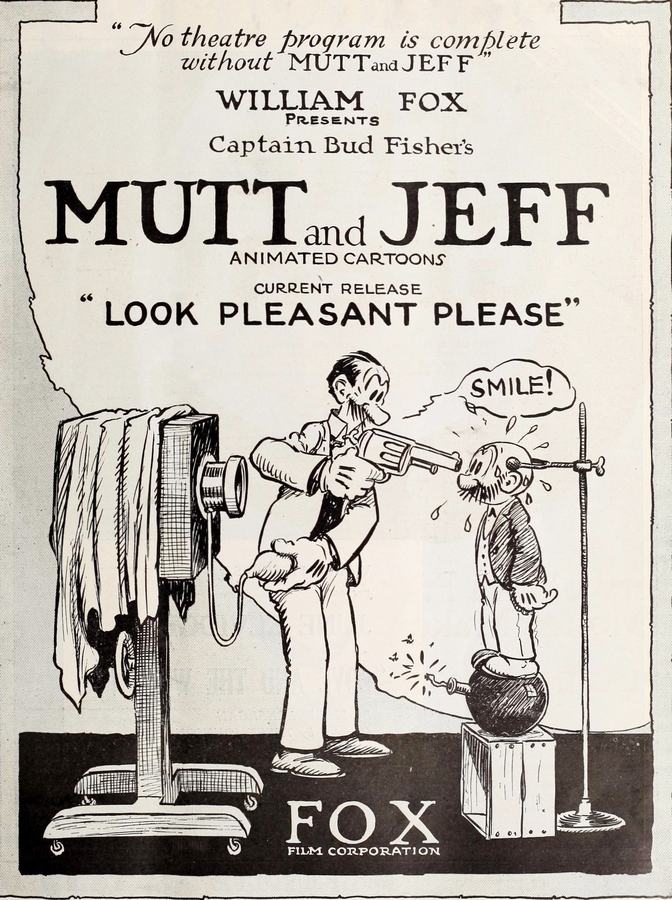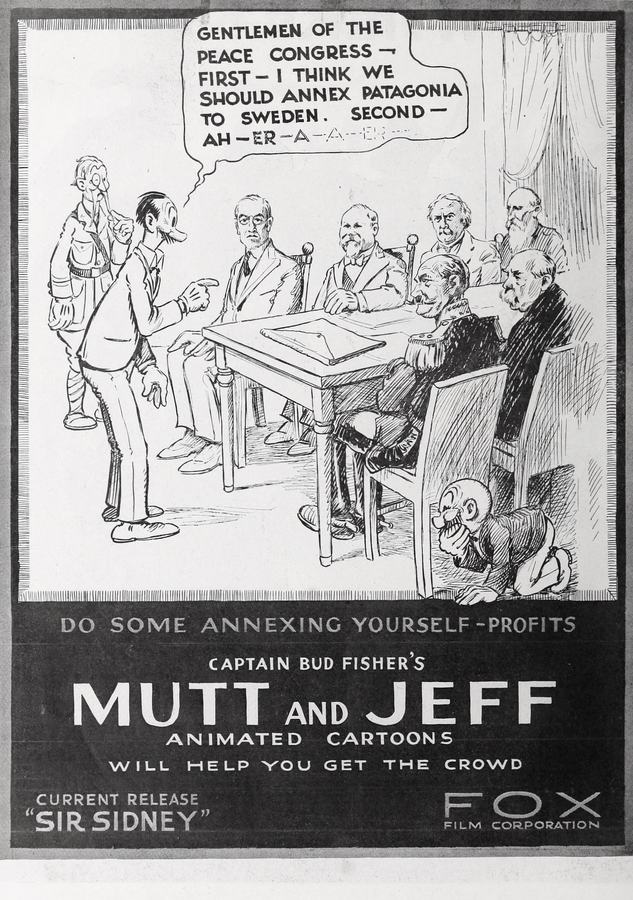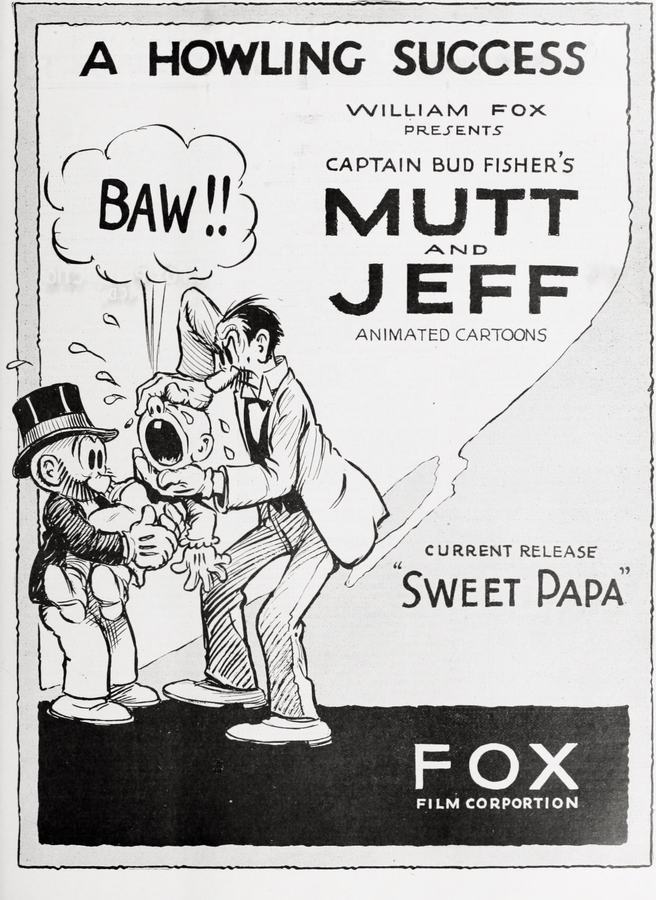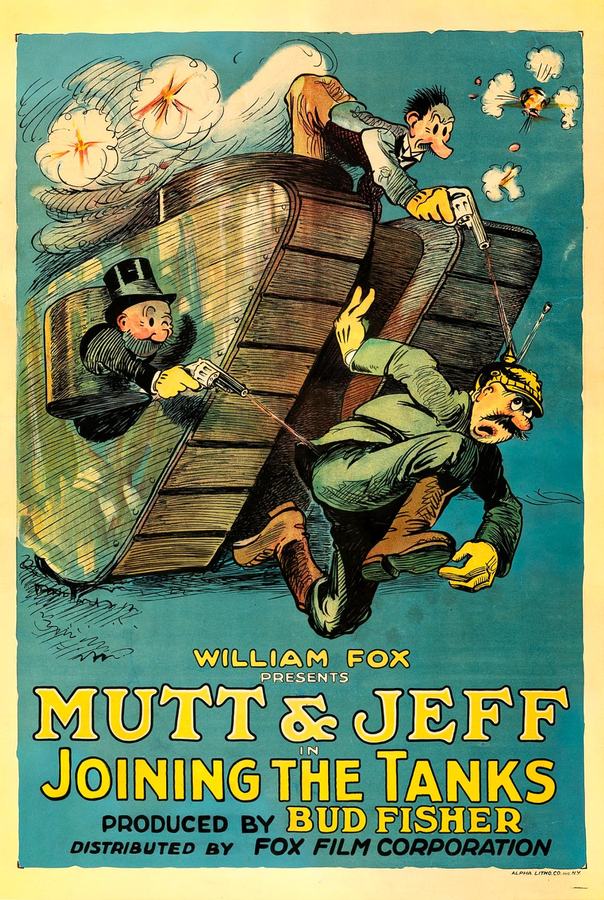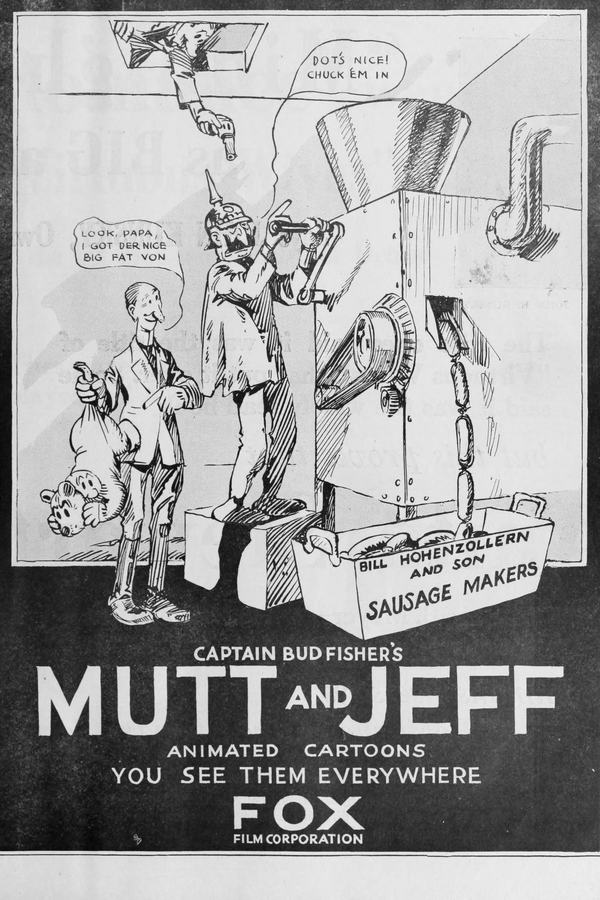
The Inkwell as a Political Guillotine In the immediate wake of the Armistice, the global collective consciousness sought not merely peace, but a specific brand of retributive mockery. Bud Fisher, the titan of the comic strip medium, pivoted from the escapades of his iconic Mutt and Jeff to a more pointed, vituperati...
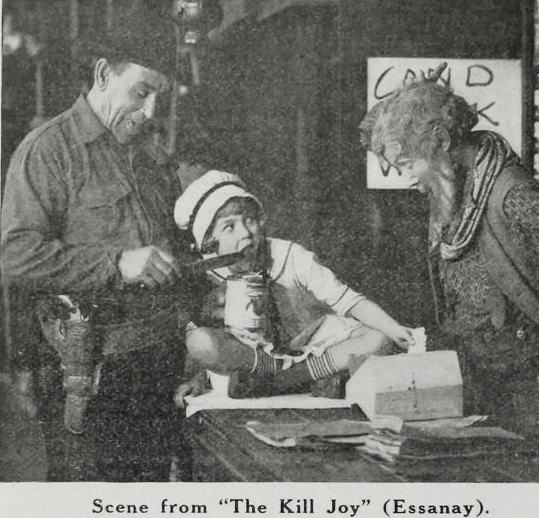
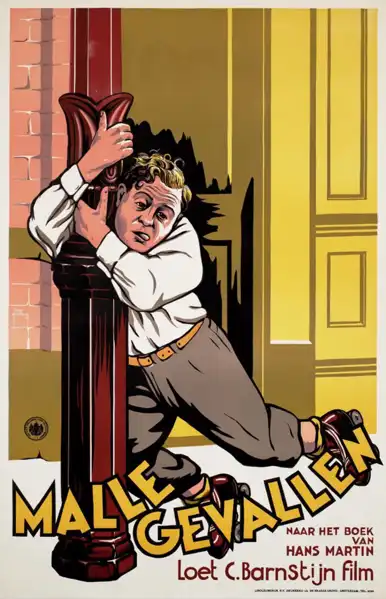
Comparing the cinematic DNA and archive impact of two defining moments in cult history.
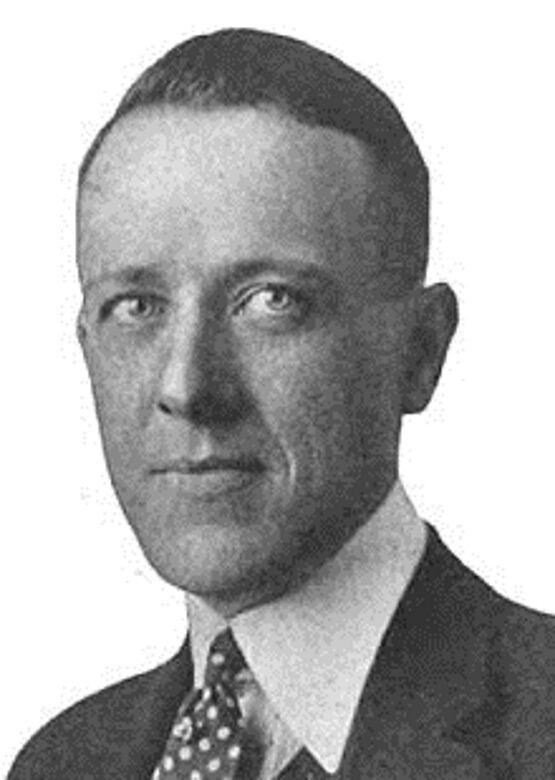
Bud Fisher
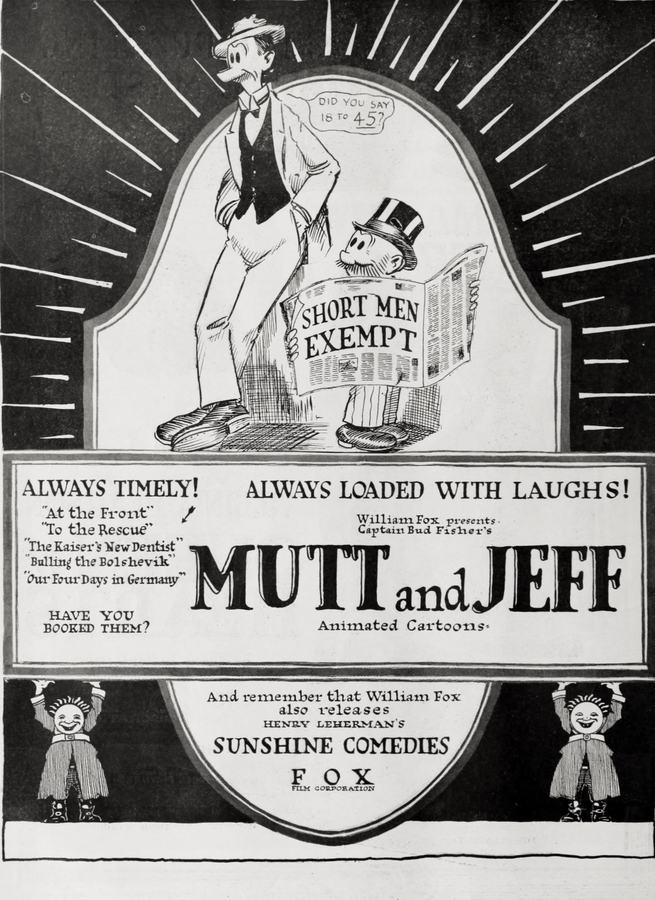
Bud Fisher
Community
Log in to comment.
" The Inkwell as a Political Guillotine In the immediate wake of the Armistice, the global collective consciousness sought not merely peace, but a specific brand of retributive mockery. Bud Fisher, the titan of the comic strip medium, pivoted from the escapades of his iconic Mutt and Jeff to a more pointed, vituperative target in William Hohenzollern Sausage Maker. This 1919 short stands as a fascinating artifact of early cinematic propaganda, yet it transcends simple agitprop through its sheer..."
Deep dive into the cult classic
Discover similar cinematic experiences
A Directorial Spotlight on Bud Fisher