
Cult Cinema
The Maverick's Midnight Cipher: Unlocking Cult Cinema's Enduring Power and Transgressive Soul

“Dive deep into the enigmatic world of cult cinema, exploring how unconventional narratives, outsider characters, and transgressive themes forge an unbreakable bond with devoted audiences, transcending mainstream appeal.”
In the vast, shimmering tapestry of cinematic history, certain films refuse to be confined to the conventional. They exist on the fringes, whispered about in hushed tones, celebrated in clandestine screenings, and cherished by communities that find solace and identity within their unorthodox frames. This is the realm of cult cinema, a fascinating and often bewildering landscape where box office failure can paradoxically pave the way for enduring reverence. More than just movies, these are cultural touchstones, cinematic anomalies that defy easy categorization, yet resonate with a profound, almost spiritual intensity for their devoted followers.
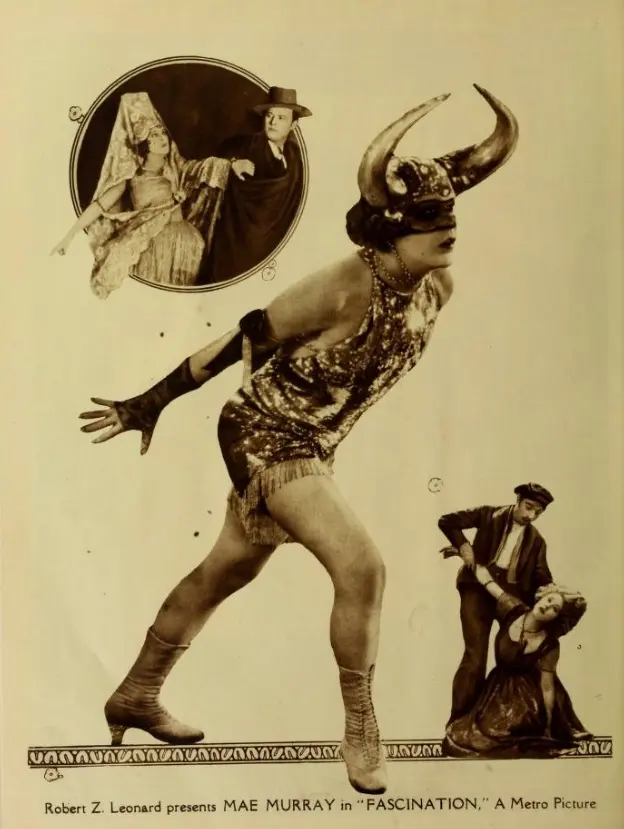
The allure of cult cinema lies in its inherent rebellion against the mainstream. It's a space where the bizarre is embraced, the uncomfortable is confronted, and the unspoken is given a voice. From the earliest days of filmmaking, long before the term 'cult classic' entered our lexicon, there were stories that deviated, characters that challenged, and narratives that dared to be different. These proto-cult films, often born out of necessity, creative abandon, or sheer happenstance, laid the groundwork for a cinematic phenomenon that continues to captivate and confound.

The Genesis of the Unconventional: Seeds of Subversion
Looking back at cinema's formative years, we find numerous examples of films that, while perhaps not explicitly 'cult' in their immediate reception, contained the genetic code of future cult hits. Consider narratives centered around radical transformations of identity, where characters are forced into new skins, either literally or figuratively. The idea of a bewitched garment triggering a complete change of persona, or a pauper exchanging lives with a prince, speaks to a fundamental human fascination with altered states and hidden selves. These early explorations of identity fluidity and the blurring of social lines planted seeds of narrative deviance that would blossom in later decades.

Even seemingly straightforward tales of adventure or romance often harbored subversive undertones. The hero who wins against impossible odds, or the tragic figure caught in a web of forbidden love, frequently embodied a spirit of individualism that chafed against societal expectations. Whether it was a man traversing treacherous landscapes to secure a hidden fortune, or a woman escaping an abusive life only to find herself entangled in new dangers, these characters were often outsiders by circumstance or choice. Their struggles, though perhaps framed within a conventional genre, resonated with audiences seeking stories beyond the predictable.

Embracing the Fringe: Characters That Defy Definition
A cornerstone of cult cinema is its magnetic attraction to characters on the fringe. These are the misfits, the rebels, the misunderstood souls who refuse to conform to societal norms. Early films, even those with comedic intent, often highlighted these figures. Think of an ambitious goat trying to find its career niche, or a bumbling delicatessen owner whose flirtations land him in constant trouble. While played for laughs, these characters represent a yearning for autonomy and self-expression, a desire to break free from the mundane.
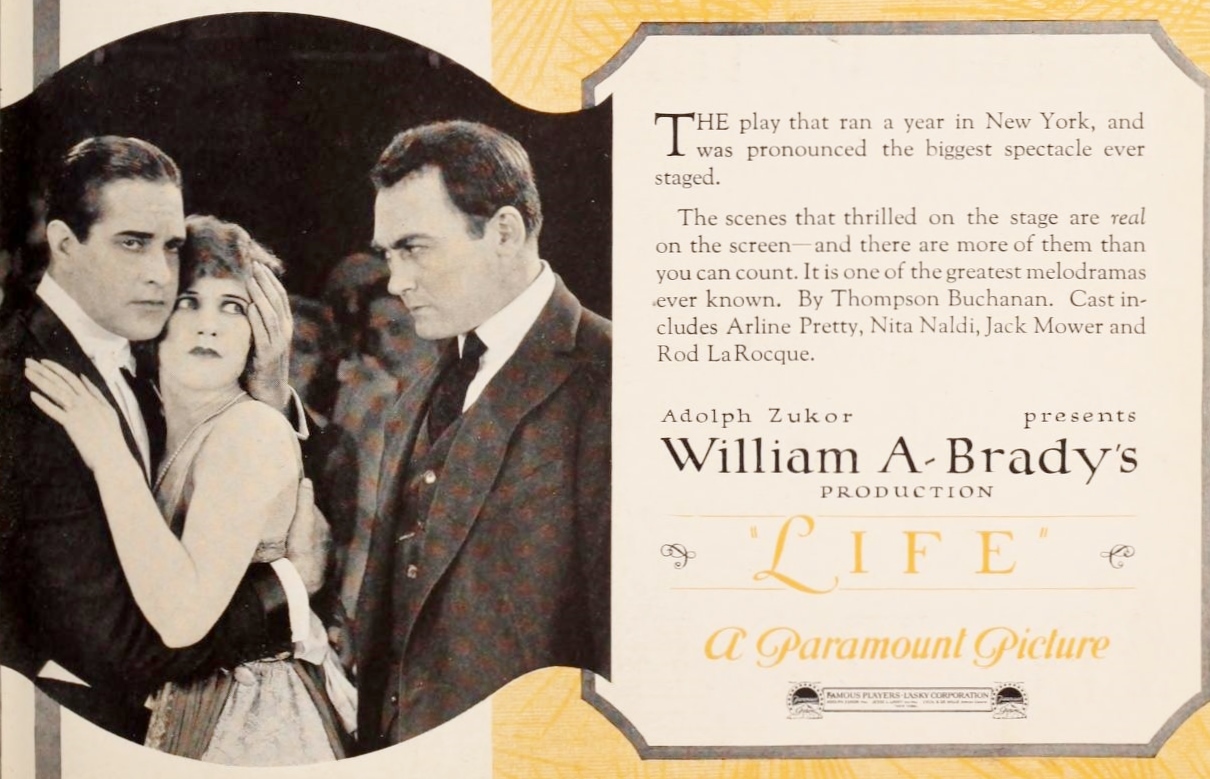
The more dramatic narratives delve deeper into the psyche of the outsider. A spoiled rich girl forced to survive in the slums, or a young man falsely accused who flees his home, exemplify the profound impact of social displacement and injustice. These stories resonate because they mirror anxieties about belonging and acceptance. The audience, often feeling like outsiders themselves in a world of curated perfection, finds a profound connection with these cinematic pariahs. They see their own struggles for identity reflected in the desperate fight for survival or the quest for vindication.

Narrative Anarchy: The Power of the Unconventional Plot
Cult films rarely follow a neat, three-act structure designed for mass consumption. Instead, they often revel in narrative anarchy, embracing unconventional plotlines, abrupt shifts in tone, and ambiguous endings. This departure from formulaic storytelling is a key factor in their enduring appeal. Consider films where a pastor leads a life of crime, or a wealthy man's eccentric will dictates a bizarre competition among his nephews. These are not typical narratives; they are bold departures that demand active engagement from the viewer.

The beauty of such unorthodox storytelling is its ability to surprise and provoke thought. When a film challenges our expectations, it forces us to reconsider our own perspectives and biases. Stories involving complex moral dilemmas, like a surgeon perfecting limb-grafting or a man attempting to gain power at any cost, push the boundaries of what is acceptable and what defines humanity. This willingness to explore the grey areas, to present characters who are neither wholly good nor entirely evil, creates a richer, more compelling experience than many mainstream offerings.
Aesthetic Deviance: Visuals That Haunt and Hypnotize
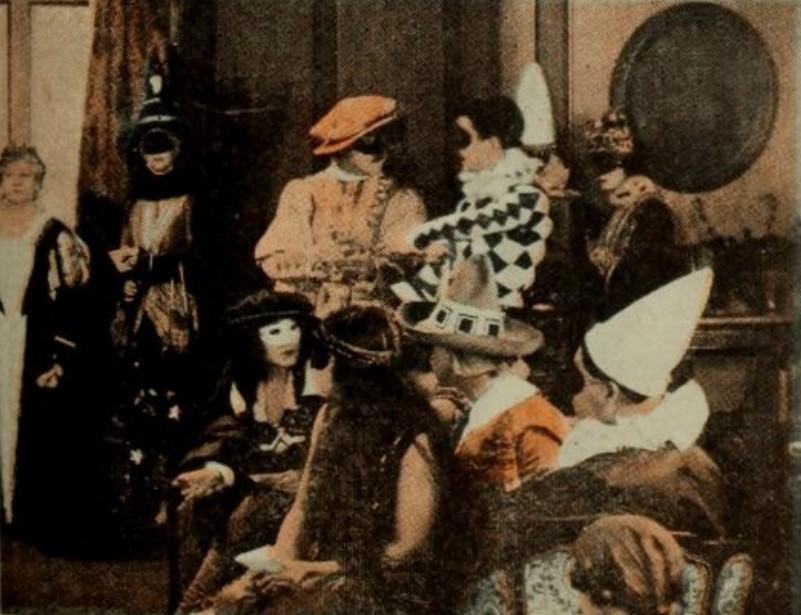
Beyond narrative, the visual and stylistic choices in cult cinema often contribute significantly to its mystique. Whether it's a stark, almost documentary-like portrayal of bird life, or the dramatic sweep of a historical romance, these films possess a distinct aesthetic that sets them apart. Sometimes it's the raw, unfiltered quality of early filmmaking that gives them a unique charm; other times, it's a deliberate choice to employ surreal imagery or exaggerated performances.
The visual language of cult films often feels like a secret handshake, recognizable only to those initiated into its particular sensibility. The dramatic intensity of a crime thriller, the comedic timing of a slapstick short, or the emotional weight of a melodrama — all these elements, when presented with a certain unconventional flair, contribute to a film's cult status. This aesthetic deviance ensures that the film is not just watched, but experienced, leaving an indelible mark on the viewer's imagination.
From Obscurity to Iconography: The Midnight Awakening
Many cult films were not instant successes. They often languished in obscurity, overlooked by critics and audiences alike upon their initial release. Yet, over time, a strange alchemy occurs. Through word-of-mouth, academic re-evaluation, or the advent of home video and dedicated fan communities, these forgotten gems are rediscovered and elevated to iconic status. The journey from fringe curiosity to midnight movie staple is a testament to the enduring power of unique vision.
Consider the films that explore themes of moral ambiguity and social critique. A story about a man whose family rejects his wife due to her background, or a businessman so engrossed in his affairs that he neglects his wife, touches upon timeless issues of class, prejudice, and marital strife. These narratives, perhaps too challenging or nuanced for their original audiences, find new life when viewed through a contemporary lens, allowing new generations to appreciate their depth and relevance. The re-contextualization of these films often unveils layers of meaning that were initially missed, cementing their place in the cult canon.
The Collective Devotion: Building Cinematic Sanctuaries
Perhaps the most defining characteristic of cult cinema is the passionate, almost evangelical devotion of its fanbase. Unlike mainstream blockbusters that are consumed and often quickly forgotten, cult films foster deep, lasting connections. Viewers don't just watch these films; they inhabit them, memorize dialogue, dress as characters, and participate in elaborate rituals during screenings. This shared experience transforms individual viewership into a collective act of worship.
The sense of community built around cult films offers a sanctuary for those who feel alienated by more conventional entertainment. It's a place where eccentricity is celebrated, and a shared love for the bizarre unites diverse individuals. Whether it's the thrill of witnessing a detective unravel a complex murder, the escapism offered by a grand historical drama, or the sheer joy of a comedic short, these films provide a unique bond. They are more than just entertainment; they are a cultural identifier, a badge of honor for those who seek out the profound in the peculiar.
The Enduring Mystique: Why Cult Films Never Die
The enduring mystique of cult cinema lies in its ability to speak to something primal within us. It taps into our fears, our desires, our anxieties, and our yearning for authenticity in a world that often feels superficial. These films, whether they depict the struggles of a peddler saving pennies, the complexities of a divorce, or the moral quandaries of a man seeking power, offer a raw, unfiltered glimpse into the human condition. They are not afraid to be ugly, beautiful, absurd, or profound, often all at once.
In a media landscape increasingly dominated by algorithm-driven content and focus-grouped narratives, cult cinema stands as a defiant testament to the power of artistic vision and the resilience of niche tastes. It reminds us that true cinematic impact isn't always measured in box office receipts or critical acclaim, but in the depth of connection it forges with its audience. The stories of misfits, rebels, and dreamers, often born from the earliest days of cinema, continue to echo through time, forming an unseen current that flows beneath the surface of popular culture, forever shaping our understanding of what film can be.
Ultimately, cult cinema is a celebration of the extraordinary within the ordinary, the profound within the peculiar. It’s a testament to the fact that sometimes, the most resonant stories are those that dare to wander off the beaten path, inviting a select few to join them on an unforgettable cinematic pilgrimage. These films, inspired by the spirit of early narratives that challenged, entertained, and provoked, continue to unlock a secret cipher within the hearts of those who seek more than just a movie – they seek a mirror, a sanctuary, and a shared madness.
Community
Comments
Log in to comment.
Loading comments…