
Cult Cinema Deep Dive
The Midnight Archeology: Unearthing the Primal Weirdness and Subversive Soul of Cinema's First Misfits
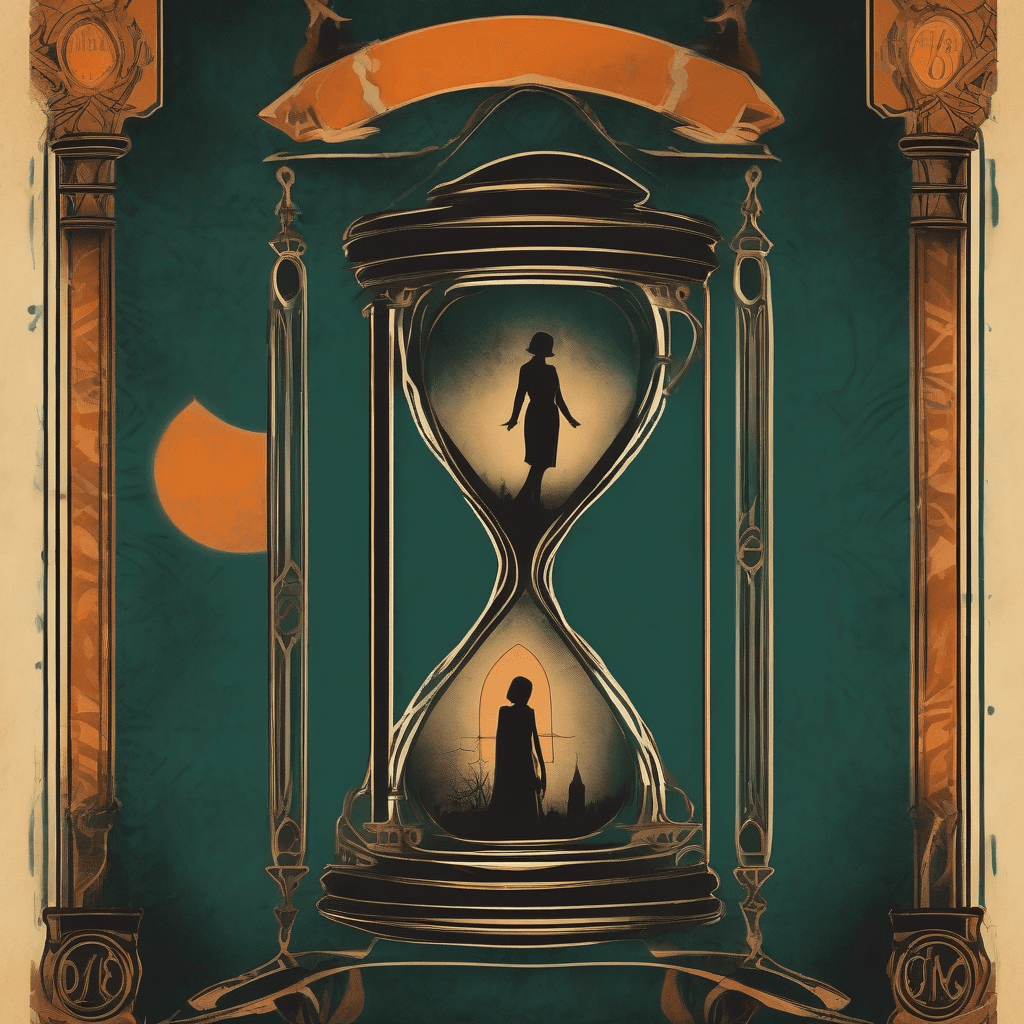
“A deep dive into how the forgotten anomalies of the silent era and early talkies established the transgressive DNA of modern cult cinema.”
The concept of the "cult film" is often relegated to the neon-soaked midnight screenings of the 1970s or the VHS-trading circles of the 1980s. However, to truly understand the magnetic pull of the cinematic outlier, one must look further back, into the nitrate-stained shadows of the early 20th century. This was an era of experimental storytelling, where the rules of the medium were being written in real-time, often by mavericks who dared to explore the fringes of human experience. From the metaphysical dread of early horror to the social defiance of the "fallen woman" drama, these films provided the genetic blueprint for what we now celebrate as cult cinema.
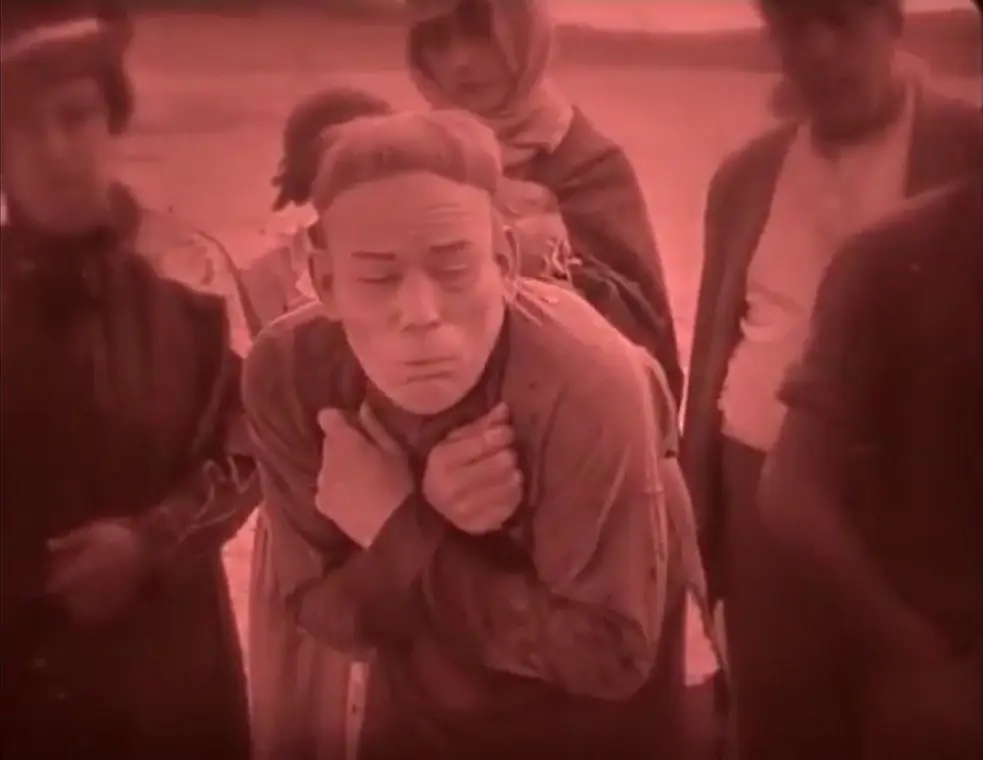
The Occult and the Uncanny: Early Horror's Transgressive Roots
Long before the modern era of psychological horror, filmmakers were already plumbing the depths of the supernatural to unsettle audiences. One of the most striking examples of this is The Mysteries of Myra. This serial didn't just offer thrills; it introduced the "Black Order," a secret organization that utilized magic, curses, and metaphysical assaults to achieve its ends. This obsession with the occult and the unseen forces that govern our world is a hallmark of cult worship. It speaks to a desire to look behind the curtain of reality, a theme that resonates through the decades into films like The Wicker Man or Hereditary.
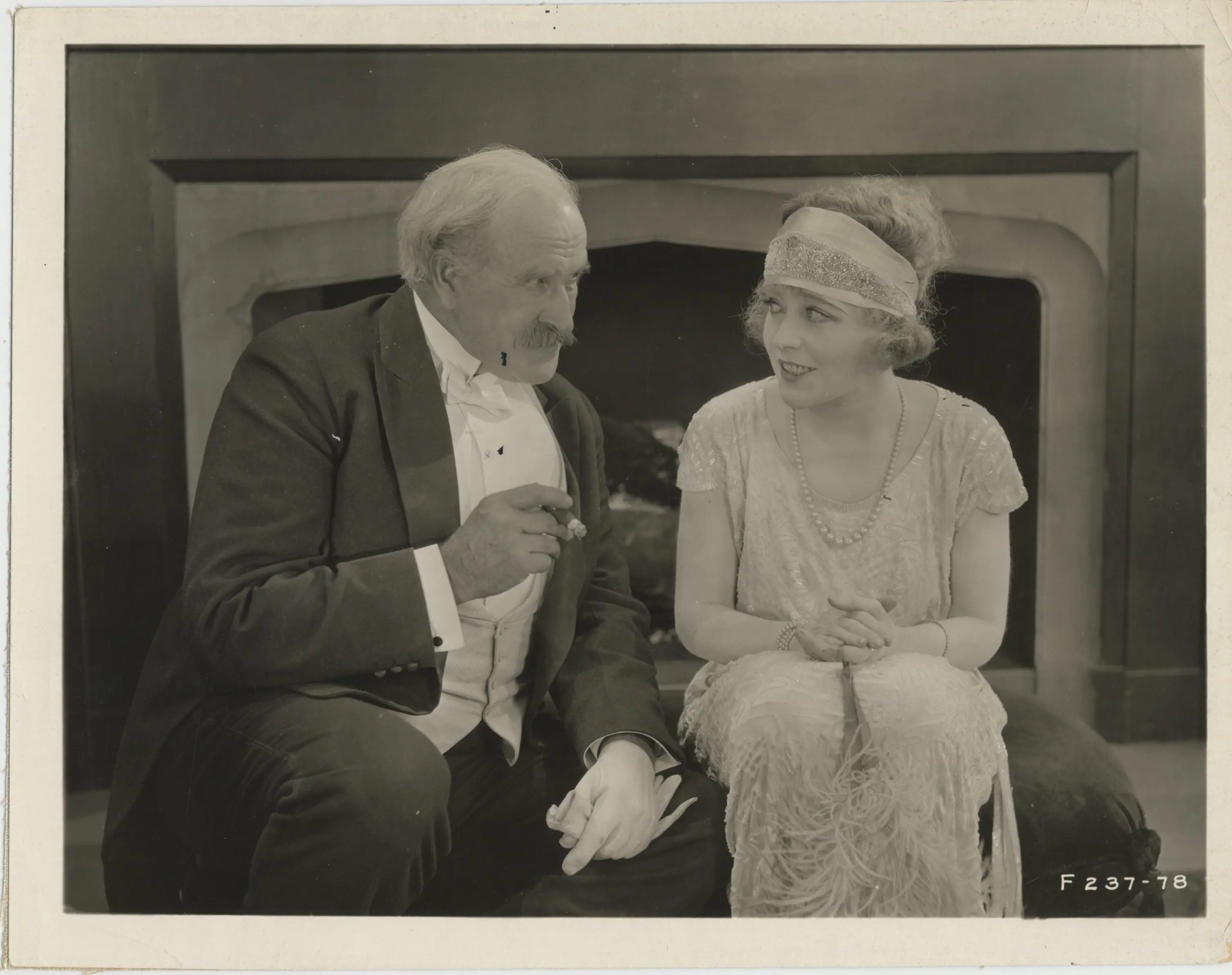
Similarly, The Island of the Lost, an unofficial and loose adaptation of H.G. Wells’ The Island of Dr. Moreau, tapped into the primal fear of man playing God. This narrative of biological transgression and the "mad scientist" archetype established a recurring motif in cult cinema: the rejection of natural order. When we see the creatures and the isolation of the island, we are witnessing the birth of the "body horror" subgenre that would later be perfected by directors like David Cronenberg. These early films weren't just entertainment; they were explorations of the taboo, pushing the boundaries of what was acceptable to show on screen.
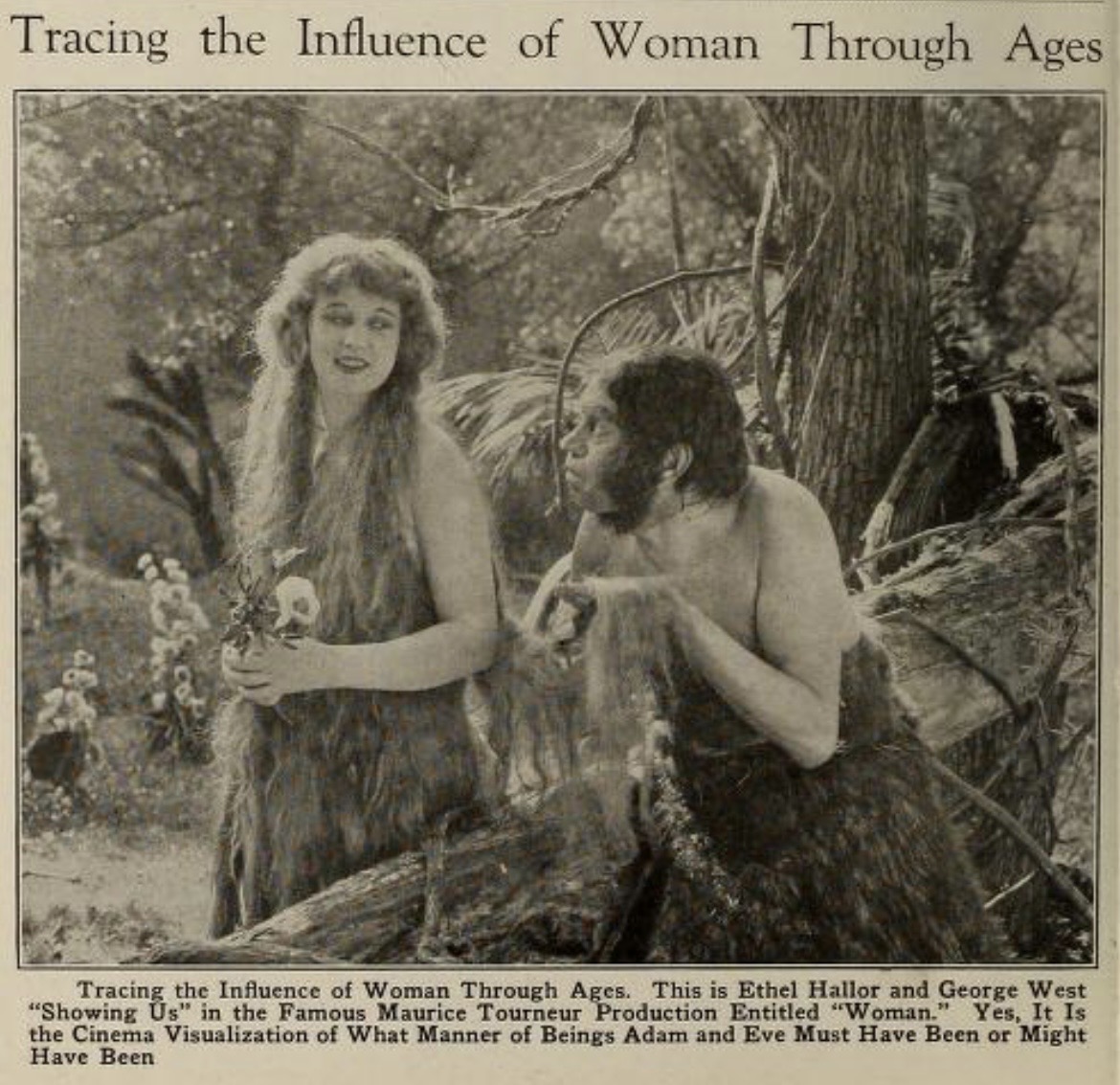
Social Defiance and the Outcast Narrative
Cult cinema has always been a sanctuary for the disenfranchised and the misunderstood. In the early century, this was often expressed through the figure of the "fallen woman" or the social pariah. The Woman Who Walked Alone presents Iris Champneys, a woman forced into a marriage of convenience who finds herself entangled in a web of scandal and seduction. Her journey is one of survival on the fringes of polite society, a narrative that mirrors the experiences of many cult film protagonists who refuse to conform to traditional moral standards.
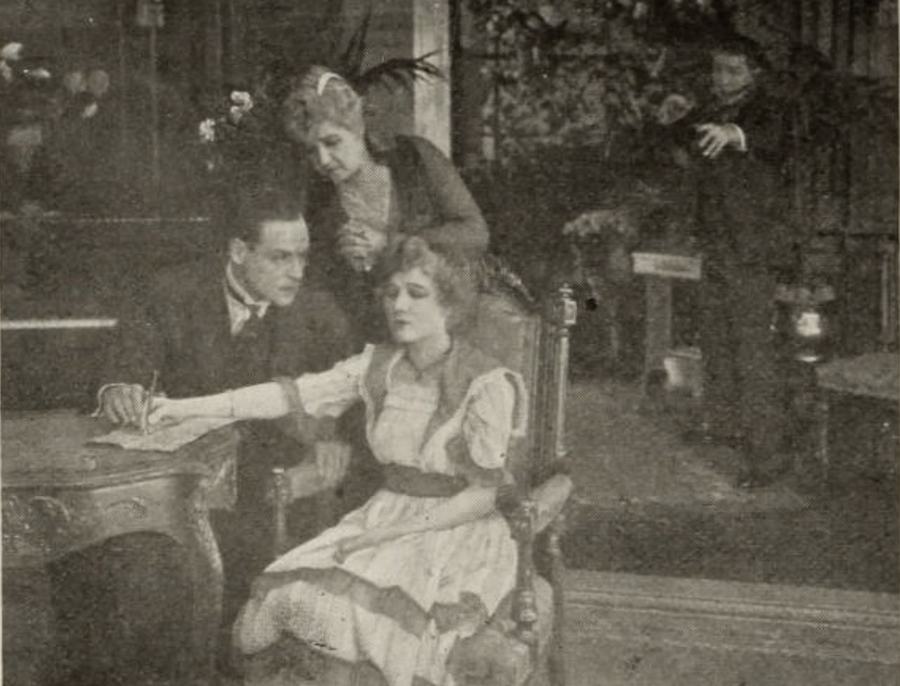
This theme of social rebellion is further echoed in Assunta Spina, a gritty tragedy set in the heart of Naples. The film’s focus on jealousy, betrayal, and the harsh realities of lower-class life offered a stark contrast to the polished melodramas of the time. By centering the story on characters like Assunta and Michele, whose lives are defined by passion and violence, the film paved the way for the neo-realist and gritty cult classics that would follow. It proved that there was an audience for stories that didn't end with a neat moral lesson, but rather with the raw, unresolved ache of human existence.
The Politics of Rebellion: From Domestic to National Upheaval
The subversive nature of early cinema wasn't limited to personal dramas; it often extended into the political sphere. The Fall of a Nation, with its three-act structure and prologue, offered a speculative and often controversial look at a nation’s collapse and eventual uprising. This kind of large-scale political allegory is a precursor to the dystopian cult films of the late 20th century. It invited audiences to imagine the unthinkable, challenging the status quo and questioning the stability of the world around them.
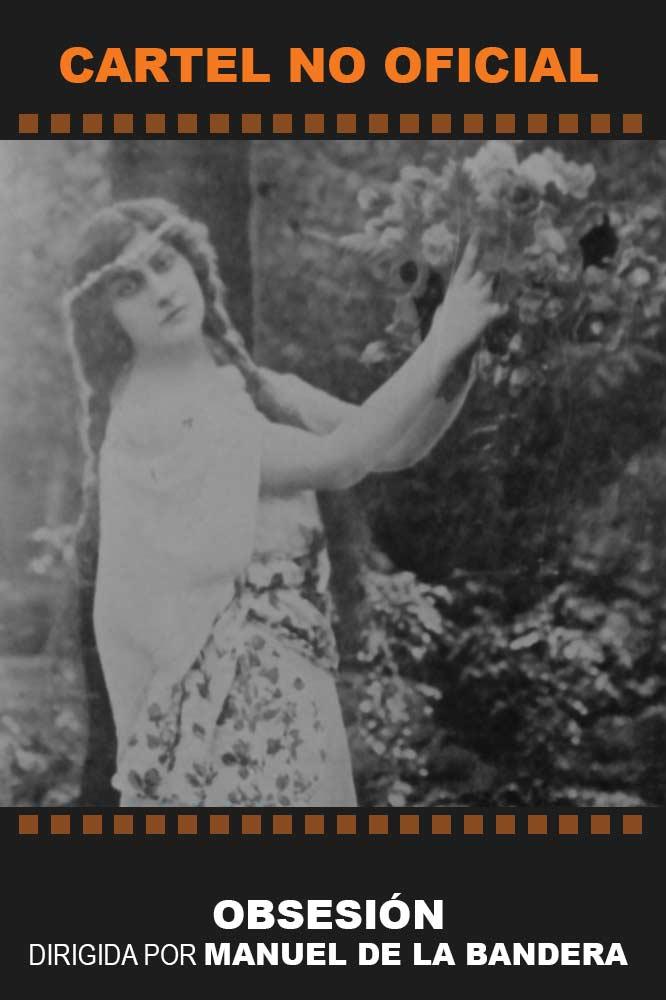
On a more localized level, films like Paz e Amor utilized satire to criticize political leadership, proving that the camera could be a weapon of dissent. This tradition of using film to poke fun at or dismantle power structures is a vital component of the cult ethos. Whether it's through the lens of a Russian peasant girl rising to fame in The World and Its Woman amidst the 1917 revolution, or the industrial struggles depicted in Out of the Darkness, these films captured a world in flux. They spoke to the anxieties of their time, creating a sense of shared understanding among those who felt out of step with the prevailing political winds.
Identity, Duality, and the Psychological Maze
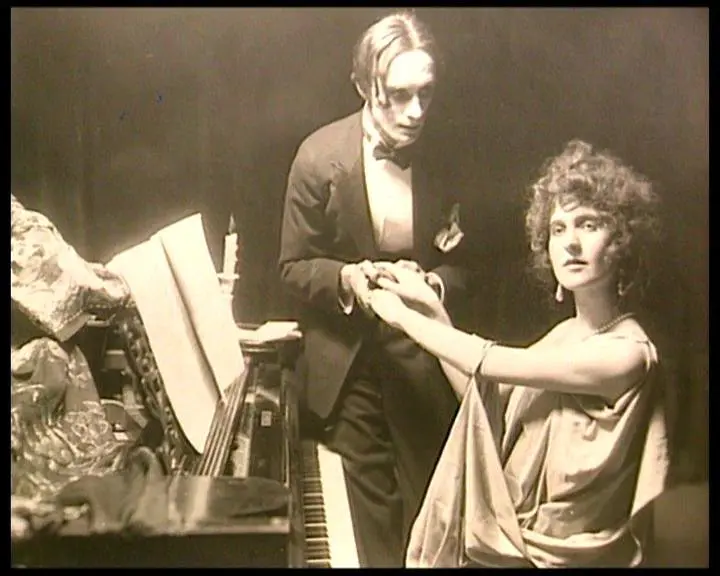
One of the most enduring fascinations of cult cinema is the exploration of the fractured psyche and the duality of man. The Curious Conduct of Judge Legarde provides a fascinating early example of this, where a judge suffers a head injury that fundamentally alters his behavior. This split-personality narrative challenges our understanding of morality and justice, suggesting that the line between the lawman and the criminal is thinner than we’d like to believe. This theme of the "double" or the hidden self is a recurring obsession in the works of cult icons like David Lynch.
The struggle with inherited traits and internal demons is also central to The Family Skeleton, where a wealthy young man fears he has inherited his family’s curse of alcoholism. This internal battle against one's own nature is a deeply relatable struggle that finds expression in many cult narratives. It’s the story of the individual trying to forge their own path despite the weight of their past—a theme that resonates in everything from noir to modern indie dramas.
The Anarchy of the Physical: Comedy and Chaos
Cult cinema isn't always dark and brooding; sometimes, its subversion comes through the lens of absolute chaos and physical absurdity. Buster Keaton’s One Week is a masterpiece of architectural anarchy, where a prefabricated house becomes a surreal trap for a newlywed couple. The film’s rejection of physical logic and its embrace of the "wrongness" of the structure mirror the way cult films often deconstruct traditional narrative form. It’s a celebration of the glitch, the error, and the unexpected.
Similarly, the energetic and often irreverent tone of films like The Married Flapper or Pep captured the spirit of a generation eager to break free from Victorian constraints. These films celebrated the "new woman" and the fast-paced, often reckless nature of modern life. They weren't just comedies; they were manifestos for a more liberated way of being. By embracing the "flapper" lifestyle and the high-speed thrills of race-car driving, these films found a devoted audience among those who felt the old world was too slow and too restrictive.
The Global Fringe: Diversity in Early Cult Expression
The roots of cult cinema are truly global, spanning continents and cultures to find the universal language of the outsider. Die Lieblingsfrau des Maharadscha and Korol Parizha brought exoticism and international intrigue to the screen, often blending genres in ways that defied easy categorization. Whether it was the gambling dens of Paris or the palaces of the East, these films offered a window into worlds that were both alluring and dangerous. This sense of "otherness" is a key component of the cult appeal, drawing in viewers who are looking for something beyond their own mundane experiences.
Even in the realm of the Western, a quintessentially American genre, we find the seeds of the cult aesthetic. The Girl from Frisco, a series of 25 thrillers featuring a justice-seeking cowgirl, subverted the male-dominated tropes of the genre. By placing a woman at the center of the action, these films offered a fresh perspective on the frontier, appealing to those who wanted more than just the standard cowboy hero. This tradition of genre-bending and trope-subverting is what keeps cult cinema alive, constantly reinventing itself for new generations of misfits.
The Enduring Legacy of the Beautiful Lie
As we look back at films like The Beautiful Lie, The White Lie, or The Stolen Kiss, we see the foundation of the cinematic obsession with truth, deception, and the masks we wear. These stories of hidden identities and social masquerades reflect the inherent theatricality of the cult experience. Cult cinema is, at its heart, a performance—a shared ritual between the filmmaker and the audience where the boundaries between reality and fiction are blurred.
Whether it’s the tragic romance of Journey into the Night or the small-town gossip of The Misleading Widow, these early films captured the complexity of human relationships in a way that remains startlingly modern. They understood that the most compelling stories are often the ones that dwell in the gray areas of morality. They didn't shy away from the "luring lights" of temptation or the "restless souls" of those who couldn't find peace in the conventional world.
Conclusion: Why the First Misfits Still Matter
The 50 films referenced here—from the action-packed Get Your Man to the dramatic depths of Babbling Tongues—are more than just historical curiosities. They are the ancestral spirits of the modern cult movie. They remind us that the impulse to create something strange, subversive, and deeply personal has always been a part of the cinematic journey. When we watch a modern cult classic today, we are hearing the echoes of The Killer, The Sultana, and Black Beauty.
In an era of increasingly homogenized blockbusters, the lessons of the early mavericks are more relevant than ever. They teach us that there is power in the fringe, that the most enduring stories are often the ones that were initially dismissed or forgotten. By unearthing this midnight archeology, we reclaim a history of rebellion and innovation that continues to inspire the filmmakers and fans of tomorrow. The cult of the unorthodox is not a modern fad; it is a timeless congregation of those who prefer the shadows to the spotlight, and the strange to the standard.
Community
Comments
Log in to comment.
Loading comments…