
Cult Cinema
The Midnight Blueprint: Unearthing the Genetic Rebellion of Cinema’s First Century of Misfits
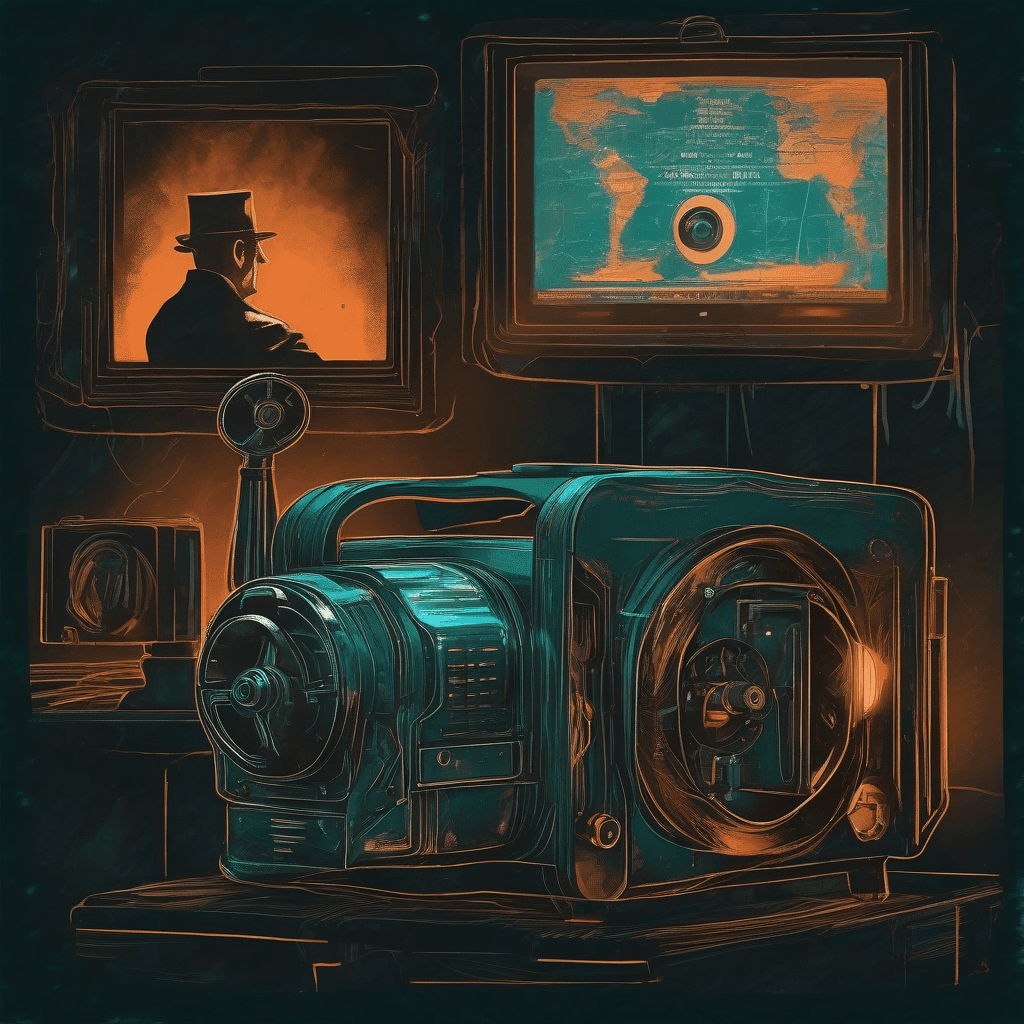
“Explore how the transgressive DNA of early cinema's forgotten outliers paved the way for modern cult fandom through a legacy of narrative anarchy and visual subversion.”
The term 'cult cinema' often conjures images of midnight screenings in the 1970s, the smell of popcorn mixing with the scent of rebellion, and the flicker of 35mm prints that have been seen a thousand times by the same hundred people. However, the genetic blueprint for this devotion was not drafted in the era of disco and neon; it was etched into the very nitrate of the early 20th century. To understand the modern cult phenomenon, we must look back at the maverick spirits of the silent era and the early talkies—films that defied social norms, experimented with visual language, and catered to audiences that didn't fit the mainstream mold.
The Genesis of the Cinematic Outlier
In the nascent days of the film industry, the boundaries of what could be shown on screen were still being negotiated. This fluidity allowed for a radical type of storytelling that would later become the hallmark of cult classics. Take, for instance, The Lioness and the Bugs. While ostensibly an animated short, its comedic experimentation signaled a departure from the rigid structures of early stage plays. This was cinema finding its own voice—a voice that was often loud, eccentric, and unashamedly weird. These early experiments in form were the first steps toward the narrative anarchy that defines cult favorites today.
As the industry matured, so did the complexity of its themes. Films like God's Law and Man's explored the collision of cultures and the ethics of sacrifice, featuring a young English doctor in India who saves a girl from a temple ritual by marrying her. Such stories tapped into a sense of 'otherness' and exoticism that fascinated the fringe audiences of the time. They provided a window into worlds that were both terrifying and alluring, establishing a precedent for the 'transgressive travelogue' style seen in later cult subgenres.
Transgression as a Virtue: The Pre-Code Rebellion
Before the strict enforcement of the Hays Code, cinema was a wild frontier of moral ambiguity. This era produced films that tackled subjects today’s blockbusters might still shy away from. The Miracle of Life (1915) is a prime example. By dealing directly with the themes of pregnancy and the consultation of abortion, it positioned itself as a social problem film that demanded a visceral reaction. This type of 'shock' content is a cornerstone of the cult experience—the idea that a film can show you something 'forbidden' or 'dangerous.'
Similarly, Wife Number Two and The Furnace delved into the psychological rot of the domestic sphere. In Wife Number Two, the boredom of country life and wifely neglect lead to a desperate search for meaning, while The Furnace explores a marriage of convenience that turns into a social whirlpool of exasperation. These films weren't just dramas; they were critiques of the social fabric, resonating with those who felt trapped by the conventions of the time. They are the ancestors of the 'domestic noir' and the 'suburban nightmare' cult films of the late 20th century.
The Social Pariah as Protagonist
Cult cinema has always championed the underdog, the misfit, and the pariah. This tradition is deeply rooted in the silent era's character studies. In Nancy from Nowhere, we see an orphan mistreated as a household drudge who finds an unlikely connection with the son of a wealthy family. It’s a classic 'us vs. them' narrative that fuels the protective passion of a cult audience. We see a similar thread in The Little School Ma'am, where a Virginia teacher is harassed by small-town folk until a young playwright intervenes. These stories of persecution and eventual vindication (or tragic fall) create a powerful emotional bond between the viewer and the screen.
The theme of the 'black sheep' or the family outcast is explicitly explored in His Turning Point. When a family discovers a thief in their midst, the moral fallout becomes a catalyst for drama. This fascination with the 'broken' family unit is a recurring motif in cult cinema, from the gothic horrors of the 60s to the indie darlings of the 90s. It reflects a fundamental truth about cult fandom: it is often a community of people who feel like the 'black sheep' themselves, finding solace in the stories of those who refuse to conform.
Visual Anarchy and the Surrealist Spark
Beyond narrative, the visual experimentation of early cinema laid the groundwork for the aesthetic 'weirdness' of cult films. His Jonah Day is a masterclass in early surrealist comedy. The image of a man being swallowed by a whale, fighting an octopus, and grappling with a palm tree is pure cinematic id. It’s the kind of logic-defying spectacle that would later define the works of Terry Gilliam or David Lynch. It reminds us that cinema, at its core, is a dream machine capable of manifesting the impossible.
The mystical and the arcane also found their way onto the early screen. Venchal ikh satana, with its story of a woman seeking help from a fortune-teller named Sybil, tapped into the era's obsession with the occult. This 'sacred weirdness' is a vital component of the cult DNA. Whether it's the folk horror of the 70s or the neon-drenched mysticism of modern 'elevated horror,' the roots can be traced back to these early silent conjurings. Even international entries like Tepeyac, which blended religious fervor with a contemporary diplomatic thriller, showed how genre-bending could create a unique, localized cult following that transcended traditional borders.
The Maverick Western and the Lone Wolf
The Western genre is often seen as the most 'American' and 'mainstream' of formats, but its early iterations were frequently dark, gritty, and subversive. The One-Man Trail features a protagonist on a cold-blooded mission of vengeance after his father's murder. This isn't the clean-cut heroism of later Hollywood Westerns; it's a precursor to the 'man with no name' and the anti-heroes of the Spaghetti Western era. Similarly, The Double O and The Cowboy Ace introduced characters who lived on the fringes of the law, driven by personal codes rather than societal rules.
These films established the 'lone wolf' archetype—a figure who is perpetually at odds with the encroaching civilization. This archetype is the heart of the cult hero. Whether it's a futuristic wanderer or a samurai without a master, the cult audience gravitates toward characters who exist in the 'edge of the abyss,' much like the title of the 1915 film The Edge of the Abyss, which explored the allure of the brilliant criminal mind over the 'gilded youth' of society.
The Architecture of Devotion
What makes a movie a 'cult' movie is ultimately not just the content on the screen, but the ritual of the audience. This ritualistic devotion often stems from a film's perceived 'failure' or its existence outside the canon. In the early days, films like The Children Pay or A Wall Street Tragedy might have been seen as standard melodramas, but their specific focus on the 'cruelty' of social systems and the 'tragedy' of the common man allowed them to resonate with specific, passionate demographics. They were films that felt 'owned' by their viewers.
Consider the historical weight of The Symbol of Sacrifice (1918). By dramatizing the Anglo-Zulu War, it provided a spectacle that was both educational and intensely visceral. For audiences of the time, it was more than just a movie; it was a communal experience of history and heroism. This sense of 'communal discovery' is what modern cult fans feel when they unearth a forgotten gem like Die Tophar-Mumie or the crime-thriller rhythms of A Daughter of the Law.
The Enduring Legacy of the Fringe
As we look at the vast landscape of early cinema—from the slapstick of Home Talent to the epic scale of Les Misérables, Part 2: Fantine—we see a medium that was never truly 'one thing.' It was always a collection of voices, some of which were destined for the spotlight, and others that were meant to whisper from the shadows. Cult cinema is the preservation of those whispers. It is the acknowledgement that a film like The Hidden Woman, which explores the 'better self' concealed within a frivolous personality, speaks to the human condition just as loudly as any blockbuster.
The maverick heart of cult cinema is a pulse that has been beating since the first hand-cranked cameras began to roll. It is found in the 'wild engine' motorcycle chases of The Hazards of Helen and the romantic yearning of When Paris Loves. It is a legacy of narrative dissidence, visual anarchy, and an unwavering commitment to the unconventional. When we watch a cult film today, we are not just watching a movie; we are participating in a century-old tradition of rebellion—a blueprint of the midnight mind that continues to redefine what cinema can be.
Conclusion: The Eternal Midnight
The journey from the silent fringe to the modern midnight movie is a straight line drawn in nitrate. The early outliers—the misfits of Pants, the dreamers of The Puppet Crown, and the survivors of The Pursuing Shadow—all contributed to a culture that values the unique over the uniform. As long as there are filmmakers willing to venture 'beyond the great wall' of convention, there will be audiences waiting in the dark, ready to turn a forgotten frame into a sacred icon. The blueprint is there, the light is flickering, and the rebellion is just getting started.
Community
Comments
Log in to comment.
Loading comments…