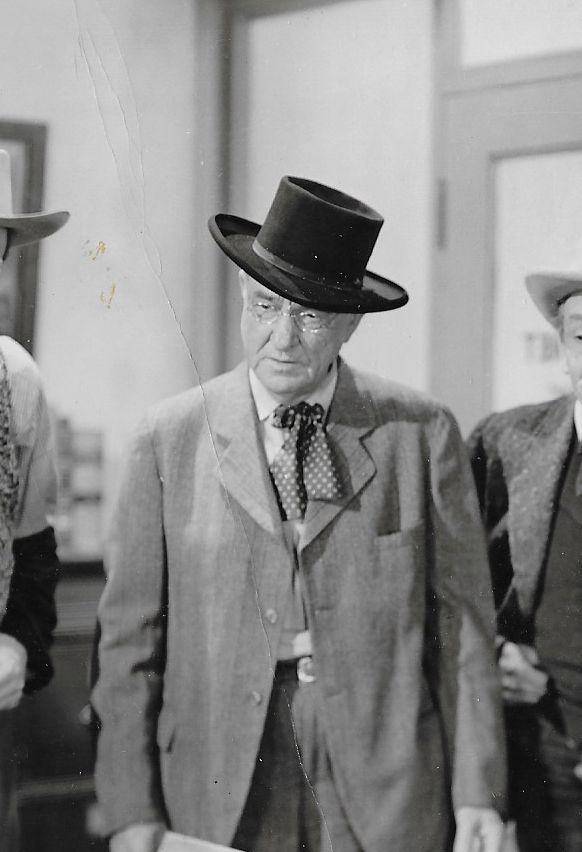
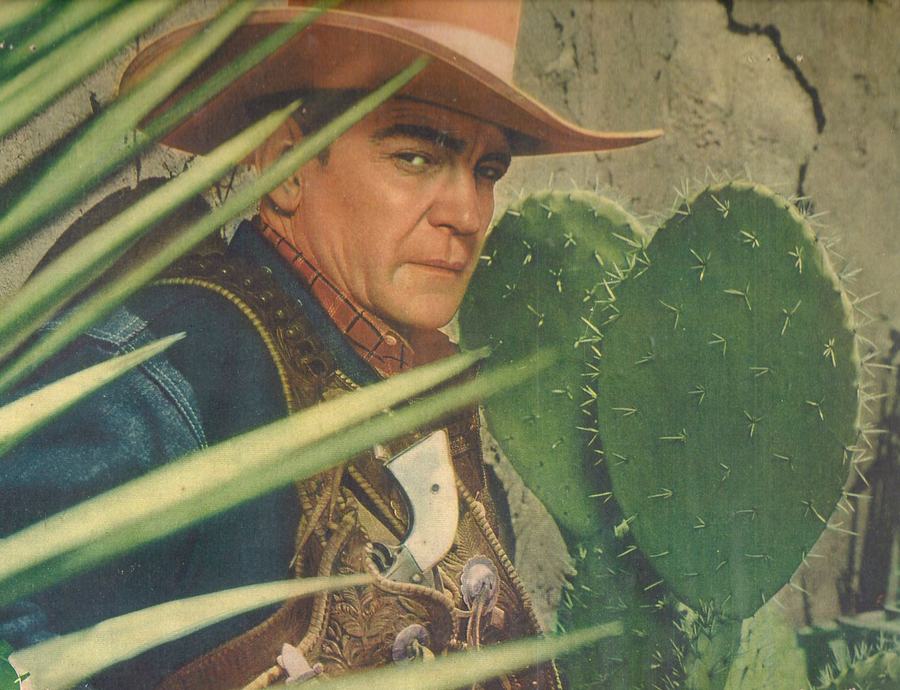
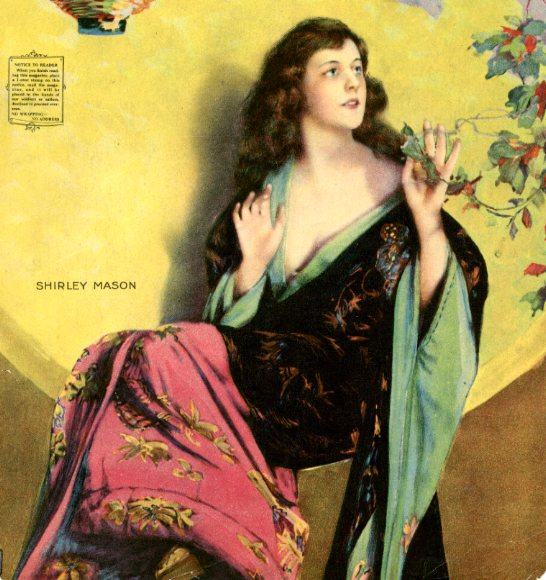
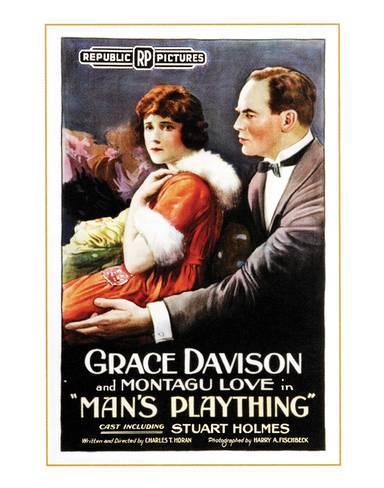
Tom Merrill returns home to find that his father has been murdered by Crenshaw, a gambler whom the father tried to prevent from eloping with his daughter, and embarks on a trail of vengeance. Crenshaw, having taken another name as a saloon owner, tires of Grace and has an eye on Cressy, whose sister Tom saves from drowning.
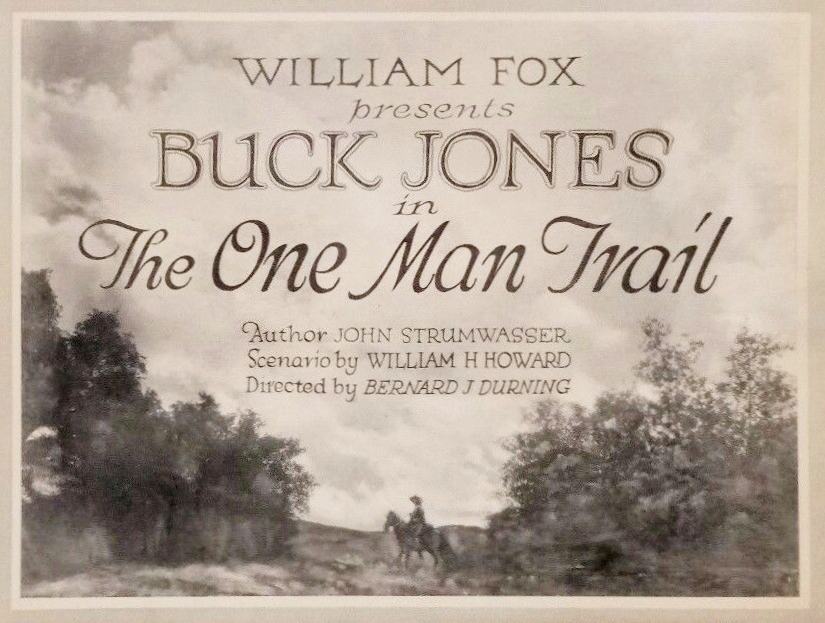
The first time you witness Tom Merrill stride across the frame—sun-creased Stetson tilted like a threat—you realize this is not your standard oater retribution yarn. William K. Howard, still years away from the velvet sophistication of White Zombie and The Trial of Vivienne Ware, here brandishes a visceral austerity ...
Comparing the cinematic DNA and archive impact of two defining moments in cult history.
Bernard J. Durning
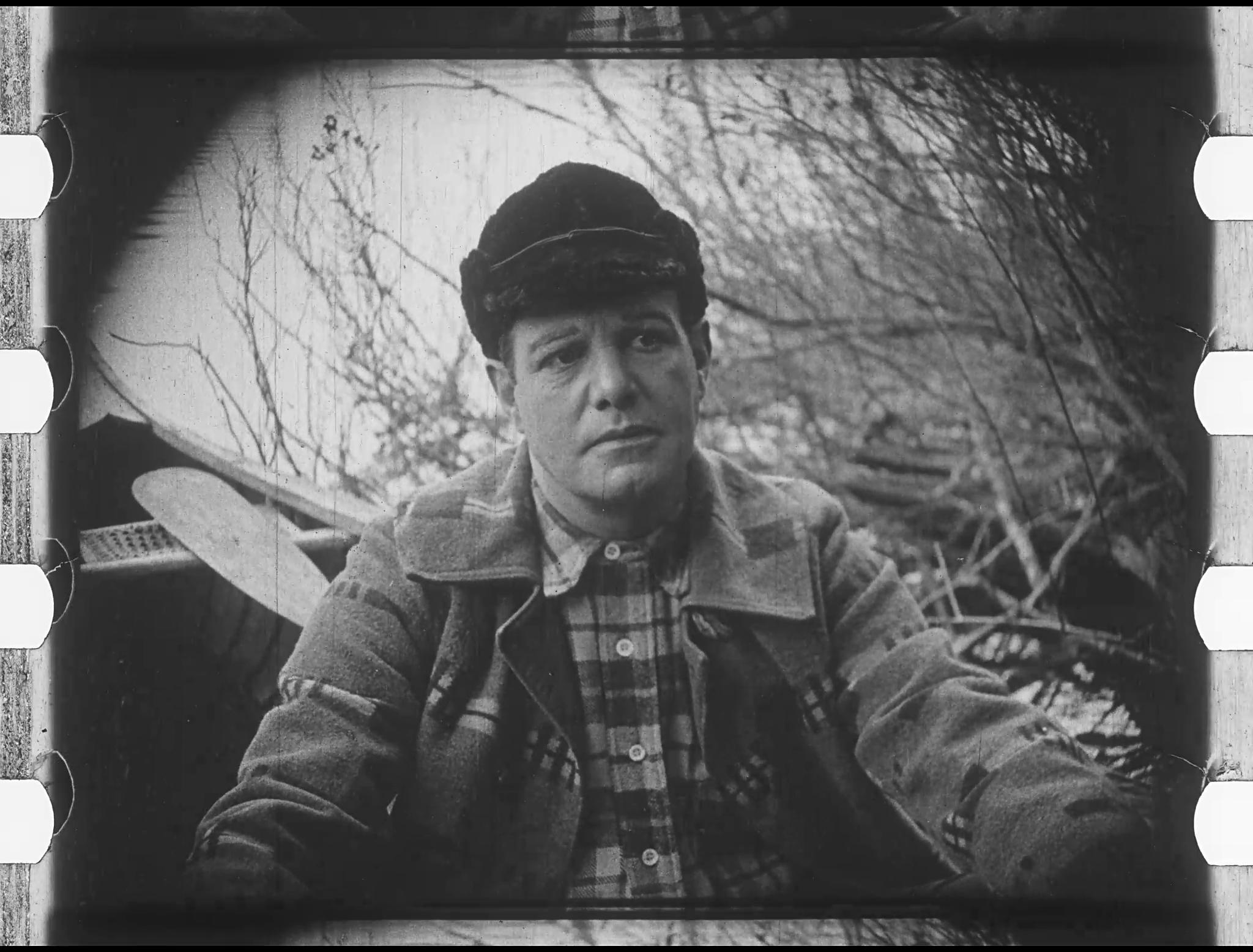
Edgar Jones
Community
Log in to comment.
" The first time you witness Tom Merrill stride across the frame—sun-creased Stetson tilted like a threat—you realize this is not your standard oater retribution yarn. William K. Howard, still years away from the velvet sophistication of White Zombie and The Trial of Vivienne Ware, here brandishes a visceral austerity that feels closer to a bruise than a narrative. Every inch of The One-Man Trail is scraped raw: dialogue cards are terse enough to chip a tooth, the Utah backlot becomes a sepulchr..."
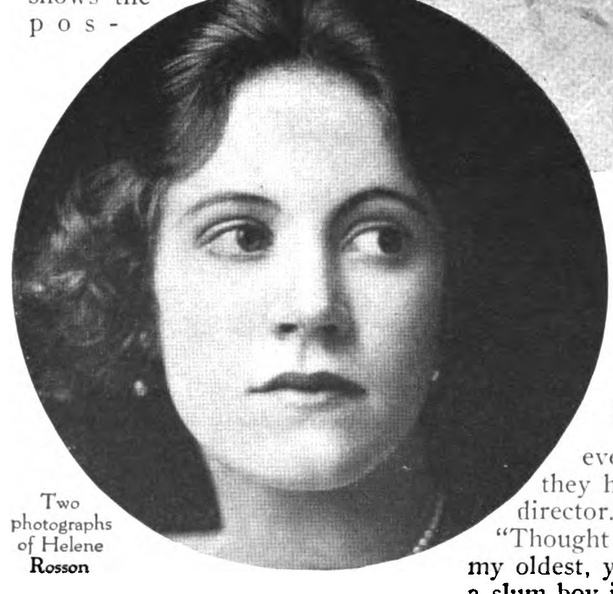
Helene Rosson
William K. Howard, John Stone, Clyde Westover
United States
Deep dive into the cult classic
Discover similar cinematic experiences
A Directorial Spotlight on Bernard J. Durning