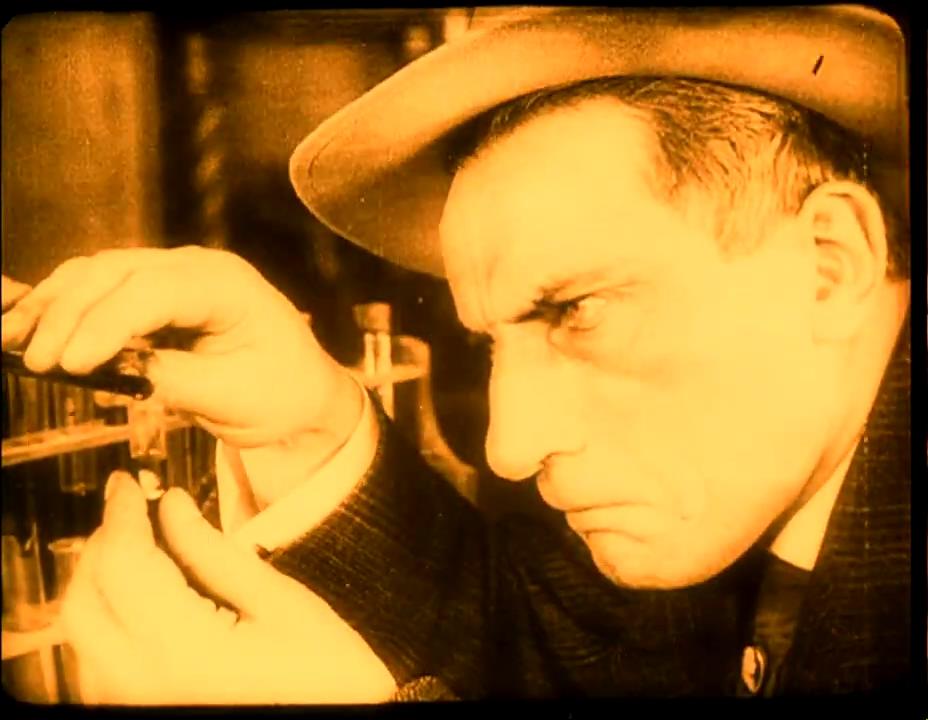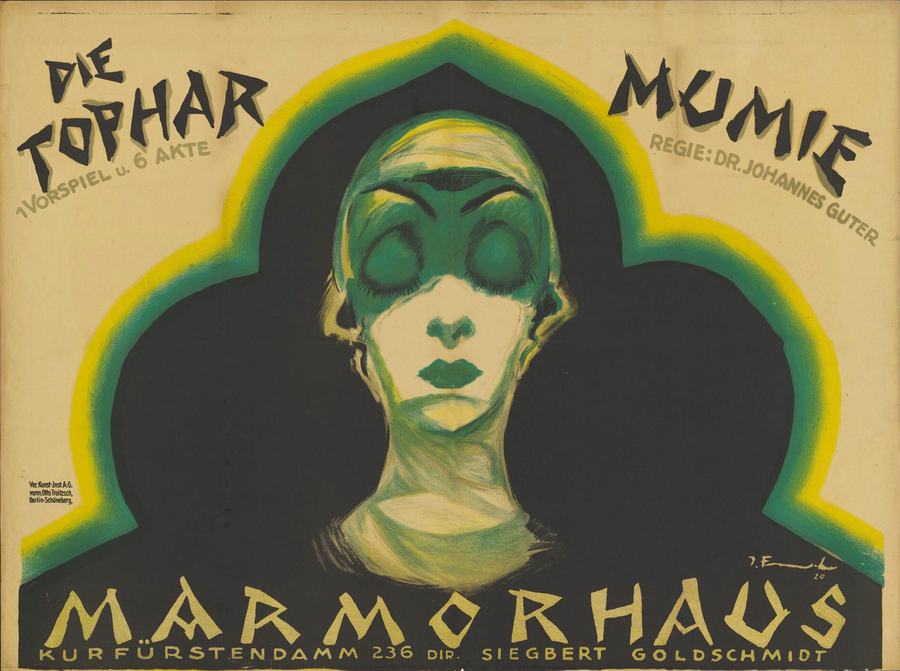
Berlin, winter 1918: the streets rattle with tram bells and revolution, yet inside the Ufa studio someone is lighting torches to film a 3 000-year-old corpse. What emerges is less a story than a séance on celluloid—Die Tophar-Mumie, a title now half-buried in the peat of forgotten Weimar nightmares. I first saw it on...
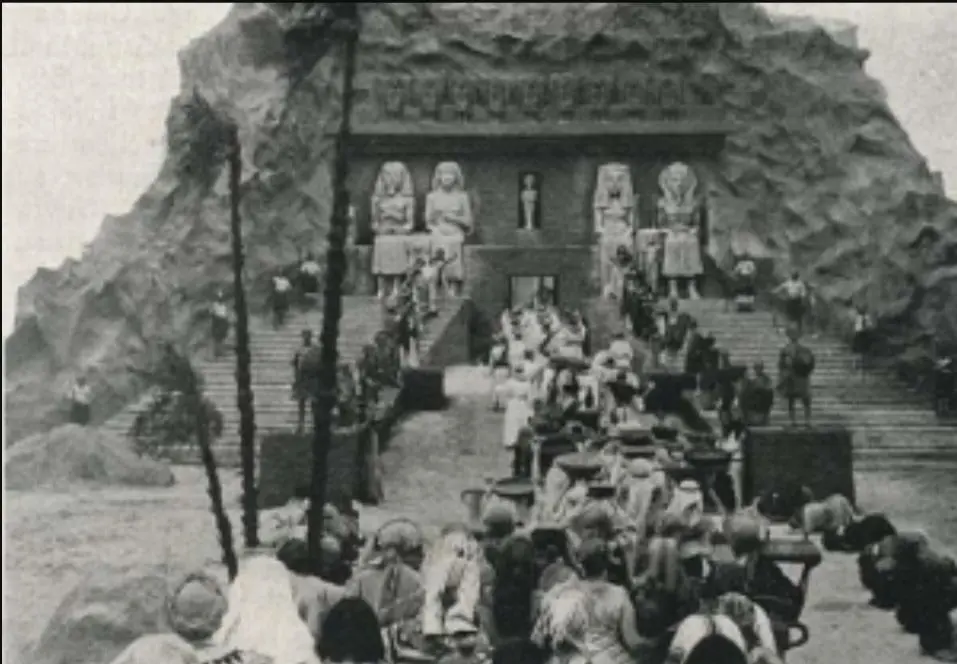
still_frame

Comparing the cinematic DNA and archive impact of two defining moments in cult history.
Johannes Guter
Johannes Guter
Community
Log in to comment.
" Berlin, winter 1918: the streets rattle with tram bells and revolution, yet inside the Ufa studio someone is lighting torches to film a 3 000-year-old corpse. What emerges is less a story than a séance on celluloid—Die Tophar-Mumie, a title now half-buried in the peat of forgotten Weimar nightmares. I first saw it on a 16 mm print that smelled faintly of naphthalene; the projector’s claw kept stuttering, as though reluctant to feed those images back into the world. Ninety-six minutes later I f..."
Albert Bennefeld
Friedel Köhne
Germany

Deep dive into the cult classic
Discover similar cinematic experiences
A Directorial Spotlight on Johannes Guter