
Deep Dive
The Midnight Mosaic: How the Primitive Oddities of Early Cinema Forged the Modern Cult Identity
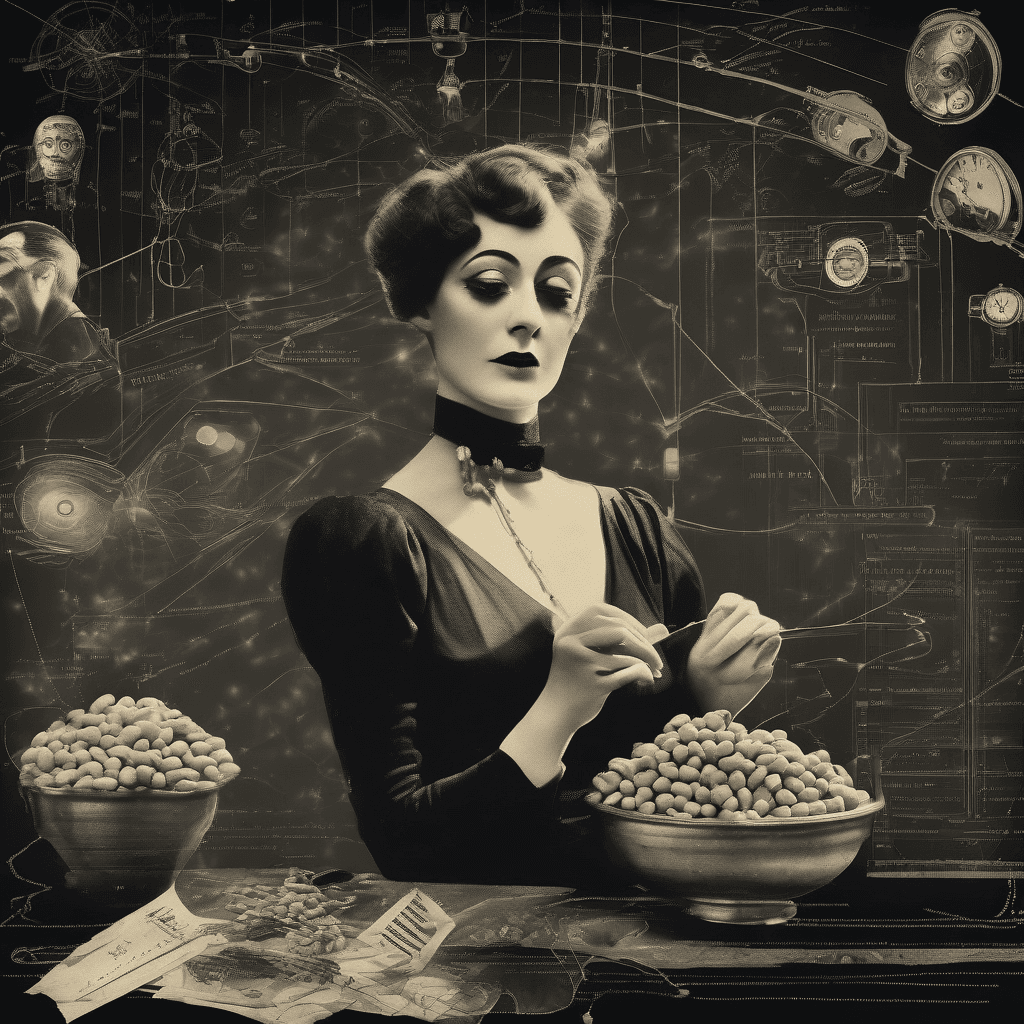
“Explore the hidden roots of cult cinema through the lens of early 20th-century anomalies, where limb-grafting surgeons and explosive peanuts paved the way for modern midnight madness.”
The term "cult cinema" often conjures images of midnight screenings in the 1970s, the smell of popcorn and rebellion, and films like The Rocky Horror Picture Show or Eraserhead. However, the genetic material of the cinematic misfit was synthesized much earlier. To understand the modern cult gaze, we must look back to the era of flickering nitrate, where the boundaries of genre were still being drawn and the seeds of transgressive storytelling were being sown in the fertile soil of the 1910s and 20s. This was a time of experimentation, social upheaval, and a profound curiosity about the darker, weirder corners of the human experience.
The Surgical Foundations of Body Horror
Long before David Cronenberg explored the fusion of flesh and technology, early filmmakers were already flirting with the grotesque. Take, for instance, the 1915 film Mortmain. The premise—a surgeon named Crisp who solves the problem of limb-grafting—is a direct ancestor to the medical horror and body-swap tropes that define a significant portion of cult cinema. The fascination with the physical form as a site of manipulation and horror reflects a primal anxiety that has never left the screen. In Mortmain, the scientific pursuit of immortality or physical perfection takes a turn into the macabre, establishing the "mad scientist" as a central figure in the cult lexicon.
This thematic thread continues through the lens of bodily autonomy and the subversion of nature. While contemporary audiences might find the silent-era special effects primitive, the psychological weight of a man grafting limbs onto others is undeniably potent. It challenges the sanctity of the human form, much like the transgressive works of the 1980s. The underground devotion to such themes stems from a desire to see the impossible and the forbidden rendered in light and shadow.
The Femme Fatale and the Cult Icon
Theda Bara and the Birth of the Vamp
No discussion of cult cinema is complete without the icon. Before the scream queens of the 70s, there was Theda Bara. In The She Devil (1918), Bara portrays Lolette, an exotic and spirited peasant girl who manipulates the men around her with a fierce, almost supernatural agency. This archetype—the woman who refuses to be a victim and instead becomes a predator—is the bedrock of the cult of personality. Bara wasn't just an actress; she was a brand, a symbol of the forbidden and the "other." Her performance as the "Vamp" in films like The Serpent cemented the idea that the cinematic outsider could be both terrifying and alluring.
The allure of the "She-Devil" is a recurring motif in niche cinema. Whether it is the bandit leader known as "The Tiger" or the peasant girl Vania who transforms into a famous London actress to exact revenge, these narratives prioritize female agency in ways that mainstream cinema often marginalized. The subversive energy of these early stars provided a blueprint for the counter-culture icons that would follow decades later, proving that the "rebel" has always had a home on the silver screen.
Social Transgression and the Injustice Narrative
Cult films often find their voice in the critique of social structures. The 1917 film The Honor System offers a harrowing look at the Arizona Territory’s prison system, depicting inhumane torment and corrupt administration. This is not merely a drama; it is a transgressive act of witnessing. By focusing on the "convict unjustly accused," the film taps into a deep-seated distrust of authority that is a hallmark of the cult mindset. We see this echoed in the works of directors who focus on the marginalized, the imprisoned, and the forgotten.
Similarly, The Blot (1921) tackles the crushing weight of poverty and class disparity with a realism that feels surprisingly modern. When a professor teaches wealthy, unmotivated students while his own family struggles to eat, the film creates a friction that resonates with the rebel heart of the audience. Cult cinema thrives on this friction—the gap between the "haves" and the "have-nots," and the quiet desperation of those living on the fringe. The Blot doesn't offer easy answers, and that lack of resolution is precisely what invites deep, obsessive analysis from a dedicated viewership.
The Absurd and the Surreal: Peanuts and Politics
The Roots of Cinematic Weirdness
Sometimes, cult status is born from sheer absurdity. Peanuts and Politics (1916) features a formula for destroying enemies using "explosive peanuts." If that sounds like something out of a John Waters film or a Troma production, it’s because the DNA of the absurd is ancient. These early comedies allowed for a break from reality, embracing the nonsensical and the bizarre. The kinetic energy of such films paved the way for the surrealist movements and the "midnight movie" staples that would later embrace the ridiculous as a form of high art.
This tradition of the "weird for weird's sake" is essential to the cult experience. It creates a secret language among fans who can appreciate the genius in the grotesque or the profound in the silly. When we look at the eccentric ghosts of early cinema, like the inventor’s assistants in Peanuts and Politics, we see the first iterations of the "lovable loser" or the "madcap sidekick" that populate modern indie and cult hits.
Urban Noir and the Underworld Proto-Genre
The gritty urban landscape, now a staple of cult noir, was being explored as early as 1921 in Tiger True. Jack Lodge, a wealthy man’s son who seeks adventure in the "underworld district" of a big city, is a prototype for the disillusioned protagonist seeking truth in the shadows. The noir aesthetic is built on this foundation of urban decay, secret saloons, and moral ambiguity. In Il fiacre n. 13, we see the destructive power of a mistress who drives a man to bankruptcy and murder, a classic noir setup that predates the genre's official birth by decades.
These films were often seen as "low-brow" or sensationalist at the time, which only fueled their eventual cult resurgence. The mainstream’s dismissal of "trashy" underworld stories is precisely what makes them so appealing to the niche collector. There is a sense of discovery in unearthing a film like The Scuttlers, where insurance fraud and maritime sabotage provide a cynical look at human greed. This cynicism is the fuel that powers many of the most beloved cult classics of the modern era.
Identity, Masquerade, and the Outsider
The Struggle for Self
Many early films dealt with the theme of identity and the "mask" we wear. In The Danger Signal (1915), the son of a tough blacksmith is abused by his own family because he isn't "tough enough." This subversion of traditional masculinity is a deeply transgressive theme for the 1910s. It speaks to the outsider—the person who doesn't fit the mold that society has cast for them. This theme of the "misfit" is the golden thread that connects all cult cinema, from the silent era to the present day.
Whether it’s the Japanese maiden in Alien Souls being pursued by an unscrupulous American, or the humble orphan in Great Expectations who suddenly becomes a gentleman, the shift in identity is a powerful narrative engine. Cult audiences gravitate toward these stories of transformation because they mirror the transformative power of the cinema itself. The act of watching a film can be a way to try on a new identity, to live a life outside of one's own narrow experience.
The Experimental Truth: Vertov and Beyond
Finally, we must acknowledge the role of the avant-garde in shaping cult devotion. Dziga Vertov’s Kino-pravda no. 4 was not a traditional narrative but a documentary series that sought to capture "film truth." This rejection of traditional storytelling is the ultimate cult gesture. It demands that the audience engage with the medium on a technical and philosophical level. The obsession with the "real" vs. the "staged" continues to haunt the cult imagination, influencing everything from the French New Wave to modern mockumentaries and found-footage horror.
The legacy of the 1910s and 20s is not just one of technical firsts; it is one of emotional and thematic bravery. Films like Intolerance showed that cinema could be a grand, multi-layered critique of humanity, while smaller films like Beans or Let Fido Do It proved that the medium could be used for the most specific, localized, and even absurd purposes. This midnight mosaic of early cinema provides the essential blueprints for the films we obsess over today.
Conclusion: The Eternal Return of the Weird
As we look back at the 50 films that have inspired this exploration, we see a pattern of rebellion, eccentricity, and social commentary. From the limb-grafting horrors of Mortmain to the explosive peanuts of Peanuts and Politics, the primitive weirdness of the silent era is the foundation upon which the entire edifice of cult cinema is built. These films were the original outsiders, the first rebels to break the rules of polite society and mainstream storytelling. By celebrating them, we aren't just engaging in nostalgia; we are acknowledging the unyielding vision that continues to drive the most exciting, challenging, and beloved films of our time. The cult gaze is, and always has been, a way of looking at the world through a lens that refuses to blink, even when things get strange.
Community
Comments
Log in to comment.
Loading comments…