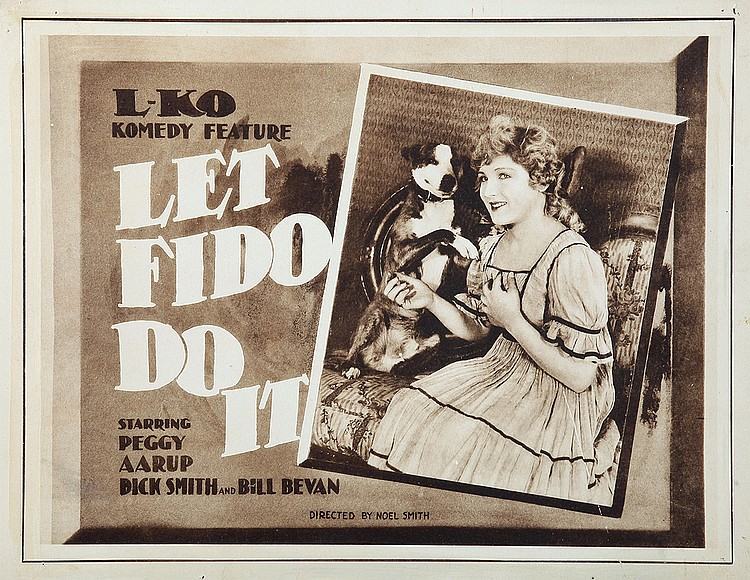
United States
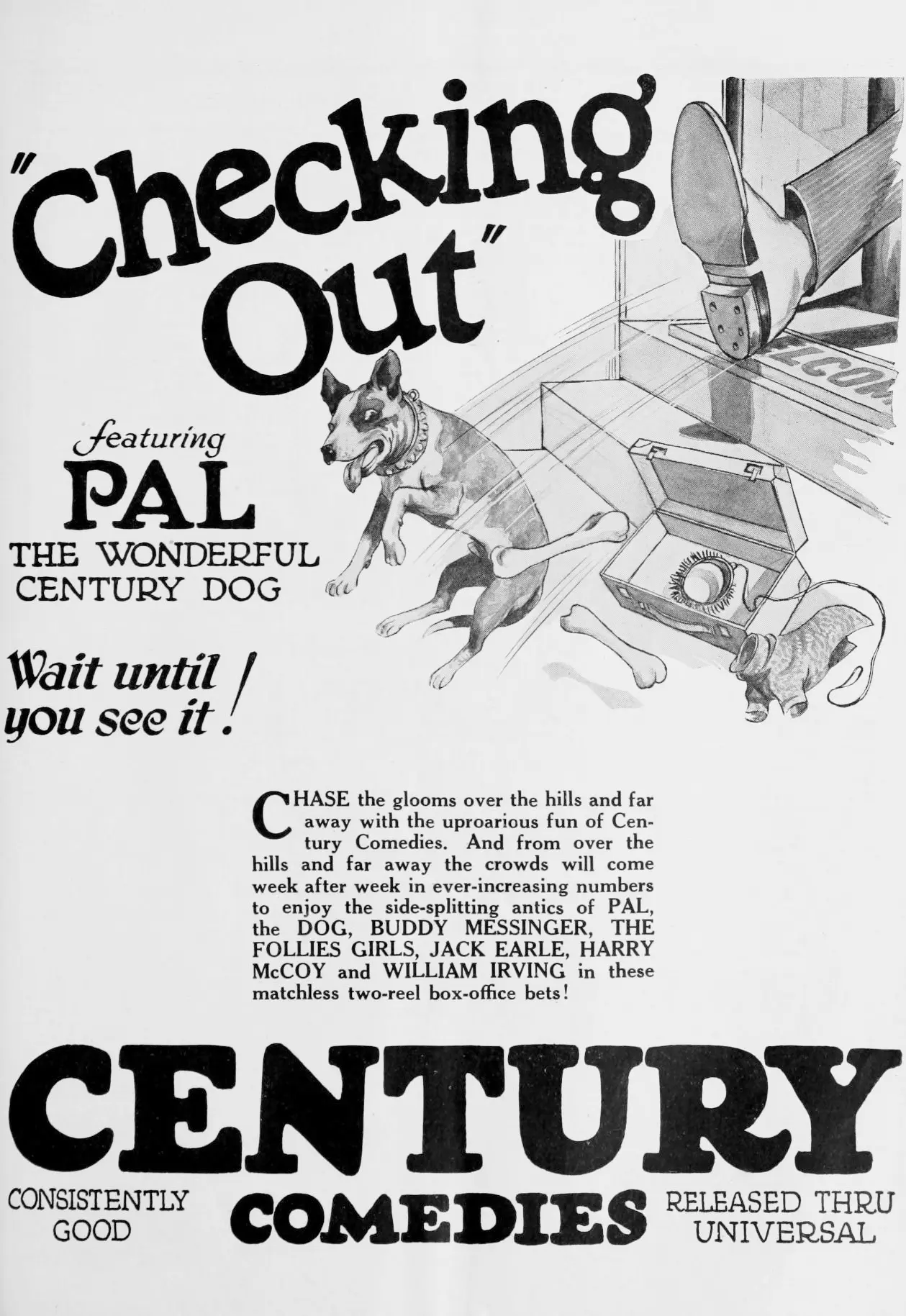
The year 1920 stood as a threshold, a temporal gateway where the burgeoning sophistication of silent cinema began to shed its primitive skin. Within this transformative milieu, Let Fido Do It occupies a niche that is as endearing as it is technically fascinating. While the industry was elsewhere preoccupied with the...

Comparing the cinematic DNA and archive impact of two defining moments in cult history.
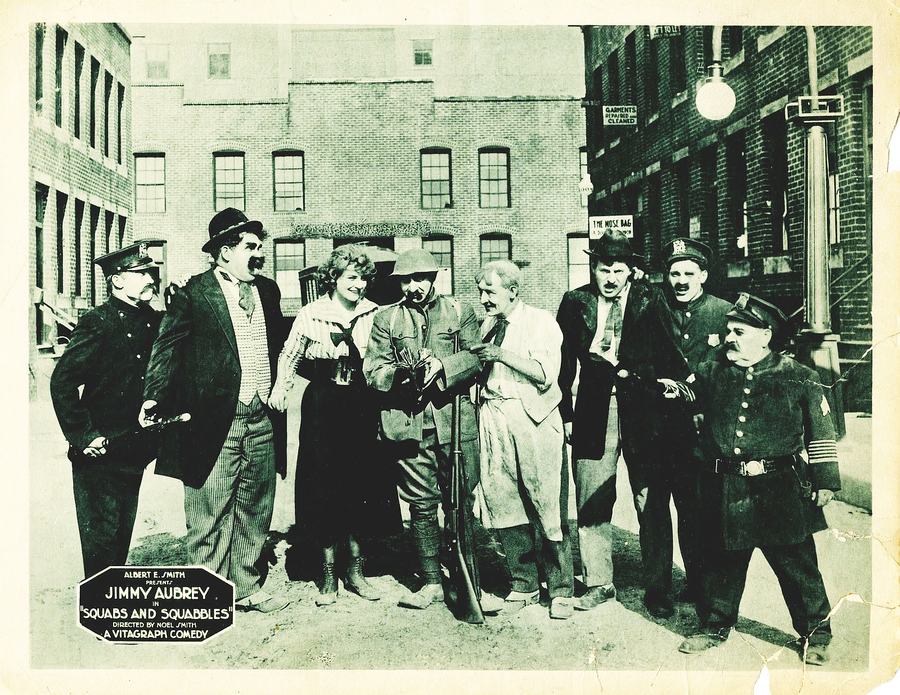
Noel M. Smith
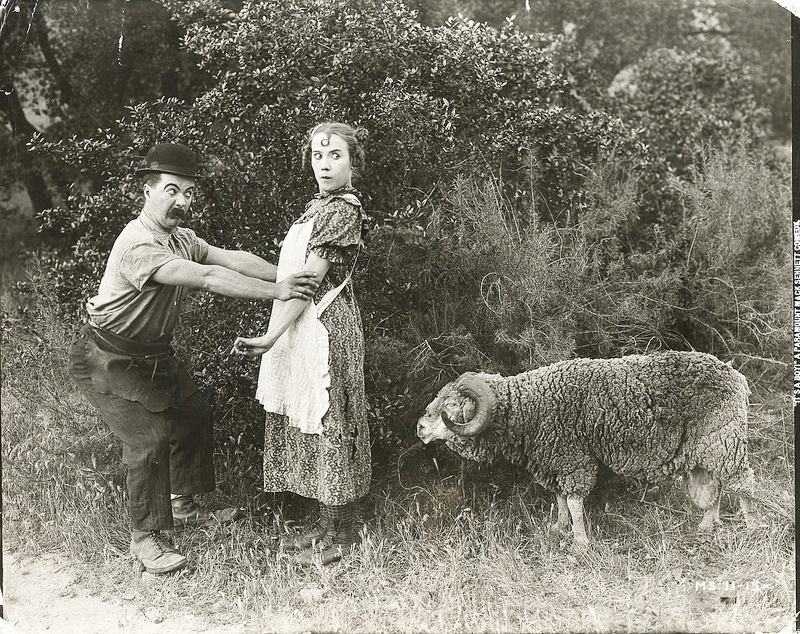
Noel M. Smith
Community
Log in to comment.
" The year 1920 stood as a threshold, a temporal gateway where the burgeoning sophistication of silent cinema began to shed its primitive skin. Within this transformative milieu, Let Fido Do It occupies a niche that is as endearing as it is technically fascinating. While the industry was elsewhere preoccupied with the grandiosity of historical epics like Veritas vincit, this modest production focused its gaze on the microcosm of the household, proving that cinematic resonance does not always re..."