
Deep Dive
The Mockery of the Myth: How Early Silent Parodies Scripted the First Meta-Cults
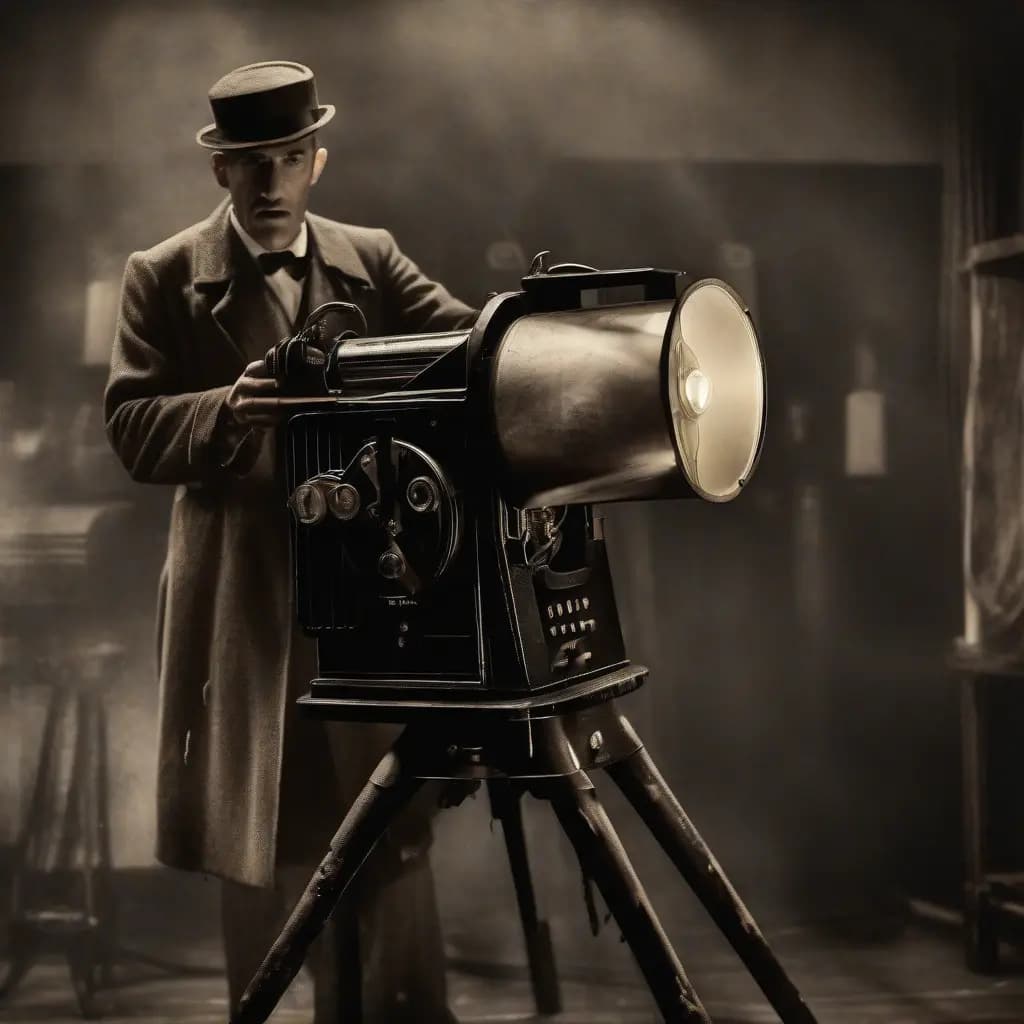
“Long before 'The Rocky Horror Picture Show', the silent era was already deconstructing its own legends through subversive parodies and surrealist experiments that birthed the 'knowing' cult spectator.”
We have been conditioned to think of the midnight movie as a mid-century phenomenon—a child of the counter-culture born in the sticky-floored basements of the 1970s. But that is a convenient fiction. The true DNA of the cult spectator—the viewer who watches with a wink, who seeks out the fringe, and who finds pleasure in the deconstruction of the mainstream—was forged in the nitrate flickers of the 1910s and 20s. Long before the term 'meta' was a marketing buzzword, early cinema was already eating itself, mocking its own grandiosity, and creating a specialized audience that thrived on the subversion of the silver screen's emerging myths.
This wasn't just about slapstick or simple humor; it was about the birth of a transgressive irony. In an era where the 'Big Picture' was becoming a sacred cow, a handful of directors and performers began to poke holes in the celluloid. They realized that the audience was becoming sophisticated enough to recognize tropes, and they weaponized that recognition. This is the story of how the parody and the 'misfit' reel created the blueprint for the modern cult obsession.
The Uncovered Wagon and the Deconstruction of the Frontier
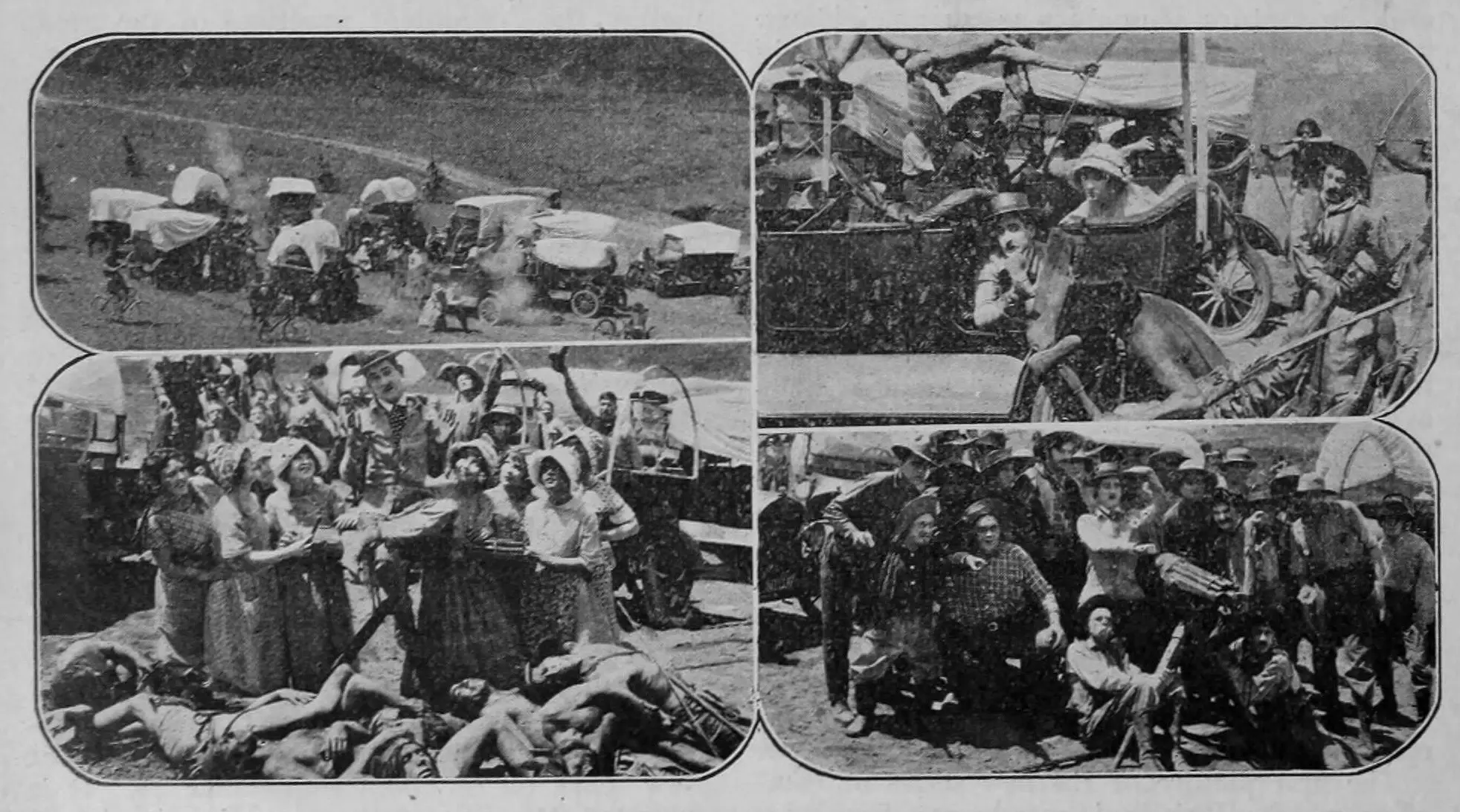
In 1923, James Cruze’s The Covered Wagon was a monolith of American prestige. It was the 'Oppenheimer' of its day—a sprawling, earnest epic that defined the Western as the ultimate national myth. But almost immediately, the fringe pushed back. Enter The Uncovered Wagon (1923), a sharp, biting parody that didn't just mock the plot; it mocked the very idea of cinematic scale.
While the mainstream audience was weeping over the hardships of the pioneers, the 'knowing' audience was laughing at a band of explorers whose transcontinental adventures were stripped of their dignity. This film represents a pivotal moment in film history: the birth of the anti-epic. By reducing the grand gestures of the Western to absurd gags, it invited the viewer to become an outsider. To watch The Uncovered Wagon was to reject the forced sentimentality of the studio system. It was the first step toward the 'trash' aesthetic—the realization that there is more truth in a low-budget mockery than in a high-budget lie.
The cult film is not defined by its content, but by the distance between the screen and the spectator. The silent parody was the first to widen that gap.
The Lost Anarchy of Bert Williams and the Lime Kiln Club
If cult cinema is defined by the 'rediscovered masterpiece,' then Lime Kiln Club Field Day (1913) is its holy grail. Starring the legendary Bert Williams, this film was abandoned in the edit and sat in the vaults of MoMA for a century. When it was finally unearthed and reconstructed, it didn't just provide a historical record; it revealed a subversive, joyful energy that felt entirely modern.
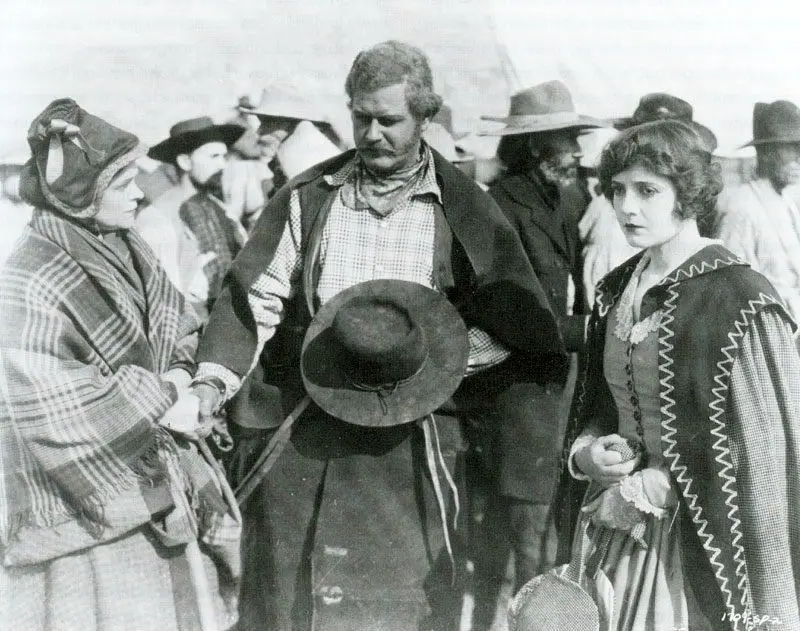
Williams, a Black performer of immense genius, navigated a world of caricatures with a performance so nuanced and self-aware that it bordered on the surreal. The film’s plot—three suitors vying for a local beauty—is a framework for a series of vignettes that feel like proto-cult performance art. The 'cult' here is one of archival resurrection. We watch it today not just for the story, but for the ghost of what could have been. It is a reminder that the fringes of cinema have always contained the most vibrant, honest expressions of identity, often suppressed by the same industry that now claims to celebrate them.
The Tomboy and the Subversion of the Victorian Ideal
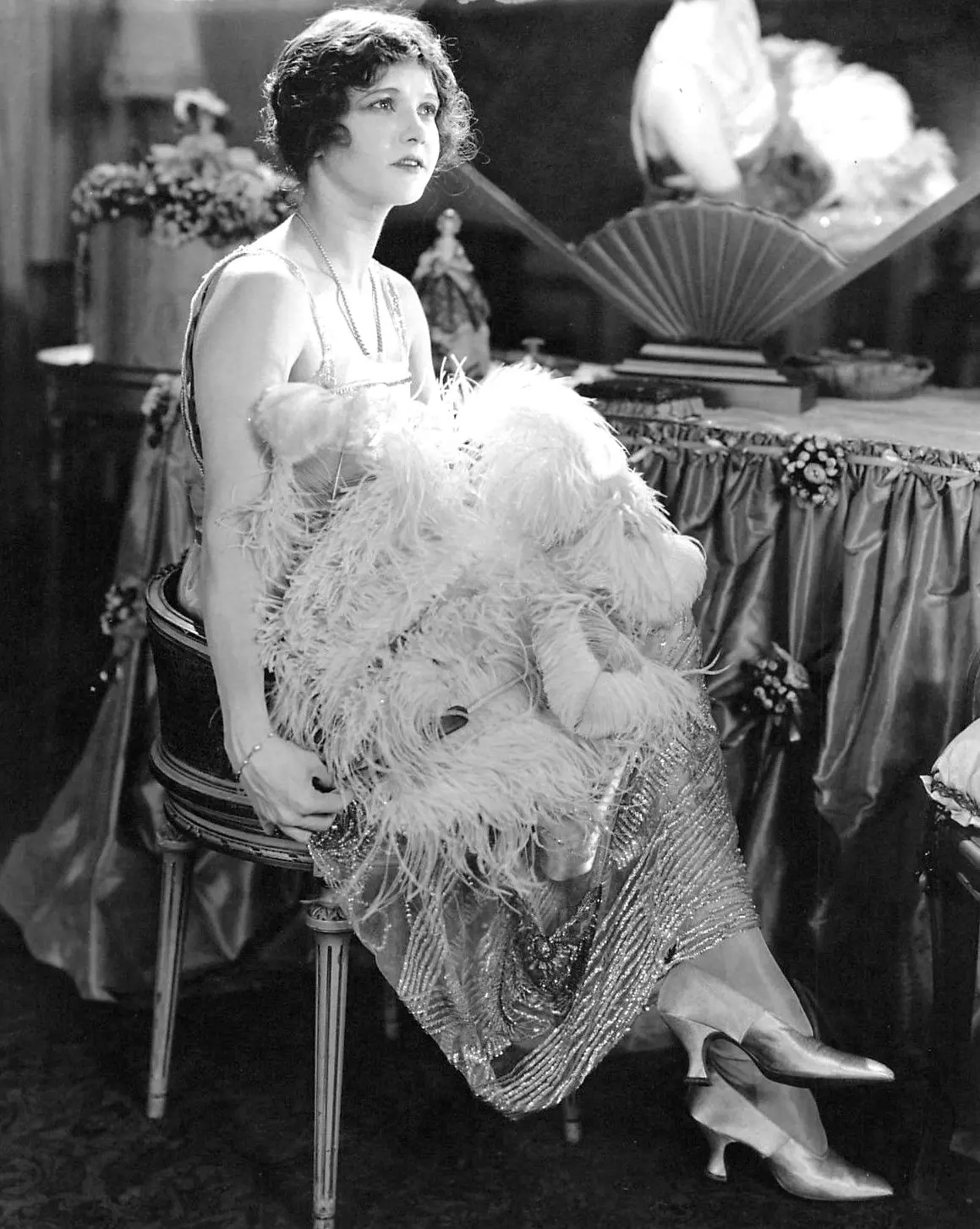
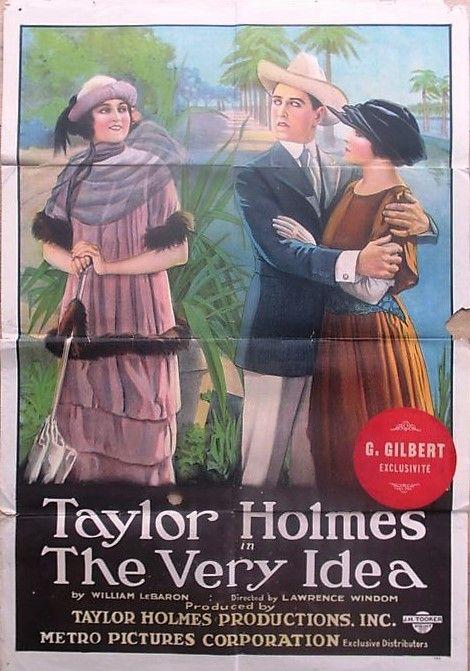
While the 1920s were supposedly the era of the 'Flapper,' the reality was often more rigid. Most female leads were either virginal saints or predatory vamps. But in the shadows of the minor studios, characters like Minnie in The Tomboy (1924) were busy dismantling these binaries. Minnie wasn't a symbol; she was a force of chaos. She played ball, she fought, and she invited 'Handsome Strangers' to see her father’s bridge models while her father himself was passed out drunk.
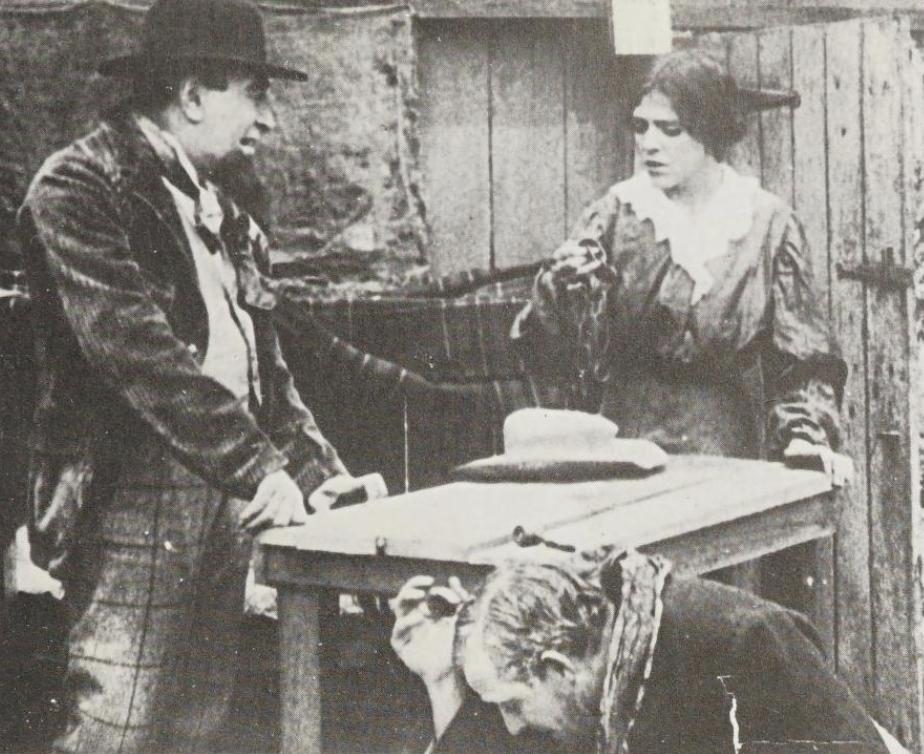
This is where the cult of the unruly woman begins. Films like The Tomboy or the gender-bending comedies of the era weren't aiming for the middle-class hearth; they were aiming for the misfits in the gallery. They celebrated the girl who didn't fit, the family that was broken, and the joy of being 'unladylike.' This lineage leads directly to the transgressive heroines of 70s exploitation and 90s indie cinema. It is the celebration of the 'other' as the protagonist of their own messy, hilarious life.
The Apocalypse as Spectacle: The End of the World (1916)
Cult cinema has always had an obsession with the end of things. Long before the post-apocalyptic wasteland became a genre staple, August Blom’s The End of the World (1916) captured the primal dread of the First World War through the lens of a cosmic disaster. A comet passing Earth triggers riots, social collapse, and total destruction.
What makes this a proto-cult film is its visual nihilism. It isn't a moralistic tale; it is a cold, almost detached look at the fragility of civilization. The 'cult' appeal lies in the imagery—the burning cities and the frantic, hopeless masses. It tapped into a collective anxiety that the mainstream 'prestige' films of the era tried to soothe with patriotic fervor. Blom gave the audience the one thing they weren't supposed to want: the sight of everything they knew turning to ash.
Dream Logic and the Surrealist Fracture
Perhaps the most enduring trait of the cult film is its reliance on 'dream logic'—the sense that the world on screen operates by rules that are felt rather than explained. In 1915, Niobe presented a story where a statue comes to life through the dream of a hen-pecked old man. It was a whimsical comedy on the surface, but its core was pure surrealism.
This kind of narrative fluidity is the bedrock of the 'midnight' experience. Think of films like The Pursuit of the Phantom (1914), where an artist’s obsession with a coastal village blurs the lines between reality and aesthetic desire. These films weren't trying to be 'logical' in the way a D.W. Griffith melodrama tried to be logical. They were interested in the liminal spaces of the human psyche. When we watch a modern cult classic that defies explanation, we are participating in a tradition that started when silent filmmakers first realized that the camera could capture the texture of a nightmare or a daydream just as easily as it could capture a train pulling into a station.
- The deconstruction of genres (The Uncovered Wagon).
- The celebration of the social pariah (The Tomboy).
- The embrace of apocalyptic dread (The End of the World).
- The use of surrealism as a narrative tool (Niobe).
The Nitrate Ghost of Modern Meta-Cinema
Why does this matter to the modern cult enthusiast? Because it proves that our obsession with the 'weird' and the 'subversive' isn't a modern invention. We are not the first generation to look at the mainstream and see a hollow shell. The silent era was filled with filmmakers who were just as cynical, just as experimental, and just as 'meta' as any A24 director working today.
When we watch Hoodooed (1920) and see a man jumping over a bed ten times to appease a 'dream book,' we aren't just seeing a dated gag; we are seeing the birth of the ritualistic protagonist—the character whose internal logic is so bizarre that the audience has no choice but to follow them into the abyss. Whether it's the 'Black Hand' paranoia of Diane of Star Hollow or the financial ruin and suicide pacts of Behind the Mask, the silent era was a laboratory for the dark, the strange, and the self-referential.
The next time you find yourself in a dark theater, watching a film that seems to mock the very medium it inhabits, remember the pioneers of the 'Uncovered Wagon.' Remember the unruly spirit of Minnie and the surrealist dreams of Niobe. They were the original cultists, the first people to realize that the most interesting things in cinema always happen at the edges of the frame, in the gaps between the frames, and in the hearts of those who refuse to take the silver screen at face value. The nitrate may be fragile, but the spirit of the meta-cult is indestructible.
Community
Comments
Log in to comment.
Loading comments…