
Cult Cinema Deep Dive
The Obsidian Lantern: Tracking the Subversive Shadows and Proto-Cult Deviance of Early Cinema’s Most Daring Misfits
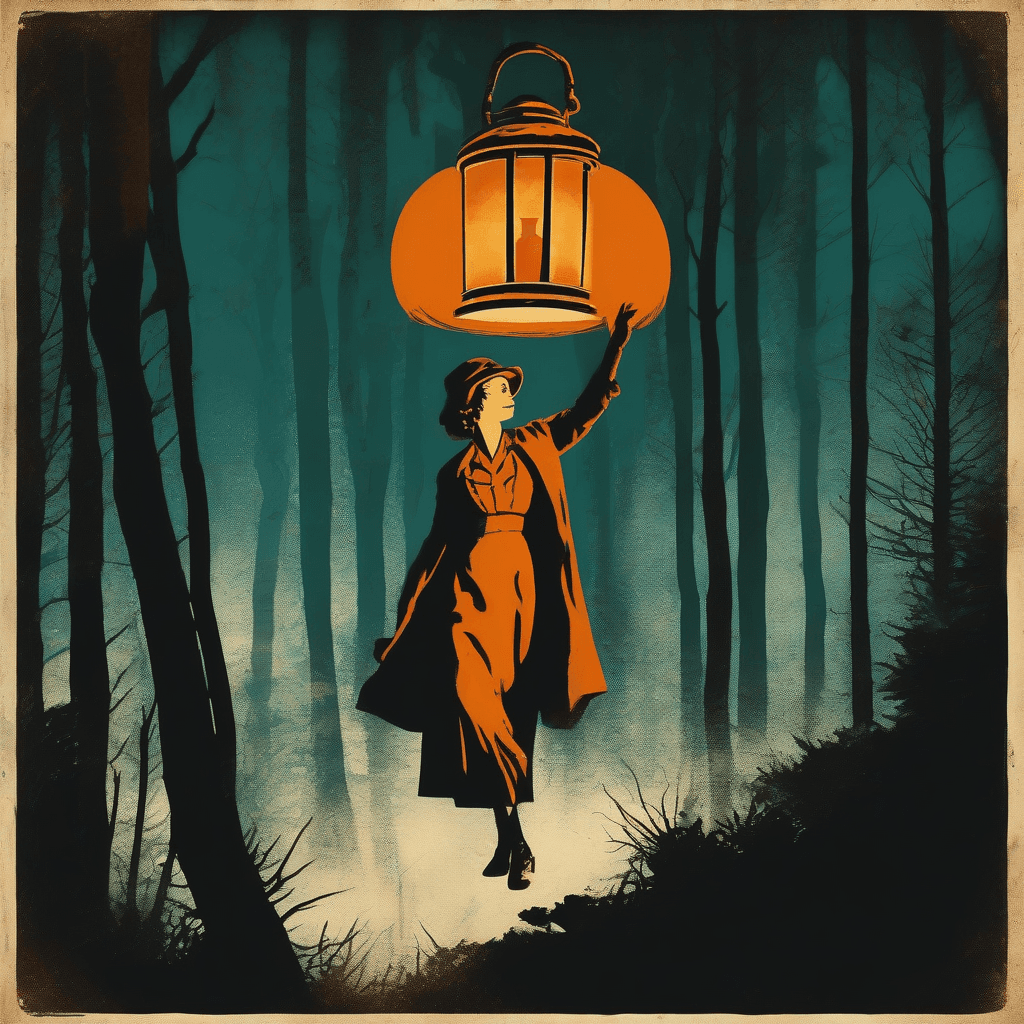
“A deep-dive exploration into how the silent era's forgotten outlaws, social deviants, and visual experimenters forged the genetic blueprint for modern cult cinema devotion.”
When we speak of cult cinema, the mind often drifts to the neon-soaked midnight screenings of the 1970s or the VHS-fueled obsessions of the 1980s. We think of The Rocky Horror Picture Show, Eraserhead, or the transgressive filth of John Waters. However, the genetic code of the midnight movie—the obsession with the ‘other,’ the celebration of the social outcast, and the thirst for visual anarchy—was actually written decades earlier in the flickering shadows of the silent era. Long before the term 'cult film' was coined, a wave of cinematic misfits was already dismantling the moral boundaries of the early 20th century, creating a legacy of niche devotion that still resonates today.
The Architecture of the Early Misfit
The dawn of cinema was a lawless frontier. In the 1910s and early 1920s, filmmakers were not yet beholden to the rigid structures of the Hays Code or the homogenized demands of global blockbusters. This era birthed films like Why Girls Leave Home (1921), a title that sounds like a sensationalist headline but serves as a crucial artifact of social friction. The narrative of Anna Hedder, fleeing a father’s strict ideas to find a life among the 'fast' crowd, speaks to a primal urge that defines cult cinema: the rejection of the domestic for the dangerous. It is a proto-cult narrative of rebellion, where the protagonist chooses the uncertainty of the fringe over the stifling safety of the center.
This theme of the social outlier is further codified in works like The Bronze Bride (1917). In this film, the union between a white fur-trapper and an Indian maiden, A-Che-Chee, becomes a site of intense cultural conflict. When they return to 'civilization,' the film doesn't offer a simple Hollywood reconciliation; instead, it highlights the inherent cruelty of social structures that refuse to accommodate the 'different.' This is the bedrock of the cult ethos: a deep-seated empathy for those who exist outside the approved boundaries of the status quo.
Transgression and the Silent Taboo
If modern cult cinema is defined by its willingness to shock, the silent era was no stranger to the transgressive image. Consider the dark, haunting undertones of The Curse of Iku (1918). Shipwrecked off the coast of Japan, an American sailor finds himself entangled in a web of vengeance and ancient tradition. The film explores themes of xenophobia and the 'forbidden' other with a raw intensity that predates the psychological horror of the 1960s. It is a film that demands to be seen through a specialized lens, much like the 'video nasties' of a later generation.
Similarly, Satana (1912) represents an early peak of cinematic ambition and theological subversion. By dividing the narrative into chapters that pit Satan against the Creator and the Savior, the film engages with the macabre and the blasphemous in a way that would later become a staple of underground cinema. This isn't just a religious epic; it is a visual manifesto of the dark side of the human psyche, utilizing the figure of the Red Demon to explore the persistent presence of evil through the ages. It is the ancestor of every occult-themed midnight movie that has ever graced a basement screen.
The Plasticity of Identity
Cult cinema thrives on the fluid nature of identity—characters who are not what they seem, or who must perform a role to survive. The Imp (1919) offers a fascinating proto-version of this trope. When a blow to the head causes Jane Morgan to believe she is a notorious pickpocket, the film dives into the psychology of the 'imposter.' This obsession with the malleable self is a recurring theme in cult classics, where the boundary between the mask and the face is perpetually blurred.
We see a more socio-political version of this in Pudd'nhead Wilson (1916). The story of a slave switching her baby with her master’s child is a radical exploration of race and class as performative constructs. In 1916, this was not just a melodrama; it was an indictment of the arbitrary nature of social hierarchy. It is precisely this kind of uncomfortable narrative that attracts a cult following—films that force the audience to confront the instability of their own social standing.
Visual Anarchy and the Avant-Garde Fringe
Beyond narrative, the aesthetic of the early silent era provided the 'weirdness' that cult fans crave. Films like La maison du Fantoche, featuring the stick-man Fantoche, showcased a level of surrealism that was often more advanced than the live-action films of the time. The idea that a character could find no room 'even in Hell' is a quintessential cult sentiment—the ultimate expression of being the perpetual outsider.
Then there is Buried Treasure (1921), which uses the concept of reincarnation to jump through time, from Spanish galleons to the modern day. This narrative fragmentation—the refusal to stay within a single time or genre—is a hallmark of the 'rogue' filmmaker. It challenges the viewer to keep up, creating a sense of exclusive knowledge among those who 'get' the film’s erratic rhythm. This is how a fandom is born: when a piece of art feels like a secret language shared only by those brave enough to watch it.
The Underworld and the Wildcat
The gritty allure of the urban fringe is another pillar of cult fascination. The Wildcat of Paris (1918) takes us into the heart of the Parisian underworld, where survival is the only morality. This isn't the romanticized Paris of the travelogues; it is a place of 'international turmoil' and desperate fights for love. This noir-adjacent aesthetic—shadowy, dangerous, and morally ambiguous—would eventually evolve into the hard-boiled cult cinema of the mid-century.
Even the lighter fare of the era, such as Why Beaches Are Popular (1919), serves as a reminder of the era’s fixation on the spectacle of the body. While seemingly a promo piece for Mack Sennett's bathing beauties, it highlights the voyeuristic impulse that has always underpinned the cult of the image. The camera’s gaze on the 'unconventional' or the 'glamorous' is the same gaze that would eventually turn low-budget exploitation films into high-art artifacts.
The Legacy of the Silent Rebel
Why do we still return to these flickering reels? It is because they represent a time when cinema was still figuring out its own soul. Films like American Buds (1918), with its story of orphaned sisters searching for their father amidst military bureaucracy, or The Gilded Cage (1916), which portrays a monarchy hated by its subjects, were already laying the groundwork for the anti-authoritarian streak that defines cult movies. They suggest that the world is a cold, often unfair place, and that our only hope lies in the unconventional bonds we form on the outskirts.
The 'cult' label is often applied to films that failed upon release but found a second life in the shadows. Many of these early 20th-century films, like Shattered (1921), with its bleak depiction of poverty-stricken life next to a railway line, were perhaps too raw, too honest, or too visually jarring for the mainstream audiences of their day. Yet, for the modern cinephile, they are sacred relics. They are the 'Obsidian Lantern'—a dark light that illuminates the parts of the human experience that the mainstream would rather keep in the dark.
As we look forward to the future of cinema, we must acknowledge that our current obsession with the 'weird' and the 'wonderful' is not a new phenomenon. We are simply the latest generation to be captivated by the rebel spirit that has existed since the first frame of nitrate film was exposed to light. From the 'forest Samson' breaking his chains to the 'wildcat' of Paris fighting for her life, the characters of the silent era are our cinematic ancestors. They taught us how to be misfits, how to be outlaws, and most importantly, how to be devoted to the beautiful anarchy of the moving image.
Conclusion: The Eternal Midnight
The journey of cult cinema is a circle, not a line. When we watch a modern indie film that breaks all the rules of narrative and decorum, we are seeing the echo of The Last Egyptian (1914) or Rouge and Riches (1920). These films remind us that the 'mainstream' is a fleeting concept, but the 'cult' is eternal. The Obsidian Lantern continues to burn, casting long, subversive shadows across the history of film, inviting us to step out of the light and join the rebellion of the fringe. In the end, we don't just watch these films; we join their secret society, becoming part of a century-long tradition of cinematic heresy.
Community
Comments
Log in to comment.
Loading comments…