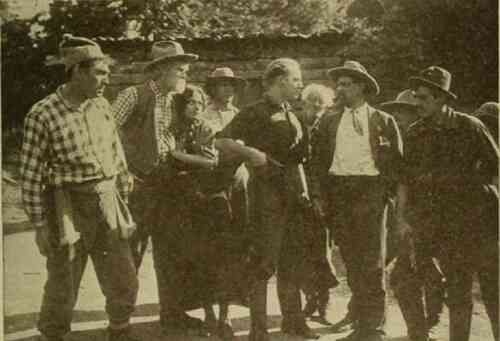
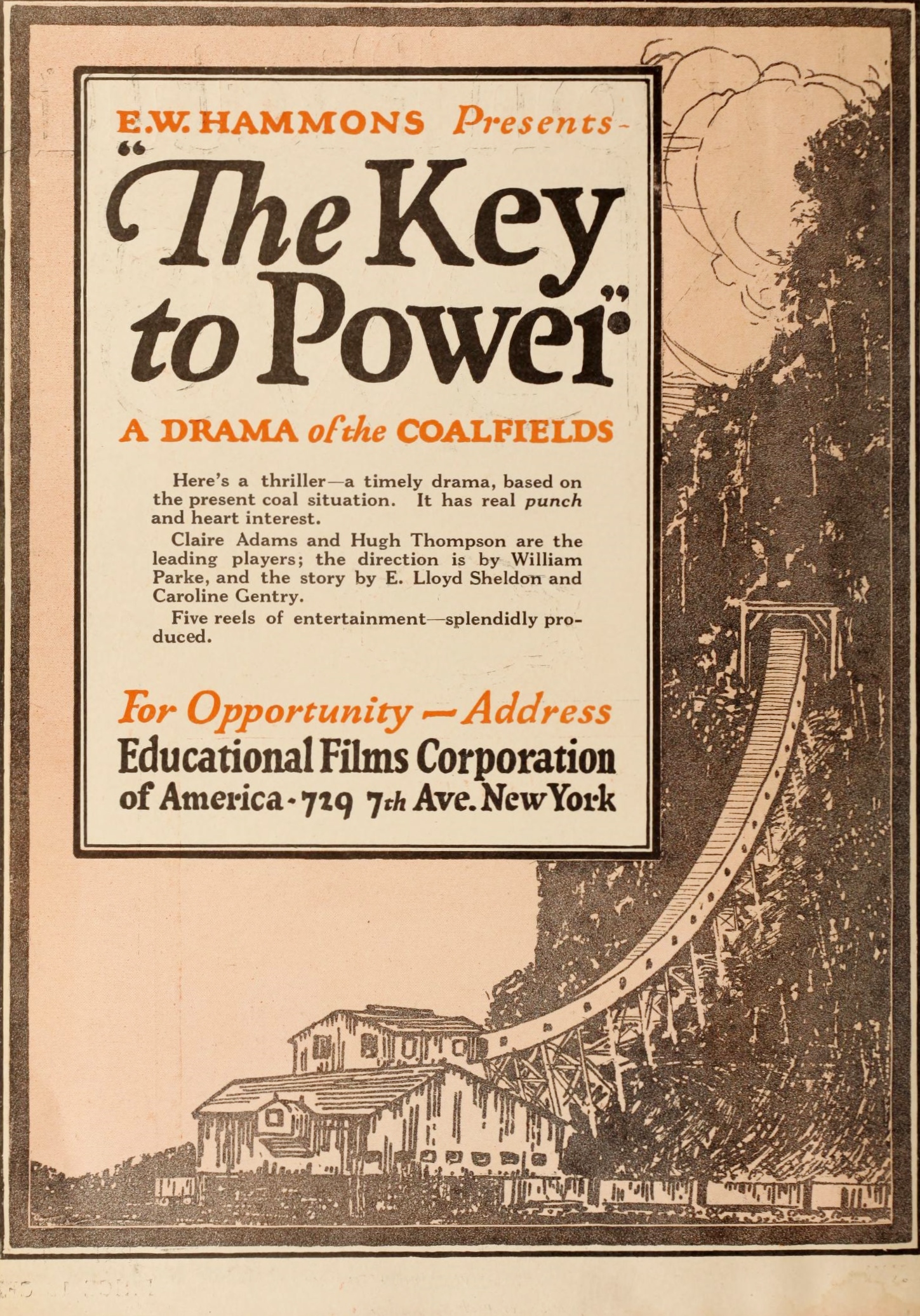
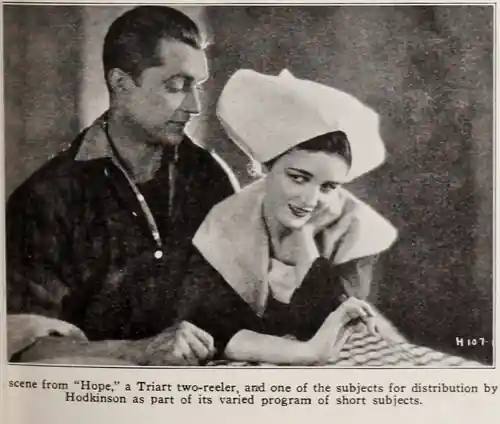
Adapted from the work of artist George Frederick Watts, a highly artistic subject that tells a short dramatic story in which "Hope" is pictured through the lighthouse keeper's daughter who never despairs, nor gives up hope, even when the people of the village turn against her and they tell her her husband has been lost at sea..
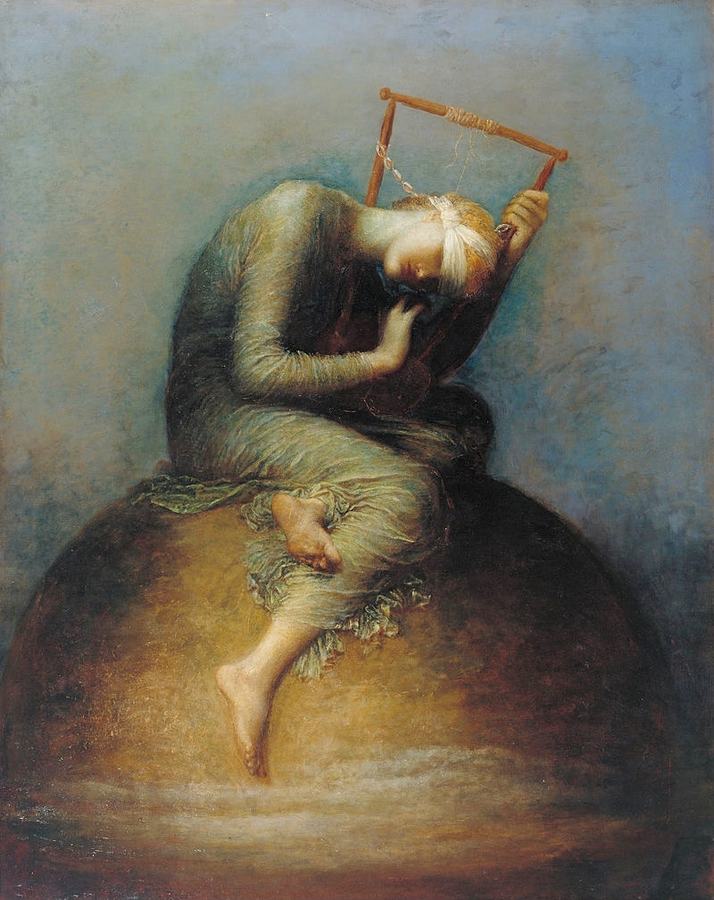
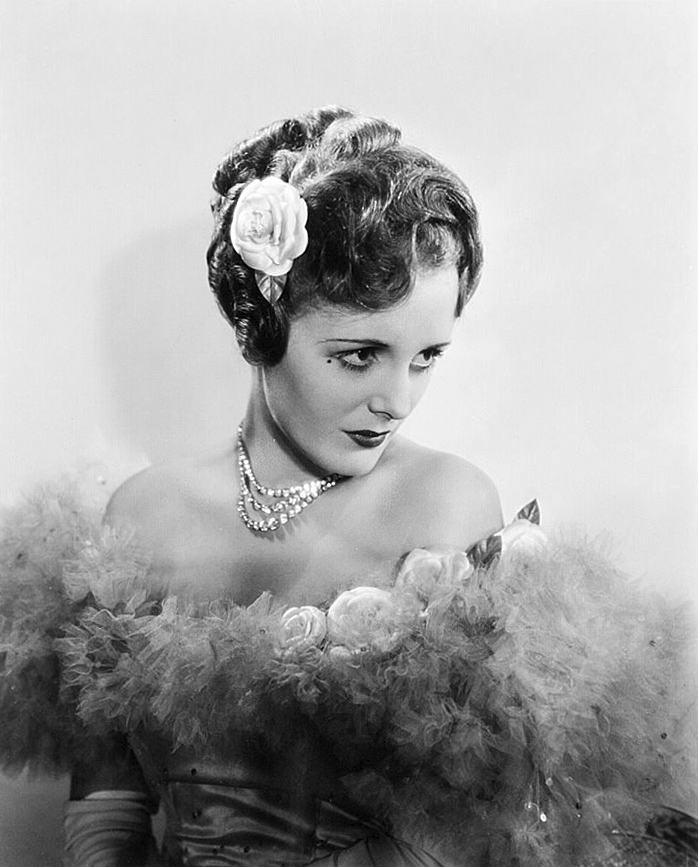
George Frederick Watts’s canvas Hope hangs in the Tate like a wound under gauze: a blindfolded maiden teetering on a globe, one string left on her lyre, the whole composition throttled by umber gloom. Translate that frozen tremor into cinema and you risk bathos—yet the 1922 one-reeler Hope dodges sanctimony by weapon...
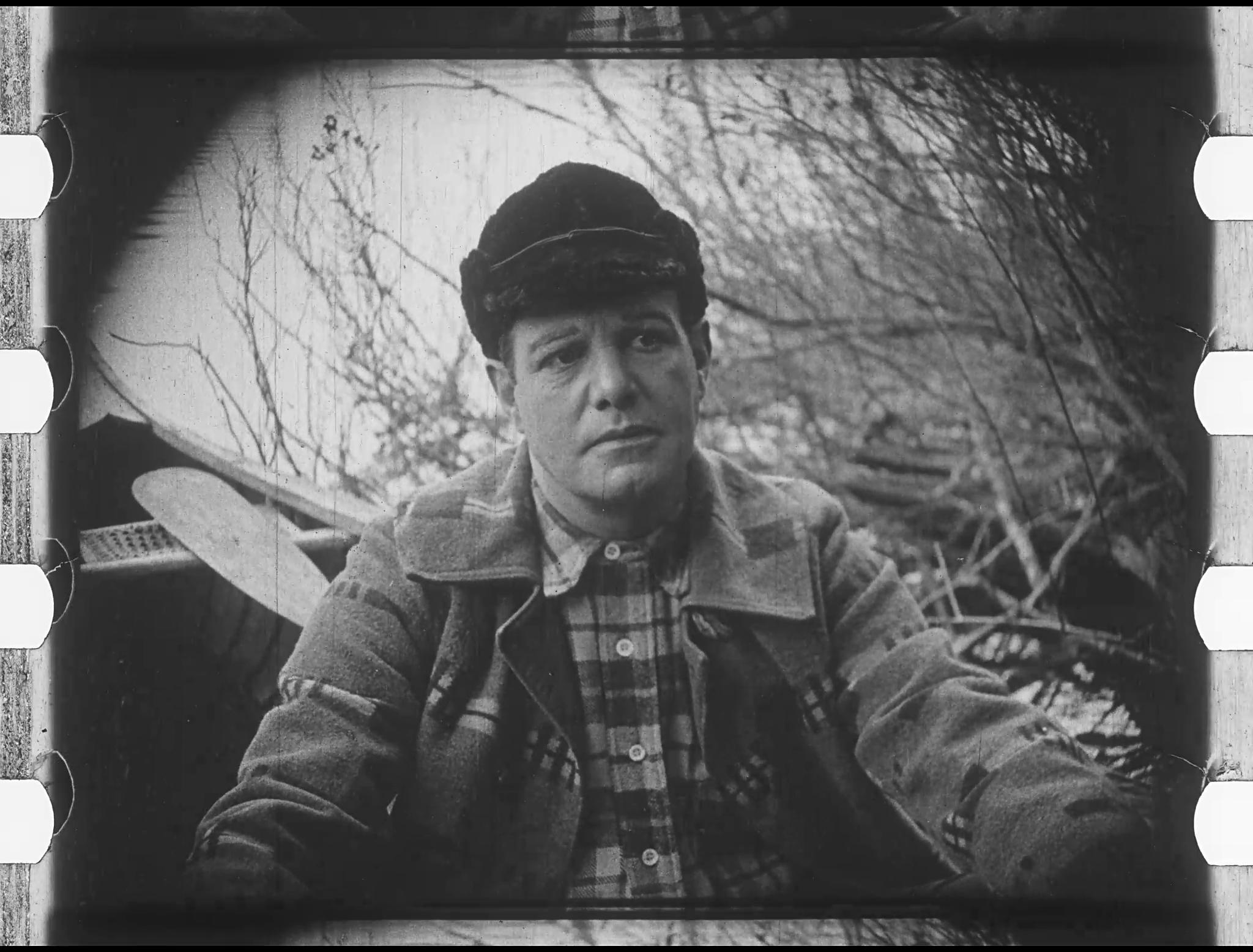
still_frame
Comparing the cinematic DNA and archive impact of two defining moments in cult history.
Legaren à Hiller
Alexander Butler
Community
Log in to comment.
" George Frederick Watts’s canvas Hope hangs in the Tate like a wound under gauze: a blindfolded maiden teetering on a globe, one string left on her lyre, the whole composition throttled by umber gloom. Translate that frozen tremor into cinema and you risk bathos—yet the 1922 one-reeler Hope dodges sanctimony by weaponizing silence itself. Dialogue cards are sparse as driftwood; instead, the film trusts the Morse code of Mary Astor’s shoulder blades, the hush between waves, the sulfuric flicker ..."
Marguerite Robinson
United States
1920 · IMDb —
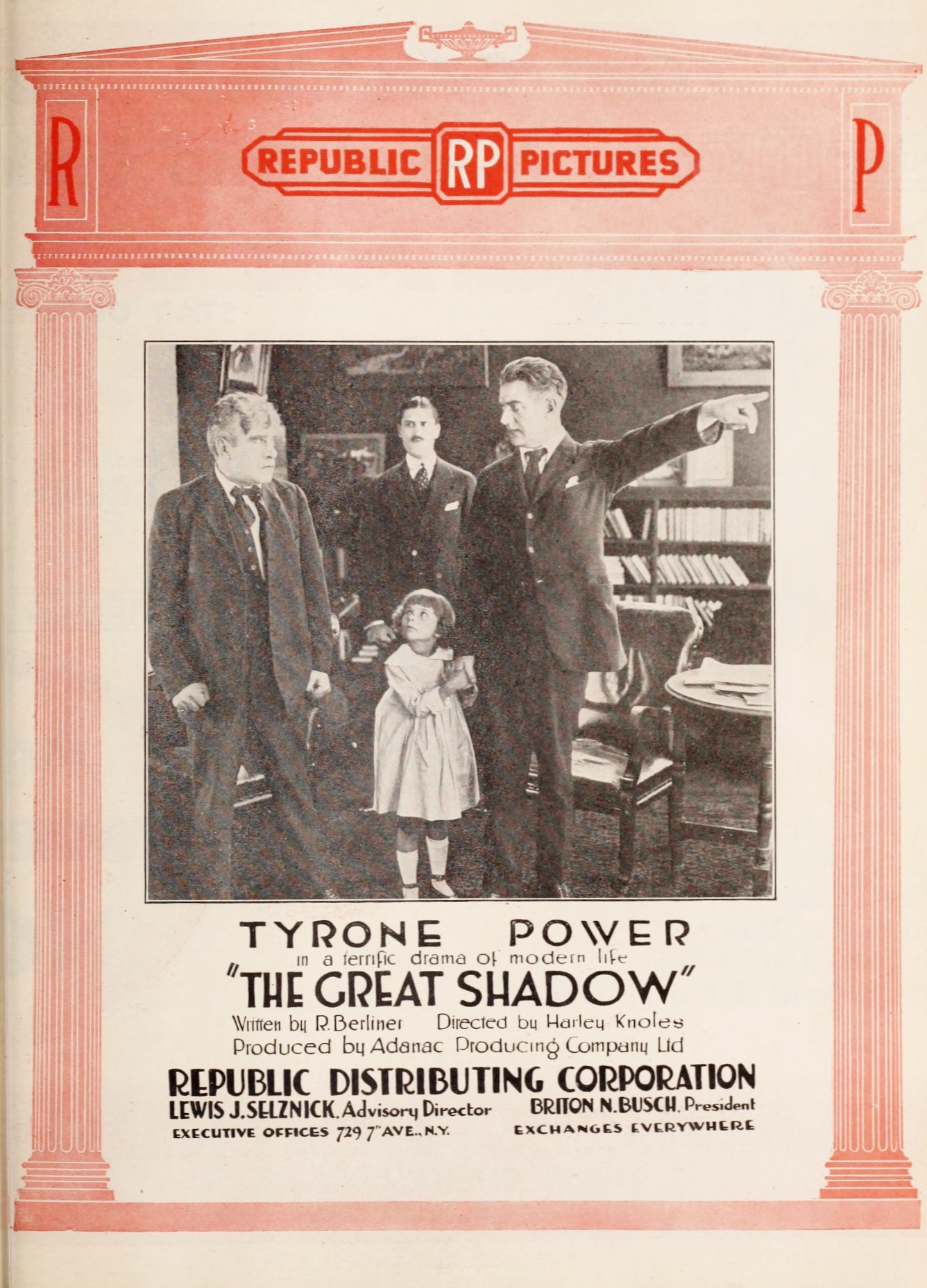
Harley Knoles