
Cult Cinema
The Outsider’s Odyssey: How Early Cinema’s Misfits and Moral Mutants Forged the Cult Movie Spirit

“An exploration of how early 20th-century cinema's most daring outliers and moral rebels laid the groundwork for today's obsessive cult movie culture.”
In the flickering shadows of the early 20th century, a different kind of cinema was breathing. Long before the term 'cult classic' was coined, films were already capturing the imagination of those who craved something beyond the polite society dramas of the era. This was the dawn of the cinematic outlier, a period where narrative experimentation and moral complexity began to seep into the celluloid, creating a magnetic pull for audiences who felt like misfits themselves. To understand the modern cult phenomenon, we must look back at the pioneers who dared to be different, the rebels who operated on the fringes of the burgeoning industry.

The Pirate and the Pioneer: Archetypes of Rebellion
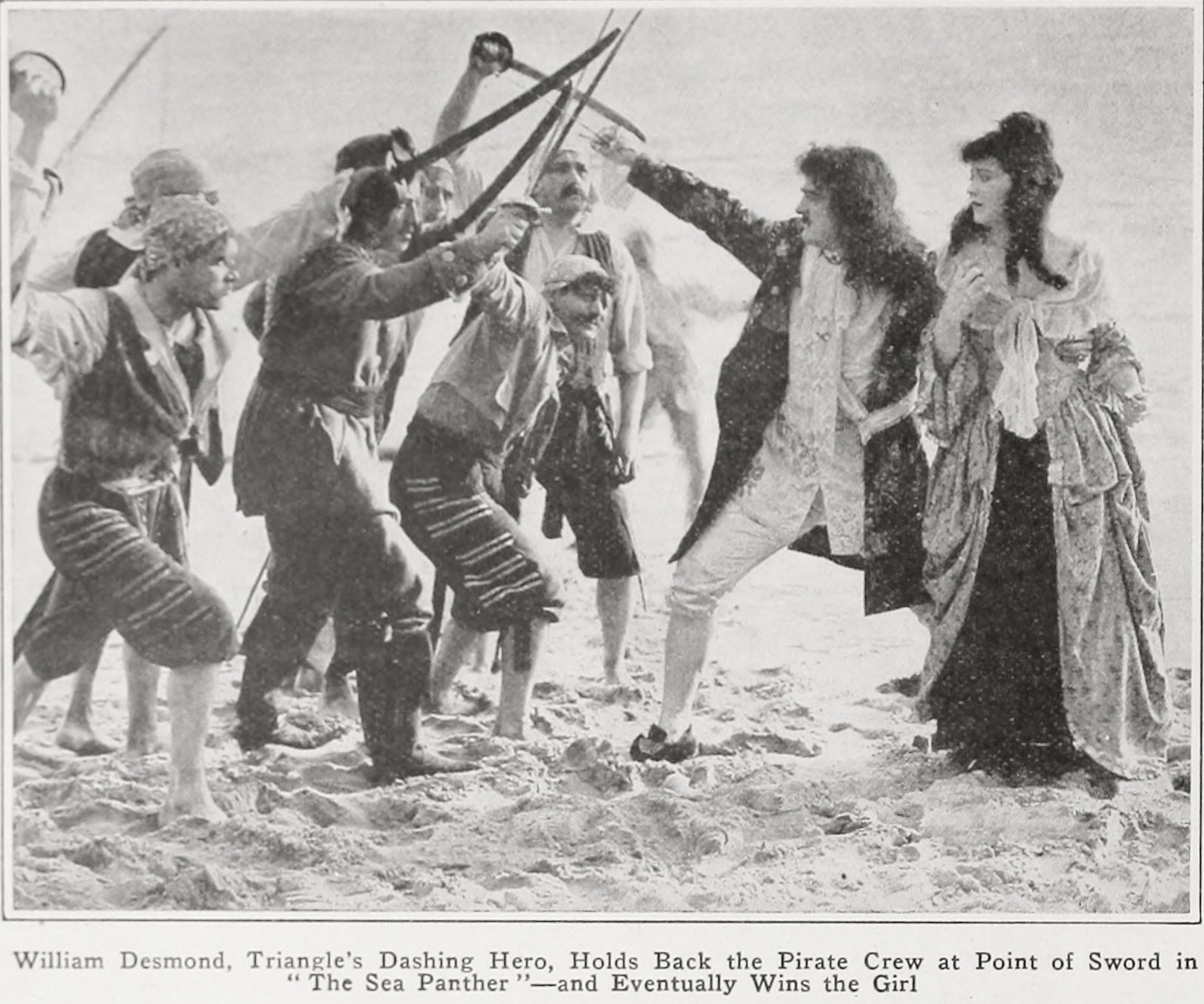
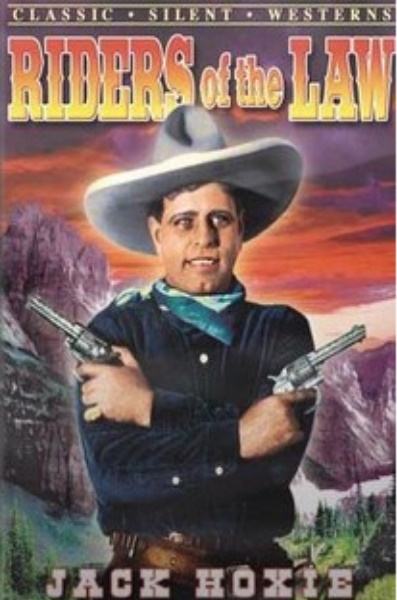
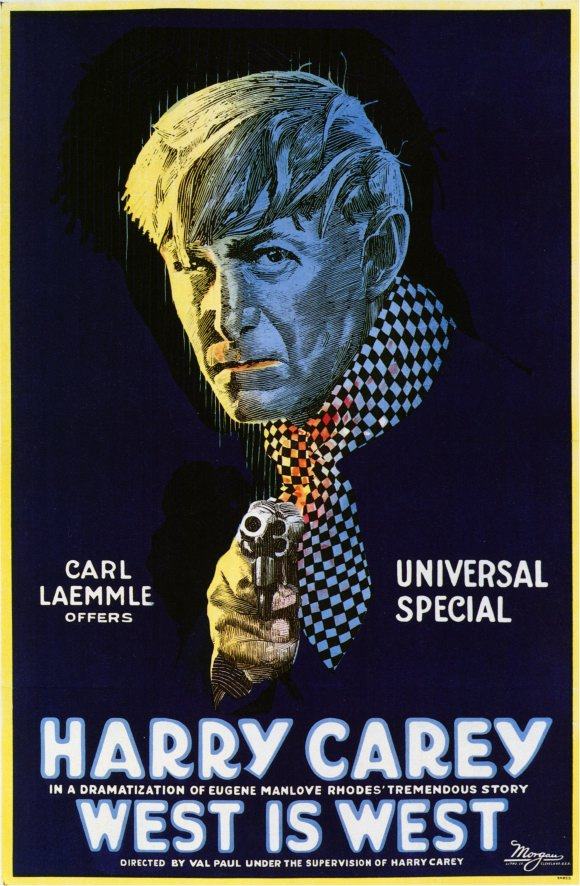
Cult cinema often begins with a character who refuses to follow the rules of the world. In the 1917 classic The Sea Panther, we see Paul Le Marsan, a pirate captain who balances iron-fisted leadership with a charming, almost subversive grace. This duality is a hallmark of the cult protagonist—the 'lovable rogue' who exists outside the law. Similarly, the rugged landscapes of the West provided a fertile ground for these early mavericks. Films like Riders of the Law and West Is West didn't just tell stories of justice; they explored the isolation of the frontier and the rigid, often brutal codes of conduct that governed it.
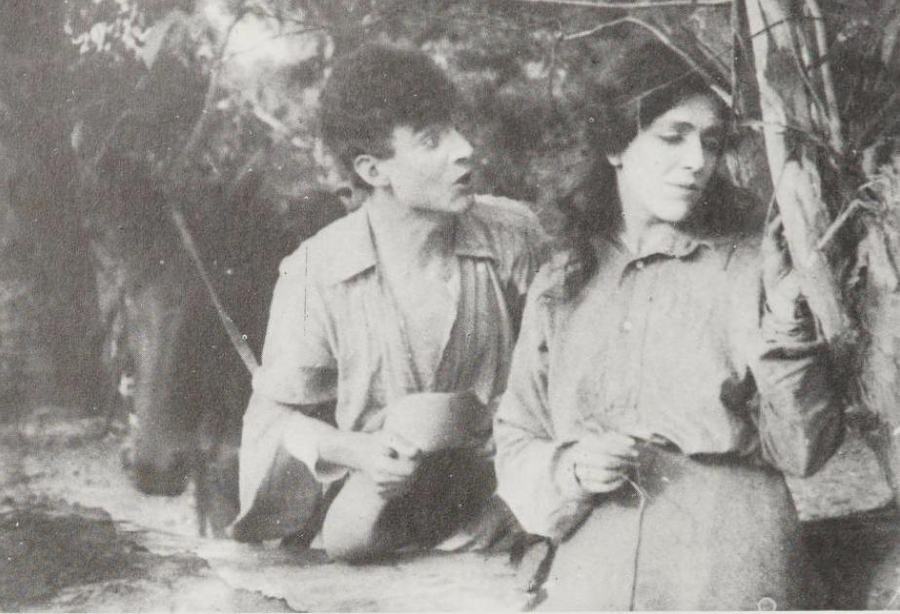
In West Is West, Dick Rainboldt is a cowboy driven by economic necessity, a theme that resonates with the 'everyman' struggle often found in niche cinema. These characters weren't just heroes; they were survivors. The early Western was a space where the 'outlaw' could be a protagonist, a concept that would later evolve into the anti-heroes of 1970s midnight movies. The cult appeal lies in the identification with the struggle—the sense that the world is a harsh place, and only those with a specific, perhaps unconventional, set of skills can navigate it.
The Detective and the Disenfranchised
Beyond the high seas and the dusty trails, the city offered its own brand of cult intrigue. The Reed Case introduced us to Jerry Brennon, an ace detective forced into rest, only to be pulled back into the shadows. This trope of the 'weary investigator' became a cornerstone of noir and, subsequently, the cult detective film. It speaks to a fundamental human curiosity about the dark underbelly of society. When we watch a film like New York Luck, we aren't just seeing a boy from the country trying to make it in the big city; we are seeing the birth of the urban myth, where chance encounters and mysterious women (who leave their purses behind) create a labyrinthine narrative that demands repeat viewings to fully decode.
Transgression and the Taboo: Breaking the Moral Code
If there is one defining characteristic of cult cinema, it is its willingness to go where mainstream films fear to tread. In the early silent era, this often meant tackling social issues with a raw, sometimes shocking honesty. Es werde Licht! 4. Teil: Sündige Mütter is a prime example. By addressing the realities of unwanted pregnancies and the consequences of unprotected sexual intercourse, the film functioned as both a social document and a transgressive piece of art. For audiences of the time, seeing such 'taboo' subjects on screen was a radical experience, creating a sense of shared, secret knowledge that is the very essence of a cult following.
Similarly, The Sin of Martha Queed utilized a mountain setting to explore themes of lust, deception, and moral ambiguity. When Martha feigns an injury to enter a lover's cabin, the film moves into a space of psychological tension that predates the modern thriller. These films were 'dangerous' because they didn't offer easy moral lessons. They showed a world where people were flawed, where actions had messy consequences, and where the line between right and wrong was often blurred. This lack of a traditional moral compass is exactly what draws a 'cult' to a film; it feels more real, more honest, and more challenging than the sanitized versions of life presented elsewhere.
The Melodrama of the Misfit
Melodrama is often dismissed as 'low art,' but in the realm of cult cinema, it is a powerful tool for emotional connection. Justice d'abord and The Barricade used heightened emotions to highlight systemic injustices. In The Big Sister, the struggle of a 'daughter of the slums' to protect her brother from a corrupt system is a narrative that has been echoed in countless independent films since. These stories of the disenfranchised—the orphans in My Boy, the blind sisters in Marriage for Convenience, and the abandoned children in Tears and Smiles—create a deep, empathetic bond with the viewer. We don't just watch their pain; we inhabit it. This emotional intensity is what transforms a casual viewer into a devoted disciple.
Psychological Depths and the Shadow Self
Cult cinema often delves deep into the human psyche, exploring the 'shadow self'—the parts of our nature we try to hide. Silnyi chelovek (The Strong Man) is a chilling exploration of this, featuring a protagonist who murders his friend to steal his literary work. This theme of the 'usurper' or the 'fraud' is a recurring nightmare in cult narratives, tapping into our deepest insecurities about identity and worth. The obsession with authorship and the lengths one will go to achieve fame are themes that feel incredibly modern, proving that the roots of the psychological thriller are buried deep in the silent era.
The use of the supernatural or the uncanny also plays a significant role. The Hypnotist, though a short animation, points toward the fascination with mind control and the loss of agency that would become a staple of cult horror and sci-fi. Even in a drama like Die Legende von der heiligen Simplicia, where a knight attempts to 'turn a saint into a sinner,' we see a preoccupation with the corruption of purity. This battle between the sacred and the profane is a central pillar of the cult aesthetic, often manifesting in the 'nunsploitation' or 'religious horror' genres of later decades.
The Domestic Cage and the Female Perspective
While many early cult films focused on male outlaws, there was also a significant undercurrent of female-led narratives that challenged the status quo. A Doll's House (1922) brought Ibsen's Nora to the screen, a woman trapped in a 'gilded cage' of domesticity who eventually chooses self-liberation over societal expectation. This theme of 'breaking free' is a powerful cult motivator. Similarly, Golden Rule Kate features a hard-nosed saloon owner who navigates a man's world with her own set of rules. These characters were not just 'love interests'; they were the architects of their own destinies, often operating in the 'gray areas' of morality, such as the manicurists in Devil McCare and The Narrow Path who must fend off the unwanted advances of wealthy, dissipated men.
Visual Innovation and Genre Hybridity
What often sets a cult film apart is its 'look'—a visual style that is either ahead of its time or so unique that it becomes iconic. Early experiments in genre-blending were the precursors to the 'genre-bending' hits of today. The Road Demon combined the thrill of racing with the grit of a western, creating a high-octane experience that appealed to a burgeoning 'car culture' long before the *Fast & Furious* franchise existed. The spectacle of the 'broken-down automobile' transformed into the 'fastest racer on the west coast' is a classic underdog story, but told with a mechanical flair that was revolutionary for its time.
We also see the seeds of the 'meta-narrative' in films like Helene of the North, where the story is framed as a game played by socialites. This 'story within a story' structure invites the audience to question the nature of storytelling itself, a common trait in the works of cult directors like David Lynch or Quentin Tarantino. By breaking the 'fourth wall' or playing with narrative layers, these early films invited a more sophisticated, engaged form of viewership—the kind of viewership that leads to the intense analysis and theory-crafting found in modern fandoms.
The Enduring Legacy of the Fringe
As we look at the vast landscape of early cinema, from the swashbuckling adventures of Les Aventures de Robinson Crusoé to the social satires of Eden and Return, we see a recurring pattern. The films that endure, the ones that find their way into the hearts of 'cult' audiences, are the ones that refuse to be simple. They are the films that embrace the 'messiness' of life, the 'strangeness' of the human condition, and the 'beauty' of the outsider. Whether it's the comedic antics of A Close Shave or the dark drama of The Fool's Revenge, these movies offered something that the mainstream could not: a sense of belonging for those who didn't belong.
The 'cult' is not just about the movie itself; it's about the community that forms around it. When we watch Mästerkatten i stövlar or Den skønne Evelyn, we are participating in a tradition of seeking out the hidden gems, the forgotten masterpieces, and the glorious failures. We are looking for the 'spark' of rebellion that ignited over a century ago. The pioneers of the silent era didn't know they were creating 'cult cinema,' but by following their own unconventional visions, they built the altar at which we still worship today. They proved that cinema is at its most potent when it is at its most daring, its most transgressive, and its most human.
In conclusion, the journey from the 'fringe' to the 'pantheon' is a long and winding one, but it is a journey that began with the very first flicker of the projector. The misfits, the moral mutants, and the genre rebels of the early 20th century provided the DNA for everything we love about cult cinema today. Their legacy is not just in the films themselves, but in the spirit of defiance and devotion that continues to drive the cinematic underground. As long as there are stories that challenge the norm and audiences who crave the unconventional, the Outsider’s Odyssey will continue, one frame at a time.
Community
Comments
Log in to comment.
Loading comments…