
Film History
The Parlor-Room Anarchist: How the Silent Era’s War on Domesticity Scripted the Cult of the Unruly Woman
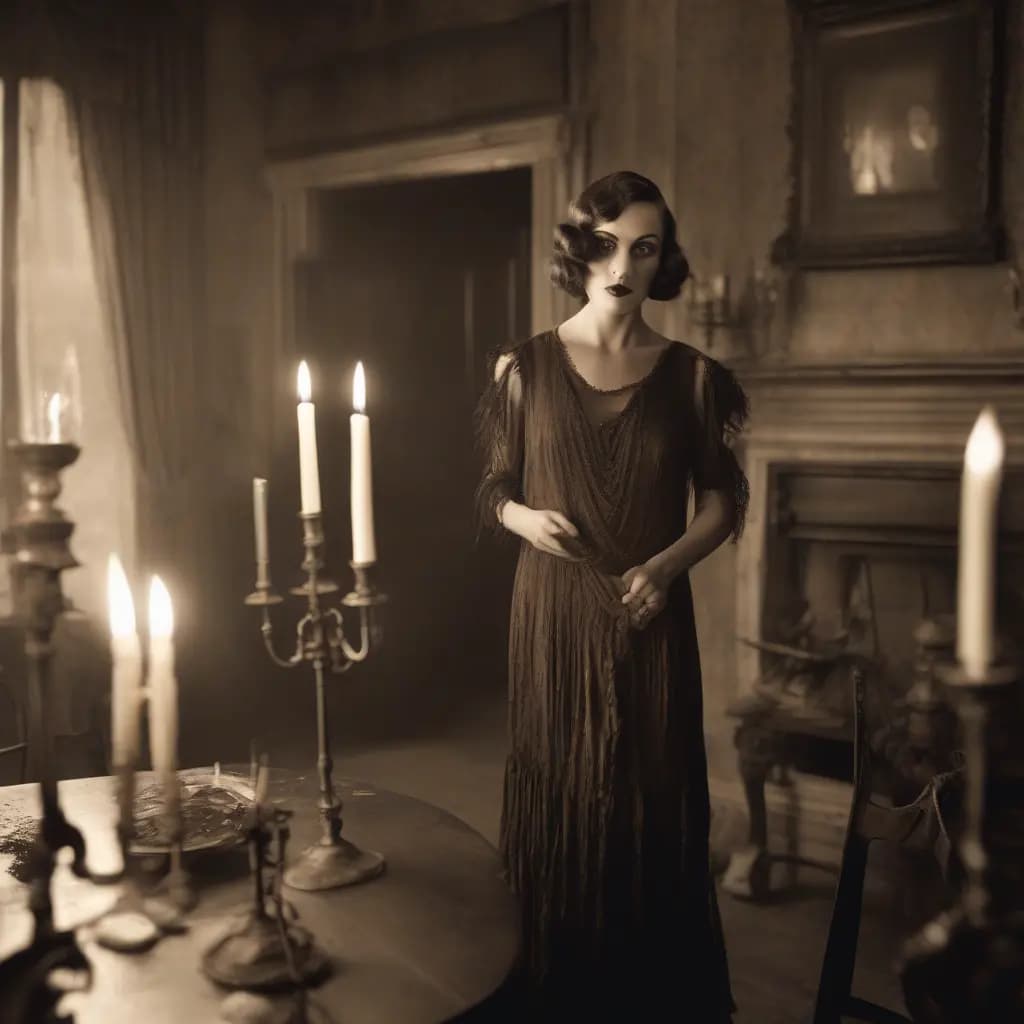
“Long before the subversive housewives of the 1970s, the silent era was already dismantling the 'happy home' through a radical, nitrate-soaked lens of domestic sabotage and social defiance.”
When we talk about the 'cult of the transgressive woman,' the modern mind often drifts to the neon-soaked vengeance of the 70s or the ice-cold domestic thrillers of the 90s. We think of the suburban malaise of Blue Velvet or the Stepford-adjacent horrors of the late 20th century. But the blueprint for this rebellion wasn't drafted in the age of technicolor; it was etched in the flickering, volatile silver of the late 1910s and early 1920s. This was the era of the Parlor-Room Anarchist—a cinematic archetype that didn't just inhabit the home, but sought to burn the very concept of the 'bourgeois sanctuary' to the ground. These were films that didn't just document social change; they weaponized it, creating a visceral, often uncomfortable dialogue with an audience that was watching the Victorian world crumble in real-time.
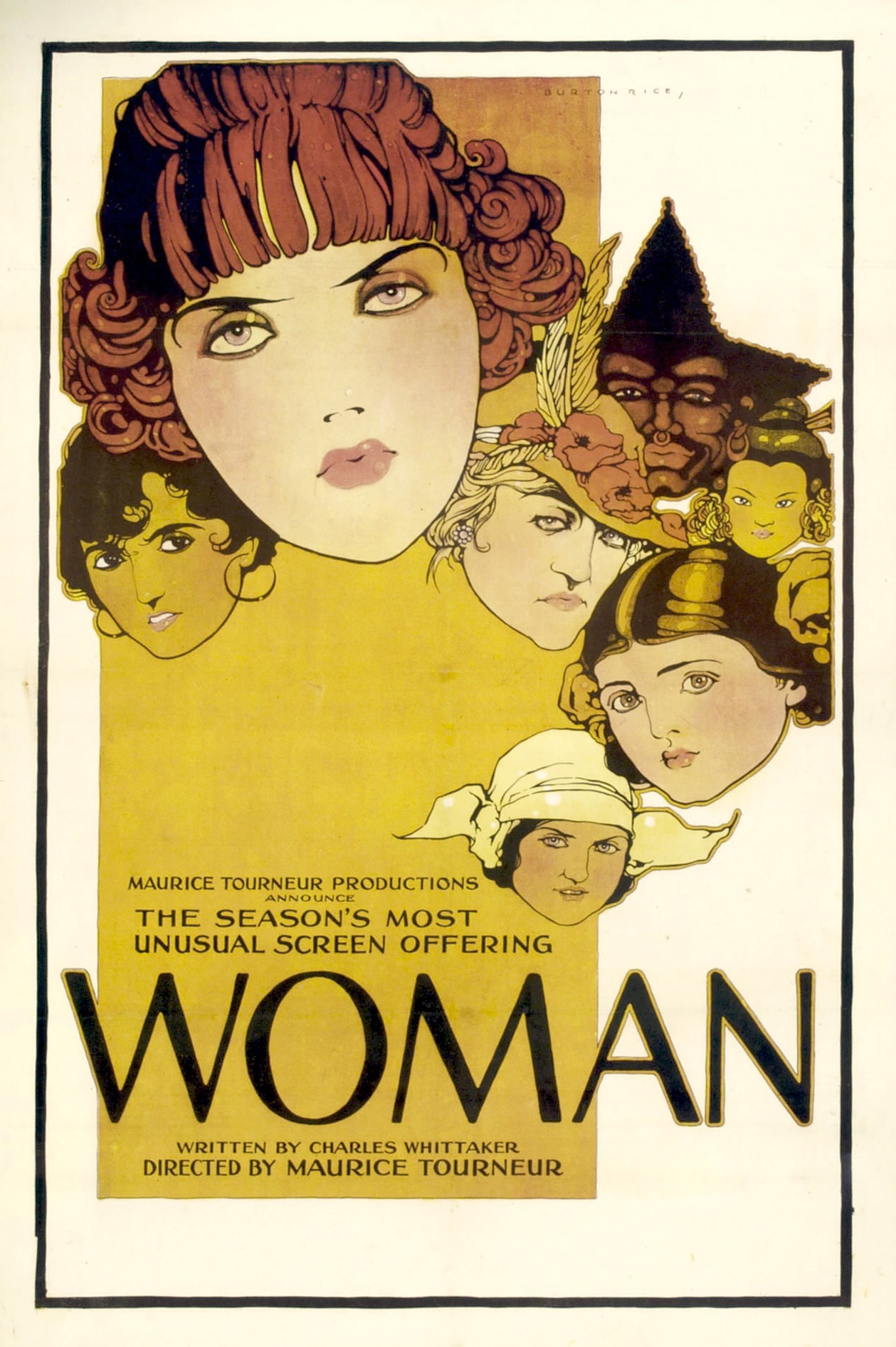
The Rupture of the Bourgeois Dream
To understand the cult power of these early domestic dramas, one must first understand the weight of the cage they were rattling. The parlor was more than a room; it was a moral fortress. When a film like Jalousiens Magt (1918) hit the screen, it wasn't merely a tale of marital discord. It was a sensory shock to the system. The story of Inger, a woman who abruptly ceases to care for her home, her husband, or the suffocating expectations of her class to join the 'Women’s Lib' movement, was a radical departure from the 'angel in the house' trope. The film captures the genuine horror of the Supreme Court Attorney husband, Carl Crone, not as a melodrama of infidelity, but as a systemic collapse. This is where the 'cult of the domestic rebel' begins: in the deliberate abandonment of the vacuum-sealed perfection of the upper-middle class.
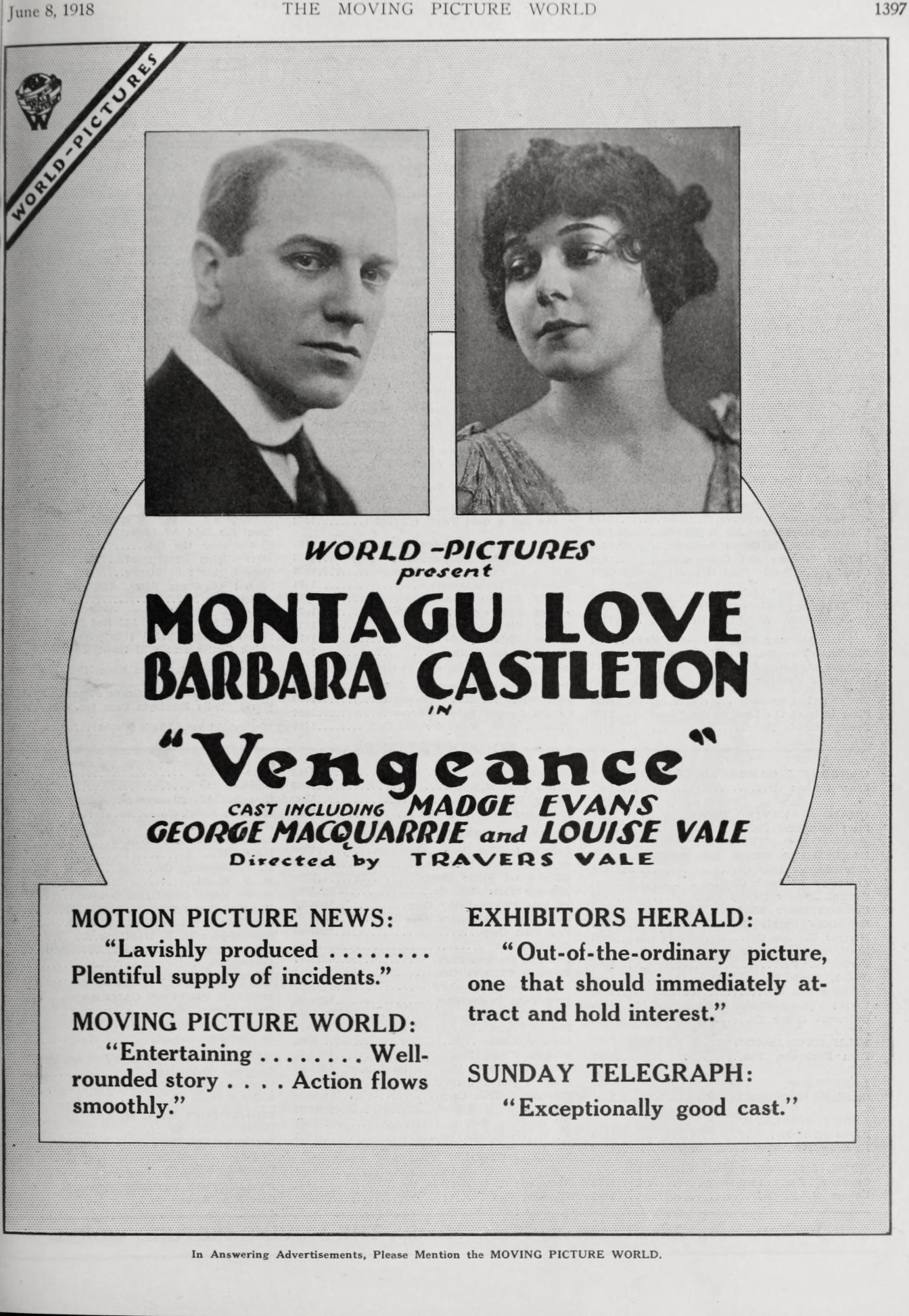
In these narratives, the home is no longer a haven; it is a site of psychological warfare. The 'unruly woman' of this era wasn't just seeking a vote; she was seeking an identity that existed outside the gaze of her 'admirers' or her 'protectors.' We see this friction echoed in The Garter Girl (1920), where Rosalie Ray, a vaudeville dancer, flees the stage to find anonymity in a small town. The tension arises because the world refuses to let her be anything other than a spectacle. The cult fascination here lies in the refusal to perform. These characters are the spiritual ancestors of every cinematic protagonist who has ever looked at a picket fence and seen a row of bayonets.

The Predator in the Silk Gown
While some films explored the escape from the domestic sphere, others focused on the dark, predatory energy that could fester within it. The silent era's obsession with the 'Vamp' or the 'Tiger Woman' was a manifestation of the fear that the 'fairer sex' was, in fact, a dormant volcano of ambition and malice. Take The Tiger Woman (1917), featuring the formidable Princess Petrovich. As she faces the gallows, the film treats us to a retrospective of 'unmitigated evil.' This isn't the sanitized villainy of a cartoon; it is a calculated, cold-blooded dismantling of men and institutions. It is the 'anti-mother,' the woman who refuses to nurture and instead chooses to consume.
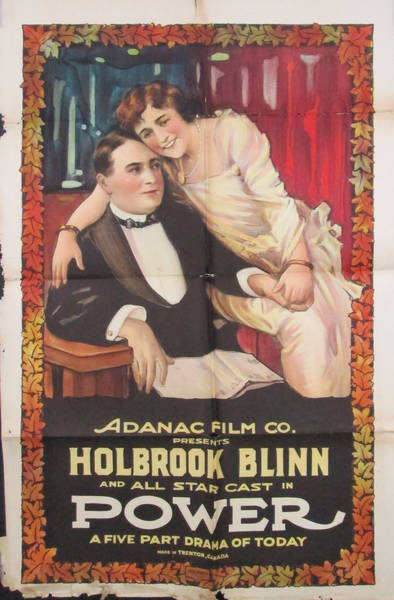
"The nitrate ghosts of the silent era don't just haunt us with their beauty; they haunt us with their refusal to stay in the boxes society built for them. They are the original architects of cinematic transgression."
This archetype is vital to cult cinema because it rejects the binary of 'saint or sinner.' Characters like Princess Petrovich or the anti-heroines in Fior di male (1915) operate in a moral gray zone that would later define the 'femme fatale' of noir. In Fior di male, Lyda is a woman pushed to the absolute fringes—prostitution, unwanted pregnancy, and abandonment. The 'cult' element here is the empathy the lens affords to her. It doesn't judge her from a high pulpit; it sits in the gutter with her. This shift from moralizing to witnessing is the exact moment when 'cinema' becomes 'cult cinema.'
The Masquerade: Class Sabotage as Comedy
Identity Theft and the Bourgeois Mirror
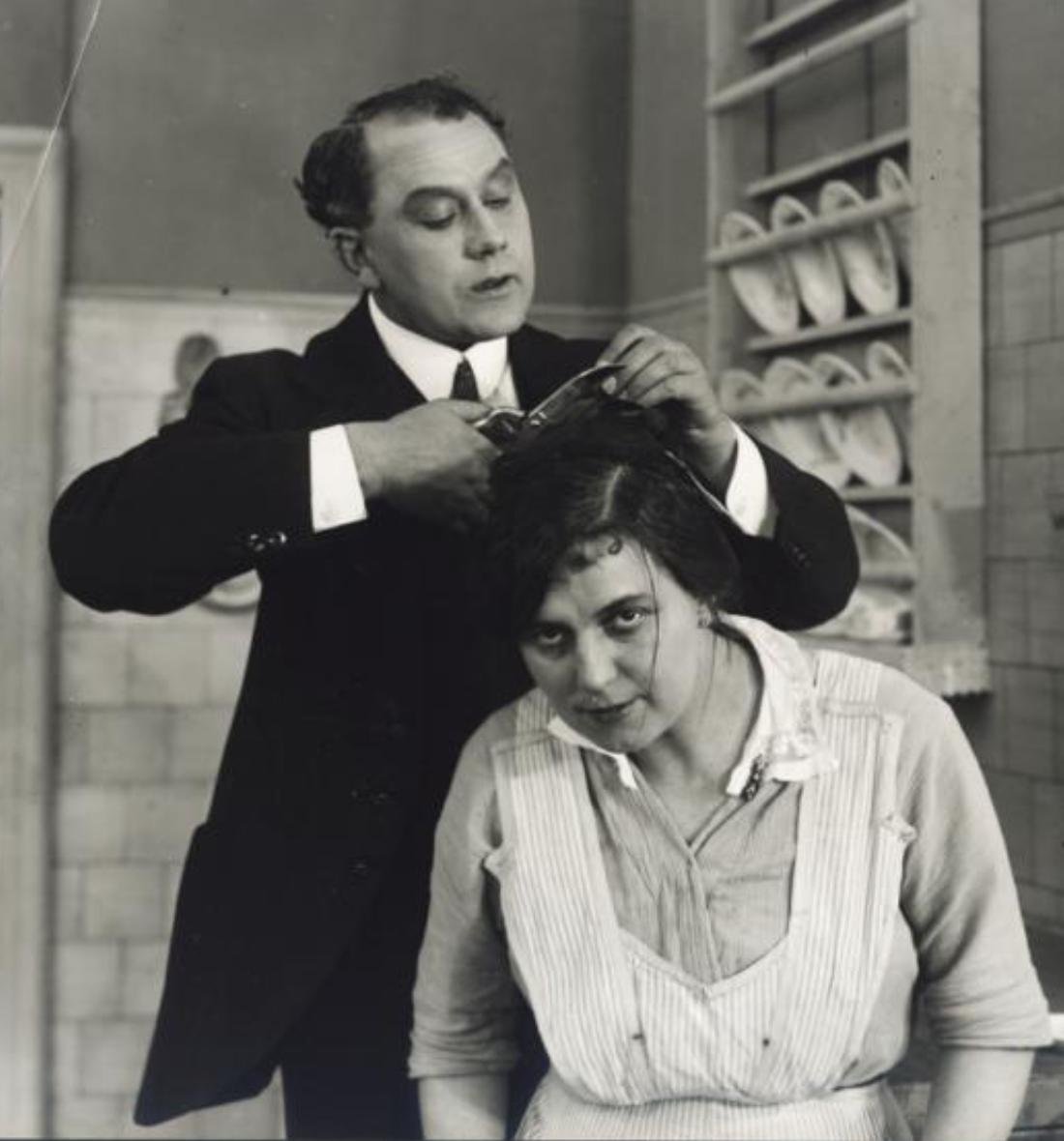
Subversion in the 1920s wasn't always a tragedy; often, it was a riotous, slapstick takedown of the social hierarchy. The 'masquerade' film—where a member of the lower class infiltrates the upper crust—is a foundational cult trope. It suggests that class is not an inherent quality, but a costume that can be stolen. In Cinderella Cinders (1920), an unemployed cook and a butler impersonate the high-society guests of a party. The comedy comes from the ease of the deception. If a cook can play a countess, then what is a countess really worth? This 'identity-fluid' narrative is a direct precursor to films like The Rocky Horror Picture Show or Pink Flamingos, where the performance of identity is used to mock the 'normal' world.
- Pardon Me (1921): A laundry wagon driver finds a dress suit and instantly becomes a 'Count,' exposing the shallow nature of the 'lower four hundred.'
- Her Fatal Millions (1923): A jewelry clerk uses the rumor of a fortune to manipulate her social standing, proving that perception is more powerful than reality.
- The Greenhorn (1918): The immigrant experience as a frantic, kinetic struggle against a system that wants to label and quarantine the 'other.'
These films were 'cult' because they spoke to the marginalized. They offered a fantasy of social mobility that was achieved not through hard work (the 'honest' way), but through trickery and transgression (the 'cult' way). They celebrated the 'grifter' and the 'imposter' as heroes of the modern age.
The Social Pariah as the New Protagonist
Perhaps the most enduring legacy of this era is the elevation of the 'pariah' to the status of a cult icon. Before the 1910s, a character who sinned against social mores was usually a cautionary tale. By 1917, they were becoming the emotional core of the film. In The Girl from the Marsh Croft, Helga’s refusal to let her child’s father lie about his paternity is presented as an act of profound moral courage, even though it brands her a social outcast. This is 'the cult of the victim who fights back.'
We see a similar thread in As the Sun Went Down (1919), where 'Colonel Billy,' a female gunfighter, is feared by men and shunned by 'respectable' women. She exists in a liminal space—too violent for the parlor, too feminine for the saloon. This 'in-between' status is the hallmark of the cult protagonist. They are people who do not fit, and in their 'not-fitting,' they reveal the cracks in the world around them. Even in lighter fare like The Midlanders (1920), the orphan Aurelie’s journey from a convent to a riverboat is a rejection of the 'settled life' in favor of something more fluid and dangerous.
Why the Nitrate Rebellion Still Matters
We often treat silent cinema as a museum piece—a dusty, silent ancestor to the 'real' movies that came later. But when you strip away the lack of synchronized sound, what you find in the late 1910s is a cinema that was arguably more radical, more daring, and more 'cult' than the decades that followed. The arrival of the Hays Code in the 1930s would effectively lobotomize this spirit for years, forcing the 'unruly woman' back into the parlor and the 'imposter' back into the gutter.
But the spirit of the Parlor-Room Anarchist survived. It lived on in the underground, in the midnight movies, and in the hearts of filmmakers who understood that the most transgressive thing you can do is to refuse your assigned role. When we watch a modern cult masterpiece about a woman dismantling her life, we aren't seeing something new. We are seeing the latest incarnation of a ghost that has been haunting the screen since Inger walked out on Carl Crone in 1918. These films taught us how to watch the world burn—and how to find the beauty in the ashes.
Community
Comments
Log in to comment.
Loading comments…