
Cult Cinema
The Primal Blueprint: Decoding the Early Maverick Visions That Birthed the Cult Cinema Cultus

“An exploration into how the silent era's most daring outliers and genre-defying anomalies established the DNA for modern cult cinema obsession.”
The history of cinema is not merely a linear progression of technological advancements or a curated list of Academy Award winners. Instead, it is a jagged, neon-lit map of the strange, the rejected, and the misunderstood. To understand cult cinema is to look beyond the surface of mainstream appeal and delve into the subterranean layers of film history where the 'misfit' reigns supreme. Long before the term 'midnight movie' was coined in the 1970s, the seeds of niche devotion were being sown in the flickering shadows of the silent era. These early works, often dismissed by contemporary critics as mere curiosities or moral failures, actually provided the primal blueprint for what we now recognize as the cult aesthetic.
The Genesis of the Cinematic Outlaw
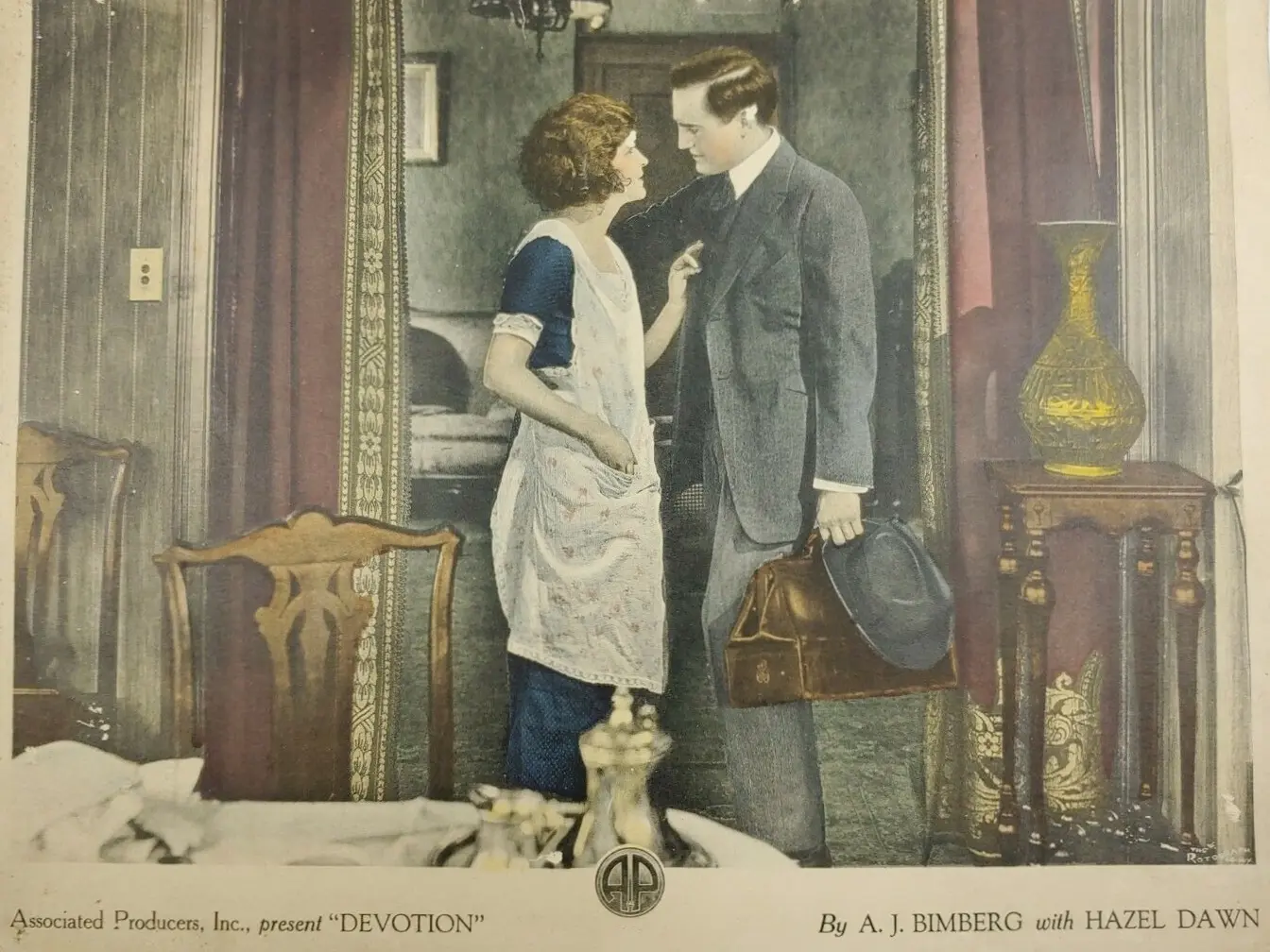
At its core, cult cinema is defined by a transgressive spirit—a refusal to adhere to the rigid structures of polite society or traditional storytelling. In the early 20th century, this rebellion often manifested as a fascination with the criminal underworld and the moral 'other.' Take, for instance, the 1913 classic Tigris. This film introduced audiences to a cat-and-mouse game between a detective and a criminal gang that felt dangerously modern. It wasn't just a story; it was an atmosphere of urban dread and clandestine excitement. This fascination with the rogue element is further echoed in The Kickback and the Bull Arizona series, where the protagonist is often a bank-specialized outlaw with a 'rough shell and a golden heart.' These films didn't just entertain; they invited the audience to sympathize with the outsider, a hallmark of the cult experience.
The Femme Fatale and the Narcissistic Gaze
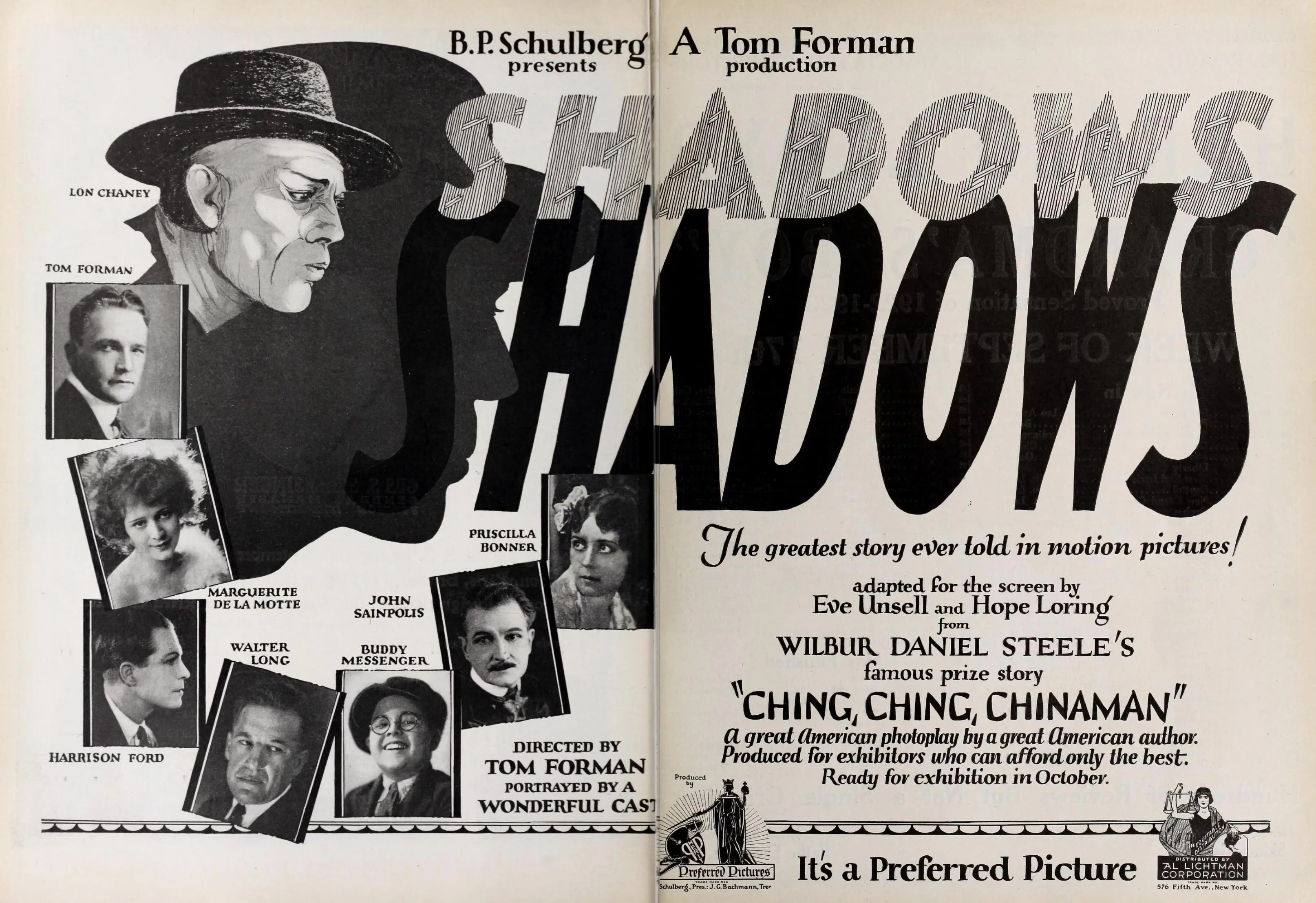
Cult cinema has always been obsessed with the magnetic power of the individual, particularly those who defy gender norms. The Wolf Woman (1916) presents a narcissistic protagonist, Leila Aradella, who preys upon the weak. This early exploration of the 'vamp' archetype is essential cult DNA. It challenges the viewer's moral compass, forcing an attraction to a character who is objectively destructive. Similarly, in The Soul of Satan, we see Miriam Lee’s descent into a world of ruthless gambling and elegant vice. These narratives established a precedent for the 'dangerous woman' who would later populate the noir-cult hybrids of the 1940s and 50s. They were films that dared to suggest that the pursuit of power and pleasure was more interesting than the pursuit of virtue.
Global Deviance and the Aesthetics of the Exotic
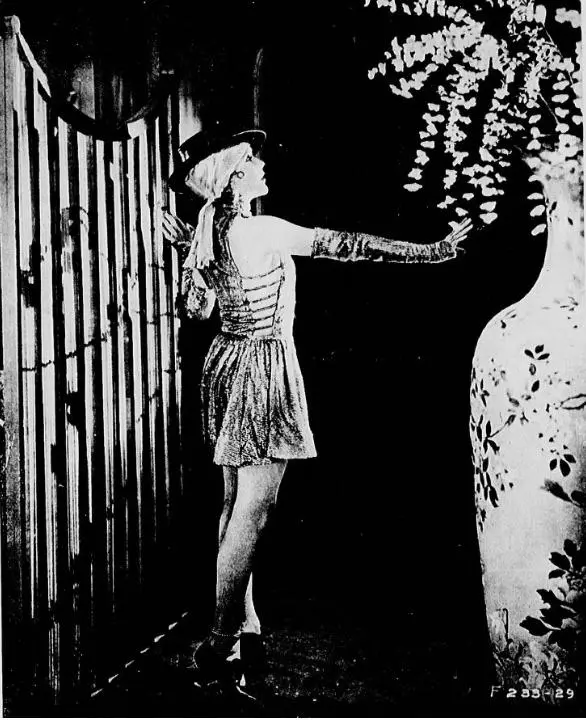
The cult impulse is inherently global. It seeks out the 'other' across borders, often through a lens that is both fetishistic and deeply curious. The Ethiopian-Egyptian conflict in The Loves of Pharaoh or the early Indian mythological mastery of Kaliya Mardan represent more than just historical dramas; they represent a visual language that was, to Western eyes, wonderfully alien. Mr. Wu and Broken Blossoms further complicated this by bringing the 'East' to the 'West,' often through tragic, stylized narratives that prioritized mood over realism. Broken Blossoms, in particular, with its depiction of a sensitive immigrant befriending an abused waif in London's Limehouse District, created a template for the 'tragic cult romance'—a subgenre that thrives on the beauty of the broken and the doomed.
Subverting Social Taboos: The Educational Cult
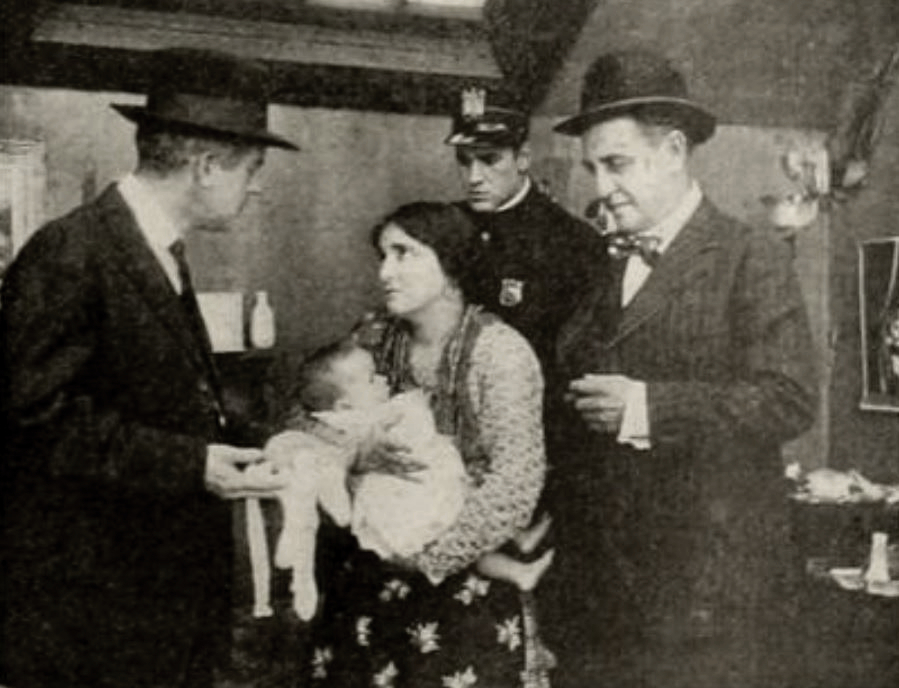
One of the most fascinating precursors to modern cult obsession is the 'social hygiene' film. The End of the Road (1919) is a prime example. By presenting contrasting versions of the 'birds and the bees'—one factual, one prudish—the film stepped into territory that was considered scandalous. This willingness to address the 'forbidden' is exactly what draws a cult audience. Whether it is the red birthmark that forces a heroine to steal in The Red Circle or the exploration of blindness and social disgust in Dawn, these films tackled subjects that the mainstream preferred to ignore. They created a space for the disenfranchised to see their own anxieties and 'abnormalities' reflected on the silver screen.

The Anarchy of the Short and the Strange
Cult cinema isn't always heavy with tragedy or moral ambiguity; sometimes, it is born from pure narrative anarchy. The early short films like Now or Never, The Shimmy Gym, and the animated chaos of Kats Is Kats provided a laboratory for experimentation. These films often lacked the polish of major features, but they possessed a raw energy that resonated with those who found the 'perfect' cinema of the era to be stifling. In Now or Never, the simple premise of a man unaccustomed to children on a train trip becomes a surrealist comedy of errors. This 'accidental surrealism' is a cornerstone of cult worship, where the bizarre nature of the production itself becomes the attraction.
The Architecture of Obsession: Why These Films Endure
Why do we still talk about The Dishonored Medal or The Last of the Ingrams? It is because these films contain what I call 'the ghost in the machine.' They are artifacts of a time when the rules of cinema were still being written by mavericks and outcasts. In The Last of the Ingrams, the depiction of a man seeking solace in drink while being driven from his home by a ruthless banker is a universal story of the 'underdog' that never goes out of style. Cult audiences are, by nature, protectors of the underdog. They find value in the 500 Pounds Reward or the localized drama of A Vermont Romance because these films represent a human element that is often polished away in higher-budget productions.
The Legacy of the Forgotten: From Obscurity to Icon
The journey from a forgotten reel to a cult icon is often long and winding. Films like Exile, with its brutal governor and native rebellion, or East Is East, featuring the rough-tongued Viccy, were once just 'content' for the nickelodeons. Today, they are studied as vital examples of early social commentary and character-driven storytelling. The National Red Cross Pageant might have started as a propaganda tool, but through the lens of history, it becomes a fascinating, large-scale visual experiment. This transformation—this alchemical change from the mundane to the sacred—is the very essence of the cult experience.
The enduring allure of cult cinema lies in its ability to provide a sanctuary for the strange. Whether it is the heart-wrenching drama of Les deux gamines or the high-stakes intrigue of The Phantom, these films offer an alternative to the homogenized narratives of the modern blockbuster. They remind us that cinema is at its best when it is a little bit dangerous, a little bit weird, and entirely uncompromising. As we look back at the first century of film, we see that the 'misfits' like Mary Moreland or The Beauty Market weren't just footnotes; they were the pioneers of a cinematic revolution that continues to inspire rebels and dreamers today.
Conclusion: The Eternal Return of the Maverick
In conclusion, the 'cult' is not a destination, but a way of seeing. By examining early works such as Narayana, La Fille sauvage, and The Soul of Satan, we realize that the impulse to worship the unconventional is as old as the medium itself. The Primal Blueprint of cult cinema is etched in every frame of these early masterpieces. They taught us that a film doesn't need to be perfect to be immortal; it just needs to have a soul that refuses to be forgotten. As long as there are audiences who seek out the shadows, the legacy of the cinematic outcast will continue to burn bright, illuminating the path for the next generation of maverick filmmakers.
Community
Comments
Log in to comment.
Loading comments…