
Cult Cinema Deep Dive
The Renegade’s Refraction: Unmasking the Subversive DNA and Cult Magnetism of Cinema’s Earliest Genre Experiments
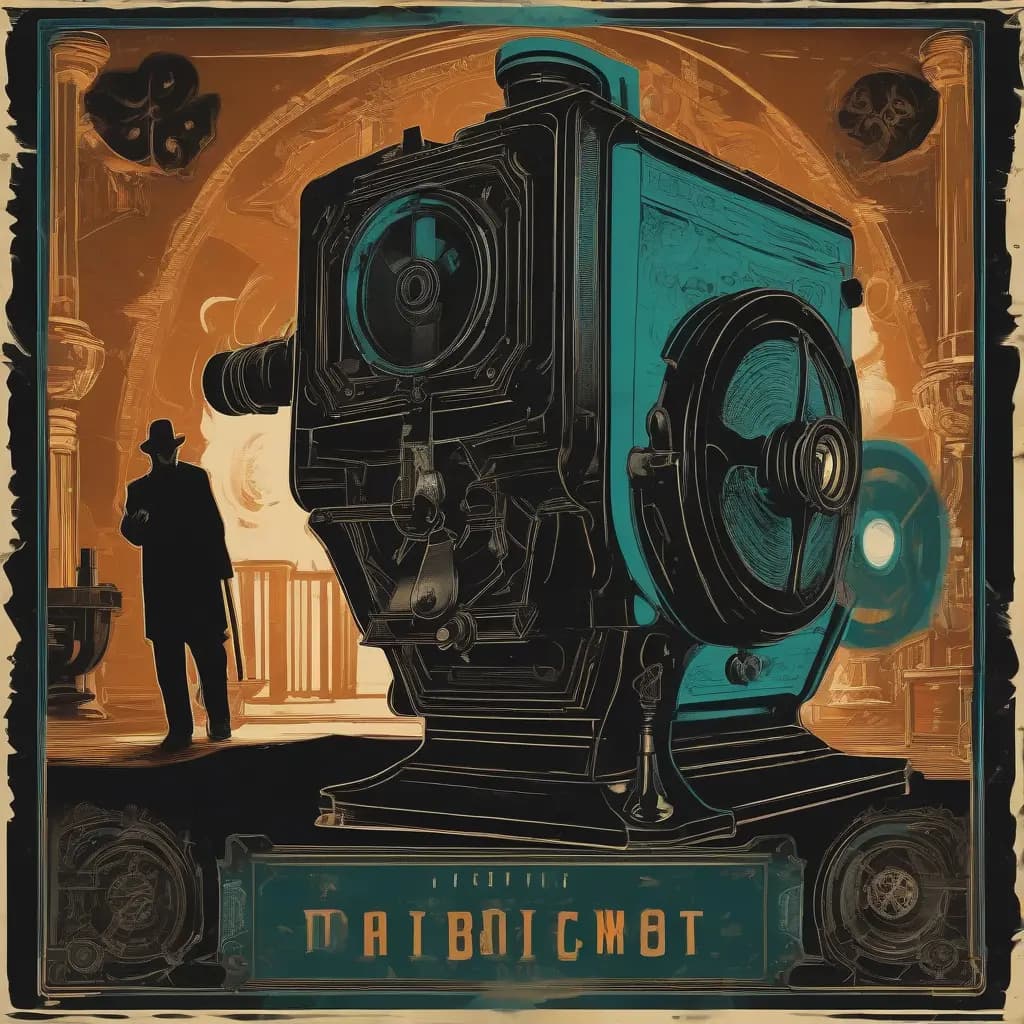
“A deep-dive exploration into how the forgotten fringes of early cinema, from Dadaist shorts to alchemical dramas, established the blueprint for modern cult obsession.”
The concept of cult cinema is often erroneously tethered to the midnight movie craze of the 1970s, a product of the counter-culture explosion. However, the genetic markers of the cult phenomenon—the devotion to the strange, the embrace of the transgressive, and the worship of the narrative outlier—were present in the very first flickers of the celluloid age. To understand why we obsess over the unconventional today, we must look back at the genre rebels who operated in the shadows of the silent era.

The Alchemical Origins of Narrative Deviance
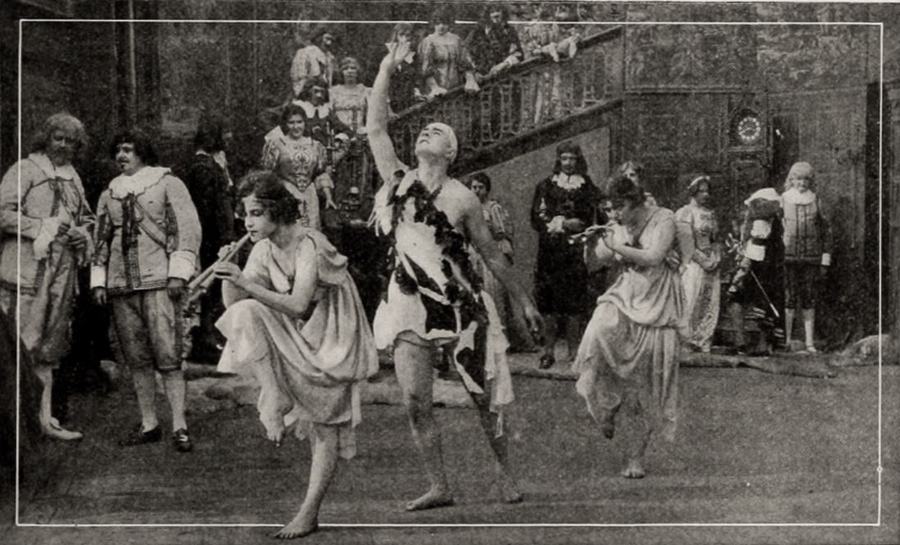
Before the industry codified its rules, cinema was a wild frontier of experimentation. One of the most striking examples of this early subversion is The Birth of Character. In this film, an alchemist facing the stake prophesies that his teachings will one day be universal truth. This theme of transformation—of the human soul being forged through fire and trial—is a foundational pillar of cult storytelling. It mirrors the experience of the cult viewer, who often seeks a transformative experience that the mainstream cannot provide.
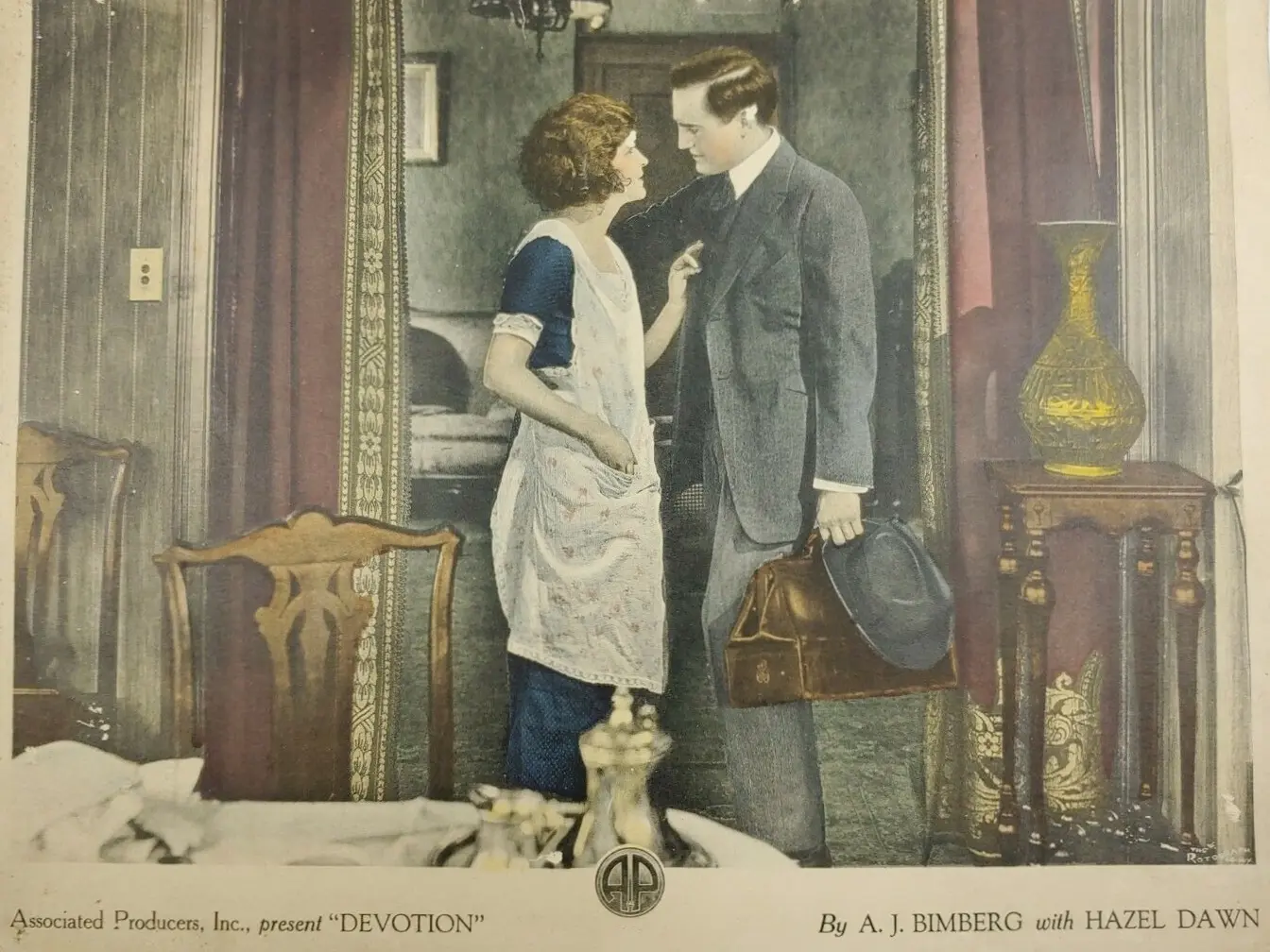
Similarly, The Black Crook, with its tale of dungeons, jealous counts, and the titular master of dark arts, Hertzog, established the Gothic aesthetic that would eventually feed into the horror and fantasy cults of the modern age. These films weren't just stories; they were visual incantations. They invited the audience into a space of moral ambiguity and supernatural wonder, a space where the logic of the everyday was suspended in favor of the primordial weirdness of the human condition.
Dadaism and the Rupture of Reason
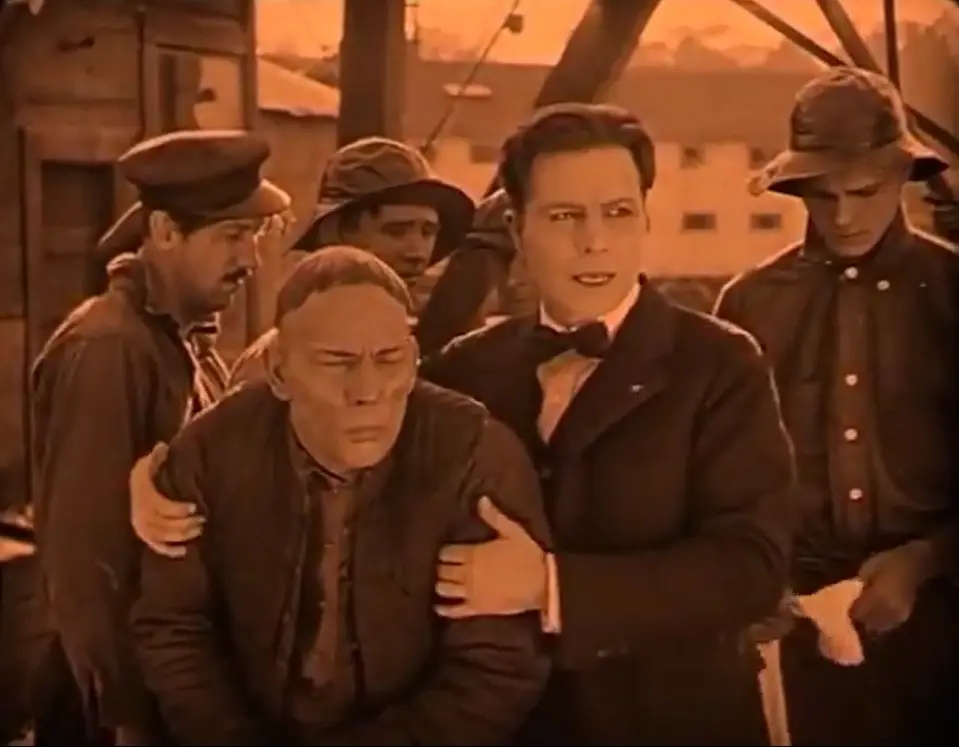
In 1923, Man Ray’s Return to Reason (Le Retour à la Raison) effectively detonated the traditional narrative. By scattering salt, pepper, and pins directly onto the film strip, Ray created a work of pure visual anarchy. This Dadaist impulse—the desire to break the medium to see how it works—is the same energy that drives fans to embrace the 'so-bad-it-is-good' or the purely avant-garde. Cult cinema thrives on the rupture; it lives in the jagged edges where the machine of the industry breaks down.

When we watch gyrating eggcrates and light-striped torsos in Return to Reason, we are witnessing the birth of the midnight mindset. It is a refusal to be passive. It demands a viewer who is willing to find meaning in the abstract and beauty in the glitch. This spirit of rebellion against the 'polished' product is what connects a 1920s Parisian art gallery to a modern-day screening of experimental shorts in a basement in Brooklyn.

Subverting the Domestic: The Social Outliers
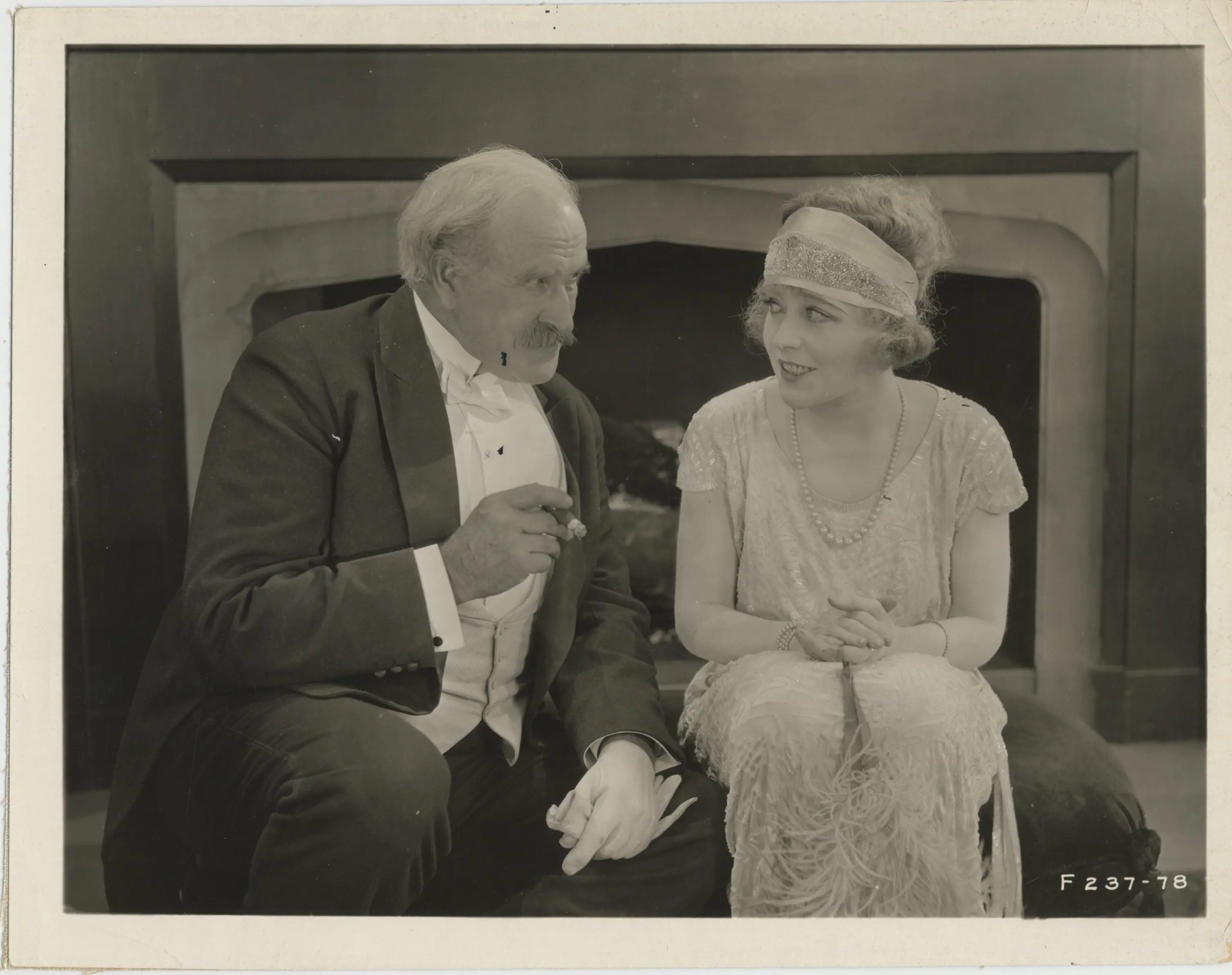
Cult cinema has always been a haven for those who felt out of step with social norms. Consider the radical premise of Experimental Marriage (1919). The idea of a couple living together only from Saturday to Monday to preserve their individual freedom was a direct challenge to the patriarchal structures of the time. This type of social transgression is a hallmark of cult narratives, which often center on characters who reject the status quo.
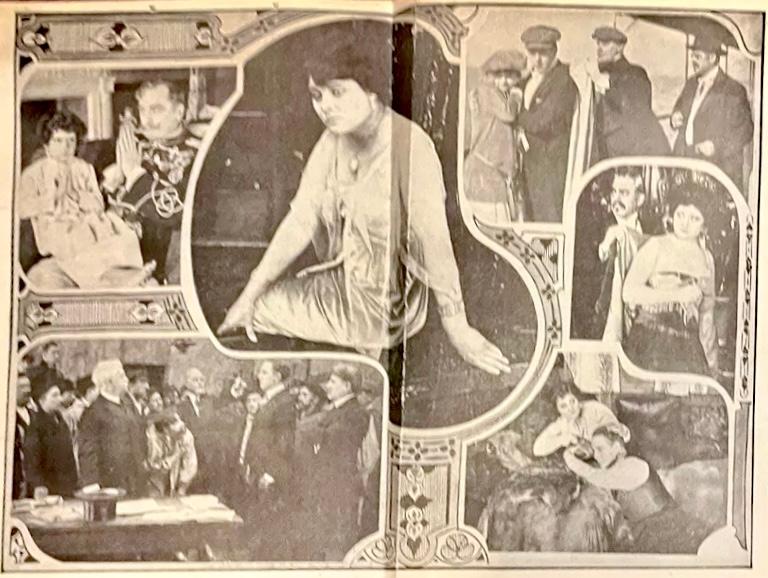
We see this again in His Naughty Wife and Experimental Marriage, where the domestic sphere becomes a stage for gender-bending and role-playing. These films provided a blueprint for the cult of the 'outsider.' By presenting unconventional relationships as something to be explored rather than immediately condemned, early cinema paved the way for the queer and feminist cult classics of the later 20th century. The maverick spirit of these early creators was not just in their technique, but in their willingness to question the very fabric of society.
The Pulp Pulse: Serials and the Birth of Fandom
The obsessive nature of cult fandom can be traced back to the early serials. The Romance of Elaine and its predecessor, *The Exploits of Elaine*, created a culture of anticipation. When Craig Kennedy’s 'super-force torpedo' is stolen and he disappears, the audience was left in a state of suspended animation until the next installment. This serialized suspense is the ancestor of the modern binge-watching culture and the deep-lore obsession of sci-fi and horror communities.
Perhaps no figure embodies the 'cult villain' archetype better than the antagonist in The Fungi Cellars. Dr. Fu-Manchu, trapping his pursuers in a chamber of deadly giant mold spores, represents the kind of over-the-top, stylistically decadent villainy that fans adore. The sheer absurdity of the threat—deadly spores in a cellar—is exactly the kind of detail that becomes a point of devotional trivia among enthusiasts. These films were the first to understand that a memorable villain is often more important than a relatable hero.
The Jinx and the Joke: The Comedy of the Misfit
The 'loser' or the 'jinxed' protagonist is a staple of cult cinema—the character who is so relentlessly battered by fate that they become a symbol of resilience. In Never Say Quit, Reginald Jones is born on Friday the 13th with 13 letters in his name. His life is a comedy of errors, a series of misfortunes that resonate with anyone who has ever felt like an outsider in their own life. This archetypal anomaly is the forefather of the 'sad-sack' heroes found in the films of Wes Anderson or the Coen Brothers.
Similarly, the drug-store chaos of The Pill Pounder and the nautical burlesque of April Fool showcase a type of slapstick that is rooted in the breakdown of order. Cult comedy often relies on the anarchic energy of a character trying (and failing) to maintain dignity in an absurd world. Whether it is a monkey making home brew in The Bar Fly or a serious-minded fool in One-Thing-at-a-Time O'Day, these films celebrate the eccentric and the idiosyncratic over the conventional.
Documenting the Edge: The Spectacle of the Real
Cult obsession isn't limited to fiction; it often extends to the strange corners of reality. Nankyoku tanken katsudô shashin, the footage from Lieutenant Nobu Shirase’s second Antarctica expedition, represents the early cinema of the extreme. The fascination with the 'unseen' world—the frozen wastes, the alien landscapes of our own planet—is a precursor to the 'mondo' films and the transgressive documentaries that would later populate the cult circuit.
This desire to witness the impossible or the forbidden is also seen in the dramatic fringes of the era. Paid in Advance and The Splendid Sinner took audiences into the 'wilderness' of the human soul, exploring themes of 'soiled' pasts and the moral decay of the gold fields. These films were the 'grindhouse' features of their day, offering a glimpse into lives lived on the edge of legality and social acceptance. They provided the gritty texture and moral complexity that modern cult fans crave in their cinema.
The Global Fringe: A Mosaic of Subversion
The cult spirit was never confined to Hollywood. From the Icelandic comedy of Ævintýri Jóns og Gvendar to the German expressionist-adjacent drama of Die Diktatur des Lebens, the early 20th century was a global network of genre-defiance. These films often dealt with the 'curse of greed' or the 'dictatorship of life,' reflecting a universal anxiety about the modern world. In König Nicolo, a deposed king wanders his former empire unrecognized—a haunting metaphor for the forgotten masterpiece itself.
This international perspective is crucial to the cult ethos. The cult viewer is a cinematic archeologist, digging through the archives of different cultures to find the rare, the misunderstood, and the bizarre. Whether it is a parody of American thrillers in the French film Le pied qui étreint or the child-led fantasy of Aladdin and the Wonderful Lamp, these outliers proved that the language of cinematic rebellion is universal.
Conclusion: The Eternal Flicker of the Fringe
The films of the early 20th century—the genre mutants and narrative misfits—did more than just entertain; they created the DNA of modern fandom. They taught us how to worship the strange, how to find beauty in the broken, and how to value the vision of the renegade over the mandate of the studio. When we watch a contemporary cult classic, we are hearing the echoes of The Flaming Sword, The Golden Goal, and Sea Shore Shapes.
The subversive pulse of cinema has always beaten strongest on the periphery. As we continue to navigate the vast ocean of modern content, it is these early ripples—the experiments of the silent era—that still guide us toward the most interesting shores. The renegade’s radiance is eternal; it is the light that flickers in the projector when the rest of the world has gone to sleep.
Community
Comments
Log in to comment.
Loading comments…