
Film History
The Sainted Pariah: How the Silent Era’s ‘Fallen Woman’ and ‘Social Drudge’ Scripted the DNA of Modern Cult Devotion
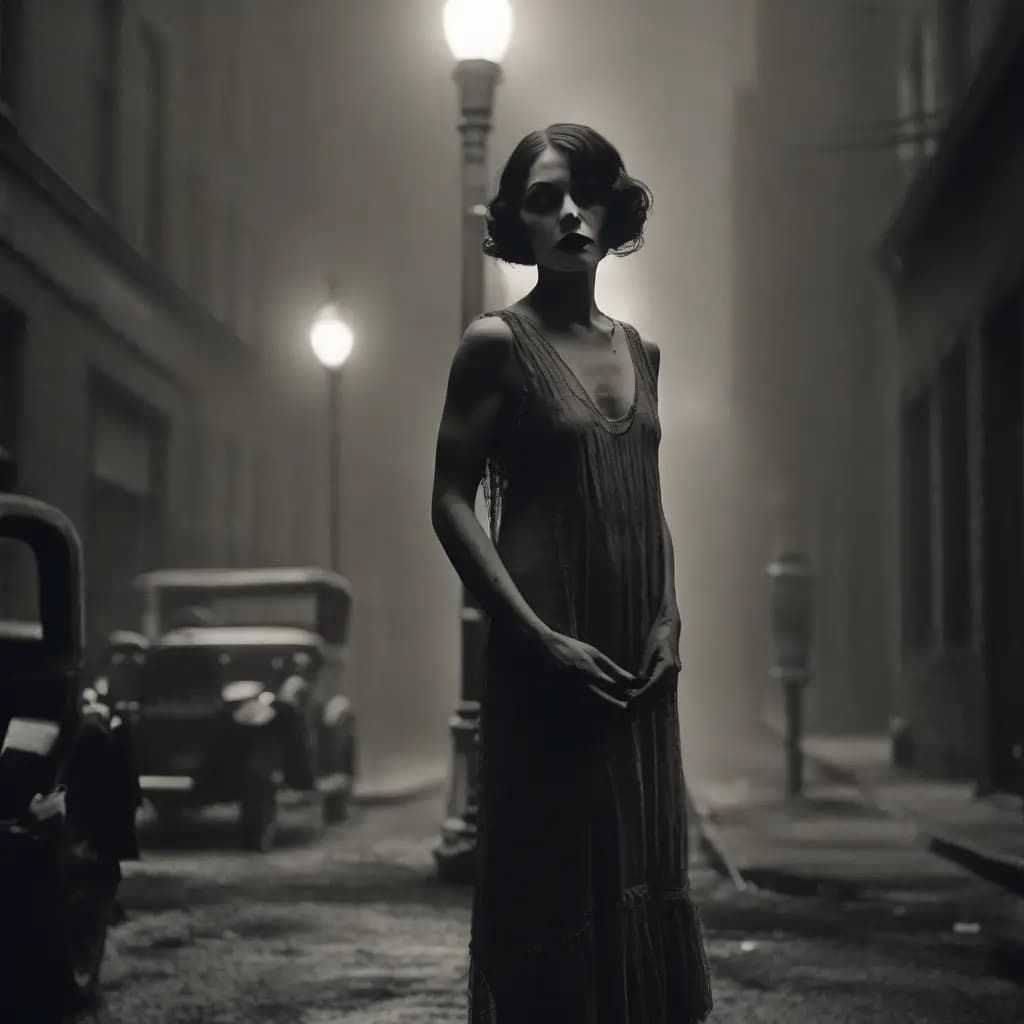
“Discover how the marginalized women of 1920s cinema—from the escaping drudge to the tragic street girl—forged the transgressive spirit of modern cult cinema.”
We often imagine the birth of cult cinema as a neon-soaked explosion of the 1970s, a product of midnight screenings and grindhouse grit. But the true architecture of the cult mindset—the worship of the pariah, the fixation on the transgressive, and the romanticization of the socially discarded—was meticulously drafted in the flickering silence of the 1910s and 20s. Before there were leather-clad anti-heroes or psychotropic slashers, there was the 'Social Drudge' and the 'Fallen Woman.' These were the original cinematic outliers, characters whose lives were defined by exclusion and whose survival depended on a radical break from the suffocating moral frameworks of their time.
To understand why we obsess over the marginalized figures of modern film, we must look at the silent era’s fascination with the 'unwanted.' This wasn't merely melodrama; it was a primordial form of transgression. Films like Fortune's Child (1919) and Anny - en gatepiges roman (1917) didn't just tell stories of hardship; they invited the audience to find beauty in the wreckage of a 'ruined' life. This shift in gaze—from the virtuous protagonist to the scarred survivor—is the exact moment the cult DNA was spliced into the medium of film.
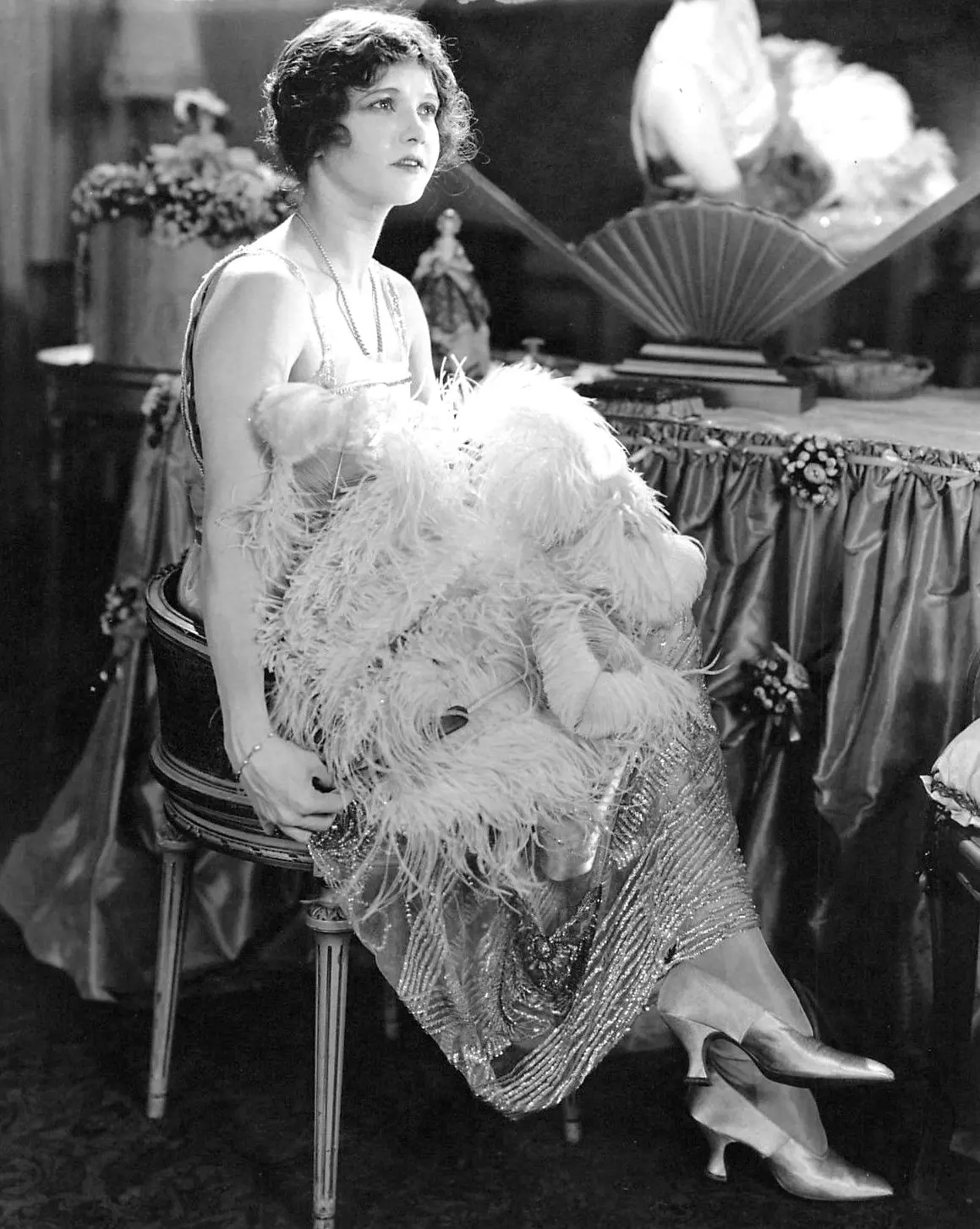
The Domestic Prison: Beth and the Architecture of Escape
The 'drudge' was a recurring archetype that spoke directly to the early 20th-century working class. In Fortune's Child, we meet Beth, a young woman trapped in a New York boarding house, her life a cycle of manual labor and false accusations. Her only respite is the fairy tales she reads—a meta-commentary on the very nature of cinema as an escape for the disenfranchised. When Beth is threatened with the House of Corrections, she doesn't submit; she flees. This act of flight is the foundational gesture of the cult protagonist: the refusal to be 'corrected' by a society that only values your labor.
Similarly, in Let Katie Do It (1916), the protagonist is the family’s sacrificial lamb, a role that mirrors the exhaustion of the early industrial audience. These films resonated because they treated the domestic space not as a sanctuary, but as a site of psychological warfare. The 'cult' element here lies in the subversive empathy for the one who breaks the rules. When Beth escapes her fate, she isn't just running from a building; she is running from the moral destiny assigned to her by the class-conscious elite. This narrative of the 'unruly woman' would eventually evolve into the radical heroines of 1970s exploitation cinema, but its roots are buried deep in the nitrate soil of the 1910s.
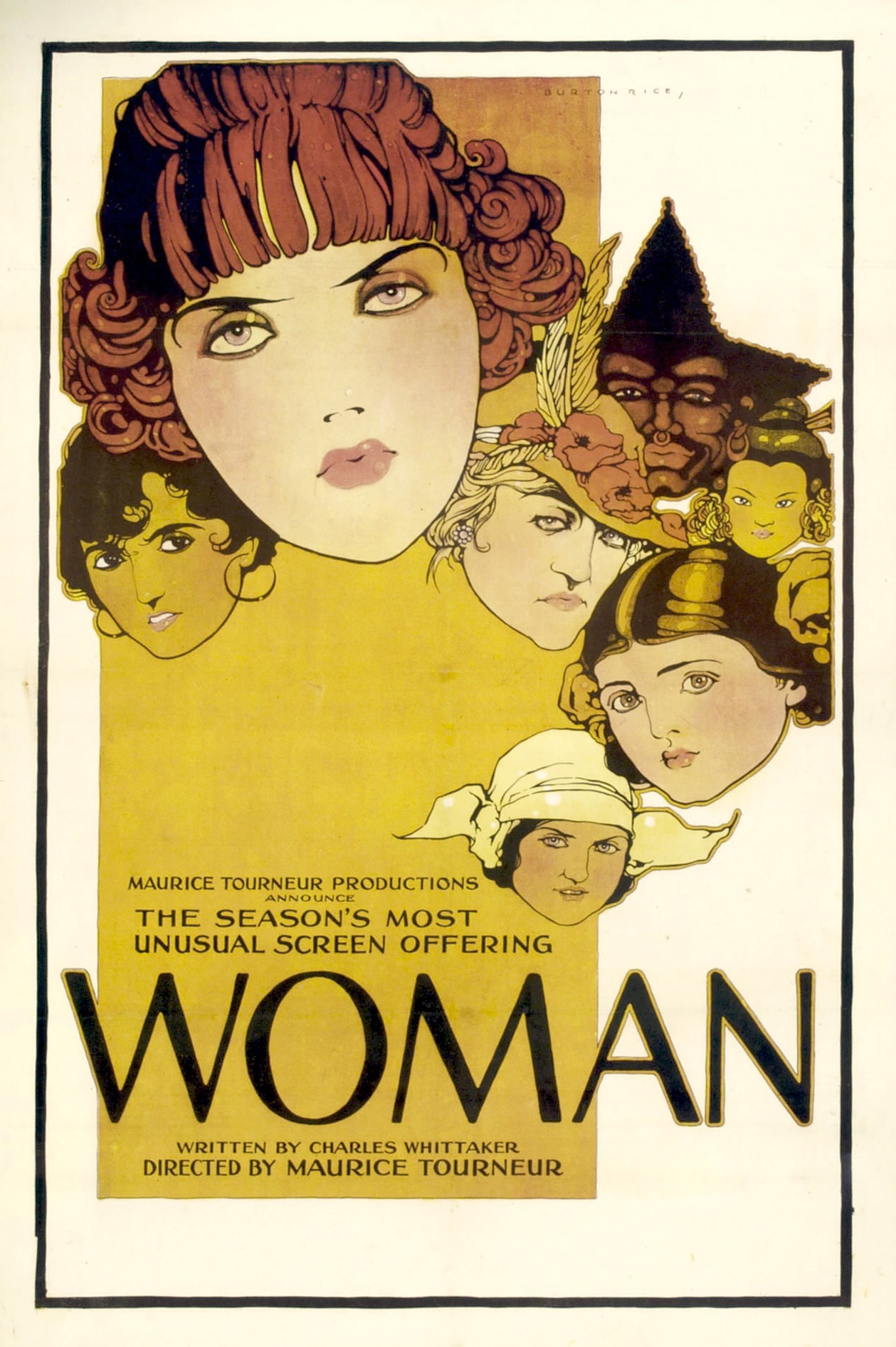
The Currency of Shame: Anny and the Street Girl’s Gospel
If the drudge represented the trapped soul, the 'street girl' represented the soul in transit. The Norwegian film Anny - en gatepiges roman (1917) provides a startlingly modern look at the mechanics of social descent. Anny’s journey from a cigar shop to domestic service, and eventually into the 'intimate' orbit of a wealthy wholesaler, is a masterclass in the transactional nature of survival. Unlike the sterilized morality plays of the era, these 'gatepiges' (street girls) stories often possessed a gritty, observational quality that predates the New Hollywood realism of the 1970s.
- The focus shifted from the 'sin' to the 'strategy' of survival.
- The visual language of the street—carnivals, dark alleys, and transit spaces—became the new cathedral of the outcast.
- The protagonist’s agency was defined by her ability to navigate multiple social strata through performance.
This focus on the 'shamed' woman as a figure of resilience is a cornerstone of cult devotion. We don't worship the perfect; we worship the damaged. In The Awakening of Helena Ritchie (1916), the tragedy of a mother whose husband kills their child in a drunken rage pushes her to seek 'balm for a broken heart' outside the traditional confines of her village. These characters are proto-cult icons because they inhabit the 'liminal' space—they are too 'soiled' for the mainstream and too human for the bin of history. They occupy the exact psychological territory that would later be claimed by the likes of John Waters or Rainer Werner Fassbinder.

The Spectral Mirror: Accountability in The Phantom Carriage
While the domestic drudge and the street girl dealt with the physical world, the silent era also pioneered the cult of the 'spiritual pariah.' Victor Sjöström’s The Phantom Carriage (1921) is perhaps the most significant ancestor of the midnight movie’s obsession with death and reckoning. The character of David Holm—a man who has systematically destroyed his life and the lives of those around him through alcoholism and spite—is the ultimate anti-hero. On New Year’s Eve, he is forced to confront the ghostly driver of the carriage that collects the souls of the dead.
"The Phantom Carriage didn't just use horror to scare; it used the supernatural to perform a forensic autopsy on a wasted soul, creating a blueprint for every psychological cult film that followed."
Holm is not a 'good' man, and the film does not offer him an easy redemption. Instead, it offers a visceral, haunting visualization of regret. The double exposures and eerie atmosphere of the film created a visual language for the 'uncanny' that would later define the aesthetic of cult horror. Cult cinema thrives on the 'difficult' protagonist—the one we shouldn't like, but can't look away from. Holm is the patriarch of the 'falling man' trope, a figure whose descent is more interesting than any hero's ascent.
The Scandal Sheet Impulse: Voyeurism and the Roots of Exploitation
Cult cinema has always had a parasitic relationship with the 'forbidden' and the 'scandalous.' Long before the 1960s 'roughies' or the 1930s pre-code smut, silent films were exploring the voyeuristic thrill of social ruin. In Bondage (1917), the protagonist Elinor Crawford is a reporter for a New York scandal sheet. This plot point is crucial: it acknowledges that the public’s appetite for transgression—for seeing the 'bondage' of others—is a powerful force. The film itself becomes a meta-commentary on the audience's desire to peer into the lives of the fallen.
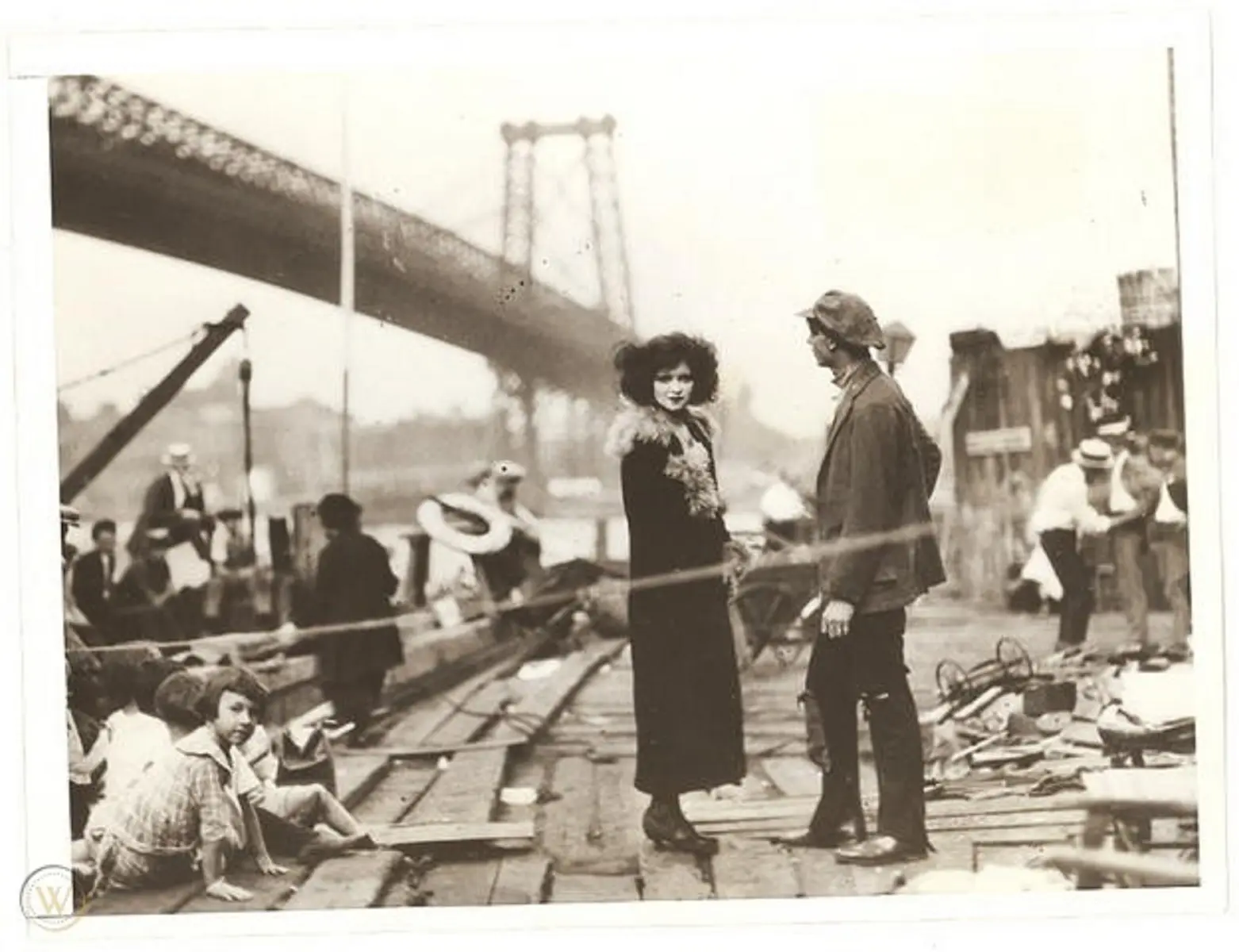
We see this same impulse in A Suspicious Wife (1914), which opens with a woman contemplating suicide on the Brooklyn Bridge. The 'suspicious' nature of the title isn't just about the plot; it’s about the gaze. These early films were training audiences to look for the cracks in the social veneer. They were establishing the 'cult of the secret'—the idea that the real story is always the one the authorities are trying to hide. Whether it was the 'white slavery' panics or the 'social hygiene' films, the silent era used the mask of 'education' to deliver the pure, uncut spectacle of deviance.
Decadence and Death: The Final Party of La Falena
If cult cinema is about the celebration of the 'end times,' then the Italian film La falena (The Moth, 1916) is its patron saint. The story of Thea, a sculptor diagnosed with tuberculosis who decides to spend her final days in a whirlwind of decadent parties and social abandonment, is the ultimate 'cult' narrative. It is the rejection of the 'long life' in favor of the 'intense life.' Thea’s final party, where she invites her estranged husband to witness her decline, is a precursor to the nihilistic 'last hurrahs' of 1970s transgressive cinema.
Conclusion: The Enduring Liturgy of the Outcast
The reason we still talk about these 'forgotten' reels isn't just for historical curiosity; it’s because they contain the raw, unpolished energy of a medium that was still figuring out how to be dangerous. The silent era's pariahs—the drudges, the fallen women, the drunkards, and the dying sculptors—were the first to prove that the most compelling stories aren't found in the center of the frame, but at the very edges of it. They taught us that there is a sacredness in the 'soiled' and a power in the 'rejected.'
When we watch a modern cult masterpiece, we are seeing the echoes of Beth’s escape from the boarding house or David Holm’s terrifying ride in the phantom carriage. We are participating in a century-old ritual of finding ourselves in the characters that society told us to ignore. The silent era didn't just invent the movie; it invented the devotee. It created a space where the marginalized could be seen, not as problems to be solved, but as icons to be worshipped. And that, more than anything, is the soul of cult cinema.
Community
Comments
Log in to comment.
Loading comments…