
Cult Cinema
The Subversive Prism: How 1910s Moral Rebels and Genre Misfits Defined the Cult Gaze
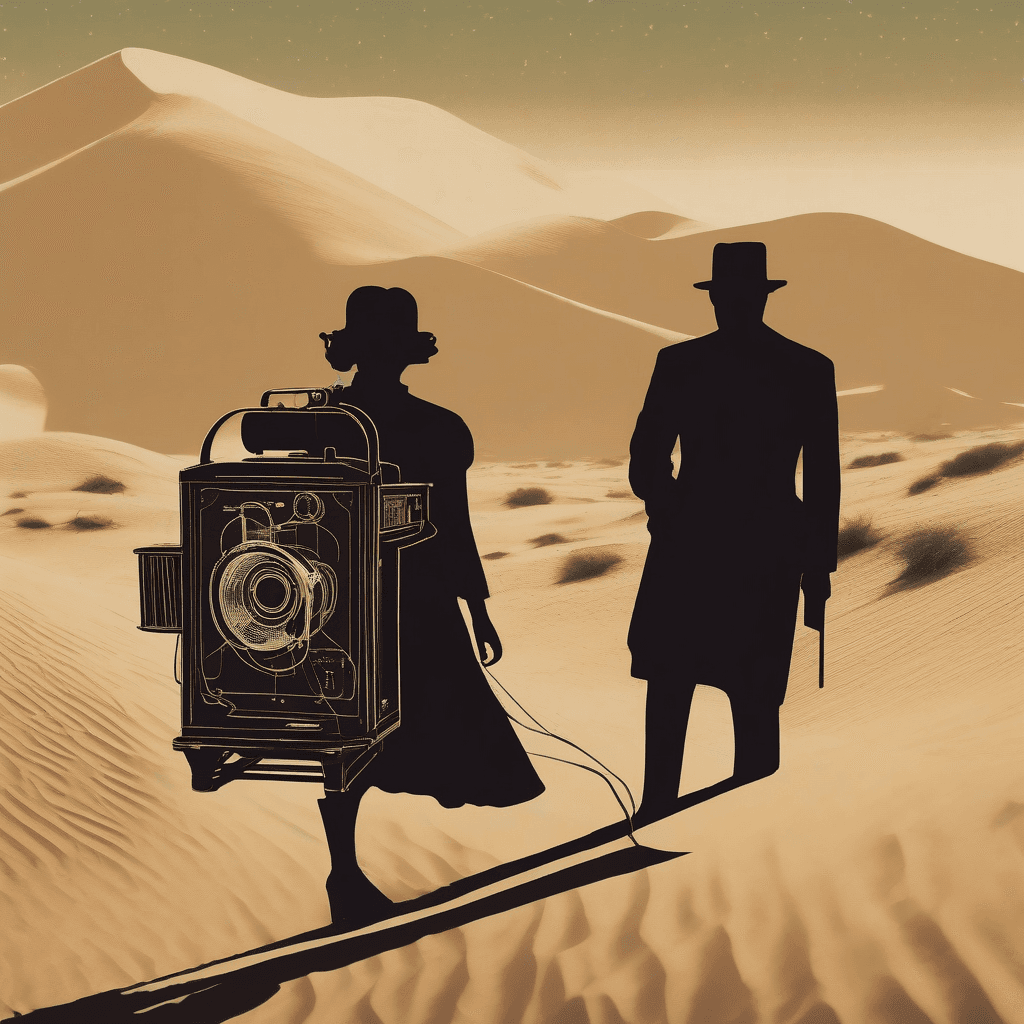
“A deep dive into the 1910s roots of cult cinema, exploring how early cinematic outcasts and transgressive narratives laid the foundation for modern midnight movie obsession.”
Cult cinema is often discussed as a phenomenon of the late 20th century—a product of midnight screenings at the Elgin Theater or the gritty, neon-soaked grindhouses of 42nd Street. However, the true DNA of the cult film was spliced long before the 1970s. It was forged in the flickering, nitrate-fueled shadows of the 1910s, an era where the language of film was still being written and, more importantly, where the first cinematic rebels were already tearing up the rulebook. To understand the modern obsession with the transgressive and the niche, we must look back at the moral outliers and genre-bending anomalies of the silent era.
The Architecture of the Outcast: From Lo Dorman to Frank Melbury
At the heart of any cult following is a sense of shared ostracization. We gravitate toward characters who exist on the fringes of society because, in their struggle, we find a mirror for our own unconventionality. In the 1916 film The Half-Breed, we encounter Lo Dorman, a man literally living in the hollow of a tree, rejected by a society that cannot reconcile his identity. This is the primordial archetype of the cult hero: the noble outcast who defends the innocent against the very lawmen (like Sheriff Dunn) who are supposed to protect them. This theme of social alienation is further explored in The City of Comrades, where Frank Melbury’s descent into alcoholism turns him into a social pariah. His act of burglary isn't just a crime; it's a desperate reach for connection in a world that has discarded him. These narratives resonated then, and continue to resonate now, because they prioritize the internal emotional reality of the 'misfit' over the rigid moral structures of the mainstream.
The Science of the Strange: Proto-Horror and the Macabre
If cult cinema is defined by its willingness to 'get weird,' then The Love Doctor (1917) is a crucial, if often overlooked, milestone. The premise—a doctor transplanting the brain of a girl who loves him into the body of the girl he desires—is pure, unadulterated pulp. It prefigures the 'mad scientist' tropes that would later define B-movie culture. This fascination with the grotesque and the ethically murky is a cornerstone of the cult gaze. Similarly, The Rosary introduces a note of menace into the domestic sphere, suggesting that even the wealthiest homes (like Bruce Wilton’s) are not immune to the creeping shadows of the past. These films didn't just entertain; they unsettled. They suggested that the human experience was far stranger than the polite melodramas of the era would have us believe.
Moral Ambiguity: The Outlaw’s Redemption
The 1910s were a laboratory for testing the limits of the 'hero.' In Marked Men (an early iteration of the Three Godfathers story), we see three bank robbers risking their lives in a blistering desert to save an infant. This subversion of the outlaw figure—turning a criminal into a savior—is a recurring motif in cult narratives. It challenges the audience to find empathy in the unlikely. We see a similar dynamic in Hell Bent, where a cowboy must navigate a moral and physical purgatory to rescue his beloved. The desert in these films serves as a liminal space, a place where the rules of the 'civilized' world vanish, much like the barren landscapes in the films of Alejandro Jodorowsky or George Miller.
Vengeance, too, provided a fertile ground for cult-like intensity. The Man Trap presents us with John Mull, a man framed by the very authorities meant to uphold justice. His escape and subsequent quest for retribution provide the kind of catharsis that would later fuel the 'vigilante' subgenre of cult film. This isn't just a story about justice; it's a story about the individual versus the corrupt machine—a theme that remains the lifeblood of underground cinema.
The Feminine Subversive: Reclaiming the Narrative
While the 1910s are often associated with the 'damsel in distress,' a closer look reveals a much more complex picture. Films like The Foolish Virgin and The Splendid Sinner deal with women navigating the wreckage of social expectations. In The Splendid Sinner, the protagonist’s 'soiled past' becomes the catalyst for a narrative that spans continents and wars, eventually leading to a tragic, high-stakes confrontation. These films were 'cult' in the sense that they dared to center narratives on women who had 'fallen' or who refused to adhere to the Victorian moral code. Even the various adaptations of Jane Eyre and Woman and Wife emphasize the brooding, gothic atmosphere and the psychological resilience of their heroines over simple romance. They provided a blueprint for the 'gothic cult' aesthetic that would later be championed by filmmakers like Guillermo del Toro.
The Spectacle of the Exotic and the Occult
Cult cinema has always had an uneasy, often obsessive relationship with the 'Other.' Early films like The Mysterious Mr. Wu Chung Foo and The Vanishing Dagger utilized elements of international mystery and adventure to create a sense of 'otherworldliness.' While these films often relied on the tropes of their time, they also contributed to a cinematic language of the exotic and the arcane. The Goddess, featuring a girl raised on a desert island who believes she is a deity, touches on the themes of cultish devotion and the power of myth-making. This fascination with belief systems and hidden worlds is exactly what draws modern audiences to films like *The Wicker Man* or *Midsommar*.
Furthermore, the short-form comedies of the era, such as His Home Sweet Home (featuring Larry Semon and a troupe of monkeys) or The Fowl Bird, introduced a level of anarchic absurdity that would eventually evolve into the surrealist cult comedy. When a party is interrupted by jewel thieves and primates, we are witnessing the birth of the 'anything can happen' ethos that defines the midnight movie experience. This rejection of logic in favor of pure, kinetic energy is a vital component of the cult DNA.
The Heritage of Hate and the Price of Secrets
Secrets are the currency of cult cinema. Whether it’s a hidden parentage in The Heritage of Hate or a secret marriage in On the Quiet, the tension derived from what is *unsaid* creates a unique bond between the film and the spectator. In Should a Woman Tell?, the psychological weight of a past trauma drives the entire narrative, forcing the audience to participate in the protagonist's moral dilemma. This 'insider knowledge'—knowing something the other characters do not—mirrors the experience of being part of a cult fandom, where knowing the trivia and the 'hidden' history of a film is a badge of honor.
Conclusion: The Eternal Nitrate Flame
The films of the 1910s—from the tragic desperation of Cassidy to the biblical intensity of La Salome—were not merely 'primitive' steps toward modern cinema. They were a vibrant, often transgressive body of work that established the themes of alienation, moral ambiguity, and surrealism that we now associate with cult classics. When we watch a modern midnight movie, we are seeing the echoes of the Scarlet Letter's social shame, the Lone Star Ranger's solitary justice, and the Oval Diamond's obsessive greed.
These early reels taught us how to look at the screen not just for comfort, but for challenge. They taught us to find beauty in the 'soiled' sinner and heroism in the outlaw. The cult gaze is, at its heart, a way of seeing the world through a subversive prism—a prism that was first ground and polished in the silent era's most daring and unconventional works. As we continue to unearth these lost gems, we realize that the 'midnight movie' has been playing for over a century, and its first flicker was the brightest of all.
Community
Comments
Log in to comment.
Loading comments…