
Cult Cinema
The Alchemical Shadows of the Silent Fringe: How Early Celluloid Deviants Forged the Modern Cult Psyche
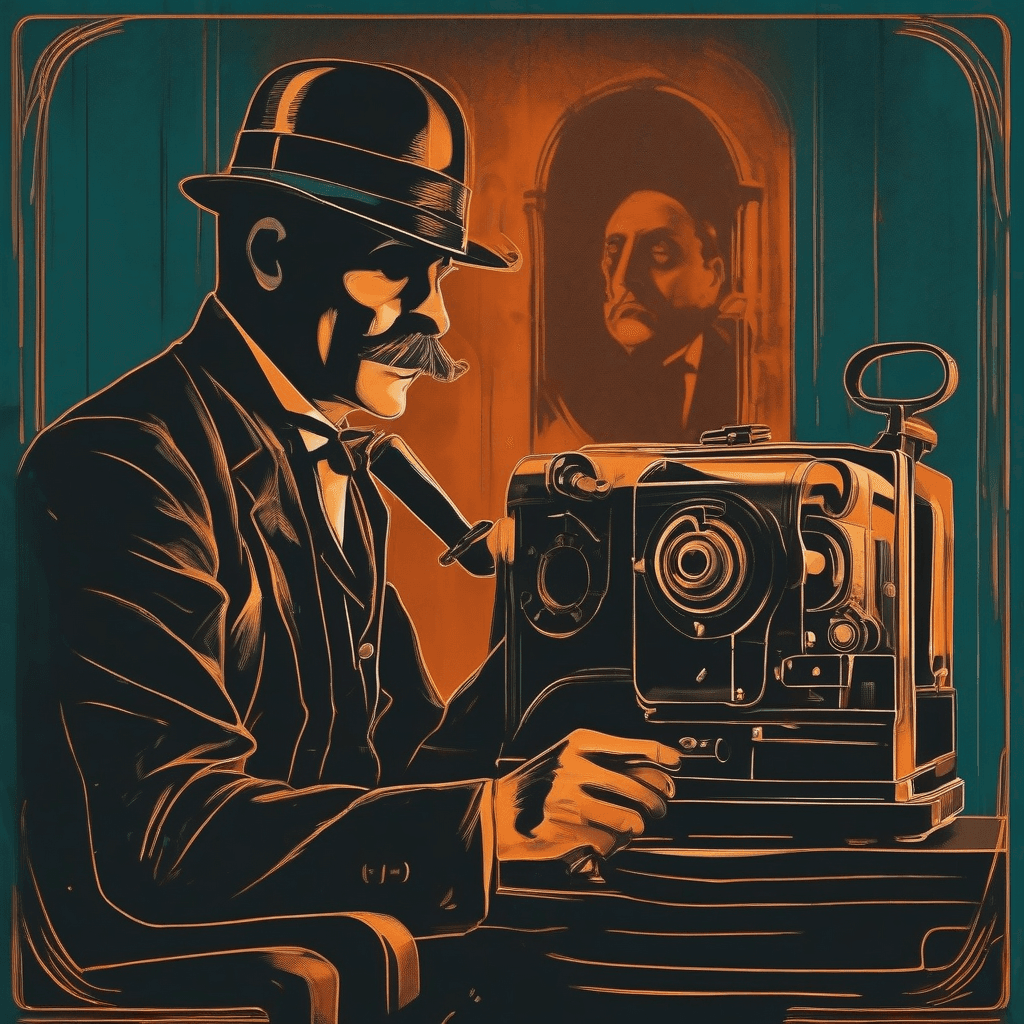
“Explore the hidden lineage of cult obsession, tracing the transgressive spirit of modern midnight movies back to the silent era's most daring anomalies and social outcasts.”
The concept of the 'cult film' is often erroneously tethered to the neon-soaked midnight screenings of the 1970s and 80s. We think of the transgressive camp of John Waters or the surrealist nightmares of David Lynch. However, to truly understand the DNA of cult cinema, one must peel back the layers of history to the nitrate-scented shadows of the 1910s and early 1920s. Long before the term 'cult movie' was coined, the silver screen was already a vessel for the bizarre, the forbidden, and the defiantly unconventional. The mavericks of the silent era were the original architects of the abnormal, crafting narratives that defied mainstream moralities and paved the way for a century of cinematic obsession.
The Genesis of the Transgressive Gaze
Cult cinema is defined by its relationship with its audience—a relationship built on devotion, repetition, and a shared appreciation for the 'other.' In the early 20th century, films like Inspiration (1915) served as the primitive sparks for this fire. By centering a plot on a sculptor searching for the perfect model, the film flirted with the boundaries of art and provocation. It wasn't just a story; it was a challenge to the era's sensibilities, much like the transgressive works of the 1960s underground. This 'rebel heart' is the foundational element of any cult classic: the refusal to be contained by the polite expectations of the masses.
When we look at a film like Madame X (1916), we see the early roots of the 'melodramatic misfit.' The story of a woman cast out by a jealous husband, sinking into degradation only to be defended by her own son in a court of law, resonates with the same tragic irony that fuels modern cult favorites. It is a narrative of social exile, a theme that remains the bedrock of the cult experience. Fandoms coalesce around these figures of the 'fallen' because they represent a break from the sterile perfection of the status quo.
The Gothic Heart and the Master Criminal
The allure of the macabre has always been a primary driver of niche obsession. The 1918 film The Bells is a masterclass in psychological guilt, depicting a murderer driven insane by coincidences. This internal horror, the 'ghost in the machine,' is a precursor to the psychological thrillers that dominate modern cult lists. It established that cinema could be more than just a visual record; it could be a descent into the fractured subconscious. The cult gaze is, at its core, an investigative one, seeking out the hidden darkness behind the flickering light.
Furthermore, the figure of the master criminal in Fantomas - On the Stroke of Nine (1917) provided a blueprint for the charismatic antagonist that audiences love to hate—and eventually, love to celebrate. Fantômas was not merely a villain; he was a force of nature, a shapeshifter who defied the law and the logic of the world. This archetype of the 'unstoppable outlier' is a direct ancestor to the anti-heroes of modern genre cinema. The cult audience doesn't just watch the hero; they find kinship with the shadow, with the rebel who refuses to be prosecuted by the 'authorities' of conventional storytelling.
Genre Bending: The First Cinematic Anomalies
One of the hallmarks of cult cinema is the refusal to stay within the lines of a single genre. We see this early experimentation in A Perfect Crime (1921), which masterfully blends comedy, drama, and adventure. By following a timid bank messenger who lives a secret life as a dashing adventurer, the film explores the duality of identity—a theme that would later define the works of cult icons like Alejandro Jodorowsky. This 'genre anarchy' is what makes a film stand the test of time; it becomes a puzzle that the audience must solve together.
Similarly, The Girl of the Golden West (1915) takes the tropes of the Western and subverts them through the lens of a high-stakes poker game for a man's life. It isn't just a tale of the frontier; it is a tense, character-driven melodrama that places the agency in the hands of 'The Girl.' This subversion of gender roles and genre expectations is exactly what fuels the 'midnight movie' fire. When a film like The Orphan (1920) turns a boy into an outlaw to avenge his father, it isn't just a Western; it's a proto-noir exploration of vengeance and survival on the fringe of society.
The International Underground and the Artificial Man
The cult spirit has always been a global phenomenon. From the Russian steppes to the studios of Germany, filmmakers were pushing the boundaries of what the medium could represent. Homunculus, 4. Teil - Die Rache des Homunculus (1916) introduced the world to the 'artificial man,' a being who, despite his power, cannot believe in human love. This is perhaps the ultimate cult archetype: the powerful but alienated 'other.' The Homunculus is the grandfather of the replicants in Blade Runner and the monsters of David Cronenberg. He represents the fear and fascination we have with our own technological and moral limits.
In the East, films like Huo wu chang or the tragic Ukrizovaná (1921) explored the darker side of human history and social violence. Ukrizovaná, with its haunting imagery of a girl placed in a convent after being 'crucified' during a pogrom, is a stark reminder that early cinema did not shy away from the horrific or the controversial. These films were 'transgressive' in the truest sense of the word, confronting audiences with the visceral reality of suffering and the resilience of the human spirit. They created a space for 'forbidden narratives' that the mainstream would rather ignore.
The Social Outcast and the Invisible Power
Cult cinema often serves as a sanctuary for the social pariah. In The Invisible Power (1921), we follow an ex-convict trying to find a place in a world that refuses to let him forget his past. This narrative of redemption and the 'invisible' forces that hold us back is a recurring motif in cult film history. It speaks to the underdog, the misfit, and the rebel. The audience for these films isn't looking for a happy ending; they are looking for a truthful one, one that acknowledges the complexities of life on the edge.
Even the lighter fare of the era, such as The Poor Little Rich Girl (1917), carried a subversive message. By highlighting the loneliness and neglect within a wealthy family, it critiqued the 'capitalist dream' from the inside out. It suggested that the 'rich' were just as broken as the 'poor,' a sentiment that resonates with the cynical, counter-cultural heart of many modern cult classics. Whether it is the barber in Si, Senor (1919) wooing a girl against her mother's wishes or the struggle in The Road of Ambition (1920) to perfect a new way of manufacturing steel, these stories are about the individual's fight against the machine.
The Enduring Alchemy of the Nitrate Fringe
What is it that makes a film like The Last Days of Pompeii (1913) or The Zeppelin's Last Raid (1917) endure in the minds of film historians and cult enthusiasts? It is the 'spectacle of the strange.' These films were massive undertakings, often dealing with destruction and rebellion on a grand scale. They captured the primal fears of their time—the erupting volcano, the falling airship—and turned them into a shared cinematic experience. This 'communal awe' is the same feeling that draws fans to midnight screenings today.
The 'cult' is not a category of film; it is a way of seeing. It is the 'maverick gaze' that looks past the polish of the blockbuster to find the soul of the anomaly. The 1910s were a laboratory for this gaze. When we watch Leon Drey or The Iron Hand, we are not just looking at relics of a bygone era; we are looking at the blueprints of our own obsessions. The silent era rebels, with their hand-cranked cameras and nitrate dreams, engineered the very concept of the 'underground.' They taught us that the most powerful stories are often the ones that the world tries to hide.
Conclusion: The Eternal Flicker of Rebellion
As we navigate the hyper-saturated landscape of modern cinema, the lessons of the 1910s remain more relevant than ever. The cult film is a reminder that cinema is a living, breathing thing, capable of growth, subversion, and radical change. From the 'sex lure' of early melodramas to the 'death dance' of the cabaret, the pioneers of the silent era were never afraid to dance on the edge of the abyss. They forged a legacy of maverick storytelling that continues to inspire the filmmakers and fans of today.
The next time you find yourself at a midnight screening, surrounded by fellow obsessives, remember that you are part of a century-old tradition. You are standing on the shoulders of the 'silent saboteurs' who first realized that the screen could be a mirror for our darkest desires and our wildest dreams. The alchemical shadows of the silent fringe have never truly faded; they just moved into the basement, waiting for the next generation of rebels to turn on the projector and let the flickering anarchy begin once more. The cult cinema soul is immortal, fueled by the same primal pulse that first beat in the hearts of those early celluloid outlaws.
Community
Comments
Log in to comment.
Loading comments…