Summary
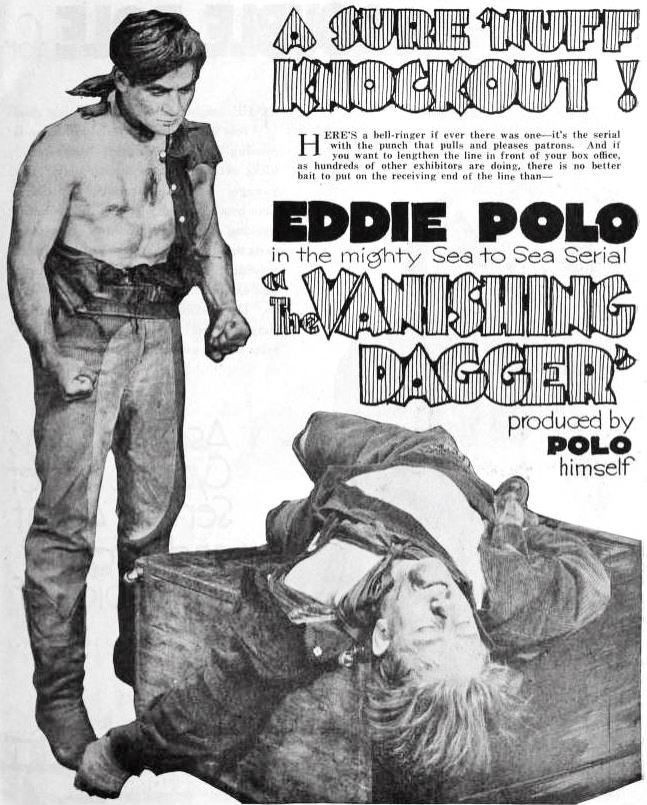
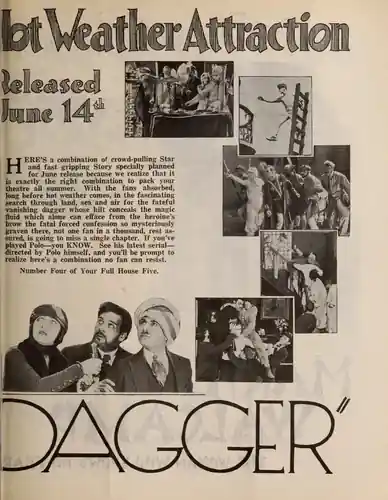
In a gabled manor where gaslight quivers like a guilty conscience, American visitor John Grant—equal parts gallant and guileless—watches a North-African prince weave mesmeric lattices through a drawing-room of lace and racial anxiety. Prince Narr’s obsidian gaze, trained on Beth Latimer’s alabaster neck, becomes a scalpel of colonial entitlement; when her father bars the marital threshold, the prince’s disappointment transmutes into baroque vengeance. A serpentine dagger, crusted with rubies that throb like engorged veins, passes from sovereign hand to English baronet under trance; a servant’s unseen blade does the actual killing, yet Sir George awakens believing his own fingers drip scarlet. Across Beth’s brow—once flushed with hunt-field wind—indelible hieroglyphs of guilt bloom, vanish, and re-emerge like some cruel tide governed by occult astronomy. The only solvent is secreted inside the same weapon that condemned him, but the dagger itself is snatched by Claypool, a criminal whose grin is a guillotine, and smuggled across the Atlantic. The chase that follows—across Whitechapel fog, steerage stench, and Manhattan’s electric dusk—turns heritage mansions into echo chambers of post-hypnotic suggestion, where memory is a wax cylinder and conscience a scratched recording.
Synopsis
John Grant, an American, is visiting in England with the family of Sir George Latimer, in a fine house near London. Prince Narr, of the royal house of Numidia, is also a guest with his retainers. Prince Narr is possessed of a strong hypnotic power, which he demonstrates in the course of a reception. After a few days Prince Narr falls in love with Sir George's daughter, Beth, and asks for her hand in marriage. Sir George does not believe in intermarriage between the white and dark races and refuses the prince's offer of his hand. This arouses the latter's displeasure and he also becomes intensely jealous of Grant, who has saved Beth from death during a ride behind the hounds. To avenge himself Prince Narr presents Sir George with a jeweled dagger, and through hypnotic suggestion commands Sir George to commit murder. The crime is really committed by a servant of the Prince, but Sir George is made to believe himself guilty. He is forced, while under the spell, to write a confession across Beth's forehead, which confession is in indelible ink. This at first fades out, but later reappears and can only be removed by a solution concealed in the dagger. The latter weapon is stolen by Claypool, a notorious criminal, and brought to America, where the chief characters follow in due time.
Review Excerpt
"
Picture, if you can, a country-house weekend where the port is laced with suggestion and the wallpaper perspires empire guilt—this is the hothouse in which The Vanishing Dagger first flexes its serpentine blade. Released in the autumn of 1920, when the cinematic world still nursed its hangover from the Great War, the picture arrives like a séance conducted by a cinematograph: every iris-in feels like an eyelid pried open by force.
Director Jacques Jaccard—a French expatriate who had cut his t..."