
Cult Cinema
Decoding the Maverick Muse: How Unconventional Visions Forged Cult Cinema's Enduring Legacy
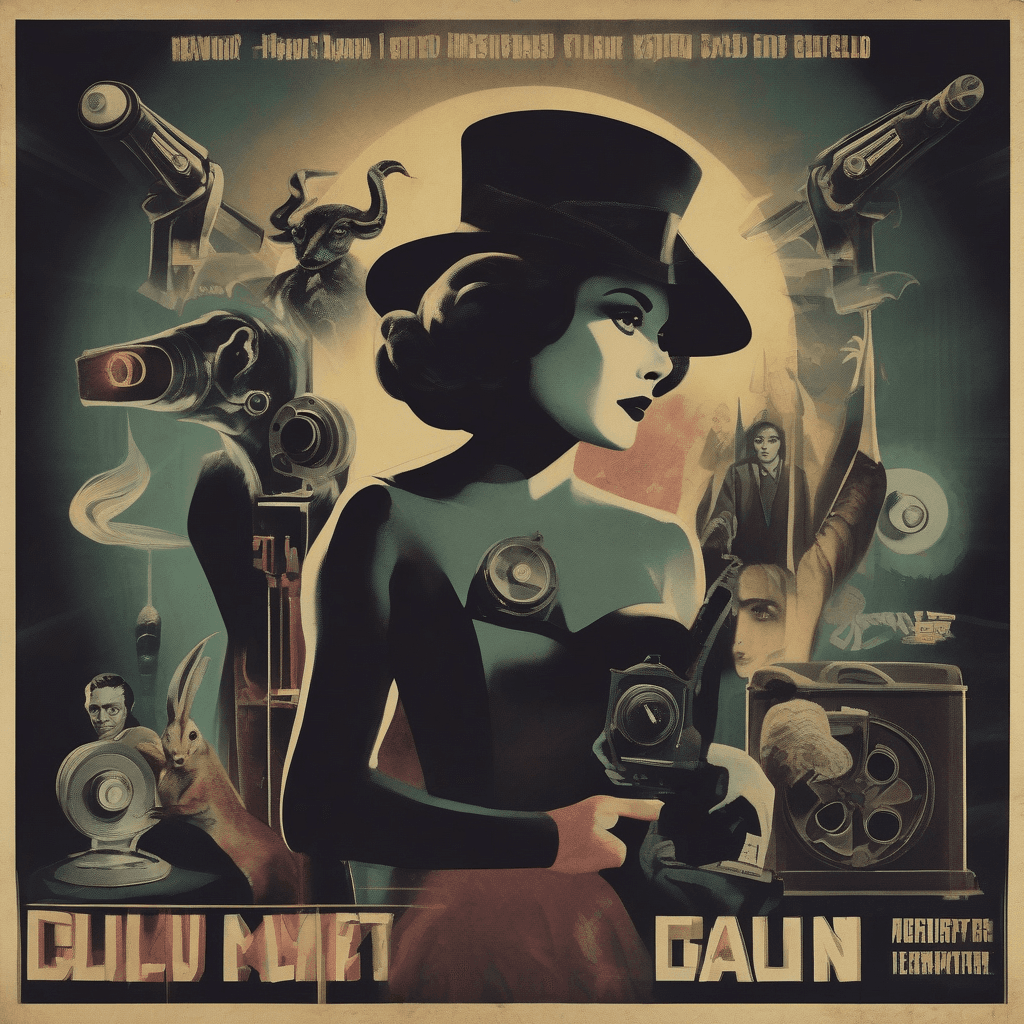
“Cult cinema thrives on the unconventional, drawing dedicated audiences to films that defy mainstream expectations. This article explores the diverse origins and enduring allure of these cinematic outliers, from transgressive narratives to bizarre genre experiments, revealing the seeds of cultdom pla…”
Cult cinema isn't merely a genre; it's a phenomenon, a shared experience, and often, a rebellion against the cinematic mainstream. These films, frequently misunderstood or overlooked upon their initial release, find a fervent following over time, building a dedicated community around their unique narratives, unconventional aesthetics, or transgressive themes. From midnight screenings to obsessive re-watches, the allure of a cult film lies in its capacity to challenge, provoke, and offer an alternative vision of storytelling. It’s a space where the bizarre is celebrated, the outcast finds a home, and the boundaries of conventional taste are gleefully shattered. But where did this peculiar cinematic tradition begin? The seeds of cult cinema were sown in the very early days of filmmaking, with films that, even a century ago, pushed against the norms, explored the fringes of human experience, and dared to be different.
The Allure of the Anomalous: Transgression and Identity on Screen
At the heart of many cult films lies a profound sense of otherness, a willingness to explore narratives and characters that defy societal expectations or cinematic conventions. This quest for the anomalous is a defining characteristic, drawing viewers who seek stories beyond the predictable. Consider the audacious premise of Lola, where a scientist brings his daughter back to life after a car crash but fails to revive her soul. This early science fiction delves into profound questions of life, death, and what truly constitutes humanity, touching on themes that resonate deeply with audiences who appreciate philosophical and existential explorations within their genre fare. Such a narrative, unsettling and thought-provoking, readily lends itself to the kind of passionate discussion and reinterpretation that defines cult status.
Equally daring for its time is The Boy Girl, a drama about a daughter raised as a son due to her father's desire for a male heir. This film, in its exploration of gender identity and societal expectations, was remarkably ahead of its time. It tackles themes of performance, identity, and the pressure to conform, ideas that are still incredibly relevant today and would certainly appeal to a cult audience drawn to narratives that question established gender roles. Its very existence as an early cinematic exploration of such complex themes makes it a fascinating proto-cult artifact.
Similarly, Her First Flame, a short comedy and early science fiction piece, offers a satirical look at a future (1950, from a 1918 perspective) where women have taken over men's jobs and become the aggressors in romantic situations. This playful yet provocative inversion of gender dynamics, with its speculative 'what if' scenario, speaks directly to the subversive spirit of cult cinema. Films like these didn't just tell stories; they challenged perceptions, offered alternative realities, and dared to imagine worlds where the rules were different. They created a space for audiences to see themselves, their anxieties, and their desires reflected in unconventional ways, fostering a sense of belonging among those who felt marginalized by mainstream narratives. The transgressive nature of these films, whether through their subject matter or their narrative approach, laid crucial groundwork for the cult phenomenon, proving that there was always an audience hungry for something beyond the ordinary, something that dared to articulate the unspoken or depict the forbidden.
Melodrama, Morality, and the Macabre: The Power of Extreme Emotion
Cult cinema often finds its footing in the fertile ground of heightened emotion, where melodrama meets the macabre, and moral ambiguities reign supreme. These are the films that plunge into the depths of human suffering, forbidden desires, and societal hypocrisies, often with an intensity that mainstream productions shied away from. The Sorrows of Love, an Italian drama set in a convent, explores themes of forbidden love and radicalism, weaving a tale of passion and betrayal against a backdrop of religious austerity. The inherent conflict between personal desire and institutional control, coupled with the dramatic stakes of a secret affair, creates a potent emotional cocktail that has always resonated with audiences seeking more than superficial romance.
Another Italian production, La morte che assolve (Death that Absolves), exemplifies this blend of melodrama and moral complexity. Featuring a dual role for its lead actress, it tells a story of a mother repudiated by her cruel husband and their daughter adopted by an American. This narrative of familial breakdown, social judgment, and the search for redemption through extreme circumstances is ripe with the kind of operatic drama that cult followings adore. The film's title itself hints at a dark resolution, a thematic boldness that separates it from more conventional fare.
The dark underbelly of urban life and the vulnerability of the innocent are explored in The Saleslady, where poverty forces a country lass into New York, only for her to fall victim to a notorious band preying on young girls. This grim narrative, unsparing in its depiction of exploitation and loss of innocence, touches on anxieties and fears that are often suppressed in mainstream cinema. Its raw portrayal of social injustice and personal tragedy could easily garner a cult following among those who appreciate unflinching realism and social commentary, however melodramatic the framing. Similarly, The Spotted Lily, with its tale of illness, abandonment by a wealthy aristocrat, and a mother's desperate plea to protect her infant, delves into the tragic consequences of societal inequality and personal betrayal. These narratives, while perhaps designed for popular appeal in their time, contained an emotional rawness and moral grit that would later be recognized as hallmarks of cult cinema, a testament to their enduring power to move and disturb.
The intricate web of deceit and passion in The Final Judgment, where a love triangle escalates to murder and anonymous letters, showcases the compelling nature of psychological drama and moral quandaries. The film’s exploration of jealousy, suspicion, and the pursuit of justice, combined with its dramatic twists, creates a gripping narrative that encourages repeated viewing and discussion – key elements of cult appeal. These early films, through their willingness to confront difficult subjects and explore the darker facets of human nature, laid a foundation for the emotionally charged and morally complex storytelling that would become a cornerstone of cult cinema, inviting audiences to grapple with challenging themes long after the credits rolled.
Fantastic Visions and Unseen Worlds: The Birth of Genre-Bending
A significant portion of cult cinema thrives on the fantastic, the supernatural, and the utterly bizarre. These films transport audiences to unseen worlds, challenge the limits of reality, and often blend genres in audacious ways. The emergence of science fiction and fantasy elements in early cinema provided a rich tapestry for these imaginative explorations. The Invisible Ray, for instance, is a classic pulp sci-fi premise: a scientist discovers a death ray, leading to a hunt by criminals. This kind of high-concept, fantastical plot, with its blend of scientific marvel and thrilling pursuit, is a direct ancestor of countless cult sci-fi films. It taps into primal fears and desires, offering escapism while also exploring the ethical implications of powerful technologies.
Equally captivating is the Italian film Il Fauno (The Faun), which delves into the realm of mythological fantasy and psychological surrealism. A sculptor's model falls asleep in his atelier, and in her dreams, a faun statue comes to life. This blurring of reality and dream, the mundane and the mythical, creates a haunting and visually striking experience. Such a narrative, rich in symbolism and open to interpretation, is precisely the kind of material that cult audiences dissect and adore, appreciating its artistic ambition and departure from straightforward realism. The film invites viewers to ponder the nature of art, inspiration, and the subconscious, making it a truly unique entry.
The mystical and exotic also played a role in shaping these early, distinctive cinematic visions. Hendes ungdomsforelskelse, with its story of an Egyptian prince, a dancer, and a valuable piece of jewelry imbued with power and divination, transports audiences to a world of ancient mystery and supernatural influence. These elements of magic, fate, and exotic allure resonate with the desire for escapism and the exploration of the unknown that is so central to cult fandom. Even early animated shorts like Mutt and Jeff in London, while comedic, contribute to this sense of the 'unseen.' Animation, by its very nature, creates its own reality, a world where the rules of physics and logic can be bent or broken at will. Such films, in their unbridled imagination and willingness to push visual boundaries, demonstrated cinema's capacity to create truly unique and unforgettable experiences, laying the groundwork for the genre-bending and fantastical narratives that would become a hallmark of cult cinema for decades to come.
Social Satire and Subversive Smiles: Challenging Norms with a Wink
Beyond the dramatic and the fantastic, cult cinema often employs satire and subversive humor to critique societal norms and expose hypocrisies. These films, sometimes subtly and sometimes overtly, challenge the status quo, offering a mirror to prevailing attitudes and institutions. The Battle of the Sexes, for instance, tackles the evolving dynamics between men and women, depicting a businessman enthralled by a 'gay young woman' and the disruption it causes to his family. While framed as a drama, its very title and premise suggest a societal commentary on gender roles and temptation, inviting audiences to ponder the complexities of modern relationships. Films that dared to portray such domestic upheavals often found a niche audience among those grappling with similar societal shifts.
The short comedy Without a Wife offers a more direct satirical jab at societal expectations, presenting a Bachelors' Club with a strict code against marriage. Its humorous premise and exaggerated scenarios poke fun at the institution of matrimony and the pressures to conform. This kind of direct, albeit lighthearted, social critique is a classic cult cinema trope, appealing to those who enjoy seeing established norms playfully dismantled. The film’s audacity to create an entire club dedicated to resisting societal expectations is itself a subversive act, one that cult audiences would surely appreciate for its defiant spirit.
More serious in its critique, The Valley of Decision uses an allegorical prologue to introduce personified vices like ambition and greed, then delves into a drama about a fighter against child labor. This film's overt social commentary and its exploration of pressing ethical issues resonate with audiences who seek cinema that is both entertaining and thought-provoking. Its willingness to tackle significant social problems, rather than merely entertaining, sets it apart. Similarly, The Velvet Paw, a political drama set in Washington D.C., exposes graft and influence, highlighting the corruption inherent in power structures. Films that pull back the curtain on political machinations and societal injustices often develop a strong cult following among those who appreciate their critical edge and willingness to challenge authority. Even a Western like Western Firebrands, which depicts a conspiracy involving forest fires and corporate greed, uses its genre trappings to deliver a potent message about capitalist exploitation. These early works, through their varied approaches to social commentary, whether through comedy or drama, demonstrated a nascent understanding of cinema's power to not only reflect society but to critically engage with it, laying the groundwork for the subversive and often satirical spirit of cult film that continues to thrive today.
The Maverick Spirit and Enduring Legacy: From Obscurity to Icon
The journey from obscurity to cult icon is often paved with maverick spirit – films and filmmakers who dared to be different, creating works that, while perhaps not immediate blockbusters, resonated deeply with a specific, passionate audience. This enduring appeal is built on a foundation of unique characters, compelling narratives, and a certain undefinable charm that transcends initial critical or commercial reception. Films like Bull Arizona, a Western featuring an outlaw with a 'rough shell and a golden heart,' embody this maverick spirit. The archetypal anti-hero, morally ambiguous yet ultimately sympathetic, is a figure that cult audiences consistently embrace, drawn to characters who defy easy categorization and challenge conventional morality. His journey, filled with daring acts and hidden virtues, makes him a compelling figure for repeat viewing and analysis.
Similarly, A Falu rossza (The Village Scapegoat), a Hungarian folk drama, likely explores the theme of the social outcast. Characters who are marginalized, misunderstood, or unfairly targeted often become focal points for cult followings, as their struggles reflect universal themes of alienation and the search for acceptance. These narratives provide a cathartic experience for audiences who may feel similarly disconnected from mainstream society.
Even comedies like The Kid Is Clever, which delves into the meta-narrative of filmmaking itself, can harbor a cult sensibility. Films that are self-aware, experimental, or offer a glimpse behind the curtain of their own creation often appeal to cinephiles and dedicated fans who appreciate the craft and the commentary. This self-referential quality, though perhaps subtle in early cinema, is a sophisticated aspect that resonates with discerning viewers. Sadounah, the story of a dancer striving to protect her daughter from her own worldly life, offers a poignant exploration of sacrifice and maternal love, themes that, when presented with raw emotional power, can forge a deep connection with audiences, elevating a film beyond mere entertainment to a cherished experience. Her ambition and struggle against societal judgment are powerful drivers of narrative, capable of inspiring intense devotion.
The often complex family dynamics and moral dilemmas found in films like Molly Entangled, where an inheritance hinges on a drunkard's marriage, or The Hand Invisible, dealing with divorce, injury, and the pursuit of an heir, showcase narratives that delve into the messy realities of human relationships and the consequences of personal choices. These stories, with their dramatic stakes and intricate plots, provide ample material for discussion and interpretation, fostering the kind of engaged viewership characteristic of cult fandom. The exploration of deeply personal and often painful experiences allows audiences to connect on a profound level, finding resonance in the characters' struggles and triumphs.
Even seemingly straightforward dramas or Westerns like The Sawdust Trail or The Jungle Trail, if they possessed a unique visual style, unconventional performances, or a particularly resonant message, could have garnered a devoted following. The gritty realism of a Western or the adventurous spirit of a jungle tale, when infused with a distinct artistic vision, can transform a genre piece into something more enduring. The earnest portrayals of heroism and wartime experience in Over the Top, or the allegorical weight of The Wasted Years, about a tramp's transformation, speak to the enduring power of compelling storytelling. These films, regardless of their initial reception, found their audiences because they offered something authentic, something memorable, and something that spoke to a deeper human truth. Their ability to connect with viewers on an emotional or intellectual level, often outside the dictates of popular taste, is what cemented their status as beloved, if sometimes overlooked, cinematic treasures, proving that the maverick spirit truly does forge an enduring legacy.
The Unseen Current: Cult Cinema's Enduring Rebel Heart
As we reflect on these diverse early films, from the proto-sci-fi of Lola and The Invisible Ray to the social commentary of The Valley of Decision and The Battle of the Sexes, a clear pattern emerges. Cult cinema is not a modern invention; its roots delve deep into the history of film, nourished by a continuous stream of unconventional visions. These films, alongside poignant dramas like Atonement, The Greatest Thing in Life, and Her Maternal Right, which explored complex human emotions and societal pressures, all contributed to a growing cinematic vocabulary that transcended mere entertainment.
The genre-bending experiments of Her First Flame, the psychological depth of The Girl Without a Soul, and the unique mystery of A Voice in the Dark demonstrate that filmmakers have always been drawn to narratives that challenge, intrigue, and sometimes even disturb. Whether through explicit transgression, profound emotional intensity, fantastical escapism, or sharp social critique, these early cinematic efforts laid the groundwork for what we now recognize as cult cinema. They proved that there was, and always would be, an audience hungry for something different – films that dare to be bold, to be strange, and to create a world all their own. The enduring legacy of cult cinema is a testament to the power of the maverick muse, a celebration of the films that refuse to fade, instead finding new life and devoted followers in the shadows and at the midnight hour.
Community
Comments
Log in to comment.
Loading comments…