
Cult Cinema, Deep Dive
The Celluloid Cryptogram: Unearthing Cult Cinema's Enduring Enigma

“Delve into the enigmatic world of cult cinema, exploring its rebellious spirit, unconventional narratives, and the passionate communities it fosters. This long-form editorial unearths the enduring mystique that transforms overlooked films into cinematic altars of devotion.”
In the vast, ever-shifting landscape of cinematic art, certain films defy easy categorization. They may not boast blockbuster budgets or critical acclaim upon release, yet they possess an irresistible magnetism, drawing fervent audiences into their orbit. These are the cult films, the cinematic cryptograms that, once decoded by a devoted few, reveal layers of meaning, subversion, and sheer idiosyncratic brilliance. Their allure isn't merely about popularity; it's about a profound connection, a shared secret between the screen and its most ardent admirers. Cult cinema is not a genre; it is a phenomenon, a testament to the power of unconventional storytelling to forge lasting communities and reshape the very definition of cinematic success.
What ignites this fervent devotion? Is it the transgressive themes that challenge societal norms, the stylistic eccentricities that defy convention, or perhaps a narrative so peculiar it demands repeated viewing to unravel its mysteries? The genesis of cult cinema is as complex and varied as the films themselves, but its essence lies in its capacity to offer an alternative vision, a cinematic sanctuary for those disillusioned by the mainstream. From the earliest days of moving pictures, when filmmakers were still inventing the language of the screen, there were works that pushed boundaries, explored forbidden territories, or simply resonated with a niche audience in unexpected ways. These early, often forgotten, cinematic experiments laid the groundwork for the rich tapestry of cult cinema we celebrate today, proving that the hunger for the peculiar, the profound, and the profoundly strange is as old as film itself.

The Proto-Cult Pulse: Seeds of Subversion in Early Cinema
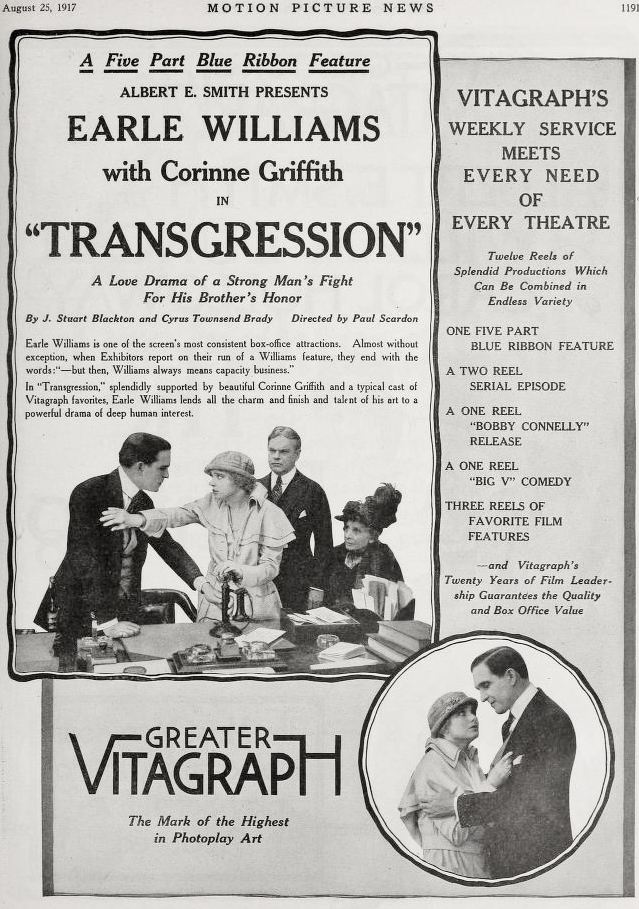
To truly understand the enduring mystique of cult cinema, we must journey back to its nascent forms, to an era when film itself was a burgeoning art form, ripe for experimentation and narrative innovation. Even in the silent era, amidst melodramas and slapstick comedies, there were films that hinted at the subversive spirit that would later define cult classics. Consider the early explorations of complex human relationships and societal pressures. Films that dared to portray moral ambiguities, such as a doctor's fiancée succumbing to temptation amidst his selfless work, or the intricate web of deceit in a stolen diamond mystery, began to probe the darker facets of human nature. These narratives, often rooted in drama and romance, frequently touched upon themes of transgression, deceit, and the breaking of social conventions, echoing the very rebellious undercurrents that would later captivate cult audiences.
The cinematic landscape of the early 20th century, though seemingly innocent by modern standards, was a fertile ground for narrative deviance. Stories of individuals struggling against overwhelming odds, whether a woman fighting to protect her ranch from cattle barons or an orphan navigating the harsh realities of urban life, showcased protagonists who were outsiders, rebels, or victims of circumstance. These early character studies, often imbued with a raw emotionality, resonated with viewers seeking reflections of their own struggles or fantasies of defiance. The nascent industry was not yet bound by rigid genre rules or extensive censorship, allowing for a certain freedom in depicting life's grittier aspects, from the struggles of an alcoholic to the perils of the urban underworld.

Unconventional Narratives and Thematic Depth
Beyond mere plot, the stylistic choices and thematic depth of these early works also contributed to a proto-cult sensibility. Films that explored the psychological toll of marital strife, the complexities of infidelity, or the devastating consequences of a lie, offered audiences more than simple entertainment; they provoked thought and discussion. The very act of adapting challenging literary works, such as a searing critique of patriarchal society or a sweeping historical epic, demonstrated an artistic ambition that transcended immediate commercial appeal. Such adaptations, with their nuanced characters and often tragic outcomes, fostered a deeper engagement, inviting audiences to ponder societal structures and individual destinies long after the final reel.
Even in what might appear to be straightforward comedies or adventure tales, there were often elements of the absurd or the spectacular that set them apart. A short film about a wife's misguided generosity leading to a staged robbery, or a compilation of daring acts from a Wild West show, showcased a willingness to experiment with format and content. These early cinematic ventures, whether through their frank depiction of social issues, their embrace of the fantastic, or their unique blend of genres, unknowingly laid the foundation for the cult movie phenomenon. They cultivated an audience attuned to the unusual, the thought-provoking, and the visually striking, preparing the ground for the cinematic oddities that would later become enshrined in the cult canon.

The Maverick Visionaries: Crafting the Unseen Pantheon
As cinema evolved, so too did the deliberate pursuit of the unconventional. Maverick filmmakers, often operating outside the studio system or challenging its conventions from within, began to craft works that were too peculiar, too provocative, or simply too ahead of their time for mass acceptance. These films, often initially met with indifference or outright hostility, would later be rediscovered and championed by discerning audiences, forming the core of the cult pantheon. The directors behind these creations were not always intending to make a cult film; rather, they were driven by a singular artistic vision, an uncompromising desire to tell stories that resonated with their own unique sensibilities, regardless of commercial viability.
Many cult films gain their status precisely because they are outliers. They might subvert established genres, like a Western that focuses on character psychology rather than simple good-vs-evil narratives, or a romance that defies class boundaries with a whimsical twist. These films often reject formulaic storytelling in favor of narrative ambiguity, challenging viewers to actively participate in interpreting their meaning. The deliberate choice to create something different, whether through surreal imagery, non-linear plots, or deeply flawed anti-heroes, is a hallmark of the cult classic. This inherent defiance of mainstream expectations is what often repels initial audiences but ultimately attracts a passionate, devoted following.

The Power of Stylistic Eccentricity
Stylistic eccentricity plays a crucial role in forging a film's cult status. Whether it's the stark visual poetry of early European cinema, the bold psychological dramas that dissect human relationships with unflinching honesty, or the playful subversion of everyday situations in a short comedy, these unique approaches leave an indelible mark. Films that refuse to conform to prevailing aesthetic trends often develop a distinctive visual and narrative language that speaks volumes to those who seek something beyond the ordinary. This could manifest as experimental cinematography, an unusual musical score, or a performance style that borders on the theatrical, deliberately breaking the fourth wall or embracing heightened realism.
The power of these maverick visions lies in their ability to transcend the limitations of their era. A film that explores themes of personal liberation or societal hypocrisy, even if set in a historical context, can continue to resonate decades later due to its timeless commentary. The exploration of universal human experiences, such as the quest for identity, the complexities of love and loss, or the struggle against oppressive systems, ensures their enduring relevance. These works become more than just films; they become cultural touchstones, offering insights into the human condition that are as pertinent today as they were upon their creation. The singular artistic voice, unafraid to challenge or provoke, is the bedrock upon which the most cherished cult films are built.

Forging Fandom: The Unseen Rituals of Cult Devotion
What truly distinguishes a cult film from a mere flop or an obscure gem is the active, passionate engagement of its audience. Cult films don't just have viewers; they have disciples, communities that form around shared appreciation, understanding, and often, ritualistic viewing experiences. This fandom isn't passive; it's a vibrant, participatory culture that elevates the film from a piece of entertainment to a shared experience, a touchstone for collective identity. The journey of a cult film from obscurity to beloved icon is often facilitated by word-of-mouth, underground screenings, and the tireless advocacy of its earliest champions.
The rituals surrounding cult films are as diverse as the films themselves. They can range from midnight showings where audiences dress up and recite lines in unison, to scholarly analyses that dissect every frame for hidden meanings. The sense of belonging, of being part of an exclusive club that understands and cherishes a particular piece of art, is a powerful draw. This communal aspect transforms solitary viewing into a collective celebration, deepening the film's impact and ensuring its longevity. The discovery of a cult film often feels like unearthing a secret, a personal revelation that one is compelled to share with like-minded individuals, thus perpetuating its legend.

The Enduring Allure of the Enigmatic
The enduring allure of cult cinema lies in its enigmatic nature. These films often present narratives that are open to multiple interpretations, inviting viewers to delve deeper, to analyze, and to discuss. Whether it's a perplexing mystery where a diamond disappears, a dramatic portrayal of a forbidden romance, or a character study of a woman seeking paradise outside her marriage, the ambiguity fuels obsession. This intellectual engagement transforms passive consumption into an active quest for understanding, making each re-watch a new opportunity for discovery. The films become living texts, continuously reinterpreted through the lens of individual and collective experience.
Furthermore, cult films often tap into a zeitgeist, reflecting anxieties, desires, or counter-cultural movements that the mainstream might overlook. A film about a socialite feigning bankruptcy to ward off fortune-hunters, or a police patrolman overcoming odds for love, can, in its unique context, comment on class, ambition, and societal pressures in a way that resonates with specific groups. They offer a sense of validation for those who feel marginalized or misunderstood, providing narratives that reflect their own experiences or fantasies of rebellion. This deep resonance, coupled with the joy of shared discovery, cements their place in cinematic history, ensuring that these unconventional works continue to find new generations of devoted admirers who are ready to embrace the strange, the beautiful, and the utterly unforgettable.
The Legacy of the Unconventional: Why Cult Films Endure
The enduring legacy of cult cinema is a testament to its unique ability to transcend commercial pressures and critical consensus. Unlike blockbusters designed for immediate, widespread appeal, cult films cultivate a slow burn of devotion, often gaining traction years, or even decades, after their initial release. This longevity is rooted in several factors: their capacity for rewatchability, their rich layers of symbolism, and their profound impact on subsequent generations of filmmakers and artists. A film that might have been dismissed as too weird or too niche upon its debut can, over time, be recognized as a visionary masterpiece, its influence rippling through popular culture in unexpected ways.
Rewatchability is a cornerstone of cult appeal. These are not films you watch once and forget. They invite, even demand, multiple viewings, each time revealing new nuances, subtle performances, or overlooked details. Whether it's the intricate dance of death in a psychological thriller, the nuanced portrayal of a woman's journey to self-discovery, or the complex dynamics of a love triangle, the films possess a depth that rewards repeated engagement. This iterative viewing process transforms the audience from passive spectators into active participants, engaging in a continuous dialogue with the film and its creators. The narrative ambiguities, the distinctive visual styles, and the memorable characters all contribute to a desire to revisit these cinematic worlds again and again, uncovering previously unnoticed cryptic clues that deepen the experience.

Influence and Cultural Resonance
Cult films often serve as unseen catalysts for artistic evolution. Their unconventional narratives and stylistic risks inspire new generations of filmmakers to push boundaries, to experiment, and to defy expectations. The influence of a film that depicts a wife's attempt to teach her husband a lesson, or a story of a young man finding fortune in the city, might seem subtle, but in its time, it could have offered alternative perspectives on storytelling and character development. The willingness to tackle taboo subjects, to explore the fringes of human experience, or to simply present a world viewed through a truly unique lens, provides a blueprint for future artistic endeavors. They prove that artistic merit and lasting impact are not always synonymous with initial commercial success.
Moreover, cult films often achieve a cultural resonance that extends far beyond the screen. They become part of the collective unconscious, their lines quoted, their characters referenced, and their themes debated in academic circles and online forums alike. A film about a young German woman navigating New York, or a soldier's dramatic love story, can offer a window into societal attitudes and historical contexts, becoming valuable historical documents as well as works of art. This enduring cultural footprint transforms them into more than just entertainment; they become cultural artifacts, embodying specific moments in time while simultaneously speaking to timeless human truths. The ability to spark such ongoing dialogue and inspire continuous re-evaluation is the ultimate hallmark of a true cult classic, cementing its place in the enduring, ever-expanding lexicon of cinematic art.

The Ever-Evolving Cult Landscape
The landscape of cult cinema is not static; it is an ever-evolving entity, continuously shaped by new discoveries, shifting cultural perspectives, and the relentless passion of its adherents. What was once considered a niche oddity can, with the passage of time and renewed critical attention, ascend to canonical status. Conversely, films that were once popular can fade into obscurity, only to be resurrected by a new generation that finds unexpected relevance in their themes or aesthetics. This dynamic interplay between past and present ensures that the cult movie experience remains vibrant and unpredictable, a constant source of cinematic wonder and intellectual stimulation.
The accessibility of film in the digital age has further democratized the cult phenomenon. Streaming platforms and online communities allow obscure gems to find their audiences more easily than ever before, fostering new cult followings for films that might have otherwise remained unseen. This global reach means that the shared experience of cult cinema is no longer confined to midnight screenings in urban art houses; it is a worldwide conversation, connecting disparate individuals through a mutual love for the unconventional. The films, whether they depict epic adventures in the French and Indian War, the intimate struggles of a playwright's muse, or the gritty realism of a boxing contest, continue to find their tribes, affirming the timeless power of storytelling that dares to be different.
The Unseen Thread of Connection
Ultimately, cult cinema is about connection – a connection between a filmmaker’s singular vision and an audience hungry for something more profound, more challenging, or simply more authentically weird. It’s the thrill of discovering a film that speaks directly to your soul, that validates your unique tastes, and that introduces you to a community of fellow enthusiasts. From the earliest cinematic attempts to capture the human condition in all its complexity, to the most audacious genre-bending experiments of today, the spirit of cult cinema has always been about pushing boundaries and finding beauty in the unconventional.
The celluloid cryptogram, therefore, is not a puzzle to be solved and discarded, but a living, breathing artifact that continues to reveal new facets with each viewing and each new generation of admirers. It reminds us that the true value of art is not always found in its immediate popularity, but in its enduring capacity to provoke, to inspire, and to forge unbreakable bonds between films and their devoted followers. In a world saturated with content, the cult film stands as a beacon for originality, a testament to the power of the overlooked, and a vibrant celebration of cinematic rebellion that will continue to thrive as long as there are stories to be told and eyes eager to see them with an open mind and a hungry heart.
Community
Comments
Log in to comment.
Loading comments…