
Cult Cinema, Deep Dive
The Uncharted Reels: How Cult Cinema's Maverick Visions Reshape Our Cinematic Universe
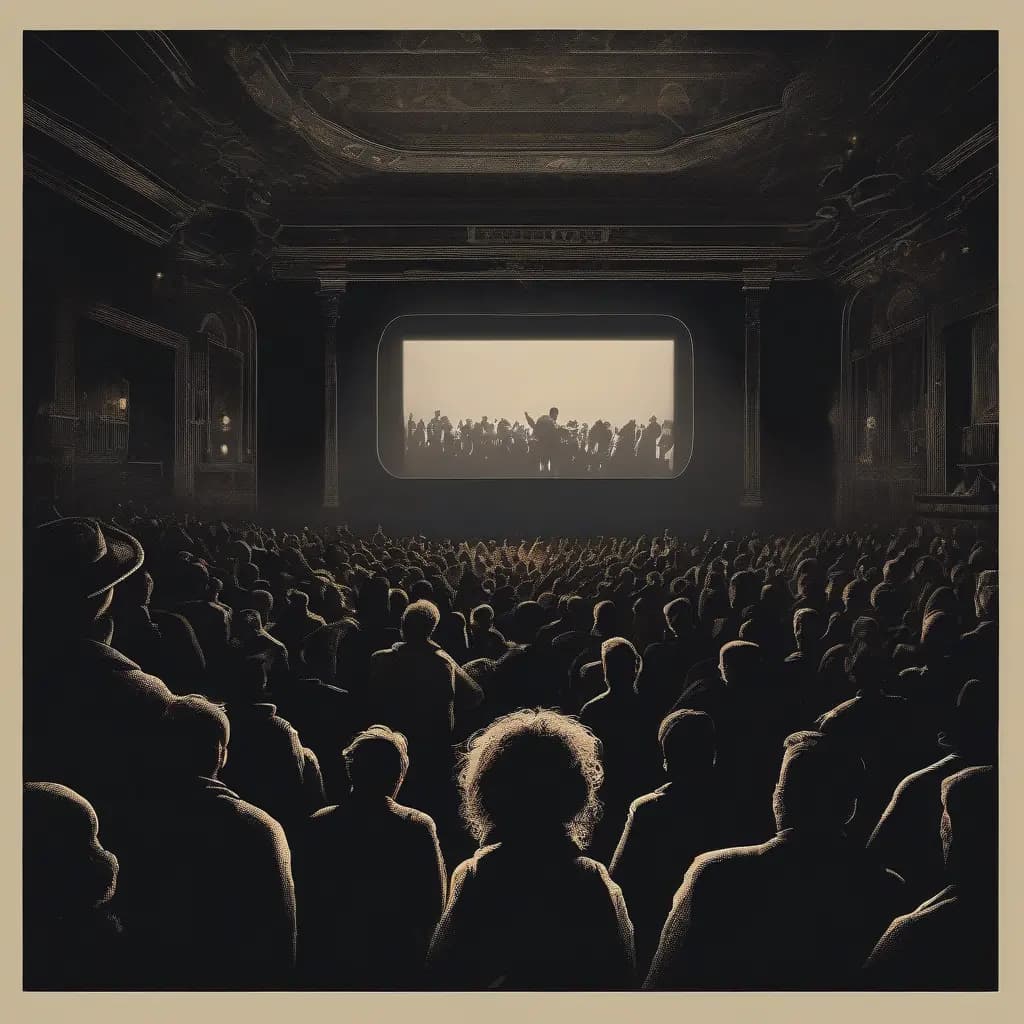
“Cult cinema thrives on the unconventional, transforming overlooked narratives and transgressive visions into enduring objects of devotion that challenge mainstream sensibilities and redefine cinematic artistry.”
In the vast, ever-expanding galaxy of cinematic art, certain films orbit on the periphery, shunned by mainstream critics, ignored by box office prognosticators, and often baffling to initial audiences. Yet, these are precisely the films that, over time, develop an gravitational pull all their own, drawing in fervent devotees who find in their unconventional narratives, peculiar aesthetics, and subversive themes a reflection of their own outsider sensibilities. This is the realm of cult cinema – a vibrant, often contradictory, and endlessly fascinating corner of film culture where the rejected become revered, and the misunderstood find their most ardent champions.

Cult cinema isn't merely about popularity; it's about a particular kind of intense, often ritualistic devotion that transcends simple appreciation. These aren't films to be merely watched; they are experiences to be absorbed, discussed, re-watched, and celebrated. They foster communities, inspire fan art, generate unique slang, and become touchstones for identity. From the silent era's forgotten oddities to modern-day midnight movie phenomena, the DNA of cult status is woven from threads of rebellion, artistic daring, and a profound connection with an audience hungry for something different.

The Maverick Spirit: Defying Convention from the Outset
The genesis of cult cinema can be traced back to the very beginnings of the medium, even before the concept of a 'cult film' explicitly existed. Early filmmakers, unburdened by established genres or commercial formulas, often experimented wildly, creating works that were bold, idiosyncratic, and sometimes deeply unsettling. These proto-cult films were not always box office hits; many were deemed too strange, too controversial, or simply too far ahead of their time. Yet, it was precisely this maverick spirit that laid the groundwork for future cinematic rebellion.

Consider films that dared to tackle taboo subjects, pushing the boundaries of what was acceptable on screen. Whether exploring themes of political dissent, challenging societal norms around relationships and morality, or depicting harsh realities that many preferred to ignore, these early works often faced censorship or public outcry. A film banned for its political implications, or one that delved into the complexities of moral dilemmas like abortion or infidelity, might have been ostracized by the establishment but simultaneously ignited a spark of recognition among those who felt similar societal pressures or intellectual curiosity. This confrontational stance, often unintentional at the time, is a hallmark of many films that would later find cult status.

Beyond contentious subject matter, some films simply possessed an unconventional aesthetic or narrative structure. They might blend genres in unexpected ways, presenting a fantasy adventure with a philosophical undercurrent, or a gritty western with dramatic psychological depth. A spy thriller that unfolds in a bizarre, almost surreal fashion, or a historical drama imbued with anachronistic energy, could easily confuse contemporary audiences expecting straightforward entertainment. However, for a discerning few, these stylistic deviations were not flaws but rather invitations to a deeper, more rewarding experience. This early embrace of the peculiar and the profound is a fundamental aspect of the cult phenomenon.

Beyond the Marquee's Glow: The Alchemy of Rediscovery
Many cult films share a common origin story: initial indifference or outright failure. They are the forgotten fringes, the films that didn't quite fit the mold, or perhaps released at the wrong time. Yet, the beauty of cinema, especially in its enduring physical forms and later digital resurrection, is that a film's initial reception is rarely its final judgment. The alchemy of rediscovery transforms these overlooked visions into cherished artifacts.

This process often begins with a small, dedicated group of aficionados – film critics, academics, or simply passionate moviegoers – who see something special where others saw nothing. They champion these films, dissecting their layers, interpreting their ambiguities, and articulating their unique power. A melodrama initially dismissed as overly dramatic might be re-evaluated for its subversive portrayal of gender roles or its surprisingly modern take on human relationships. A seemingly simple comedy short might be celebrated for its innovative visual gags or its subtle social commentary.

The journey from obscurity to oracle is a testament to the idea that art often needs time to breathe and find its true audience. Films featuring unconventional heroines, for instance – women who defy expectations, take charge, or navigate complex moral landscapes – might have been ahead of their time, but resonate powerfully with later generations. Similarly, narratives centered on social outcasts, rebels, or those struggling against systemic injustice often gain traction as societal perspectives evolve, making previously challenging themes more palatable or even prescient.

Themes of Transgression and Identity: Mirroring the Marginalized
At its core, cult cinema often speaks to the marginalized, the outsiders, and those who feel a disconnect from mainstream culture. It’s a cinema of transgression, not merely for shock value, but as a means to explore the limits of human experience and societal tolerance. Films that delve into the lives of anti-heroes, criminals seeking redemption, or individuals battling personal demons and external prejudices, offer a cathartic experience for viewers who see their own struggles reflected on screen.

These narratives frequently challenge conventional morality, forcing audiences to confront uncomfortable truths or question established norms. A story of a wrongfully convicted man escaping through the desert, or a young man fighting racial injustice to build a school, taps into a universal yearning for justice and self-determination. The characters in these films often exist on the fringes of society, embodying a rebel spirit that resonates deeply with those who feel like outsiders themselves. This sense of shared identity and rebellion forms the bedrock of cult fandom.

Furthermore, cult films are unafraid to explore the complexities of human psychology. They present characters grappling with profound moral ambiguities, personal sacrifices, and the consequences of their choices. Whether it's a socialite mistaken for a housemaid navigating class divides, or a courtesan making a heartbreaking sacrifice for love, these films often strip away superficiality to reveal raw, vulnerable humanity. This emotional honesty, even when wrapped in fantastical or melodramatic packaging, creates a powerful, lasting impression on viewers who appreciate depth over dogma.
The Power of the Niche: Crafting Unique Worlds
What truly distinguishes a cult film is its ability to create a unique, immersive world that captivates a specific audience. This isn't about broad appeal; it's about deep, resonant connection with a niche. These films might feature highly stylized visuals, quirky characterizations, unconventional pacing, or narrative twists that defy easy explanation. They invite viewers to step into a different reality, often one that challenges their perceptions or offers an escape from the mundane.
Some cult films achieve this through genre-bending experimentation. A silent-era adventure film that blends historical settings with mythical elements, or a short comedy that uses absurdism and kinetic energy to tell its story, demonstrates a willingness to push the boundaries of cinematic language. These experiments, while perhaps not universally acclaimed, become sacred texts for those who appreciate their audacity and originality. The very oddity of these films becomes their strength, distinguishing them from the homogenized offerings of mainstream cinema.
The narratives themselves often contribute to this niche appeal. Stories of epic feuds, intricate conspiracies, or quests for hidden treasures, even in their earliest cinematic forms, offer a sense of grand adventure and escapism. When these narratives are told with a distinctive voice, whether through visual flair or unique character development, they forge a powerful bond with viewers seeking more than passive entertainment. They become films that demand active participation, interpretation, and discussion – the very bedrock of a thriving cult following.
The Ritual of Fandom: Community and Celebration
The true power of cult cinema lies not just in the films themselves, but in the communities they foster. When a film resonates with a small, passionate group, it transforms from a mere movie into a shared experience, a cultural touchstone, and often, a ritual. Midnight screenings, themed parties, online forums, and fan conventions become sacred spaces where devotees can celebrate their shared obsession without judgment.
These rituals often involve active participation – quoting dialogue, dressing up as characters, singing along to musical numbers, or engaging in call-and-response during screenings. This communal aspect elevates the viewing experience beyond individual consumption, making it a collective affirmation of identity and taste. Whether it's celebrating the enduring appeal of a historical figure's life story or reveling in the slapstick antics of a forgotten comedy short, the act of shared enjoyment reinforces the film's cult status.
The dedication of cult fans is unparalleled. They are the archivists, the interpreters, and the evangelists. They delve into the film's production history, uncover deleted scenes, analyze every frame, and introduce new generations to its magic. This ongoing engagement ensures the film's immortality, proving that artistic value isn't always determined by initial commercial success, but by the passionate devotion of its enduring audience. It's a testament to the idea that some stories are simply too compelling, too unique, or too resonant to fade into obscurity.
Legacy and Influence: Shaping the Cinematic Landscape
Despite their often-outsider status, cult films have an undeniable and often profound impact on the broader cinematic landscape. They serve as a vital proving ground for experimental techniques, unconventional narratives, and daring themes that eventually seep into the mainstream. What was once considered too strange or too niche can, over time, become a source of inspiration for new generations of filmmakers and artists.
The influence of cult cinema is evident in everything from blockbuster productions that borrow stylistic elements, to independent films that echo the transgressive spirit of their predecessors. A film about a rebellious boy forging an unlikely bond, or a narrative focused on the struggles of ordinary people against societal pressures, can inspire countless retellings and reinterpretations. These films remind us that true innovation often comes from the margins, from artists willing to take risks and defy expectations.
Ultimately, cult cinema is more than just a collection of movies; it's a philosophy, an approach to filmmaking and film-watching that celebrates individuality, challenges conformity, and embraces the power of the unconventional. It ensures that the cinematic universe remains a diverse and dynamic space, constantly enriched by the enduring allure of its maverick visions and the unwavering devotion of its dedicated followers. These films, once overlooked or misunderstood, become beacons, guiding us through the uncharted reels of cinematic history and reminding us that greatness can be found in the most unexpected places.
From the earliest flickers of silent film, where pioneers experimented with narratives of social commentary, daring action, and complex human drama, to the modern-day midnight movie circuit, the spirit of cult cinema persists. It’s a testament to the fact that while trends may come and go, the hunger for authentic, challenging, and deeply resonant storytelling remains eternal. The cult film isn't just a movie; it's a mirror reflecting our shared desire for something more, something different, something truly unforgettable.
Community
Comments
Log in to comment.
Loading comments…