
Cult Cinema, Deep Dive
The Unconventional Genesis: How Early Film Paved the Way for Cult Cinema's Enduring Power
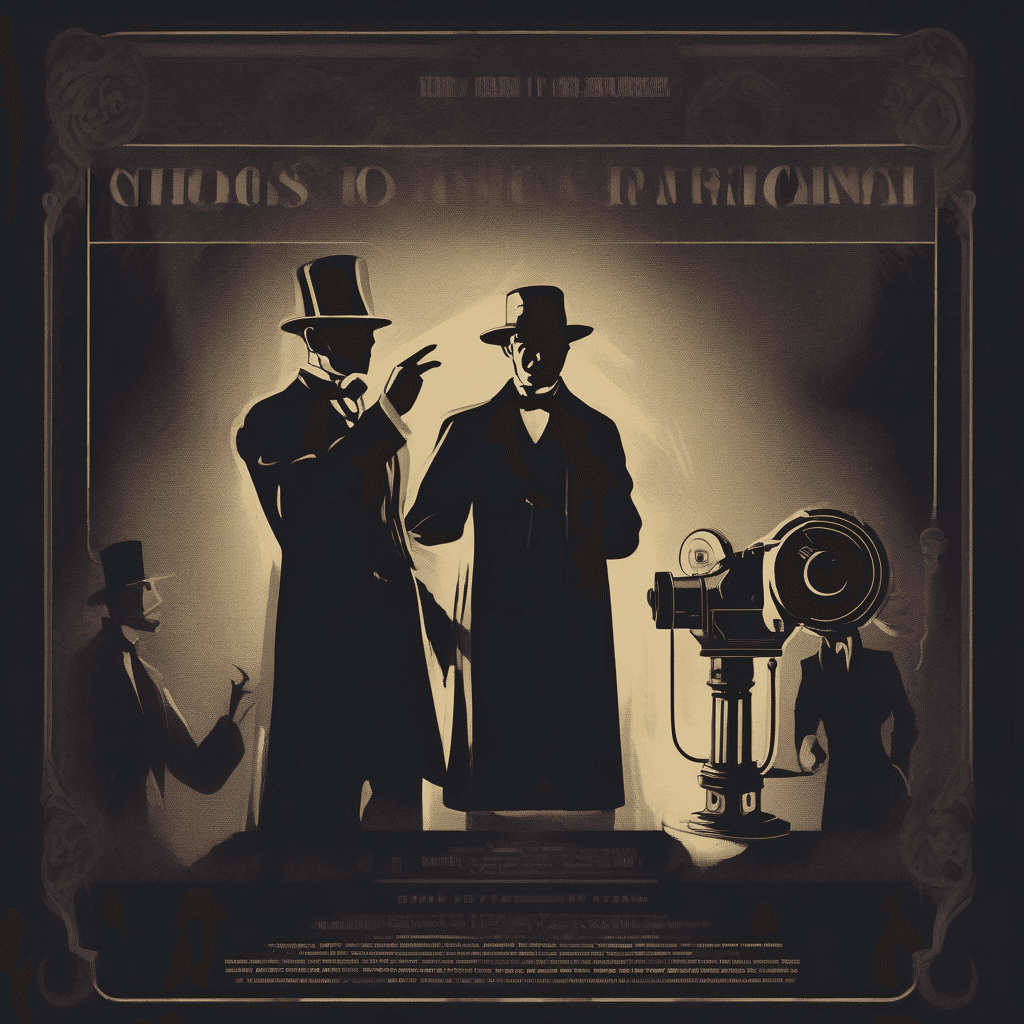
“Delve into the shadowy origins of cult cinema, exploring how early films, often overlooked or misunderstood, laid the foundational groundwork for the rebellious spirit and enduring allure that defines the genre today. This deep dive unearths the proto-cult elements that captivated niche audiences lo…”
Cult cinema. The very phrase conjures images of midnight screenings, fervent fan communities, and films that defy easy categorization. These are the cinematic anomalies, the maverick visions that, for myriad reasons, bypass mainstream success only to achieve a fervent, almost religious devotion among select audiences. From the surreal to the shocking, the bizarre to the beautiful, cult films are more than just movies; they are shared experiences, codes of conduct, and often, reflections of society’s unspoken anxieties and desires. But where did this unique phenomenon truly begin? While many associate cult cinema with the counter-culture explosion of the 1970s and beyond, the unconventional genesis of this cinematic obsession stretches back much further, into the flickering, silent reels of cinema’s earliest decades. It’s in these foundational years that the seeds of subversion, aesthetic rebellion, and niche appeal were first sown, laying the groundwork for the enduring allure that defines cult cinema today.
The Proto-Cult: Seeds of Subversion in Early Cinema
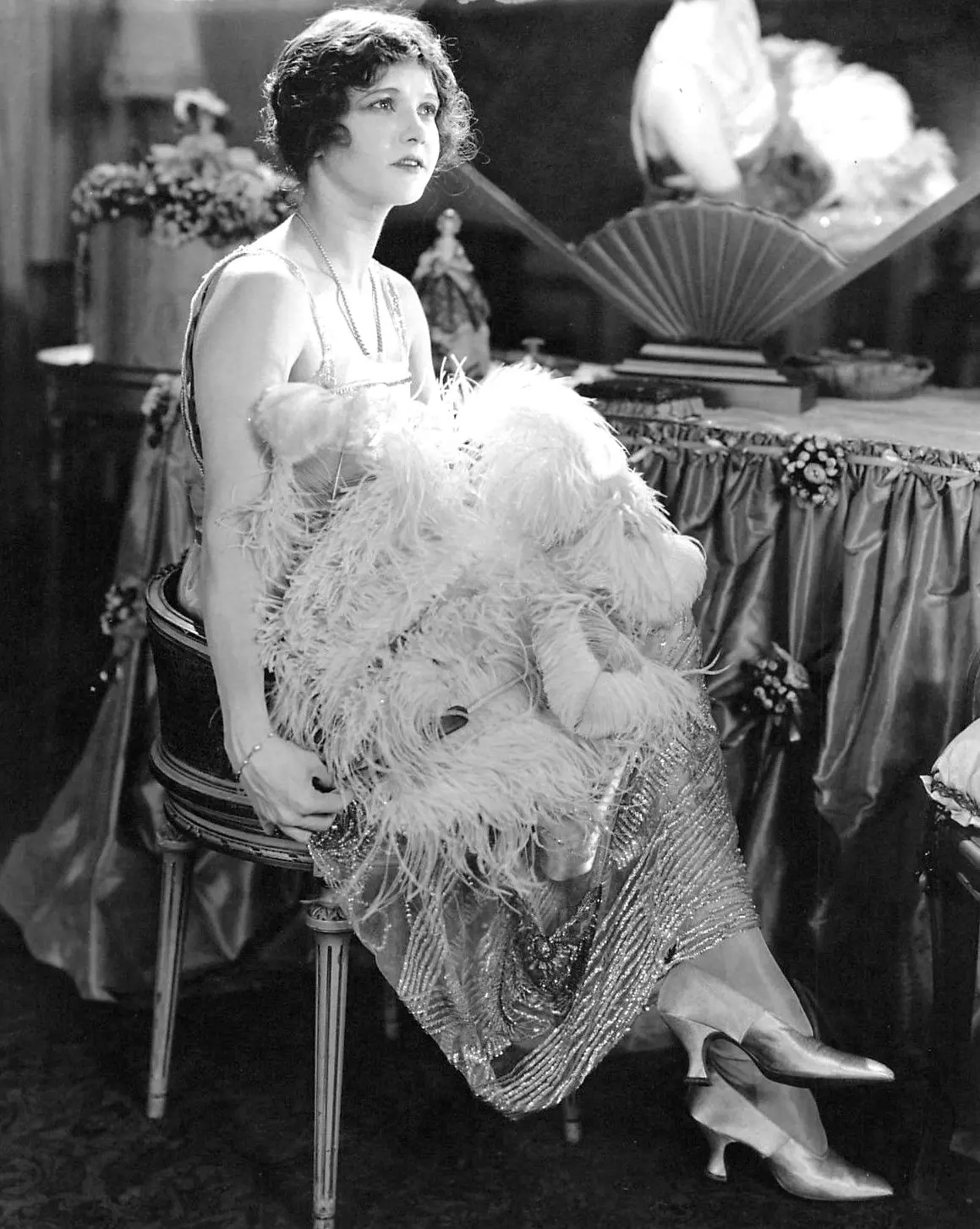
Before the term 'cult film' existed, there were films that simply didn't fit. They were often too strange, too morally ambiguous, or too stylistically daring for the sensibilities of their time. These early cinematic experiments, though perhaps not intentionally crafted for a niche audience, frequently contained elements that would later become hallmarks of cult classics. Consider the powerful dramas of betrayal and jealousy, where protagonists navigate complex moral landscapes, often with tragic or unsettling outcomes. These narratives, far from the simple morality plays often expected of early cinema, delved into the darker corners of the human psyche, exploring themes of infidelity, revenge, and the corrosive nature of obsession. Such explorations of transgressive narratives challenged viewers, forcing them to confront uncomfortable truths about human nature.
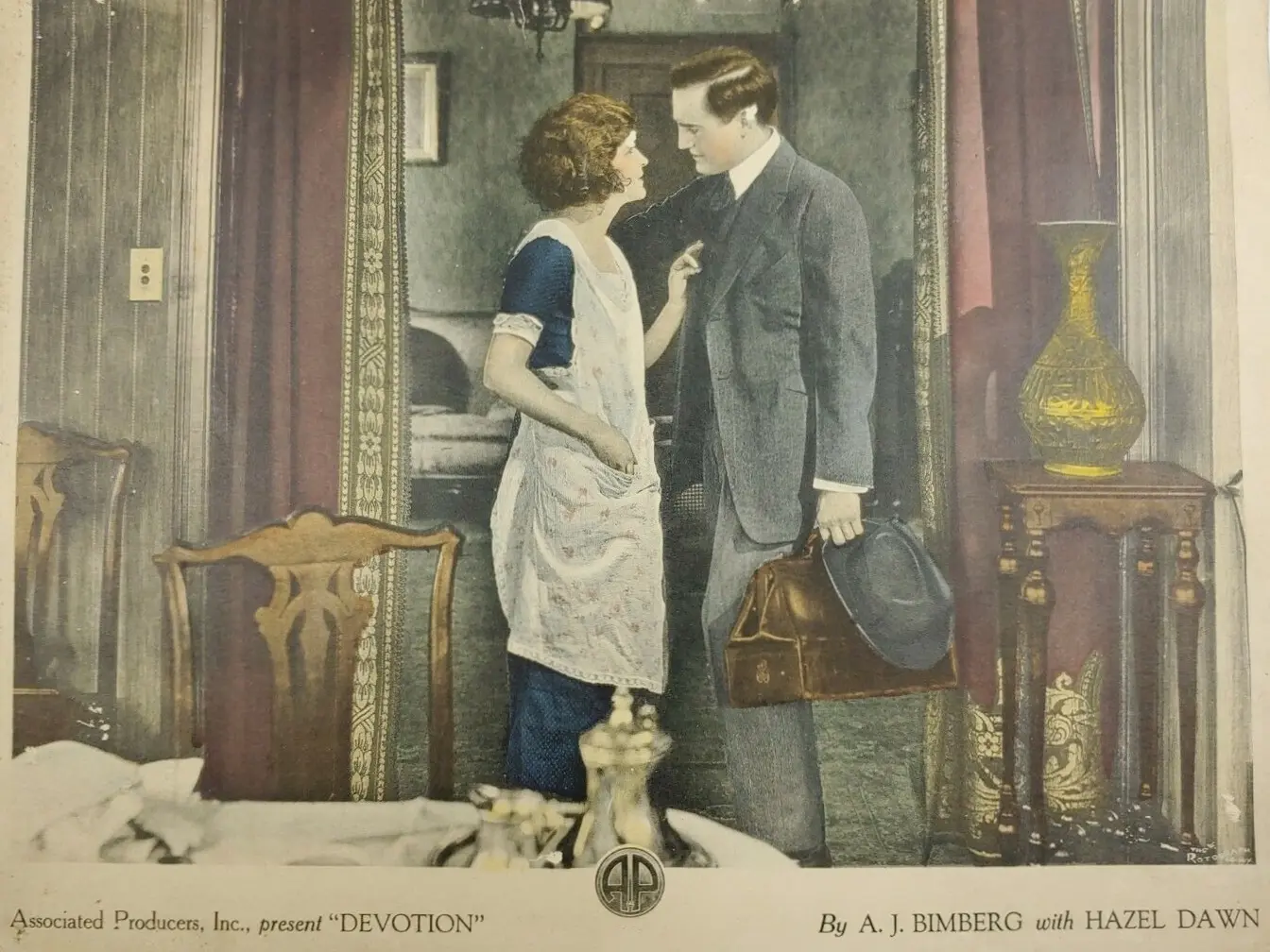
Many early films also grappled with themes of justice and injustice, portraying characters wrongly accused or seeking vengeance for past wrongs. These dramatic arcs, often filled with suspense and moral quandaries, resonated deeply with audiences who yearned for stories that mirrored their own struggles against societal constraints or personal demons. The portrayal of outlaws and rebels, for instance, often transcended simple villainy, imbuing these characters with a complex, sometimes sympathetic humanity that defied conventional hero-villain archetypes. This rebel spirit, inherent in many silent-era narratives, laid the groundwork for the anti-establishment ethos that would later define much of cult cinema. These were not always comfortable films; they were often raw, visceral, and unflinching in their depiction of life's harsh realities, from the struggles of survival in unforgiving landscapes to the psychological toll of war.

Furthermore, the early cinema landscape was fertile ground for genre-bending experimentation. While nascent genres like westerns and adventures were taking shape, many films blurred these lines, incorporating elements of psychological drama, social commentary, and even supernatural mystery into their narratives. A simple adventure story might suddenly pivot into a profound meditation on human endurance, or a crime drama could explore the intricate delusions of a troubled mind. This fluid approach to storytelling, unburdened by rigid industry formulas, allowed for a creative freedom that often produced truly unique and memorable works – films that, while perhaps not widely understood at their initial release, held a distinct power for those who connected with their unorthodox visions. These early works, though perhaps forgotten by the mainstream, were the primordial soup from which the rich tapestry of cult cinema would eventually emerge, each strange narrative thread contributing to a legacy of cinematic defiance.
Aesthetic Rebellion and Narrative Anarchy
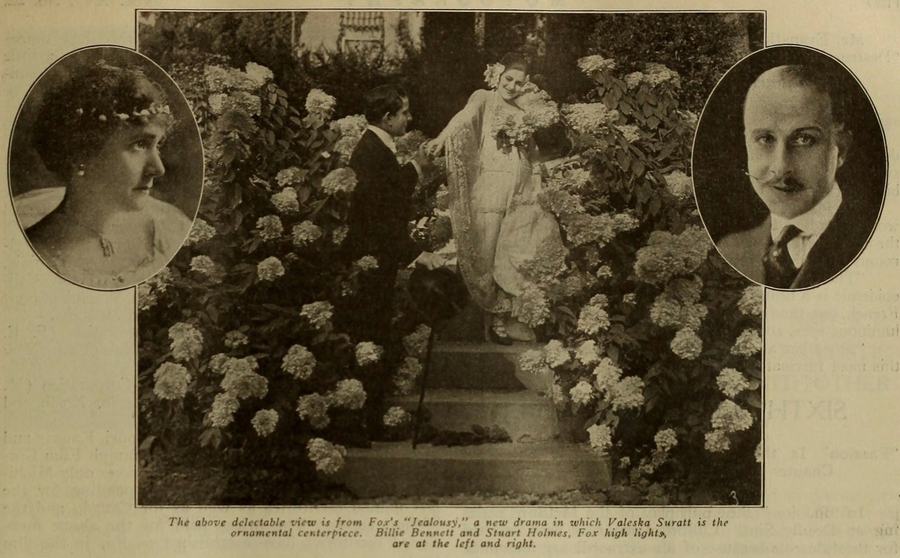
The visual language of early cinema, particularly during the silent era, was inherently experimental. Unconstrained by synchronous sound, filmmakers relied heavily on visual metaphor, exaggerated performances, and innovative camera techniques to convey emotion and narrative. This necessity bred a remarkable degree of aesthetic rebellion. German Expressionism, for instance, with its distorted sets and stark lighting, created unsettling atmospheres that amplified psychological states, a visual style that would deeply influence later cult horror and surrealist films. The use of elaborate costuming, striking makeup, and stylized sets transformed cinematic spaces into dreamscapes or nightmares, offering an escape from mundane reality into worlds of heightened emotion and symbolic meaning. These were films that didn't just tell stories; they created immersive, often disorienting, experiences.
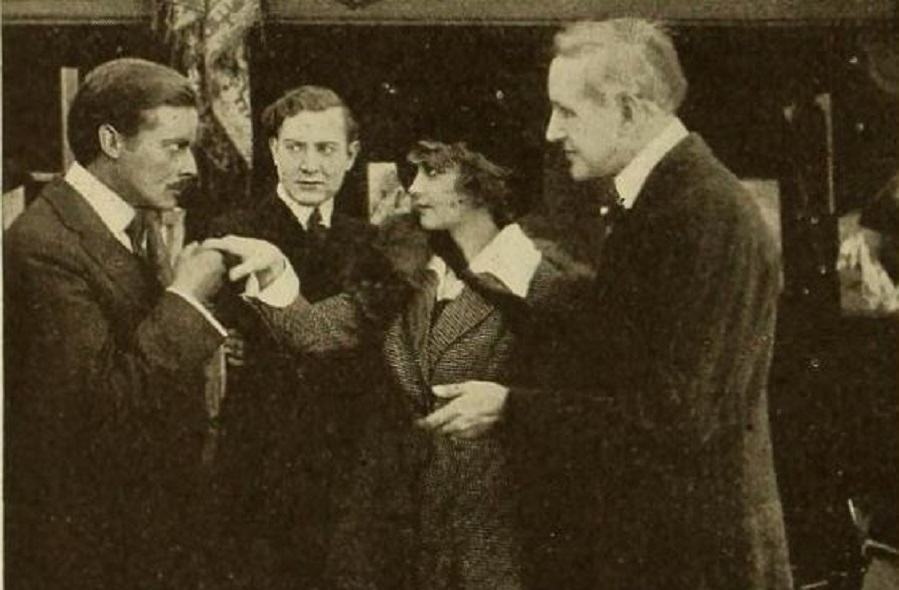
Beyond visual flair, early films often exhibited a profound narrative anarchy. Plots could be sprawling, episodic, or deliberately obtuse, challenging audience expectations of linear storytelling. Characters might undergo radical transformations, or their motivations could remain tantalizingly opaque, leaving much to the viewer's interpretation. Films exploring spiritual journeys, societal critiques, or the complexities of human relationships often embraced a more poetic or allegorical structure, rather than a straightforward, easily digestible plot. This willingness to deviate from conventional narrative structures, to experiment with pacing and perspective, fostered a sense of mystery and depth that appealed to more discerning or adventurous viewers. The very act of watching these films required a different kind of engagement, a willingness to surrender to the film's unique rhythm and logic.
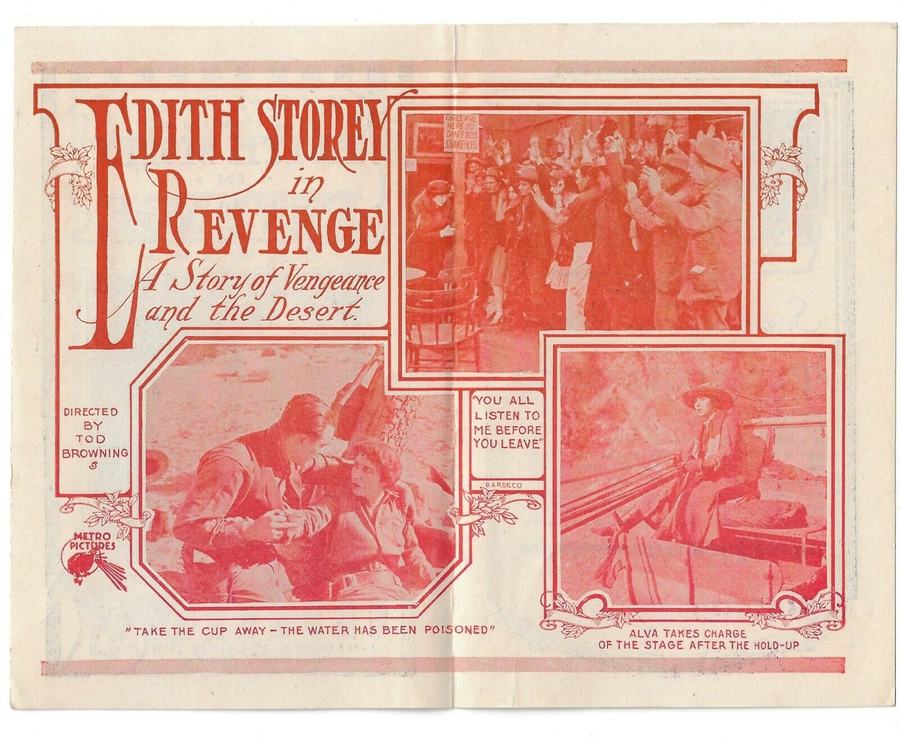
The absence of spoken dialogue also necessitated a heightened reliance on universal themes and archetypal characters, which could sometimes result in deeply symbolic and resonant storytelling. Whether depicting a dramatic confrontation, a desperate struggle for survival, or a poignant exploration of forbidden love, the visual emphasis allowed for a more direct, emotional connection, bypassing the verbal filters. This raw, unfiltered approach often created a powerful, almost hypnotic effect, leaving a lasting impression on those who truly immersed themselves in the experience. These were the films that whispered secrets, hinted at hidden meanings, and invited repeated viewings for deeper understanding – characteristics that are quintessentially cult film attributes. The cinematic artistry of this period, from innovative editing to groundbreaking special effects, proved that films could be more than mere entertainment; they could be profound works of art, capable of stirring the soul and challenging the intellect.
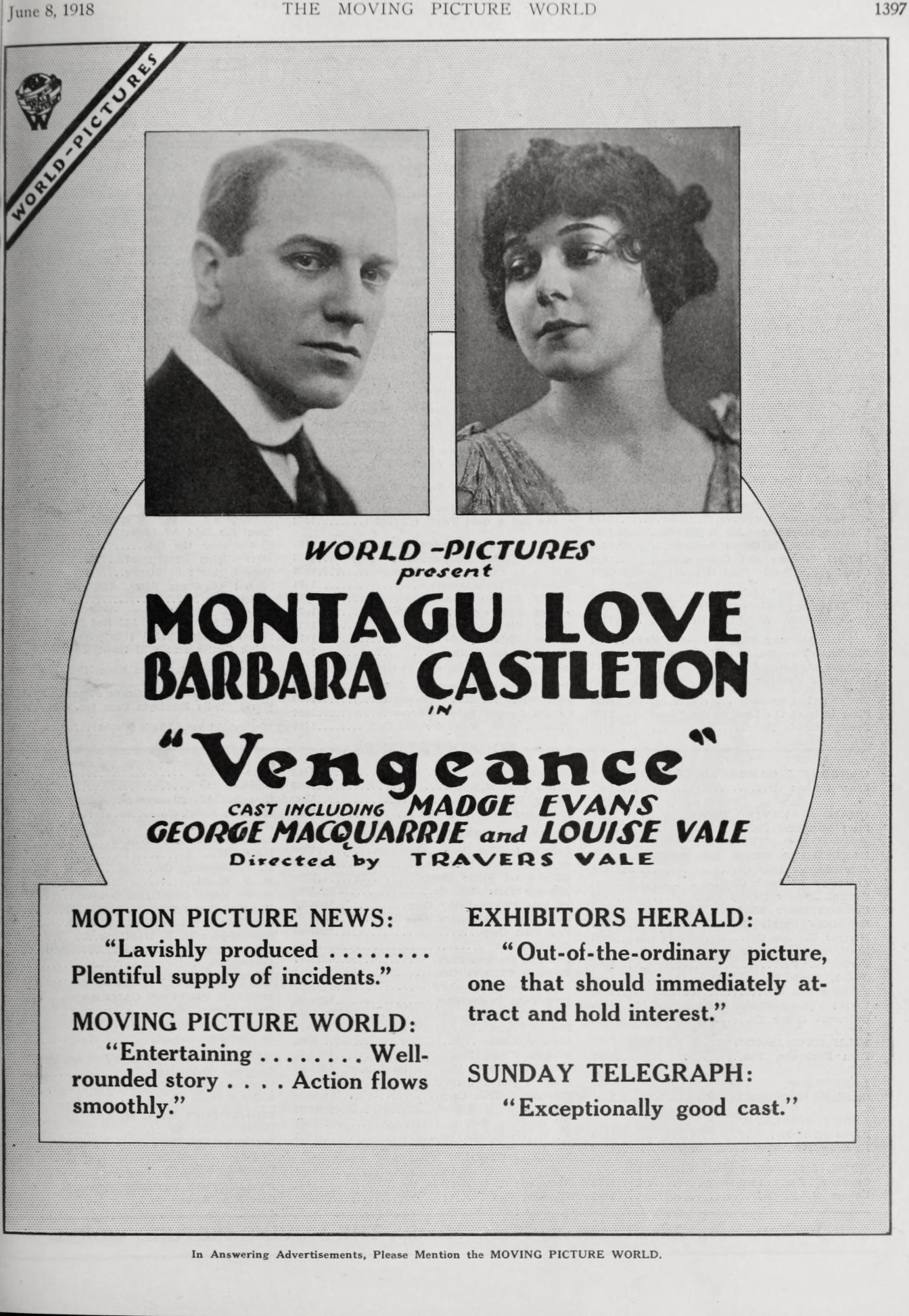
The Outcasts and the Obsessed: Forging Niche Fandoms
The concept of a 'fandom' might seem modern, but the seeds of devoted cinematic communities were present even in early cinema. When a film was too peculiar, too provocative, or too ahead of its time for the general public, it often found a small, dedicated following. These were the cinephiles who sought out the unusual, the boundary-pushing, the films that dared to be different. Early dramas that explored complex social issues like unconventional marriages or challenges to traditional morality, for instance, might have alienated conservative audiences but captivated those who felt a similar sense of disillusionment or rebellion against societal norms. These films provided a mirror, reflecting anxieties and desires that were often unacknowledged in mainstream discourse.
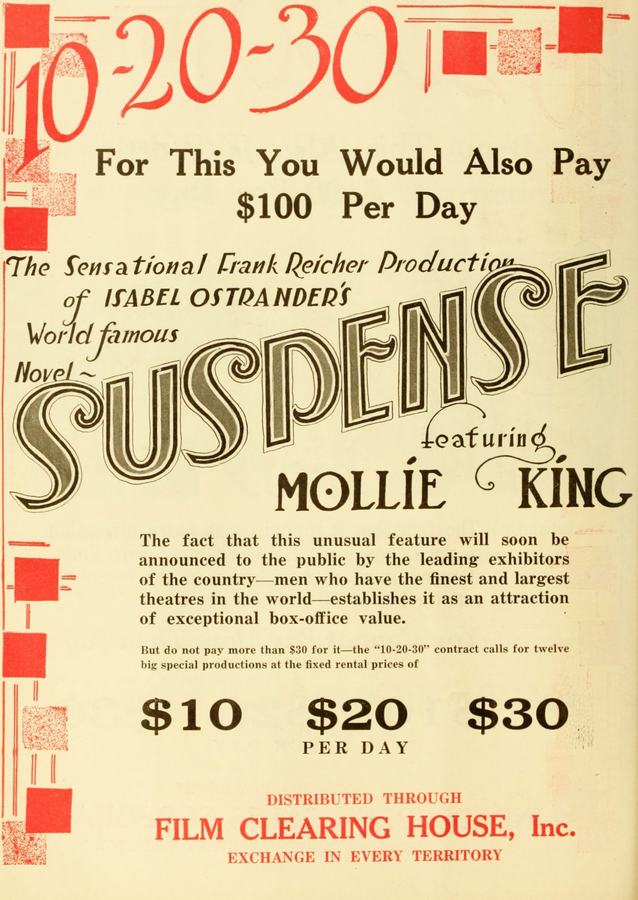
The limited distribution and exhibition methods of early cinema also played a role in cultivating these niche audiences. Films might only play in certain theaters, or for limited engagements, making their viewing a more exclusive and sought-after experience. Word-of-mouth became a powerful tool, as enthusiasts shared their discoveries with like-minded individuals, building informal networks of appreciation around these forgotten gems or controversial works. A film depicting a thrilling pursuit across a vast wilderness, or a mysterious tale of identity and deception, could spark intense conversations and debates among its devotees, forging a sense of shared discovery and belonging.
This nascent form of film fandom was perhaps less about organized midnight screenings and more about a quiet, personal obsession that blossomed into shared admiration. The inherent weirdness or subversive nature of certain films created an immediate bond among those who 'got it.' Whether it was the raw emotional power of a melodrama depicting a woman's struggle against societal expectations, or the unsettling ambiguity of a psychological thriller, these films offered a sense of recognition and validation for viewers who felt themselves to be outside the mainstream. They were the cinematic outcasts that spoke to the human desire for authenticity and artistic freedom, proving that true connection could be found in the most unexpected corners of the flickering screen.
From Fringe to Phenomenon: The Evolution of Cult Status
The elements present in early, proto-cult films—the challenging themes, the experimental aesthetics, the niche appeal—didn't disappear. Instead, they evolved, adapting to changing cinematic landscapes and societal shifts. As cinema matured, the deliberate creation of subversive content became more pronounced. Filmmakers, often inspired by earlier mavericks, pushed boundaries with increasing audacity, tackling taboos and exploring the grotesque, the surreal, and the politically charged. The foundational courage of early directors who dared to depict complex moral dilemmas or delve into psychological instability paved the way for later generations to explore explicit violence, sexuality, and social commentary without reservation.
The transition from silent to sound film, and then through the various technological advancements, only broadened the palette for unconventional storytelling. While some early films were lost to time or neglect, others were rediscovered, their once-puzzling qualities re-evaluated and celebrated by new generations of film scholars and enthusiasts. The enduring power of a film that depicts a woman's fight for independence, or a man's struggle against his own internal demons, transcends the era of its creation, finding new resonance with contemporary audiences. This process of rediscovery is crucial to cult cinema; many films only achieve their legendary status years, or even decades, after their initial release, when cultural contexts have shifted and a receptive audience is finally ready for their message.
Moreover, the advent of specialized theaters, film festivals, and eventually home video and streaming services, democratized access to these fringe masterpieces. No longer confined to limited runs or obscure archives, cult films became accessible to a global audience, allowing their unique magnetism to spread. The shared viewing experience, once limited to small circles, could now manifest in online communities, fan conventions, and, of course, the iconic midnight screenings that solidified the genre's public identity. The cinematic history of cult films is a testament to the idea that true artistic merit and resonant themes can defy commercial expectations and endure through generations, gathering a passionate following along the way.
The Enduring Legacy: Why Cult Cinema Continues to Thrive
Today, cult cinema remains a vibrant and essential part of the film landscape. Its enduring appeal lies in its ability to offer an alternative, a refuge from the often-homogenized world of mainstream blockbusters. It's where artistic freedom flourishes, where narratives can be challenging, characters can be flawed, and endings can be ambiguous. The films that resonate most deeply with cult audiences are often those that refuse to provide easy answers, instead inviting viewers into a complex dialogue about identity, society, and the human condition. Whether it's a tale of a naive individual navigating a corrupt world, or a thrilling mystery unraveling a dark conspiracy, these stories speak to a universal yearning for meaning beyond the superficial.
The communal aspect of cult cinema is also paramount. It fosters a sense of belonging among individuals who feel marginalized by conventional tastes. Attending a midnight screening, participating in online discussions, or simply recommending a hidden gem to a friend—these acts are rituals that reinforce identity and solidarity. Cult films often become cultural touchstones, providing a shared language and a collective memory for their devotees. They are not just films; they are experiences that shape worldviews, inspire creativity, and forge lasting friendships. The power of these films to provoke thought, challenge perceptions, and create lasting emotional impact is undeniable.
From the silent era’s daring psychological dramas and socially conscious narratives to the modern era’s genre-defying spectacles, the thread of the unconventional runs continuous. The early explorations of human folly, societal hypocrisy, and the struggle for survival—whether in a literal wilderness or a metaphorical one—laid the groundwork for the rich and diverse tapestry of cult film history. These films, often born from obscure origins or misunderstood intentions, have collectively built a legacy of cinematic rebellion that continues to inspire and entertain. They remind us that true art often lives on the fringes, waiting to be discovered, celebrated, and ultimately, worshipped by those who seek something more profound than mere spectacle.
In conclusion, cult cinema is not a sudden emergence but a continuous evolution, deeply rooted in the experimental and often subversive spirit of early filmmaking. The early pioneers, with their raw narratives, bold visual styles, and unflinching thematic explorations, were the unwitting architects of a phenomenon that would eventually captivate millions. Their willingness to venture beyond the conventional, to depict the complex and often uncomfortable truths of existence, forged the very DNA of what we now recognize as cult. The enduring power of cult cinema lies in this rich heritage: a testament to the human desire for stories that challenge, provoke, and ultimately, unite us in our shared appreciation for the beautifully bizarre and the profoundly unconventional. The midnight movie tradition, therefore, is not just a modern curiosity, but a vibrant echo of cinematic history, a continuous conversation between past and present, outsider and devotee.
Community
Comments
Log in to comment.
Loading comments…