
Listicle
Unearthing Silent Cinema's Hidden Treasures: 10 Forgotten Films That Defined an Era
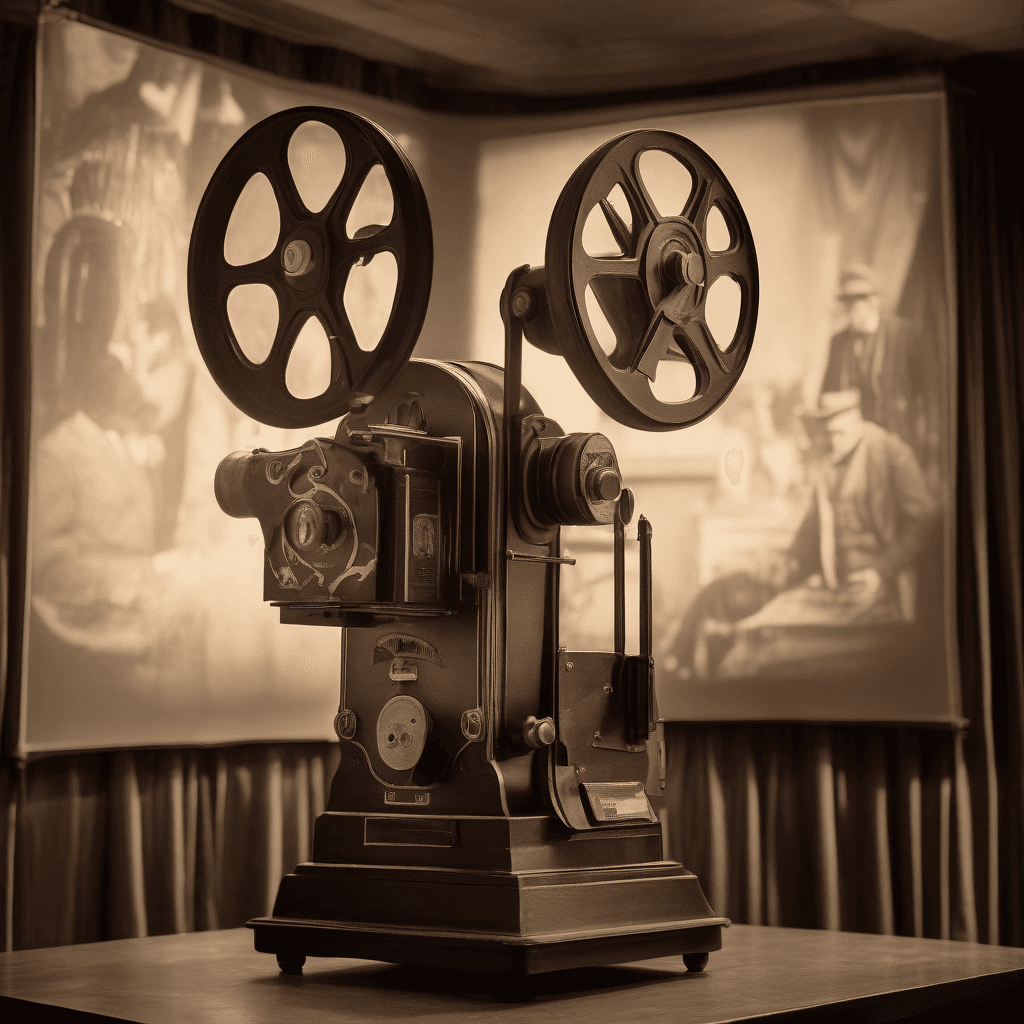
“Dive into the captivating world of early 20th-century cinema with our list of 10 forgotten silent films. From thrilling mysteries to heartwarming comedies, discover the pioneering stories that shaped the silver screen, proving that the silent era was anything but quiet.”
Before the roar of 'talkies' forever changed the cinematic landscape, a vibrant, innovative, and profoundly expressive art form dominated the silver screen: silent cinema. The years between 1914 and 1922 represent a pivotal period, a crucible where filmmakers experimented with narrative, technique, and emotional depth, laying the groundwork for everything that followed. Yet, many of these pioneering works, once celebrated by millions, have faded into obscurity, becoming forgotten chapters in film history. But 'forgotten' doesn't mean 'unworthy.' Quite the contrary. These films offer a unique window into the past, reflecting the anxieties, dreams, and evolving social fabric of a world reeling from war and stepping into modernity. They showcase the raw talent of early directors, writers, and performers who had to tell compelling stories without the aid of spoken dialogue, relying instead on powerful visuals, nuanced performances, and evocative musical scores. Join us as we dust off the reels and unearth 10 hidden treasures from this extraordinary era. These aren't just historical curiosities; they are compelling narratives, thrilling adventures, and poignant dramas that deserve to be rediscovered by modern audiences. Prepare to be amazed by the ingenuity and enduring power of early cinema, proving that the silent era was anything but quiet.
De lefvande dödas klubb (1914)
Hailing from Sweden, 'De lefvande dödas klubb' translates to 'The Club of the Living Dead,' and if that title doesn't immediately pique your interest, nothing will! This chilling 1914 masterpiece plunges viewers into a macabre world of a secret society whose members feign their deaths to escape societal pressures, only to find their new 'freedom' comes with a terrifying price. A groundbreaking early example of psychological horror and mystery, the film masterfully builds suspense through shadowy cinematography and enigmatic characters, exploring themes of identity, mortality, and the dark corners of the human psyche. It's a testament to how early filmmakers could create profound fright without a single scream.
Read full review of De lefvande dödas klubb
The Corner (1916)
In the bustling, often unforgiving urban landscape of 1916, 'The Corner' offers a poignant glimpse into the lives intersecting at a single, pivotal street corner. This social drama deftly weaves together multiple storylines, exploring themes of poverty, ambition, love, and desperation among the city's inhabitants. From the struggling artist to the opportunistic businessman, each character's fate is subtly influenced by the choices made and the chances encountered at this seemingly ordinary location. 'The Corner' is a powerful reminder of the human stories hidden within the everyday, showcasing early cinema's capacity for nuanced social commentary and character-driven narratives.
Read full review of The Corner
The Hunting of the Hawk (1917)
Before James Bond and Jason Bourne, there were the silent era's own thrilling spies and daring adventurers. 'The Hunting of the Hawk,' a gripping 1917 spy thriller, plunges audiences into a high-stakes game of international espionage. A brilliant, enigmatic 'hawk' — a master spy whose identity remains a mystery — is on the loose, threatening national security with stolen secrets. A determined detective must navigate a labyrinth of double-crosses, coded messages, and thrilling chases across exotic locales to unmask the elusive figure. This film is a pulse-pounding example of early action filmmaking, demonstrating how suspense and excitement were expertly crafted without dialogue.
Read full review of The Hunting of the Hawk
Az ösember (1918)
From Hungary comes 'Az ösember,' or 'The Primal Man,' a truly unique and ambitious film from 1918 that transports viewers back to the dawn of humanity. This epic adventure explores the struggles and triumphs of early man, facing the harsh realities of the wild, tribal conflicts, and the nascent stirrings of civilization. With impressive set designs and groundbreaking special effects for its time, the film is a fascinating exploration of human nature, survival, and the origins of society. It’s a testament to the boundless imagination of early filmmakers, proving that no concept was too grand for the silent screen.
Read full review of Az ösember
The Floor Below (1918)
Step into a world of secrets and suspense with 'The Floor Below' from 1918. This compelling mystery-drama masterfully builds tension around a hidden truth lurking just beneath the surface – literally. A young woman inherits an old, sprawling estate, only to discover strange noises and unsettling occurrences originating from a mysterious sealed-off room 'the floor below.' As she delves deeper, she uncovers a dark family secret involving betrayal, forgotten wills, and perhaps even a ghostly presence. 'The Floor Below' is a superb example of how silent cinema could create intricate plots and palpable atmosphere, keeping audiences on the edge of their seats.
Read full review of The Floor Below
Vengeance and the Girl (1919)
The title 'Vengeance and the Girl' from 1919 perfectly encapsulates the dramatic intensity of this powerful melodrama. This film tells the harrowing story of a young woman wronged, whose quest for justice transforms into a gripping tale of revenge. As she navigates a world that has betrayed her, her journey is fraught with moral dilemmas, dangerous encounters, and emotional turmoil. This film is a raw and uncompromising exploration of human resilience, the destructive nature of obsession, and the complex interplay between justice and personal retribution. It’s a stunning example of the emotional depth achievable in silent storytelling.
Read full review of Vengeance and the Girl
Uncle Tom's Caboose (1920)
A heartwarming and evocative journey awaits in 'Uncle Tom's Caboose,' a charming 1920 drama. This film follows the adventures and misadventures of an elderly, kind-hearted train conductor, affectionately known as Uncle Tom, and his beloved caboose. As he faces retirement and the changing landscape of the railway, the film beautifully captures themes of nostalgia, the passage of time, and the enduring bonds forged through shared experiences. It's a gentle yet profound story that celebrates the dignity of labor and the quiet heroism of everyday life, all set against the romantic backdrop of early 20th-century rail travel.
Read full review of Uncle Tom's Caboose
Das grüne Plakat (1920)
From Germany, 'Das grüne Plakat' or 'The Green Poster' (1920) is a captivating mystery that delves into the world of political intrigue and coded messages. When a mysterious green poster begins appearing across the city, seemingly innocuous but carrying a hidden meaning, a clever detective must unravel its secrets before a dangerous plot unfolds. This film is a masterclass in visual storytelling, using symbolism and careful mise-en-scène to build a complex narrative. It’s a thrilling ride through espionage and intellectual challenge, showcasing the cleverness of silent film narratives in conveying complex ideas without a single uttered word.
Read full review of Das grüne Plakat
The Fighting Kentuckians (1920)
Experience the rugged spirit of the American frontier in 'The Fighting Kentuckians,' a robust 1920 Western-drama. Set against the backdrop of the wild Appalachian mountains, this film chronicles the fierce loyalties, bitter feuds, and unwavering courage of a proud Kentuckian family. When their land and way of life are threatened, they must unite to defend their heritage against external forces. 'The Fighting Kentuckians' is a powerful saga of resilience, community, and the timeless struggle for freedom and justice, offering a compelling glimpse into a pivotal era of American history through the lens of early cinema.
Read full review of The Fighting Kentuckians
The Golf Bug (1922)
Lightening the mood after our journey through drama and mystery, we arrive at 'The Golf Bug,' a delightful 1922 comedy that proves laughter was just as vital in the silent era. This charming film follows a hapless protagonist who suddenly becomes obsessed with the notoriously frustrating game of golf. His hilarious attempts to master the sport lead to a series of slapstick mishaps, social embarrassments, and absurd situations. 'The Golf Bug' is a perfect example of silent comedy at its best, relying on physical humor, exaggerated expressions, and ingenious sight gags to deliver continuous laughs, a timeless testament to the universal appeal of a good chuckle.
Read full review of The Golf Bug
As we close the curtain on these ten remarkable films, it becomes clear that the silent era was far from a nascent, undeveloped period of cinema. It was a time of immense creativity, bold experimentation, and profound storytelling, where filmmakers harnessed the power of visual narrative to captivate audiences across the globe. These 'forgotten' films, from chilling mysteries to heartwarming comedies, are not mere relics; they are vibrant pieces of art that continue to resonate, offering insights into human nature and the very foundations of cinematic expression. Their rediscovery is a vital step in appreciating the full, rich tapestry of film history. So, next time you think of classic cinema, remember these silent pioneers whose boundless imagination and dedication to the craft continue to inspire. The stories they told, without a single spoken word, echo powerfully through the ages, waiting for new generations to listen.
Community
Comments
Log in to comment.
Loading comments…