
Cult Cinema
The Unholy Congregation: Why Cult Cinema's Maverick Visions Endure
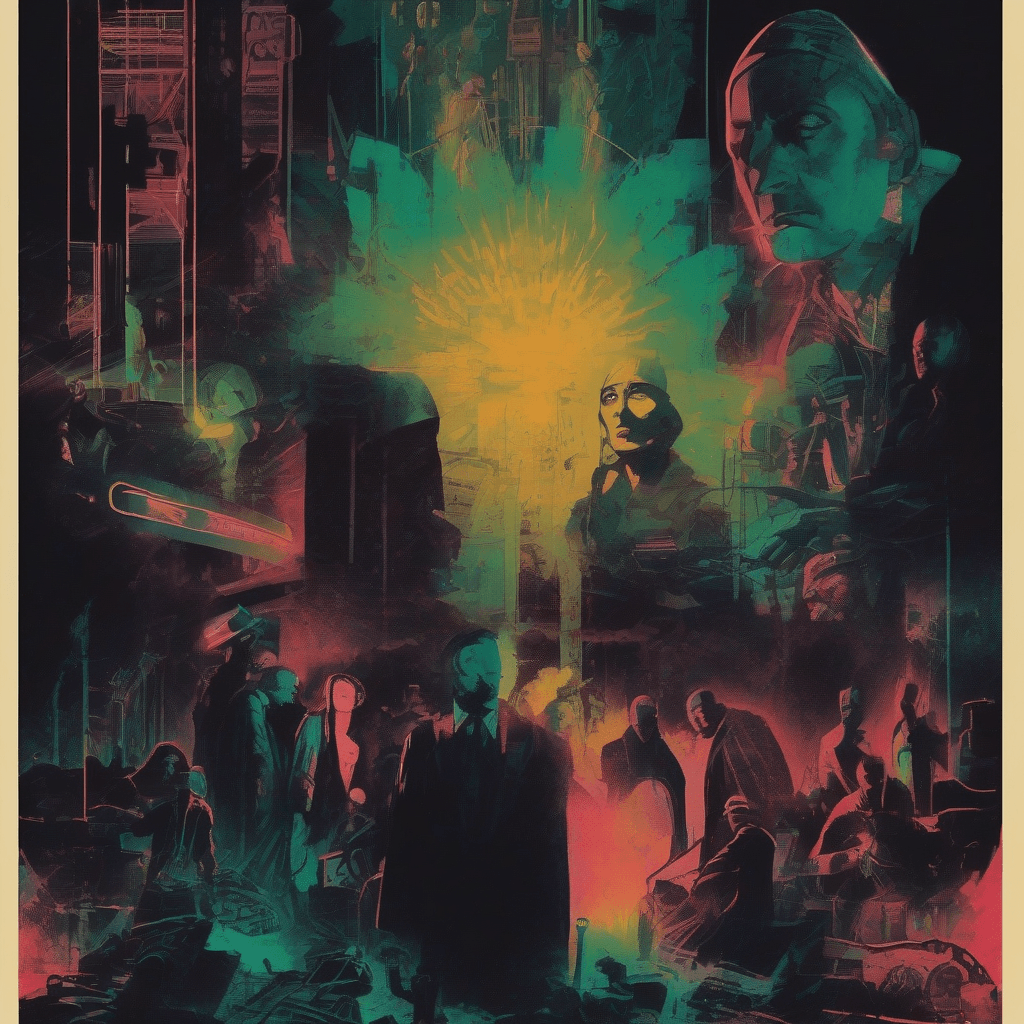
“Dive into the enigmatic world of cult cinema, exploring its rebellious spirit, unconventional narratives, and the passionate communities that elevate these films from obscurity to enduring cultural phenomena.”
In the vast, glittering galaxy of motion pictures, where blockbusters blaze brightest and critical darlings bask in the glow of accolades, there exists a darker, more mysterious corner. This is the realm of cult cinema, a universe populated by films that defy easy categorization, challenge societal norms, and often, initially, languish in obscurity. Yet, these cinematic outcasts don't merely survive; they thrive, fostering an intense, almost spiritual devotion among their audiences. What is it about these peculiar pictures – from the bizarre to the transgressive, the profound to the profoundly silly – that transforms them from overlooked oddities into objects of fervent worship?
Cult cinema is not a genre; it's an aesthetic, a reception, and a community. It’s a space where the unconventional reigns supreme, where narratives bend, visual styles innovate, and thematic boundaries are not just pushed but often gleefully obliterated. These films invite us into worlds that are both alien and strangely familiar, reflecting our hidden desires, anxieties, and the sheer human capacity for the strange. They are the cinematic equivalent of secret societies, whispering forbidden truths and celebrating shared eccentricities.
The Genesis of the Fringe: Early Seeds of Subversion
To truly understand the enduring allure of cult cinema, we must trace its lineage back to the earliest days of filmmaking, long before the term 'cult film' even existed. Even in the nascent era of silent films, a rebellious spirit was stirring, a nascent desire to push beyond the conventional narratives of morality plays and melodramas. Imagine the early 20th century, a time when cinema was still finding its voice, and every flicker on the screen held the potential for novelty and transgression. Films like The Haunted House, with its gothic atmosphere, or the dramatic twists of The Black Sheep of the Family and Tangled Threads, hinted at complex, morally ambiguous themes that would later become hallmarks of cult fare. These weren't necessarily cult films themselves, but they were part of a broader cinematic landscape that experimented with what could be shown, felt, and explored.
The very idea of a film that was ‘different’ or ‘challenging’ began to take root. Think of the intense dramatic conflicts in The Divine Sacrifice or the psychological complexity suggested by The Struggle Everlasting. These early works, often forgotten by mainstream history, were nevertheless paving the way for a cinema that dared to be disquieting, that questioned established norms, and that found beauty in the grotesque or the unsettling. The allure of the forbidden, the mystique of the unknown, and the fascination with human deviance were all present, simmering beneath the surface of early cinematic storytelling.
Even comedies, like The Decorator or Where Are Your Husbands?, with their embrace of chaos and absurdity, contributed to a burgeoning sense that cinema could be a space for outlandish expression, not just rigid storytelling. This foundational period, with its wide-ranging experiments in narrative, character, and spectacle, laid the genetic blueprint for midnight movies and underground sensations to come. The initial rejection or indifference these early anomalies sometimes faced inadvertently fostered the conditions for a passionate, niche appreciation later on.
The Maverick Auteurs and Their Unruly Canons
As cinema matured, so too did the ambition of filmmakers to create something truly unique, even if it meant alienating mainstream audiences or critics. Directors who embraced unconventional narratives, bold visual styles, and challenging themes became the architects of the cult canon. These are the visionaries who, often against the tide of commercial expectation, forged cinematic experiences that resonated deeply with specific, devoted segments of the audience.
Consider the directors who dared to delve into the darker corners of the human psyche or societal anxieties. Their films often explore themes of identity, alienation, and rebellion. Whether it's the unsettling atmosphere of a psychological drama or the raw energy of a transgressive thriller, these films speak to a primal part of us that craves authenticity and an escape from the bland, predictable narratives of commercial cinema. The very act of watching a cult film can feel like a clandestine act, a shared secret among initiates.
The aesthetic of the abnormal is a recurring motif. From surrealist dreamscapes to hyper-stylized realities, cult films often present worlds that are distinctly their own. This visual and narrative distinctiveness is a key factor in their enduring appeal. They don't just tell a story; they create an entire universe, inviting viewers to immerse themselves completely. The early exploration of such unique perspectives, even in films like The Golem and the Dancing Girl or the allegorical Rübezahls Hochzeit, foreshadowed this hunger for distinct cinematic identities.
The Power of the Overlooked
Many cult films gain their status precisely because they were initially overlooked, misunderstood, or even reviled. This initial critical or commercial failure often becomes part of their legend, cementing their outsider status. It's a testament to the idea that true artistic merit isn't always immediately recognized, and that sometimes, a film needs time to find its audience. The journey from obscurity to adoration is a common narrative in cult cinema, mirroring the fate of many early, challenging films that simply didn't fit the mold of their time.
The films that become cult phenomena often possess a certain unpredictability or narrative anarchy. They refuse to conform to established genre rules, blending elements in unexpected ways, or simply telling stories that are too strange for the mainstream. This defiance of convention is precisely what attracts a dedicated following – viewers who are tired of formulaic narratives and crave something genuinely fresh and daring. The spirit of early, experimental narratives, such as the intricate plot of The Face in the Dark or the adventurous serials like Lightning Bryce, laid the groundwork for audiences to appreciate stories that took them off the beaten path.
Beyond the Screen: The Community and Rituals of Cult Fandom
Perhaps the most defining characteristic of cult cinema is the passionate community it fosters. These aren't just films; they are shared experiences, often accompanied by rituals. Midnight screenings, dress-up parties, quote-alongs, and fan conventions transform passive viewing into an active, communal celebration. This collective devotion creates a powerful bond among fans, who find a sense of belonging in their shared love for these unconventional works.
This sense of community is crucial. In a world that often feels isolating, cult films provide a sanctuary for the unconventional, a place where shared obsessions are celebrated rather than marginalized. Fans often identify deeply with the themes and characters of these films, finding reflections of their own outsider status or hidden desires. The films become more than just entertainment; they become markers of identity, touchstones for personal and collective expression.
The participatory nature of cult fandom is another key element. Fans don't just watch; they engage. They analyze, theorize, create fan art, write fan fiction, and actively spread the gospel of their beloved films. This active engagement ensures the film's longevity, keeping its spirit alive and introducing new generations to its unique charms. The early days of cinema, when films were often accompanied by live music or audience interaction, might even be seen as a precursor to this participatory culture, albeit in a different form.
Themes of Transgression and Identity
Many cult films delve into themes that challenge societal taboos or explore complex questions of identity. They often feature anti-heroes, rebels, and misfits, characters who defy easy moral categorization and resonate with audiences who feel similarly outside the mainstream. The struggles of characters in films like My Wife, dealing with societal expectations, or the dramatic choices in The Siren's Song, touch upon universal human experiences, albeit through a highly specific and often exaggerated lens.
The exploration of deviance, moral ambiguity, and the grotesque is common. Cult films often force viewers to confront uncomfortable truths or to question their own perceptions of what is right and wrong, beautiful and ugly. This willingness to push boundaries, to provoke and disturb, is a powerful draw for audiences seeking more than just escapism. It's a form of cinematic catharsis, allowing viewers to explore the darker facets of existence from a safe distance.
The Enduring Resonance: Why These Films Continue to Captivate
The staying power of cult cinema lies in its timeless relevance and its ability to continually reinvent itself. A film that was once dismissed as niche or strange can, decades later, find new meaning and resonance with a different generation. Social and cultural shifts can elevate a forgotten work to iconic status, as its themes or aesthetics suddenly align with contemporary sensibilities. This cyclical nature of rediscovery is a testament to the deep, often prophetic, insights embedded within these unconventional narratives.
Moreover, cult films often possess a unique artistic integrity. Unburdened by the need to appeal to the broadest possible audience, their creators are often free to pursue their singular visions without compromise. This artistic freedom results in films that are bold, idiosyncratic, and often deeply personal, creating a powerful connection with viewers who appreciate authenticity over commercial polish. The raw, unfiltered storytelling sometimes seen in early films, such as the dramatic intensity of The Chimes or the character studies in Johan, hints at this unbridled artistic spirit.
The narrative complexity and symbolic richness of many cult films also contribute to their longevity. These are films that reward multiple viewings, revealing new layers of meaning with each watch. Fans delight in dissecting their intricate plots, deciphering their hidden metaphors, and debating their ambiguous endings. This intellectual engagement deepens the connection between film and audience, transforming a casual viewing into an ongoing exploration. Even seemingly simple early works like The Figurehead or The Charming Deceiver relied on narrative nuances that invited deeper thought.
A Mirror to Society's Margins
Cult cinema often serves as a mirror to the anxieties and desires of society's margins. It gives voice to the voiceless, portrays the lives of the overlooked, and explores perspectives that are often excluded from mainstream discourse. This makes them particularly potent for audiences who feel alienated or misunderstood, offering them a sense of validation and representation that they might not find elsewhere. The social critiques embedded in films like The Yellow Passport, which exposed harsh realities, or the moral dilemmas in Marse Covington, provided early glimpses into this function of cinema.
Whether it’s the dark humor of a satirical masterpiece, the unsettling beauty of a horror classic, or the sheer spectacle of a psychedelic journey, cult films transcend mere entertainment. They become cultural artifacts, sociological case studies, and personal touchstones. They challenge, provoke, inspire, and unite, forging indelible bonds between films and their fervent admirers.
In conclusion, the enduring power of cult cinema lies in its unwavering commitment to the unconventional. It’s a celebration of the unique, the bizarre, and the defiantly individual. From the earliest whispers of rebellion in silent era dramas to the vibrant, participatory rituals of modern fandom, cult films continue to captivate because they offer something more profound than fleeting entertainment: a sense of belonging, a challenge to perception, and a timeless testament to the boundless possibilities of cinematic art. They are the unholy congregation, and their sermons resonate across generations, inviting us all to step off the beaten path and into the exhilarating unknown.
Community
Comments
Log in to comment.
Loading comments…