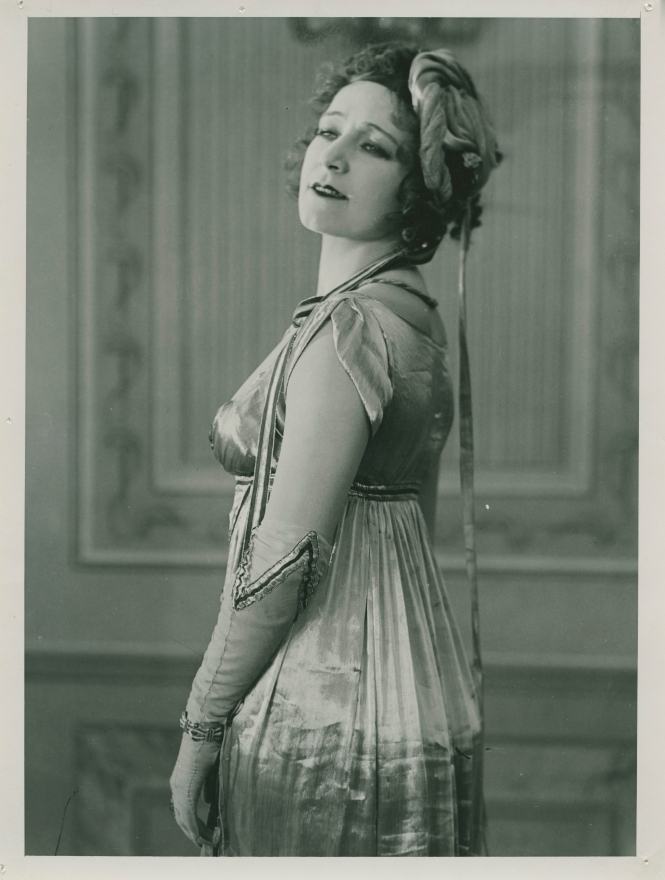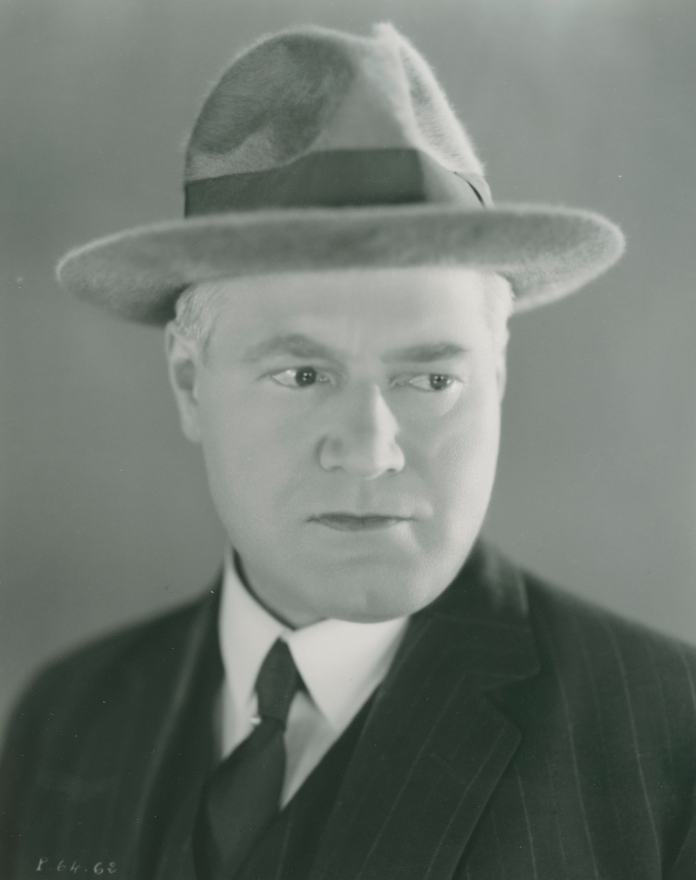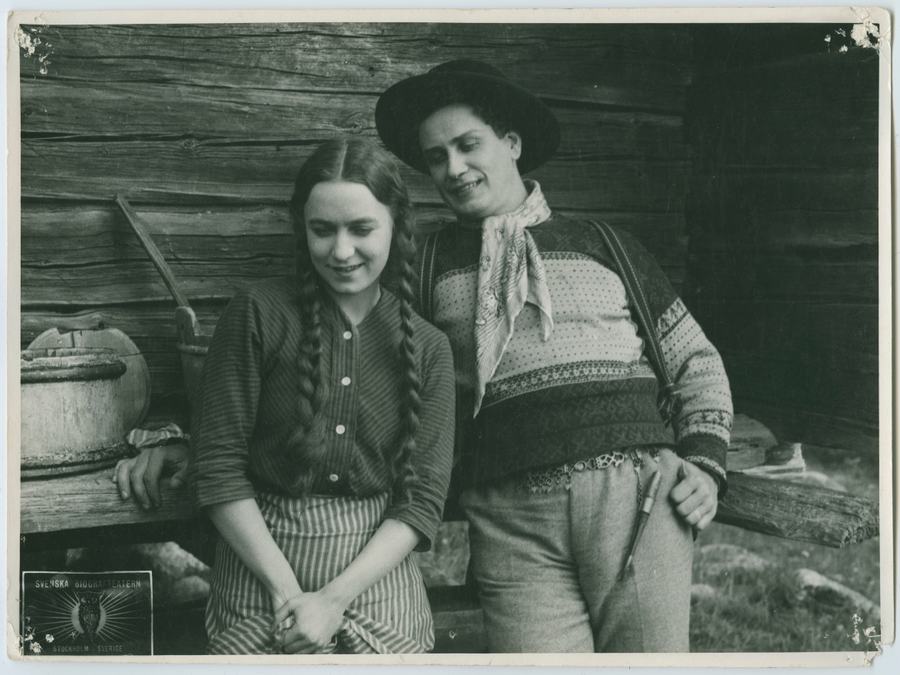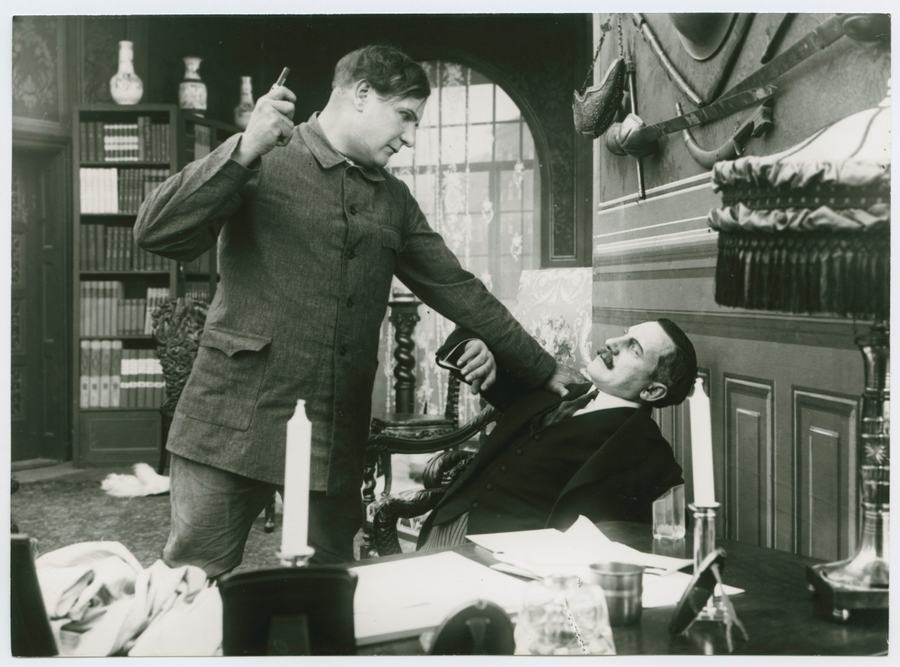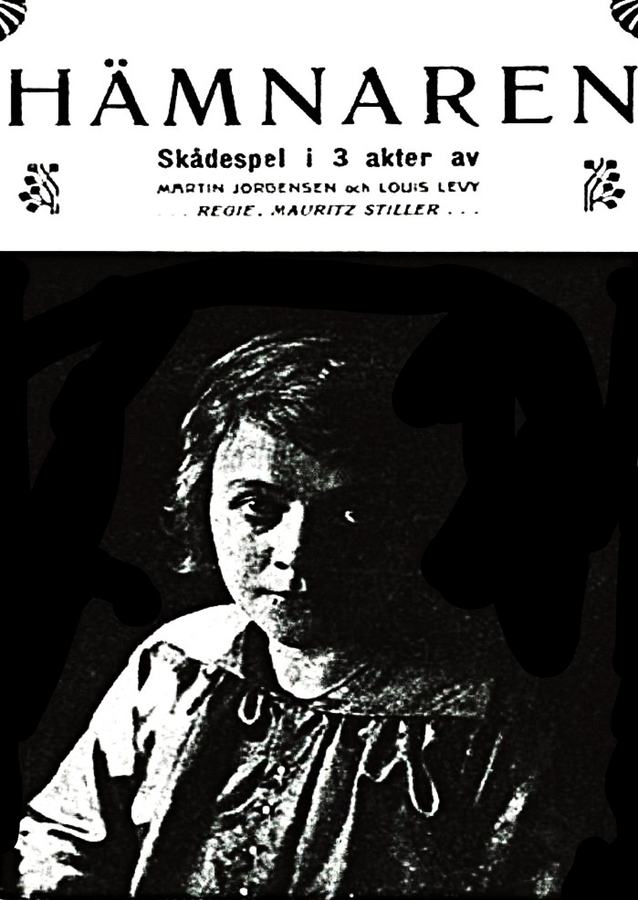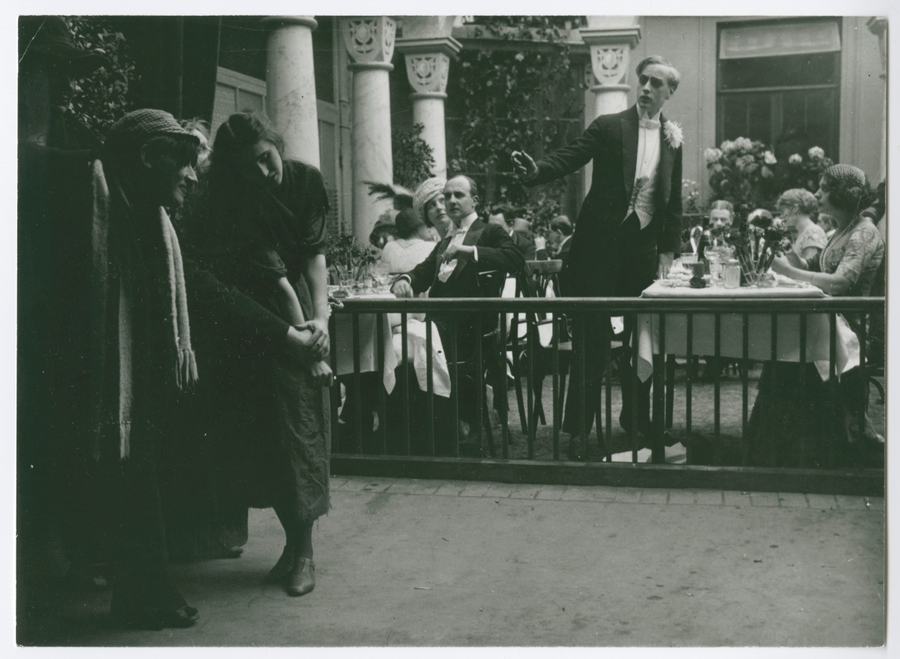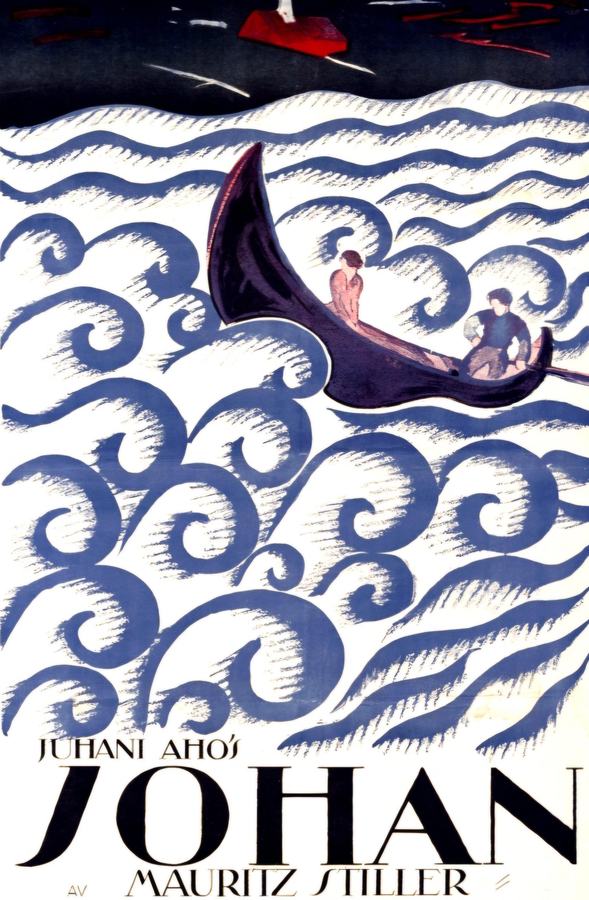
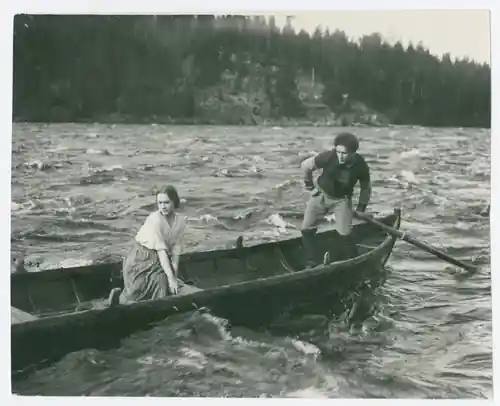
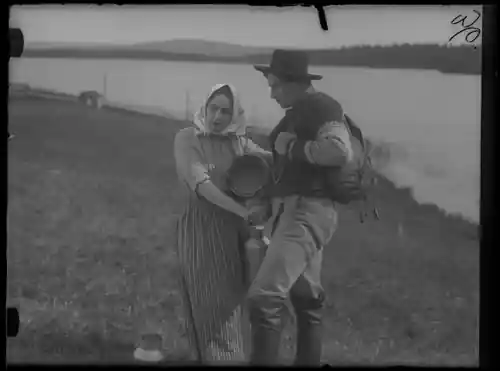
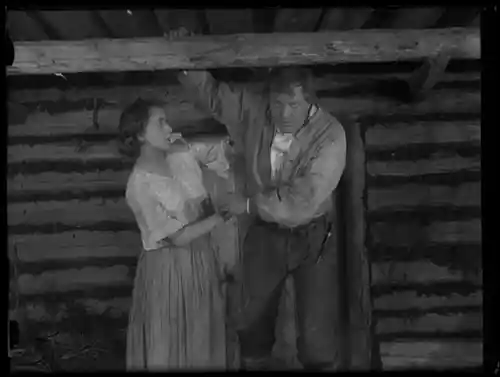
On a farm in up-country Sweden, an enigmatic stranger comes to a conservative peasant community and seduces a farmer's wife..
Snow-smothered fields become a moral chessboard in Mauritz Stiller’s smoldering pastoral parable, where every rut in the thawing earth looks like a wound longing to be reopened. Johan arrives without fanfare—no title card trumpets his provenance—yet the camera lavishes on him the kind of heroic dolly usually reserved...
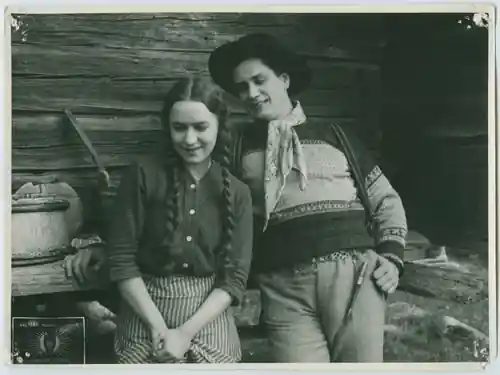
still_frame

still_frame
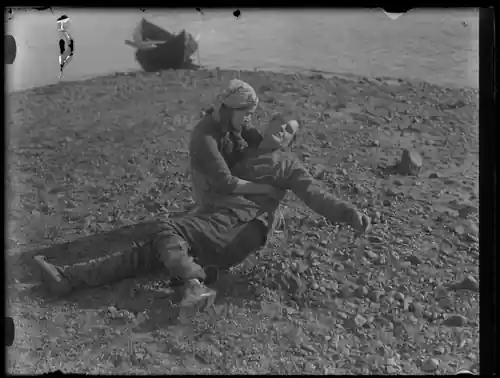
still_frame
still_frame
still_frame
still_frame

still_frame

still_frame
Comparing the cinematic DNA and archive impact of two defining moments in cult history.
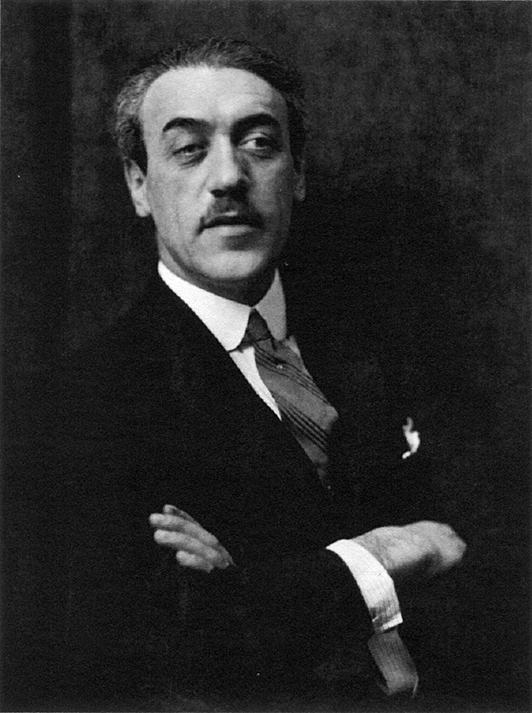
Mauritz Stiller
Mauritz Stiller
Community
Log in to comment.
" Snow-smothered fields become a moral chessboard in Mauritz Stiller’s smoldering pastoral parable, where every rut in the thawing earth looks like a wound longing to be reopened. Johan arrives without fanfare—no title card trumpets his provenance—yet the camera lavishes on him the kind of heroic dolly usually reserved for Viking funerals. Mathias Taube’s physiognomy is carved from birch and bronze: cheekbones that could slice communion bread, eyes holding a perpetual sunset. Stiller counterpose..."
Arthur Nordén, Juhani Aho, Mauritz Stiller
Sweden