
Cult Cinema Deep Dive
The Ghostly Vanguard: Unearthing the Silent Era’s Taboo Reels and the Birth of Cinematic Devotion
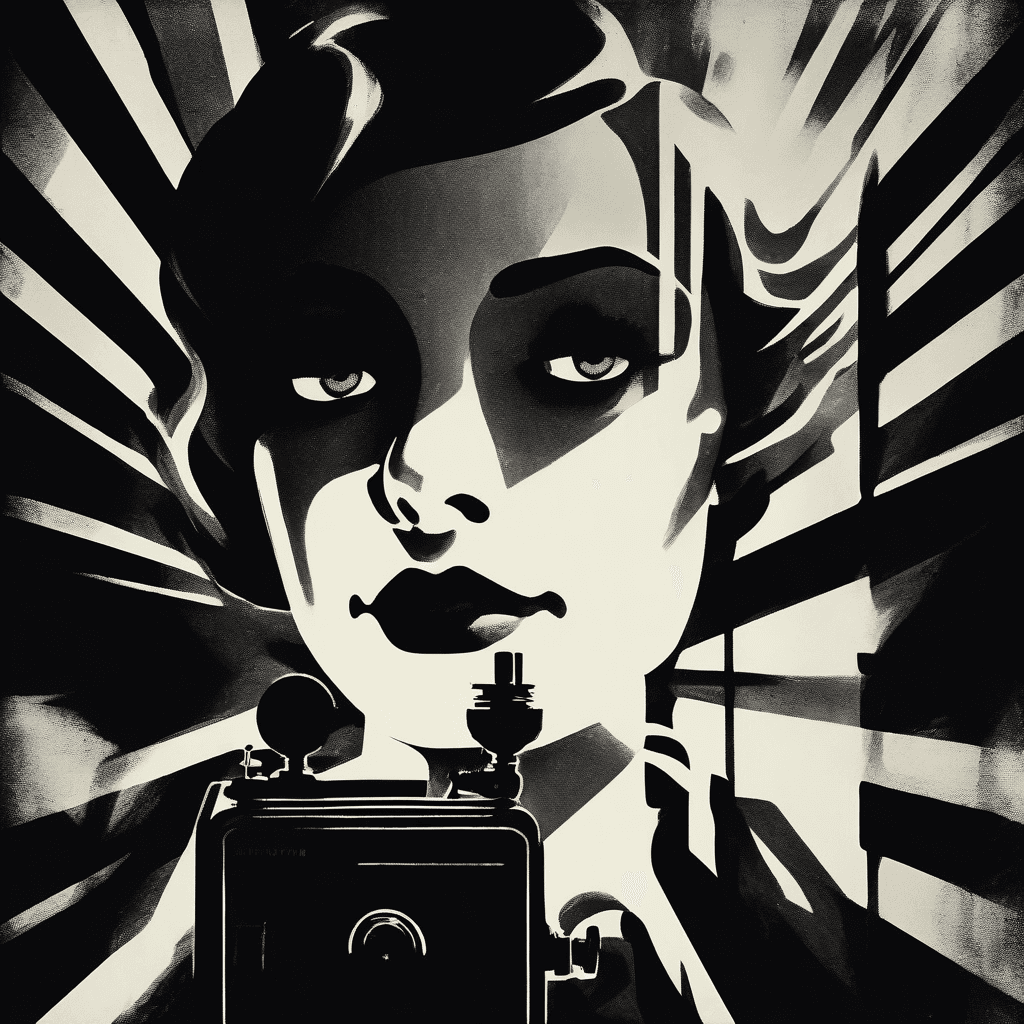
“Explore the hidden foundations of cult cinema within the silent era, where taboo narratives and visual experimentation first ignited the sparks of obsessive fandom.”
The history of cult cinema is often mistakenly thought to begin with the midnight movie craze of the 1970s. However, the true DNA of the transgressive, the weird, and the obsessively adored was spliced decades earlier in the flickering shadows of the silent era. Long before the term "cult classic" existed, there was a Ghostly Vanguard of films that challenged the status quo, explored the fringes of human morality, and experimented with visual languages that would define the genre-bending masterpieces of the future.
To understand why we gather in darkened theaters to worship the unconventional, we must look back to the early 20th century. This was a time when the medium of film was a wild frontier, unburdened by the rigid conventions of modern blockbusters. It was an era where a film like The Cabinet of Dr. Caligari could shatter reality with its jagged, expressionistic sets, or where a gritty drama like Cocaine could tackle drug addiction with a frankness that would later be sanitized by the Hays Code. These films were the original outliers, the misfit reels that paved the way for every cult obsession that followed.
The Architecture of Dread: Caligari and the Expressionist Soul
Perhaps no film in the silent era embodies the cult movie ethos more than The Cabinet of Dr. Caligari. Its story of a hypnotist using a somnambulist to commit murders is a masterclass in psychological horror, but its true legacy lies in its aesthetics. The distorted perspectives and painted shadows weren't just artistic choices; they were a subversion of the camera's ability to document truth. This visual anarchy is the bedrock of cult cinema—the idea that the world on screen should reflect the internal madness of the characters rather than the external reality of the viewer.
In the same vein of atmospheric unease, we find Die Gespensterstunde (The Ghostly Hour). This German production, dealing with noble families, lost heirs, and the spectral weight of inheritance, utilized the gothic tradition to create a sense of lingering dread. It is this specific brand of cinematic haunting that would later inspire the works of Mario Bava and Guillermo del Toro. By leaning into the supernatural and the uncanny, these early films invited a specialized audience—one that sought out the shadows rather than the spotlight.
Taboo and the Transgressive: The Forbidden Roots of Niche Worship
Cult cinema has always thrived on the forbidden. The silent era was rife with films that explored the dark underbelly of society, often under the guise of moral warnings. Consider the 1922 film Cocaine. While ostensibly a crime drama about a drug kingpin, its very title and subject matter were designed to provoke. It tapped into a primal curiosity about the "other," the illicit, and the dangerous. This is the same impulse that drives modern audiences to seek out transgressive cinema—a desire to see the unseeable and discuss the undiscussable.
Similarly, Trapped by the London Sharks offered a glimpse into the world of cardsharpers and high-stakes deception. By making a drunkard believe he had killed his wife to coerce him into a bank raid, the film explored themes of psychological manipulation and moral decay. These narratives weren't just entertainment; they were subversive experiments in empathy for the damned. In the world of cult film, the villain is often as fascinating as the hero, and the "sharks" of early cinema provided the template for the charismatic outlaws of the 1970s and 80s.
The Misfit Archetype: Forging the Soul of Fandom
At the heart of every cult film is a character who doesn't quite fit. The silent era perfected the misfit archetype. In The Girl Without a Soul, we see the duality of the human spirit through two sisters: the demure musician and the wild free spirit. This tension between societal expectation and primal desire is a recurring theme in cult narratives. The "wild spirit" who is the object of a carpenter's affection represents the untamed energy that cult audiences often identify with—the rebel who refuses to be domesticated.
We see a different kind of outlier in The Lamb. Gerald, the frail son of a wealthy family, is initially seen as weak compared to a "strapping young cowboy." His journey to prove his worth is the quintessential underdog story, a narrative that resonates deeply with niche fandoms. Cult cinema often champions the "weak" or the "weird," transforming their perceived flaws into strengths. Whether it's the crippled Johnnie in The Village Blacksmith or the abandoned Molly in The Foundling, these characters represent the resilience of the human spirit in the face of systemic cruelty.
Identity, Performance, and the Art of the Masquerade
Many cult classics revolve around the idea of performance and shifting identities. The Delicious Little Devil features a poor hat-check girl who must pose as a sophisticated dancer to survive. This play with class and identity is a precursor to the camp sensibility found in later cult hits. It suggests that identity is fluid, a costume we put on to navigate a judgmental world. Little Meena’s Romance takes this further, placing an Amish girl in the high-society whirl of New York, where she is mistaken for a servant by a German count. These stories of mistaken identity and social camouflage highlight the performative nature of existence—a concept that would become a staple of the midnight movie circuit.
Even in the realm of the bizarre, we find films like A Fitting Gift, an animated short where a man is too embarrassed to buy a corset for his wife. This intersection of the mundane and the absurd is where the "cult of the weird" finds its humor. It’s the celebration of the awkward, the embarrassing, and the humanly frail. When we watch a film like The Soft Boiled Yegg or Stars and Stripes, we are seeing the early iterations of the slapstick anarchy that would eventually evolve into the surrealist comedy of the 1960s underground.
The Mystical and the Macabre: Early Cinema’s Spiritual Fringe
Cult cinema often flirts with the divine and the demonic. The Passing of the Third Floor Back introduces "The Stranger," a gentle man who transforms the lives of those in a boarding house. This messianic figure is a common trope in cult films—the outsider who arrives to disrupt the status quo and offer a new way of seeing. It is a narrative of communal catharsis, mirroring the way cult audiences find community through shared viewing experiences.
On the darker side of the spectrum, The Ring of the Borgias weaves a web of intrigue, poison, and greed. It utilizes the historical infamy of the Borgias to create a pulp-noir atmosphere that feels remarkably modern. The film’s focus on adventurers and bankers in a café, plotting their next move, prefigures the cynical, smoke-filled rooms of the noir era. This fascination with the macabre and the historically transgressive is a key component of the cult aesthetic. We don't just want to watch a story; we want to be initiated into a secret history.
The Legacy of the Forgotten: Why the Silent Era Still Matters
Many of the films from this era, such as Berlin W., Real Folks, or The Man of Bronze, may have faded from the mainstream memory, but their influence is felt in every frame of modern independent and cult cinema. They were the first to experiment with the "roadhouse" setting in The Delicious Little Devil, the first to use the "lonely, snowbound cabin" as a pressure cooker for human emotion in The Drifters, and the first to turn a simple shoe store into a chaotic "emporium of footwear" in Cupid’s Day Off.
These films were created during a time of immense social change. From the trial of a Red Army commander in Protsess Mironova to the struggles of a maid in Gornichnaya Dzhenni, the silent era captured the anxieties of a world in flux. Cult cinema has always been the repository for these anxieties, the place where we go to see the "unfiltered" version of our collective psyche. When we watch The Woman in the Case, where a wife pretends to be a "vamp" to find a killer, we are seeing the birth of the femme fatale—a character who would become a goddess in the pantheon of the unusual.
Conclusion: The Eternal Flicker of the Fringe
The Ghostly Vanguard of the silent era reminds us that cinema was born in the shadows. Before there were blockbusters, there were experiments. Before there were franchises, there were anomalies. Whether it is the "gypsy-like elf" of Meg o' the Mountains or the "secret guardian of a hotel" in Passing the Buck, these early characters and stories provided the genetic material for the cult movie phenomenon. They taught us to look beyond the marquee, to seek out the strange, and to find beauty in the broken and the overlooked.
As we continue to explore the vast archive of film history, let us not forget the rebels of the 1910s and 20s. They were the original midnight movie makers, operating in a world without sound but full of fury and vision. Their legacy is not just a list of titles; it is a spirit of uncompromising creativity that continues to inspire the outcasts, the dreamers, and the devotees of the silver screen today. The next time you find yourself at a late-night screening of a bizarre masterpiece, remember that the ghost of The Cabinet of Dr. Caligari is right there in the projector with you, whispering the secrets of the fringe.
Community
Comments
Log in to comment.
Loading comments…