
Cult Cinema
The Unholy Grail: Unearthing Cult Cinema's Enduring Mystique and Its Fringe Origins

“Cult cinema transcends mere entertainment, offering viewers a pilgrimage into the unconventional, where forgotten narratives and transgressive visions forge an enduring bond between film and devotee. This exploration delves into the unique alchemy that transforms cinematic outliers into beloved icon…”
In the vast, glittering cosmos of cinematic history, certain stars burn brighter not by their initial luminescence, but by the fervent, almost spiritual devotion they inspire in a dedicated few. These are the cult films, the unholy grails sought out by cinephiles weary of the mainstream, offering a sanctuary for the strange, the subversive, and the profoundly personal. What is it about these cinematic anomalies – often misunderstood, critically derided, or commercially overlooked upon release – that grants them an enduring, almost mythical status? It's a question that delves into the very heart of film's power: its ability to connect, challenge, and transform.

The Allure of the Anomalous: Why We Seek the Fringe
Cult cinema, at its core, is a celebration of the outlier. It's the cinematic equivalent of a secret handshake, a shared understanding among those who see beyond the surface, who appreciate the raw, unpolished, or even unsettling beauty that mainstream sensibilities often dismiss. These films are not merely watched; they are experienced, debated, re-enacted, and ritualized. From the interactive screenings of The Rocky Horror Picture Show to the fervent online communities dissecting every frame of a Lynchian enigma, cult status is forged in the crucible of collective passion.
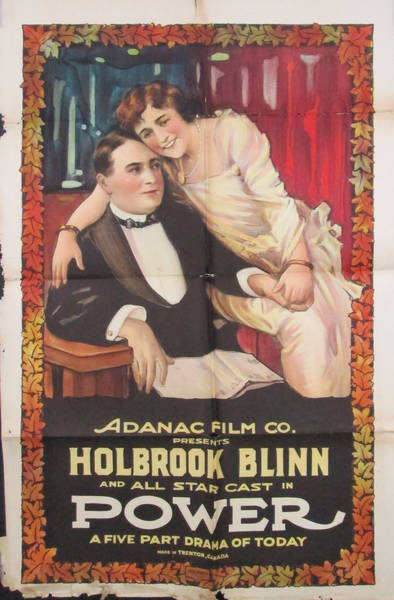
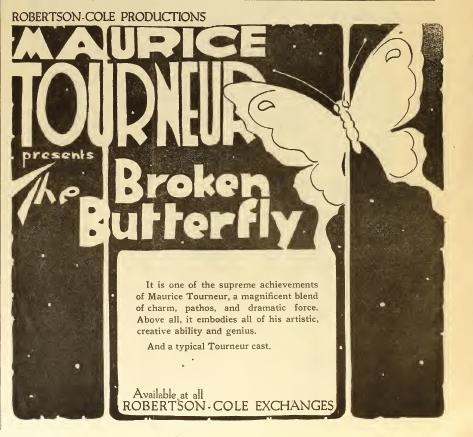
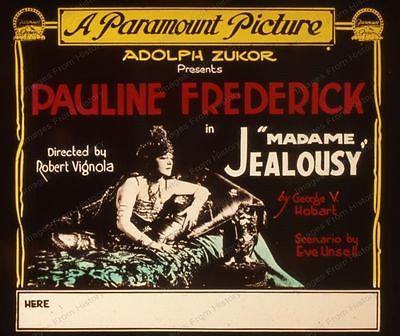
The appeal often lies in their unapologetic defiance of convention. They challenge our expectations of narrative structure, character morality, and genre boundaries. Consider the intricate melodramas of early cinema, where films like The Broken Butterfly or Madame Jealousy explored heightened emotions and complex human frailties with a dramatic intensity that, in retrospect, feels almost theatrical. While not cult films themselves, their fearless embrace of dramatic excess and emotional depth foreshadowed a key characteristic of later cult favorites: an unflinching gaze into the human condition's more extreme facets.

Echoes from the Past: Early Cinema's Unconventional Seeds
While the term 'cult film' largely coalesced in the latter half of the 20th century, the seeds of this phenomenon were sown far earlier, in the nascent days of cinema itself. The medium, still finding its voice, was a wild frontier, ripe for experimentation and narrative daring. Many early films, often produced independently or outside the burgeoning studio system, possessed an inherent strangeness, a willingness to tackle taboo subjects, or a raw aesthetic that would later define the cult canon.
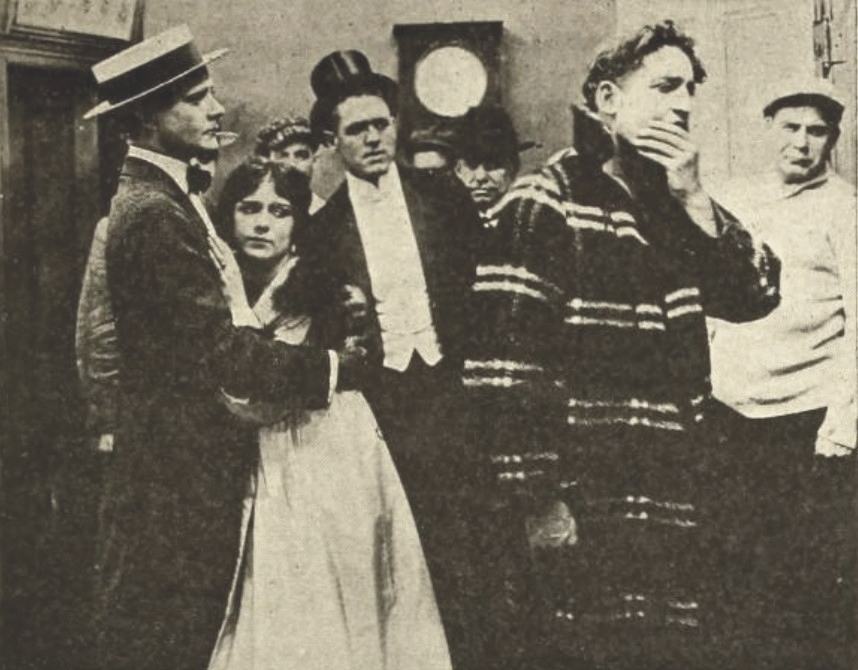
Take, for instance, films that delved into moral ambiguity or outright transgression. Satana likuyushchiy (Satan is Rejoicing), with its exploration of temptation and spiritual fall, or The Despoiler, set in war-torn Europe and dealing with ill-gotten gains, presented narratives far removed from simplistic moralizing. These narratives, though perhaps intended for broader audiences at the time, contained a subversive undercurrent that resonates with the transgressive spirit of later cult cinema. They dared to explore the darker corners of human nature when cinema was still largely perceived as a wholesome novelty.
The very obscurity of many early cinematic endeavors, like The Eternal City, a lost film touching on political corruption and hidden family secrets, or The Panther Woman, with its exoticized drama, mirrors the initial fate of many future cult classics. They were often hidden gems awaiting rediscovery, their unique qualities perhaps too advanced or too niche for contemporary tastes. This journey from obscurity to revered status is a hallmark of the cult film experience.
Genre Defiance and Narrative Innovation
Early filmmakers, unburdened by established genre conventions, often blended elements freely, creating cinematic hybrids that defy easy categorization. A film like A Western Adventurer, combining comedy with the rugged frontier setting, hints at an early willingness to play with audience expectations. This genre fluidity is a cornerstone of cult cinema, where boundaries are not just crossed but obliterated, giving rise to unique and often bizarre narrative landscapes.

Furthermore, the experimental nature of early animation, such as La maison du Fantoche (The House of Fantoche) or Jack the Giant Killer, showcases a boundless creativity in visual storytelling. These shorts, with their whimsical or fantastical elements, demonstrate a willingness to push the boundaries of reality and narrative, a trait that would later blossom into the surrealism and avant-garde aesthetics cherished by cult followings. The raw, often unpolished visual language of films like In the Land of the Head Hunters, an ethnographic dramatization, represents a unique artistic vision that prioritizes immersive experience over conventional polish, a quality that many cult films share.
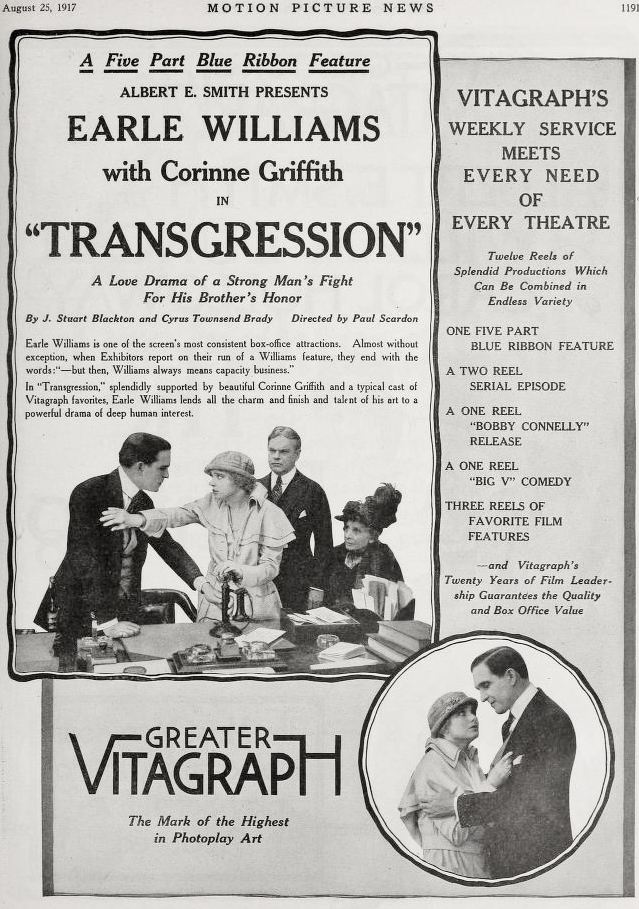
Emotional Intensity and Social Undercurrents
The melodramatic intensity of films like The Inner Struggle, exploring complex personal dilemmas, or Slander, depicting the devastating impact of falsehoods, tapped into deep emotional wells. This focus on heightened emotional stakes, often presented with a certain theatricality, laid groundwork for the kind of operatic drama that cult audiences often revel in. These films, though from a different era, speak to a timeless human fascination with grand passions, moral failings, and the consequences of societal pressures.
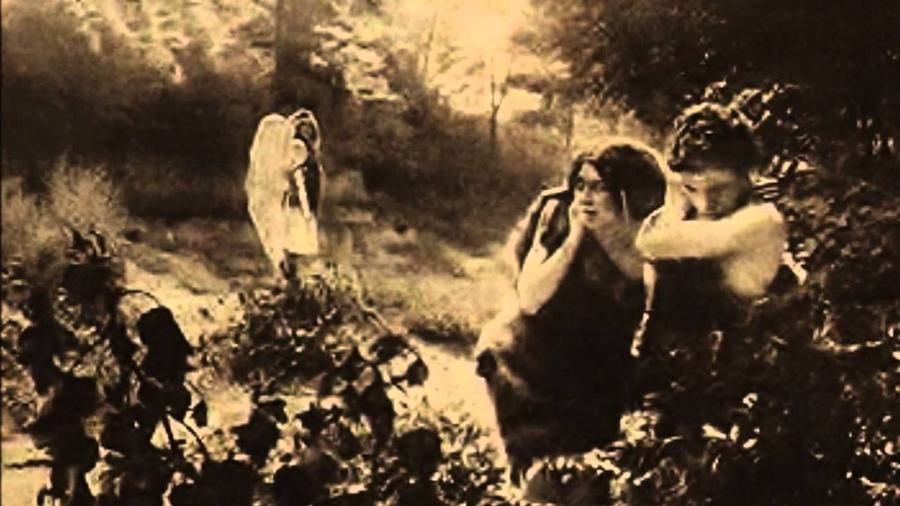
Beyond personal drama, early cinema also flirted with social commentary and rebellion. Stories such as Whom the Gods Destroy, set during the Irish Easter Rebellion, or even the underlying tension in 0-18 or A Message from the Sky, where a typist exposes spies, demonstrate cinema's early capacity to engage with political unrest and societal critique. This spirit of defiance and critique is a vital component of cult cinema, which often finds its audience among those who question authority and conventional narratives.
The Crucible of Controversy and Misunderstanding
A common thread woven through the fabric of cult cinema is its initial reception. Many cult classics were not born into critical acclaim or box office success. Instead, they often faced puzzlement, disdain, or outright condemnation from contemporary critics and audiences. Films like Blade Runner or Fight Club, now revered, were initially divisive. This early misunderstanding is crucial; it allows a film to escape the fleeting gaze of the mainstream and find its niche, where its true value can be appreciated by a discerning few.
This journey from initial rejection to ultimate adoration fosters a unique relationship between the film and its fans. The shared experience of 'getting' a film that others didn't creates a sense of belonging, a communal validation of unconventional taste. It’s a testament to the idea that art, like a fine wine, sometimes needs time to breathe and be understood, or perhaps, simply to find the right palate.
The Power of Participation and Community
What truly solidifies a film's cult status is the community it builds. Cult cinema is rarely a solitary experience. It thrives in the dark corners of midnight screenings, in fervent online forums, and at conventions where costumes are donned and lines are recited in unison. This participatory culture transforms passive viewing into an active, almost ritualistic engagement. Fans don't just watch; they interpret, theorize, create fan art, write fan fiction, and introduce new converts to their beloved cinematic gospel.
This communal aspect is particularly potent for films that offer ambiguous endings or complex mythologies. The open-ended nature invites endless discussion and interpretation, turning the film into a canvas for collective imagination. It’s a shared secret, a club whose membership is defined by a mutual adoration for the cinematic oddity, fostering bonds that extend far beyond the flickering screen.
The Timeless Resonance: Identity, Critique, and the Grotesque
The enduring appeal of cult cinema often stems from its ability to tap into universal themes through unconventional lenses. Films exploring identity, societal critique, the grotesque, or the beautiful outsider resonate across generations because these are timeless human concerns. Whether it's the struggle for acceptance, the fight against systemic injustice, or the fascination with the macabre, cult films offer a space to confront these ideas without the sanitization often found in mainstream fare.
From the psychological dramas of the early 20th century, which explored marital strife in Watch Your Husbands or the complexities of a love triangle in The Rainbow, to the more overt social commentary of later eras, cinema has always held a mirror to society. Cult films, however, often reflect back a distorted or intensified image, forcing us to confront uncomfortable truths or to revel in the absurdity of existence. They become cultural touchstones for those who feel marginalized by the dominant narrative, offering solace and validation in their shared appreciation for the unorthodox.
Conclusion: The Enduring Legacy of the Unconventional
The journey of cult cinema, from the obscure, often melodramatic narratives of early film to the sprawling, interconnected fandoms of today, is a testament to the power of unconventional storytelling. It's a reminder that true cinematic impact isn't always measured in box office receipts or critical accolades, but in the hearts and minds of those who discover and cherish its unique vision. Like a secret garden, cult cinema offers a verdant escape from the manicured lawns of mainstream entertainment, inviting us to wander off the beaten path and discover something profoundly, wonderfully weird.
These films, born from a spirit of rebellion, experimentation, and often, pure accident, form a vital, vibrant counter-narrative to the prevailing cinematic trends. They are the unholy grails of film history, forever calling out to those who seek a deeper, more personal connection with the magic of the moving image. And in their enduring mystique, they remind us that the greatest art often flourishes in the fringes, where creativity is unbound and true devotion finds its most passionate expression.
Community
Comments
Log in to comment.
Loading comments…