
Cult Cinema
The Unseen Ritual: How Cult Cinema Builds Maverick Communities and Enduring Obsessions

“Cult cinema transcends mere entertainment, fostering unique communities around films that defy convention and resonate deeply with niche audiences. This article explores the enduring power of these cinematic outliers and the passionate fandoms they inspire, tracing their roots from early cinematic e…”
In the vast, ever-expanding universe of cinema, there exists a peculiar constellation of films that defy mainstream gravity, orbiting instead in their own eccentric paths. These are the cult films, not merely movies, but cinematic sanctuaries, underground cathedrals where the unconventional is celebrated, and the marginalized find their voice. What transforms a forgotten B-movie, a critical flop, or an artistic enigma into a revered cult classic? It's a complex alchemy of time, audience, and an undefinable spark that ignites a fierce, unwavering devotion. This phenomenon, which we now recognize as cult cinema, has roots stretching back to the earliest days of filmmaking, where audacious storytellers and visual pioneers laid the groundwork for narratives that would challenge, provoke, and ultimately, endure.
Cult cinema is far more than a collection of 'bad' movies enjoyed ironically. It represents a rebellion against the conventional, a search for meaning outside the prescribed narratives of Hollywood. These films often explore themes of identity, societal alienation, transgression, and the bizarre, creating a mirror for those who feel themselves to be outsiders. From the early 20th century, even before the term 'cult film' existed, there were cinematic works that, for various reasons, spoke to a specific, passionate segment of the audience, laying the foundational stones of a counter-cultural cinematic movement.

The Genesis of the Obscure: How Films Find Their Tribe
The journey of a film from obscurity to cult status is rarely linear. Many cult films were initially critical or commercial failures, dismissed by critics and ignored by mass audiences. Yet, in their perceived flaws or unconventional approaches, certain films harbored an unforeseen magnetism. Consider the early dramas that delved into complex moral ambiguities, where characters navigated societal pressures and personal failings. Films that explored the dark underbelly of urban life, or the dramatic consequences of ambition and deceit, might initially have been too challenging or grim for mainstream tastes.
These early narratives, often stark and unflinching, captured a raw realism or a melodramatic intensity that resonated deeply with those seeking something beyond escapism. Similarly, early Westerns, while popular, sometimes featured unconventional heroes or anti-heroes, exploring themes of justice and lawlessness with a nuanced perspective that deviated from simpler good-vs-evil tropes. The very act of portraying a 'bad' man with a 'golden heart' or a protagonist grappling with profound personal dilemmas, even in the nascent stages of cinema, set these films apart.
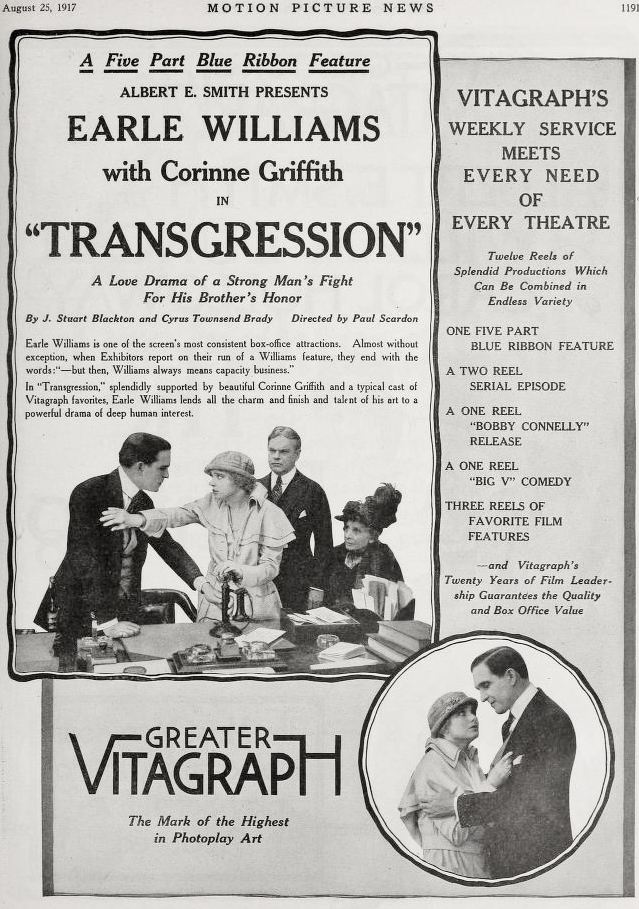
The element of re-discovery is crucial to the cult phenomenon. Decades after their initial release, these cinematic works are often unearthed by new generations, their relevance magnified by changing cultural contexts. A film once deemed too shocking or too strange might find its moment decades later, its subversive messages resonating with contemporary audiences. This process highlights that cult status isn't merely about a film's inherent quality, but its capacity to forge a unique, enduring connection with an audience that actively seeks it out.
The Allure of Transgression and Taboo: Challenging the Status Quo
At the heart of many cult films lies a willingness to transgress societal norms and cinematic conventions. Before the strictures of censorship fully took hold, early cinema occasionally ventured into themes that were considered daring, if not outright scandalous. Melodramas exploring illicit affairs, moral downfall, or the complexities of 'double lives' offered audiences a glimpse into forbidden worlds. These were not always subtle explorations; sometimes they were sensational, designed to shock and titillate, but in doing so, they provided a cathartic release or a reflection of unspoken societal anxieties.

Films that dared to portray corruption within power structures, or the grim realities of war and its aftermath, often found themselves on the fringes of acceptable entertainment. These narratives, whether overtly propagandistic or subtly critical, forced viewers to confront uncomfortable truths. The act of watching such a film, particularly in an era where public morality was rigidly enforced, became a small act of rebellion. It fostered a sense of shared experience among those who appreciated the film's audacity, creating the nascent communities that would define cult fandom.
Even comedies, in their early forms, could push boundaries, using absurdist premises or farcical situations to comment on social etiquette, marital discord, or the eccentricities of human behavior. A film about a man needing to commit murder before marriage, or the embarrassing predicaments of a flirtatious spouse, might have been seen as irreverent or even immoral by some, yet provided delightful subversion for others. This willingness to challenge, to poke fun at the sacred, or to delve into the profane, is a hallmark of the cult film, inviting audiences to question and reconsider the world around them.

Narrative Anarchy and Genre Defiance
Cult films frequently disregard traditional narrative structures, embracing anarchy in storytelling. They might weave together disparate elements, jump between genres, or simply tell a story in a way that feels deliberately disjointed. Early mystery thrillers, for instance, might have introduced supernatural elements or psychological twists that defied easy explanation, leaving audiences bewildered yet captivated. This narrative freedom often alienated mainstream viewers accustomed to predictable plots, but it captivated those who craved intellectual stimulation or a purely visceral experience.
The concept of genre-bending is also central. Films that mix drama with action, or comedy with dark social commentary, refuse to be neatly categorized. Imagine early adventure stories that intertwined with themes of moral decay, or crime dramas that blurred the lines between law enforcement and criminality. These hybrid narratives created a unique taste, an acquired palate for cinematic experiences that were neither wholly one thing nor another, existing in a liminal space that only certain audiences could truly appreciate and champion.

Aesthetic Innovation and Unconventional Visions
Beyond their narratives, cult films often stand out due to their distinctive visual styles and experimental approaches. From the earliest days of cinema, some filmmakers pushed the boundaries of what was technically or artistically possible, creating images that were haunting, beautiful, or deliberately unsettling. Silent adaptations of fairy tales, for example, could be imbued with a dreamlike quality or a subtle creepiness that transcended simple children's stories, imbuing them with a deeper, more adult resonance.
The use of expressionistic lighting, unconventional camera angles, or avant-garde set design could transform a simple story into a visually arresting experience. These aesthetic choices, often made out of necessity or artistic ambition, contributed to a film's unique identity. A dramatic piece about a blind woman's tragic love affair, for instance, might use visual metaphors and stark imagery to convey her inner world, creating a powerful, albeit niche, appeal. Such films might not have achieved mass appeal, but they cultivated a dedicated following among those who valued cinematic artistry and innovation above all else.

The very look and feel of a cult film often becomes part of its mystique. The quirky costumes, memorable character designs, or idiosyncratic settings contribute to a world that feels both familiar and utterly alien. This visual distinctiveness helps these films to imprint themselves upon the collective consciousness of their fans, making them instantly recognizable and endlessly quotable. It's a testament to the power of a strong, singular artistic vision, even if that vision initially goes unappreciated by the wider world.
The Power of Community and Shared Experience: The Midnight Ritual
Perhaps the most defining characteristic of cult cinema is its ability to foster vibrant, passionate communities. The term 'midnight movie' itself evokes images of communal gatherings, often in late-night screenings, where like-minded individuals came together to celebrate their shared love for these unconventional films. This wasn't merely passive viewing; it was an active, almost ritualistic engagement.

For many, cult films offer a sense of belonging. They are films for the outsiders, the misfits, the ones who don't quite fit into the mainstream. The shared experience of discovering and championing a cult film creates bonds, transforming individual viewers into a collective tribe. Whether it's through quoting memorable lines, dressing up as characters, or participating in interactive screenings, the audience becomes an integral part of the film's ongoing life, breathing new meaning into its frames.
Even in the early days, before the digital age, these films were discussed and celebrated in niche circles, passed along through word-of-mouth. A film about a group of adventurous children solving mysteries, or a dramatic tale of a man's transformation and success, could inspire a particular kind of fascination that transcended its initial reception. This grassroots appreciation, fueled by genuine enthusiasm rather than marketing budgets, is the lifeblood of cult cinema. It’s a testament to the idea that some stories are simply too potent, too unique, to ever truly fade away.

The Digital Age and New Discoveries
The advent of home video, and later the internet and streaming services, profoundly transformed the landscape of cult cinema. Films that were once relegated to obscure midnight screenings or rare repertory showings are now accessible to a global audience. This accessibility has led to a renaissance of rediscovery, bringing forgotten gems and overlooked masterpieces to new generations of cinephiles. Online forums, social media groups, and dedicated streaming platforms have become the new 'midnight theaters,' fostering communities that transcend geographical boundaries.
This digital accessibility has also democratized the process of cult formation. No longer reliant solely on physical screenings, films can now find their niche through viral spread, passionate online advocacy, and specialized curation. This means that contemporary cult films can emerge from a wider array of sources, reflecting an even greater diversity of tastes and interests. The conversation around these films is constant, evolving, and deeply engaging, ensuring their enduring relevance.

From Fringe to Forever: Cult Cinema's Enduring Legacy
The impact of cult cinema extends far beyond its dedicated fan bases. Many cult films, once dismissed, have gone on to influence mainstream filmmaking, inspiring new genres, narrative techniques, and aesthetic sensibilities. They serve as a crucial counterpoint to commercial cinema, a proving ground for ideas and styles that might otherwise be deemed too risky or unconventional. The very existence of a thriving cult film scene ensures that the cinematic art form remains dynamic, always pushing boundaries and exploring new territories.
Moreover, cult films often become cultural touchstones, their imagery, dialogue, and themes permeating popular culture. Even if an individual hasn't seen a particular cult classic, they might be familiar with its iconic elements through references in other media. Whether it's a dramatic saga of a powerful figure's life, or a whimsical comedy about everyday mishaps, these films leave an indelible mark, proving that true artistry and authentic storytelling can transcend initial reception and achieve cinematic immortality.

The legacy of cult cinema is a testament to the power of perseverance – both of the films themselves and of the passionate audiences who refuse to let them fade into obscurity. It highlights that cinema is not merely a product to be consumed and forgotten, but a living, breathing art form capable of inspiring profound connection and lifelong devotion. These films, once on the fringes, now stand as beacons of artistic freedom and audience empowerment, reminding us that the most treasured cinematic experiences are often found off the beaten path.
The Maverick's Mandala: Cycles of Rebellion and Reverence
The journey of a cult film can be seen as a maverick's mandala, a cyclical process of initial rejection, gradual discovery, fervent embrace, and eventual veneration. Each film, in its own way, contributes to this ever-evolving tapestry of cinematic rebellion. From early dramas that interrogated social hypocrisy to experimental comedies that defied logic, the seeds of cult cinema were sown in a fertile ground of artistic daring and narrative subversion. Films exploring themes like a wealthy man's quest for riches in the Alaskan wilderness, or a young woman's struggle against societal expectations, offered reflections of human ambition and resilience that resonated with a particular depth.
These works, by daring to be different, carved out their own space, attracting audiences who sought something more than mass-produced entertainment. They became secret handshakes among cinephiles, badges of honor for those who dared to look beyond the marquee. The act of engaging with a cult film is often an active one, requiring interpretation, discussion, and a willingness to embrace the unconventional. This active participation strengthens the bond between the film and its audience, transforming passive viewers into ardent disciples.
The enduring appeal of cult cinema lies in its ability to speak to the individual while simultaneously building a collective identity. It’s a paradox: the unique, often idiosyncratic nature of these films allows them to form a universal language for those who feel alienated by the mainstream. Whether it’s the gritty realism of a crime drama, the unsettling atmosphere of a psychological thriller, or the sheer absurdity of a slapstick comedy, each cult film offers a distinct portal into an alternative cinematic reality. This is why the cult phenomenon continues to thrive, adapting to new technologies and evolving tastes, yet always retaining its core essence of rebellion and devotion.
Conclusion: The Enduring Magic of the Cinematic Underground
Cult cinema is not merely a genre; it is a state of mind, a shared philosophy that champions the unconventional and celebrates the power of film to forge deep, lasting connections. From the earliest silent pictures that dared to challenge moral conventions or experiment with narrative forms, to the modern digital-era masterpieces that find their tribes online, the spirit of cult cinema remains vibrant and essential. It's a continuous conversation between filmmakers and their most devoted audiences, a testament to the idea that true art finds its way, no matter how long it takes or how winding the path.
These films, once overlooked or misunderstood, become sacred texts for their followers, offering comfort, challenge, and a sense of belonging. They are the cinematic outliers, the rebel frames that collectively form a powerful, enduring legacy. As long as there are stories to be told that defy expectation, and audiences eager to discover them, the unseen ritual of cult cinema will continue to build its maverick communities and inspire enduring obsessions for generations to come. The true magic lies not just in the films themselves, but in the collective spirit of those who love them, ensuring their place forever in the annals of film history.
Community
Comments
Log in to comment.
Loading comments…