
Cult Cinema, Deep Dive, Cinematic History
The Unseen Ritual: Decoding Cult Cinema's Enduring Mystique from Silent Shadows to Modern Mavericks
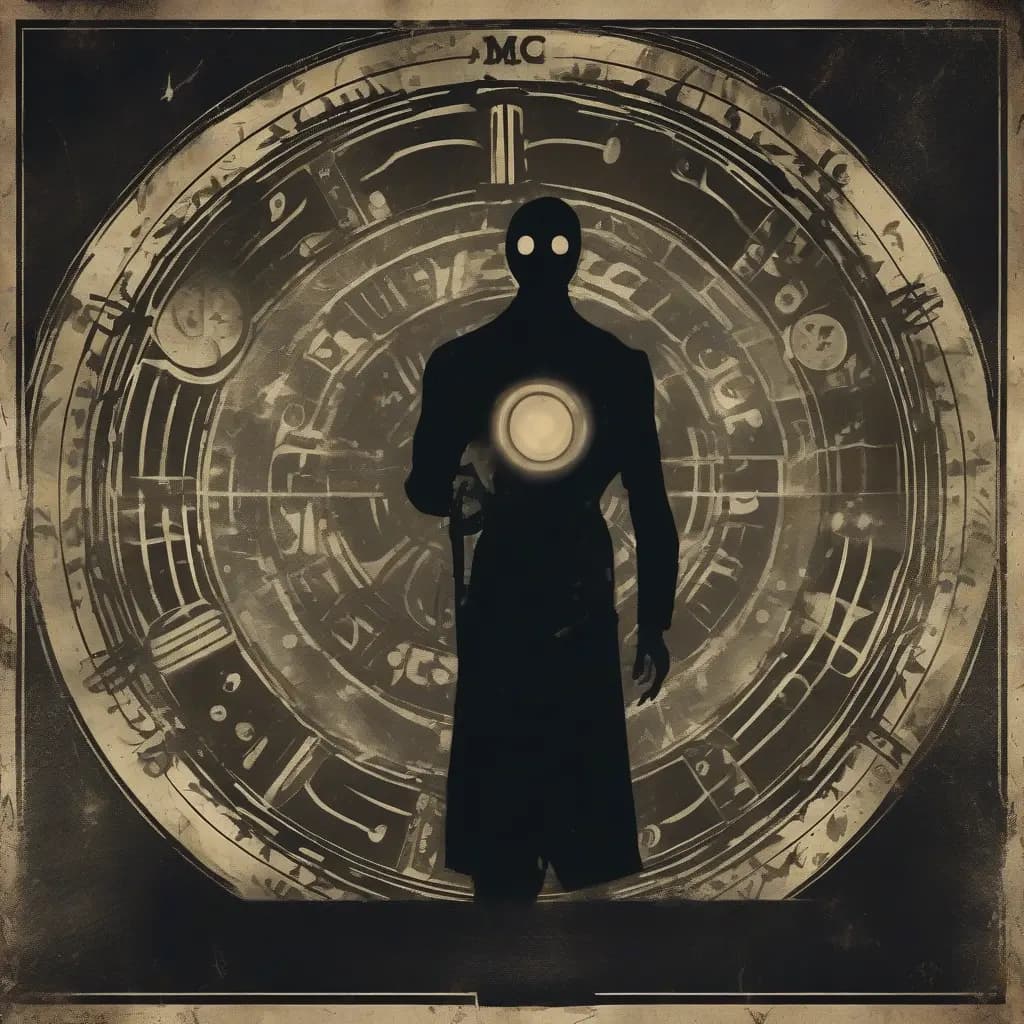
“Cult cinema isn't just about midnight screenings; it's a profound cultural phenomenon rooted in the earliest days of film, where subversive narratives and maverick visions forged an enduring legacy of passionate fandom and cinematic rebellion.”
In the vast, ever-expanding universe of cinema, there exist films that defy easy categorization, works that resonate not with the mainstream, but with a fervent, often obsessive, niche audience. These are the pillars of cult cinema, a realm where cinematic rebellion is celebrated, and unconventional narratives become objects of profound fan devotion. But to truly understand the enduring allure and maverick spirit of cult films, we must journey back to their primordial origins, tracing the subversive DNA embedded within the silent shadows of early cinema. Long before the term 'midnight movie' was coined, the seeds of this unique cinematic culture were being sown by genre-bending experiments and forgotten masterpieces that challenged the norms of their time.
The Genesis of the Unconventional: Early Cinema's Rebel Heartbeat
What makes a film a 'cult classic'? It’s rarely about box office success or critical acclaim upon release. Instead, it’s a confluence of factors: a unique vision, a transgressive theme, a distinctive aesthetic, or a narrative that speaks to a specific subculture. These characteristics, often seen as modern attributes of cult films, have surprisingly deep roots in the silent era. Early filmmakers, unburdened by established industry conventions, frequently experimented with form and content, inadvertently creating works that would later be recognized for their primal appeal and lasting cultural impact.
Consider the nascent stages of storytelling on screen. Without synchronized sound, filmmakers relied heavily on visual language, exaggerated performances, and bold thematic choices to captivate audiences. This often led to narratives that, by modern standards, might seem melodramatic or simplistic, but within their historical context, they were often daring. Themes of social struggle, moral ambiguity, and the dark underbelly of human nature were not uncommon. Films like Human Wreckage, which tackled the then-taboo subject of addiction, or A Wife's Sacrifice, exploring deceit and identity theft for inheritance, showcased an early willingness to delve into the grittier aspects of life. These weren't necessarily seeking to be cult films, but their choice of subject matter and often stark portrayal of consequences laid a transgressive blueprint.
Beyond the Mainstream: The Allure of the Fringe
The very definition of a cult film implies a departure from the mainstream. In the early 20th century, the 'mainstream' itself was still taking shape. This afforded a unique freedom to creators. Directors and producers, often working independently or for smaller studios, could pursue idiosyncratic visions that didn't necessarily conform to mass market appeal. This environment fostered cinematic rebellion, allowing for films that were perhaps too strange, too controversial, or too aesthetically challenging for broad audiences, yet found a devoted following among those seeking something different.
Stories of individuals navigating harsh societal pressures, like the orphan's plight in The Foundling or the struggles of a slum girl in The Narrow Path, offered raw emotional intensity that could resonate deeply with specific viewers. Even lighthearted fare, such as the short comedies Taxi Please or Little Red Robin Hood, could develop a niche appreciation for their particular brand of humor or their distinctive characters. These films, often overlooked by contemporary critics, became hidden gems, rediscovered years later by connoisseurs of the unusual.
Taboo, Controversy, and the Birth of a Counter-Culture
One cannot discuss the origins of cult cinema without addressing its relationship with controversy and taboo subjects. Films that push boundaries, whether moral, social, or artistic, often generate intense reactions, both positive and negative. D.W. Griffith's The Birth of a Nation stands as a monumental, albeit deeply problematic, example. Its technical innovations were undeniable, but its blatant racism sparked widespread protests and condemnation upon release, yet it also commanded immense, fervent loyalty from its supporters. This intense, divided engagement, this rallying of a specific audience around a controversial text, is a quintessential aspect of the cult phenomenon. It demonstrated that a film didn't need universal adoration to achieve a powerful, lasting cultural imprint.
The exploration of themes deemed scandalous or provocative continued throughout the era. The Dangerous Talent, for instance, featured a stenographer with a talent for forgery, leading her down a path of crime. Such narratives, depicting moral failings and illicit activities, often held a dark fascination, appealing to audiences who craved stories that dared to venture beyond conventional heroism or saccharine romance. This early embrace of morally ambiguous characters and unconventional plots helped shape an appetite for the morally complex and aesthetically challenging cinema that would define later cult movements.
The Alchemical Shadows: Transforming Obscurity into Obsession
Many films from this foundational period, like countless others throughout cinematic history, were not immediate hits. Some vanished into obscurity, only to be rediscovered and re-evaluated by subsequent generations. This process of rediscovery is crucial to the cinematic alchemy of cult status. A film might lie dormant for decades, forgotten by the mainstream, until a new audience, often a subculture or a group of dedicated cinephiles, unearths it and imbues it with new meaning. This phenomenon transforms an overlooked relic into a resonant artifact, capable of sparking fervent discussion and ritualistic viewing.
Think of the intricate historical dramas like Egri csillagok or Potop from European cinema, which, while perhaps not 'cult' in the modern sense of being transgressive, represent grand, ambitious storytelling that, in other contexts, could easily have found passionate niche followings outside of their national borders. Similarly, the unique narrative of Az aranyember, a tale of fortune, escape, and secret families, possesses a richness and complexity that would appeal to those seeking out unconventional narratives and profound character studies. These films, whether overtly rebellious or simply distinct, contributed to a diverse cinematic landscape that allowed for the eventual flourishing of cult appreciation.
The Audience as Architect: Forging Fandoms in the Flicker
The true power of cult cinema lies not just in the films themselves, but in the audience that embraces them. From the earliest days, cinema was a communal experience. People gathered in darkened halls, sharing laughter, gasps, and tears. For films that deviated from the norm, this communal viewing could solidify a sense of shared understanding and belonging among those who 'got it.' This collective experience is the bedrock of devotional fandom.
Even seemingly simple genre pieces contributed to this evolving ecosystem. The Firefly, a drama with elements of intrigue, or The Heart Raider, a comedy-romance with a unique premise, offered distinct viewing experiences that, for certain segments of the audience, might have been far more engaging than the widely popular features. These early films, often characterized by their raw energy and experimental spirit, fostered a nascent counter-culture within cinema, one that valued authenticity and peculiarity over polished predictability.
Echoes of Anarchy: The Enduring Legacy of Cinematic Rebellion
As we reflect on the vast, largely forgotten landscape of early cinema, we can discern the genetic code of midnight movies being written in flickering light. The freedom to experiment, the willingness to tackle challenging themes, and the sheer diversity of storytelling approaches created a fertile ground for what would eventually blossom into the vibrant world of cult film. Films that explored the darker aspects of society, like The Web of Deceit, or narratives that delved into intricate moral quandaries, such as Thou Art the Man, provided a rich tapestry of human experience that transcended the simple escapism of much early entertainment.
Even the structure of early cinema, with its often episodic nature or focus on short, punchy narratives, allowed for a wide array of cinematic voices. From the dramatic intensity of Shame to the adventurous spirit of Homeward Bound, these films collectively formed an unconventional canon, a hidden history of cinematic innovation that continues to influence and inspire. The notion of outsider art, so central to cult appreciation, found its early expression in these works, often created outside the burgeoning studio system's more commercial demands.
From Fringe Flickers to Fervent Fandoms: The Unfolding Obsession
The transition from early, often primitive, cinematic endeavors to the sophisticated, yet still rebellious, cult films of today is a fascinating journey. It demonstrates that the desire for films that defy expectation, challenge perception, and foster a sense of shared identity among viewers is not a modern phenomenon, but an intrinsic aspect of cinematic appreciation. The ritualistic viewing of cult films, where audiences participate, quote lines, and dress up, has its roots in the simple, yet profound, act of gathering to watch something truly unique.
The diverse array of films from the silent era – from the social commentaries to the light comedies, the historical epics to the dramatic thrillers – collectively demonstrate a period of unparalleled cinematic experimentation. Each film, whether it was a grand production like The Show Down, an intimate drama like The Lonely Woman, or even a quirky short like The Stork's Mistake, contributed to a growing vocabulary of visual storytelling. This rich experimentation provided a fertile ground for the maverick visions that would, over time, attract passionate devotees.
The very act of seeking out and cherishing these forgotten masterpieces, these unseen narratives, is a testament to the enduring power of cinema to connect with individuals on a deeply personal level. The films may have been silent, but their messages, their styles, and their inherent rebelliousness echoed through the decades, laying the groundwork for the loud, proud, and utterly unique phenomenon of cult cinema we celebrate today. The early cinematic landscape, with its array of genre anomalies and narrative deviations, was indeed the crucible where the cult movie soul was forged, proving that true cinematic devotion often begins far from the glare of the mainstream, in the quiet, flickering shadows of the past.
Community
Comments
Log in to comment.
Loading comments…