Summary
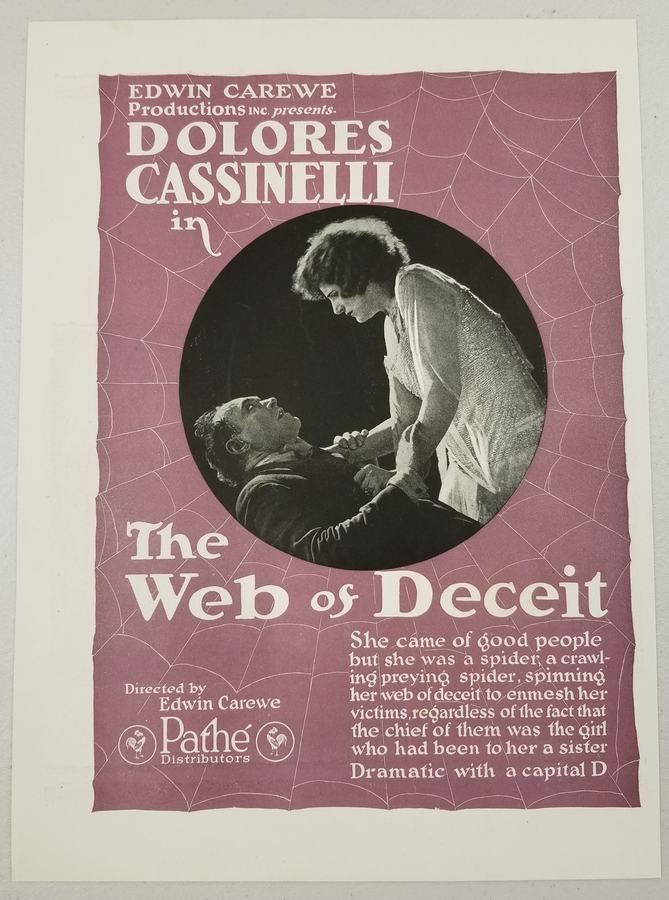
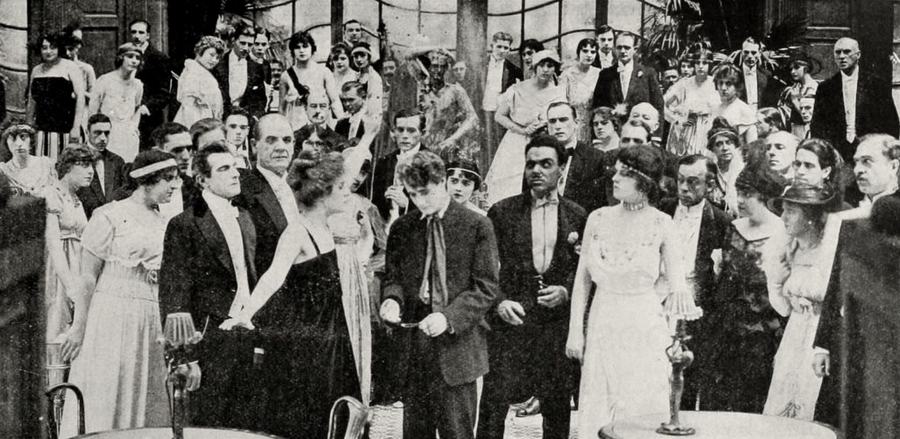
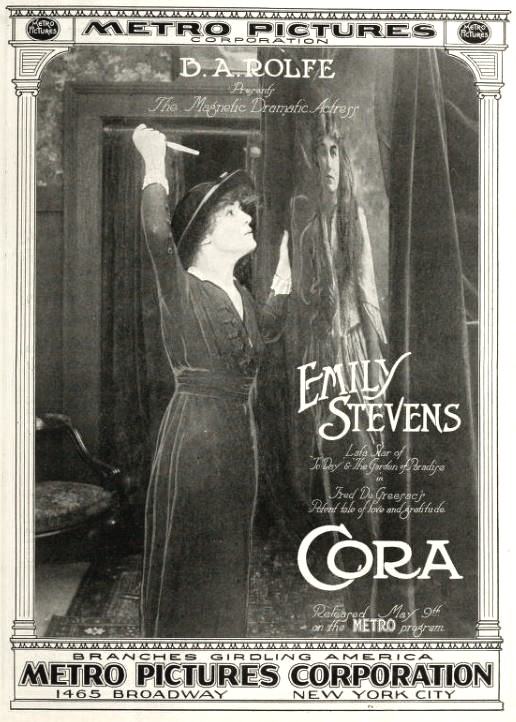
Shadows congeal around Wanda Hubbard from the first flicker of celluloid: a city-night flume of rain-soaked neon, revolvers glinting like chrome beetles while she cracks safes as if they were brittle walnuts. Streeter and Fox fracture chronology so that every act of larceny reverberates twice—once in the clang of the wrench, again in the gasp of a dying matriarch who spills a secret hefty enough to tilt bloodlines. The film’s visual grammar is one of rhyming triangles: two thieves, two sisters, two fathers—one biological, one usurped—locked in a slow waltz that begins in a nameless metropolis of smokestacks and ends inside a Manhattan salon where oil portraits weep under slanted candlelight. Wanda’s flight from justice mutates into a pilgrimage toward identity-theft, her country refuge a liminal space of creaking floorboards and ancestral daguerreotypes whose glass cracks under the weight of sin. Major Andrew Clark, ostensibly a paternal beacon, is filmed in chiaroscuro half-profile so that his epaulettes resemble clipped wings, hinting that military precision crumbles when confronted with the chaos of maternity misfiled. Red Smith—part laconic cowboy, part vengeful fury—haunts the periphery like a deferred sentence, his promise of marriage a breadcrumb trail leading straight back to perdition. The hinge moment arrives not with gunfire but with a canvas slashed: Wanda’s dagger rips the painted likeness of Clark’s dead wife, releasing a gasp of dust that hangs in the projector beam like ectoplasm, an act of iconoclasm that exposes the raw nerve of class envy. Jealousy then dons the mask of romance as Lucille, all pastoral lace and lambent virtue, glides into the penthouse and inadvertently steals Roger Burney’s gaze, tipping the scales from sibling rivalry toward operatic vengeance. The fatal struggle is staged inside a mirror-lined corridor; every gunshot ricochets into infinity, fracturing Wanda’s reflection into shards that foreshadow her imminent erasure. Death arrives as a form of restitution: Wanda’s body, crumpled yet oddly beatific, becomes the dark linchpin that restores Lucille to patrimonial light, while Red’s confession—wrung from a bleeding mouth—cleanses the narrative like lye on rusted iron. In the final tableau, Clark’s embrace of his true daughter is shot from a low angle so that the chandelier looms like a halo, sealing the film’s paradox: only through the annihilation of the impostor can legitimacy bloom.
Synopsis
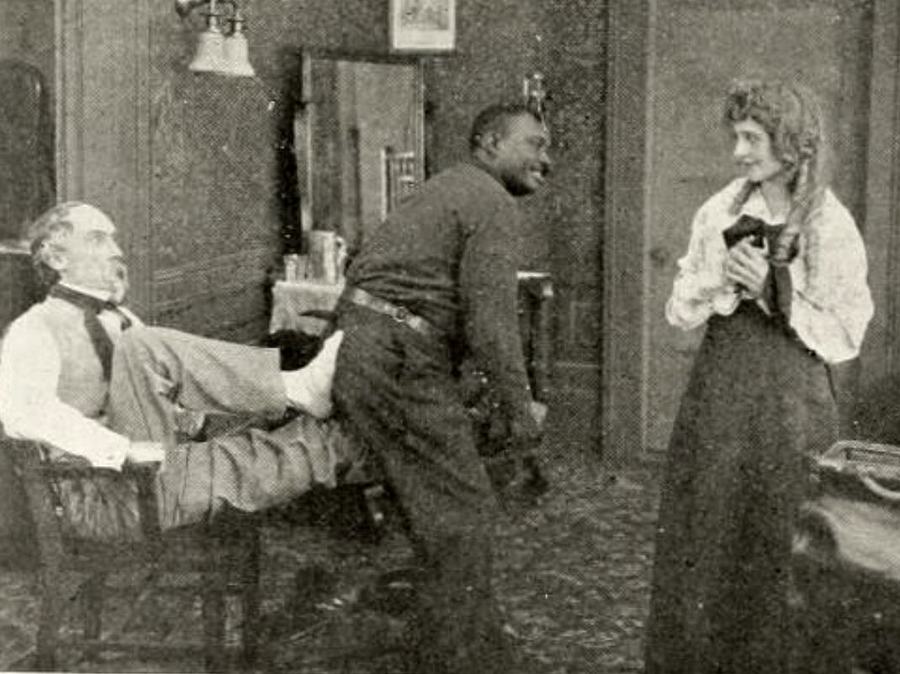
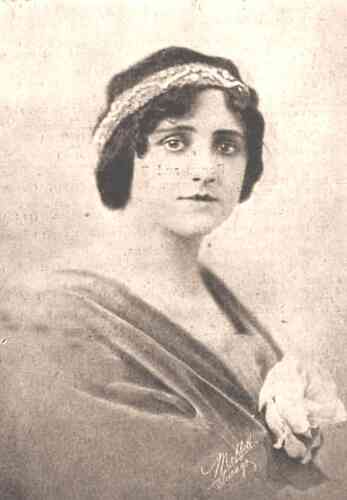
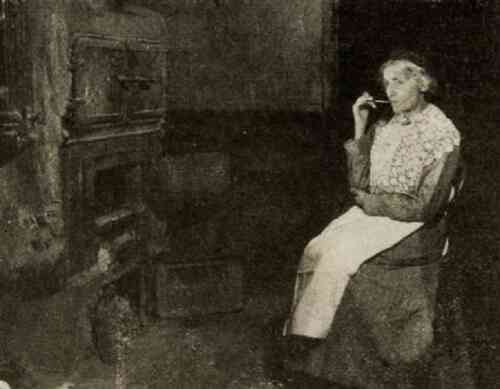
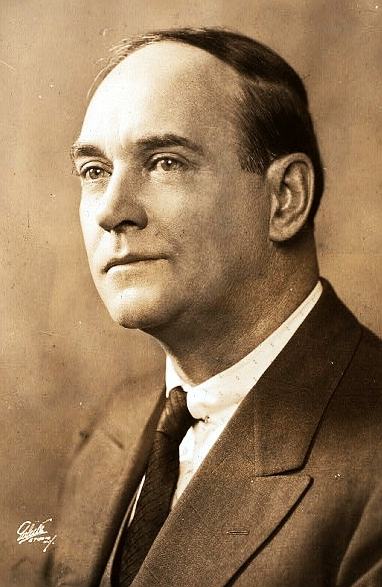
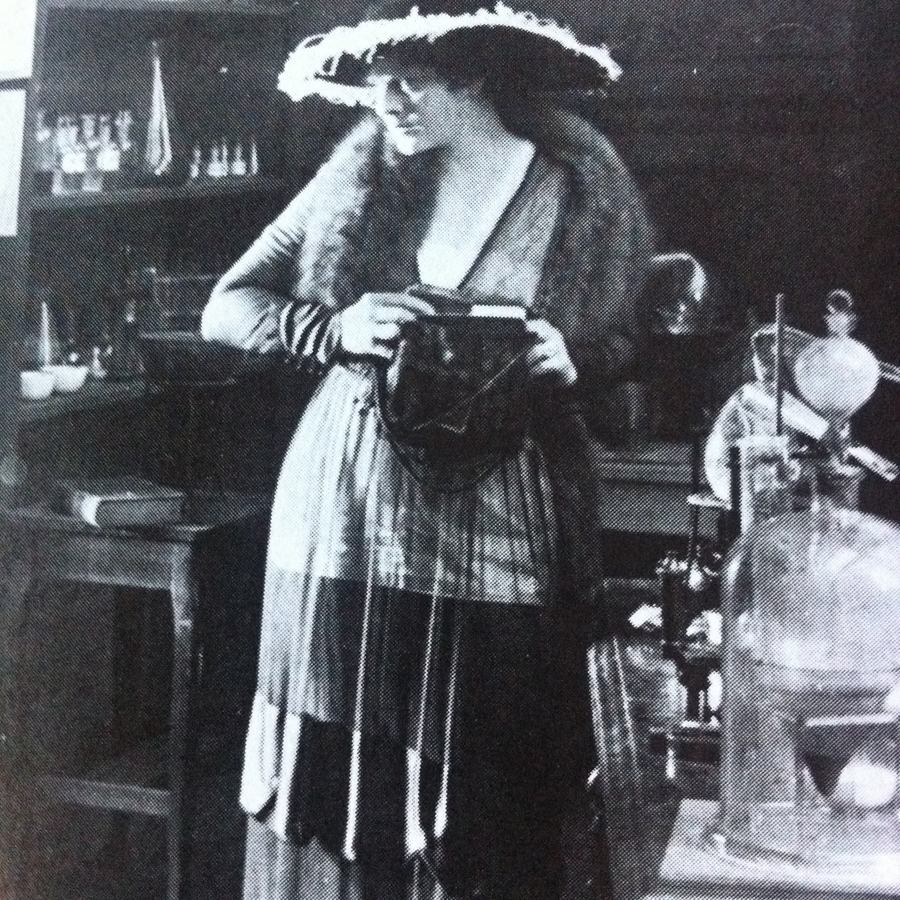
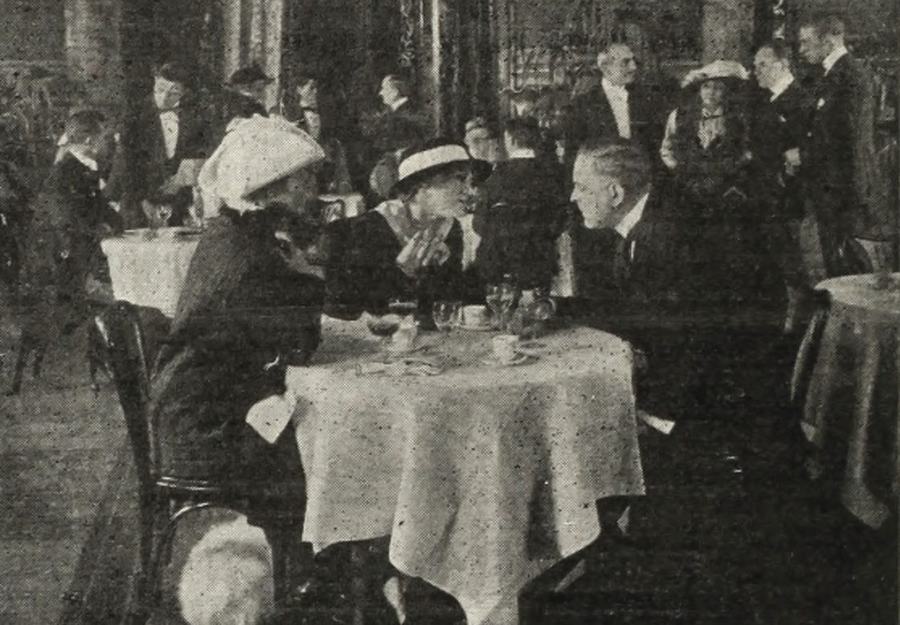
Wanda Hubbard lives a life of crime in the city while her mother and sister Lucille lead a peaceful life in a small country town. One day, while robbing the safe of Major Andrew Clark, Wanda and her partner Red Smith are apprehended, but both manage to escape. Wanda flees to her mother's house and Red follows her, later departing for Arizona but pledging to marry Wanda upon his return. Meanwhile, Mrs. Hubbard dies as a result of a fall, confessing on her deathbed to Wanda that Lucille is really the daughter of her brother-in-law, wealthy Major Clark. After the funeral, Wanda determines to substitute herself as Clark's daughter and goes to New York where she is accepted by Clark and his protégé Roger Burney, with whom she falls in love. Later, Lucille comes to New York and wins Roger's love, making Wanda insanely jealous and driving her to destroy the portrait of Clark's dead wife lest her deception be discovered. With Red's reappearance, Wanda's web of deceit begins to untangle when he threatens to expose her. The two struggle, Wanda is killed and the wounded Red confesses the truth about Lucille's parents. Clark welcomes his daughter and Lucille wins both a father and a sweetheart.
Review Excerpt
"
Coolidge Streeter and Finis Fox weave The Web of Deceit like a fever dream stitched from gun-smoke and genealogy. From the first amber-tinted frame, Wanda Hubbard’s silhouette—fedora tilted, jaw clenched—cuts through urban fog as though the city itself were an accomplice to her larceny. The directors refuse exposition; instead, they let the metallic scrape of a safe’s tumblers narrate her résumé. It’s 1917, but the moral grime feels centuries older, predating even the gaslamps that flicker in t..."