
Cult Cinema
The Unseen Symphony: Decoding the Enduring Allure of Cult Cinema's Maverick Melodies

“Cult cinema thrives in the shadows, where unconventional narratives and transgressive artistry forge passionate communities. This deep dive explores the enduring magnetism of these cinematic outsiders, from their proto-cult roots to their modern-day midnight rituals, revealing why audiences continue…”
In the vast, sprawling landscape of cinematic history, there exist films that refuse to conform, narratives that challenge, and aesthetics that bewilder. These are the films that form the bedrock of cult cinema – a vibrant, often perplexing, and eternally fascinating corner of the movie world. More than just box office flops or critical darlings, cult films carve out their own unique space, fostering fervent communities and inspiring an almost religious devotion. They are the cinematic outsiders, the rebel spirits, the forgotten gems that, through some alchemy of time, audience re-evaluation, and sheer idiosyncratic brilliance, achieve an enduring, almost mythical status.

What is it about these unconventional films that resonates so deeply? Why do certain movies, often dismissed or misunderstood upon their initial release, become objects of such intense cinematic obsession? The answer lies in their inherent defiance – a refusal to play by the rules, to fit neatly into genre boxes, or to cater to mainstream sensibilities. Cult films speak to a primal yearning for something different, something authentic, something that dares to explore the fringes of human experience and imagination. They are a secret handshake, a shared understanding among those who seek meaning and magic beyond the multiplex.

The Genesis of the Unconventional: Tracing Cult Cinema's Deep Roots
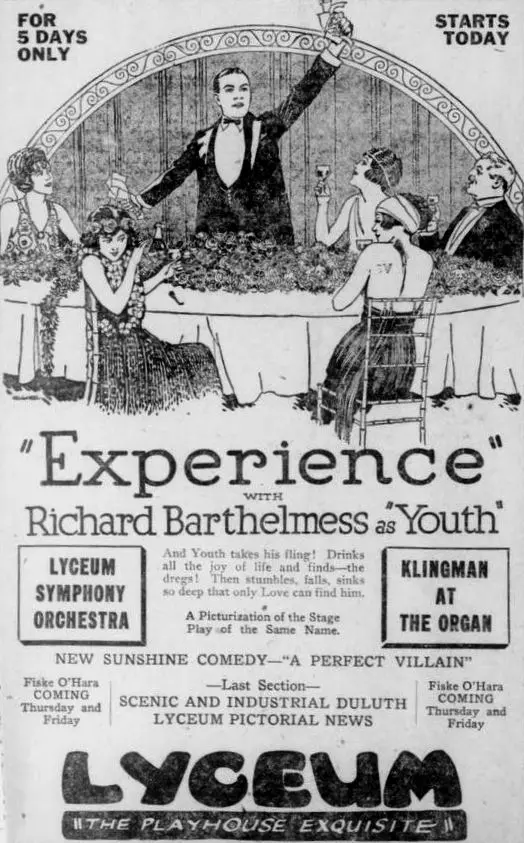
While the term 'cult film' gained prominence in the mid-20th century, the seeds of this phenomenon were sown far earlier, in the nascent years of cinema itself. Even in the silent era, filmmakers, often unburdened by strict studio oversight or established conventions, experimented with themes and narratives that pushed the boundaries of societal comfort. Consider the early dramas that delved into intricate webs of crime and moral ambiguity, showcasing characters entangled in situations of false accusation or desperate escape, much like the compelling plight of a man wrongly convicted seeking a new life amidst 'silent men.'

These early cinematic ventures frequently explored social taboos and controversial subjects. Films tackling themes of 'white slavery' or advocating for 'marriage hygiene' might seem quaint or even problematic by today's standards, but in their time, they were audacious, sparking public discourse and often attracting audiences drawn to their scandalous nature. Similarly, melodramas that depicted women navigating 'inferior sex' roles or challenging societal 'scandal' through their actions, or even stories of individuals breaking free from 'the seed of the fathers' through corruption or rebellion, resonated with viewers seeking reflections of their own societal struggles or forbidden desires. These weren't 'cult films' as we understand them today, but they were certainly proto-cult – films that provoked, challenged, and lingered in the collective consciousness precisely because of their willingness to confront the uncomfortable.

The aesthetic boldness of early cinema also played a crucial role. From expressionistic sets that mirrored internal turmoil to innovative camera techniques that created a sense of unease or wonder, these visual departures from realism laid the groundwork for the distinct, often surreal, aesthetics found in later cult classics. Fantastical adventures involving ancient curses, stolen jewels, or grand quests, often imbued with a sense of impending doom or mystical allure, offered escapism while simultaneously hinting at darker, more complex undercurrents. These narratives, exploring the fight against powerful 'tong men' or the pursuit of elusive treasures, demonstrated an early appetite for the extraordinary and the morally complex, themes that would become hallmarks of maverick visions.

Beyond the Mainstream: The Rise of Midnight Movies and Niche Fandom
The modern concept of cult cinema truly blossomed in the mid-20th century, particularly with the advent of the 'midnight movie' phenomenon. These were films, often independent productions or foreign imports, that found a second life playing at late-night screenings, primarily in arthouse cinemas. Initially ignored or critically panned, these movies found their audience in the counter-culture, among those disillusioned with Hollywood's polished offerings. This era saw films embrace overt genre defiance, mixing horror with comedy, drama with musical, in ways that mainstream studios wouldn't dare. The audiences for these films were not passive consumers; they were active participants, creating a communal experience that transcended a mere viewing.

The energy of these midnight screenings was electric. Audiences would shout lines back at the screen, dress up as characters, and engage in impromptu rituals, transforming a dark theater into a shared sanctuary for the strange and the unconventional. This shift from passive reception to active engagement cemented the idea that a cult film isn't just a movie; it's an event, a shared secret, a badge of belonging. Films that explored the struggles of 'wildcats' being tamed, or individuals finding 'easy money' through dubious means, or even the dramatic stakes of 'feud girls' caught between warring factions, often resonated with audiences seeking narratives that reflected their own feelings of being outsiders or rebels against societal norms.
The Anatomy of a Cult Classic: What Makes a Film Endure?
Dissecting the DNA of a cult classic reveals several recurring traits:

Subversive Narratives & Thematic Boldness: Cult films often challenge dominant ideologies, moral conventions, or narrative structures. They frequently explore dark themes, taboo subjects, or uncomfortable truths, refusing to offer easy answers or comforting resolutions. Whether it's a story about a 'devil-stone' bringing misfortune or a character's desperate attempt to escape a 'frame-up,' these films often grapple with the darker aspects of human nature and society.

Unique Aesthetics & Visionary Direction: From bizarre production design to unconventional cinematography, cult films often possess a distinct visual language that sets them apart. This could be a grainy, low-budget aesthetic that enhances realism, or a hyper-stylized world that feels entirely alien. The sheer individuality of the filmmaking often becomes a key draw, creating an immersive, unforgettable experience. Imagine the visual flair required to depict a 'tokio siren' or the gritty realism of a 'golden trail' prospector's life.
Memorable Characters & Iconic Performances: Cult films are populated by unforgettable characters – anti-heroes, villains, and eccentrics who defy traditional archetypes. These performances often become legendary, with actors fully embodying the bizarre or intense demands of the script. The struggle of a 'sleeping lion' awakening to new challenges, or a 'half a hero' rising to the occasion, often captures the imagination through compelling character arcs.
Accidental Genius or Deliberate Provocation: Some cult films achieve their status unintentionally, initially dismissed as failures but later re-evaluated for their unique qualities. Others are deliberately provocative, designed to shock, offend, or challenge. Both paths lead to the same destination: a place in the pantheon of cinema's most beloved outsiders. Whether it's a 'full house' of comedic mishaps or a 'terrible day' of escalating absurdity, the unexpected often fuels their legend.
Replay Value & Quotability: The best cult films invite repeated viewings. Their complex narratives, hidden meanings, or sheer entertainment value encourage audiences to return again and again, discovering new layers with each watch. Memorable lines become catchphrases, woven into the lexicon of devoted fans, reinforcing the communal bond.
The Ritual of Fandom: Building Communities Around Unconventional Art
Perhaps the most defining characteristic of cult cinema is its ability to foster fierce, dedicated fandoms. These aren't just casual viewers; they are communities, tribes united by a shared appreciation for the unconventional. The act of watching a cult film together, especially at a midnight screening or a themed event, transforms into a ritual. This ritualistic viewing experience, often involving active participation, costuming, and collective recitation of dialogue, strengthens the bonds between fans and solidifies the film's place in their personal and collective identities.
In an increasingly fragmented world, cult films offer a sense of belonging. They provide a common language, a shared history, and a space where individuality is celebrated rather than suppressed. For many, discovering a cult film feels like finding a kindred spirit, a piece of art that truly understands and reflects their own unique perspective. Whether it’s the dramatic struggle of a 'mother love and the law' narrative or the adventurous spirit of a 'rainbow trail' journey, these stories resonate on a deeply personal level, creating a powerful resonance that transcends the screen.
The Enduring Legacy: Cult Cinema's Influence and Evolution
Cult cinema is not a static phenomenon; it is constantly evolving, influenced by and in turn influencing the broader cinematic landscape. Its rebel spirit and willingness to experiment have paved the way for more mainstream acceptance of complex narratives, darker themes, and genre-bending storytelling. Modern filmmakers, often raised on a steady diet of cult classics, frequently incorporate elements of their beloved underground films into their own work, ensuring that the legacy of these cinematic subversions continues.
In the digital age, the accessibility of films from every era has democratized cult status. No longer confined to midnight screenings or obscure video rental shelves, once-forgotten gems can now be discovered by new generations with a click of a button. This ease of access has broadened the definition of 'cult,' allowing a wider array of films – from experimental shorts to overlooked foreign dramas, from comedies that are 'ain't love grand?' to serious inquiries like 'are they born or made?' – to find their dedicated audiences. The internet has become the ultimate 'unseen ritual' space, where discussion forums, fan art, and critical analyses continue to deepen the understanding and appreciation of these unique works.
The enduring appeal of cult cinema lies in its celebration of artistic freedom and its rejection of easy categorization. It reminds us that cinema is not merely an industry, but an art form capable of profound personal and communal impact. It champions the underdog, the unconventional, the visionaries who dared to dream differently. From the early experiments in narrative and visual storytelling to the modern digital landscape, the spirit of the cult film remains a powerful force, continually inviting us to look beyond the surface, to question the norms, and to find beauty in the strange and the sublime.
Ultimately, cult cinema is a testament to the power of film to connect, to challenge, and to inspire an unwavering devotion. It's a reminder that true art often finds its most passionate advocates not in the glittering halls of mainstream success, but in the shadowy corners where the unconventional is embraced, and the maverick melodies play on, an unseen symphony echoing through time. As long as there are stories to be told that defy expectation, and audiences eager to discover them, the cult of cinema will continue to thrive, forever enriching our collective cinematic experience.
Community
Comments
Log in to comment.
Loading comments…