
Cult Cinema
The Unseen Tapestry: Weaving the Enduring Allure of Cult Cinema from its Earliest Threads
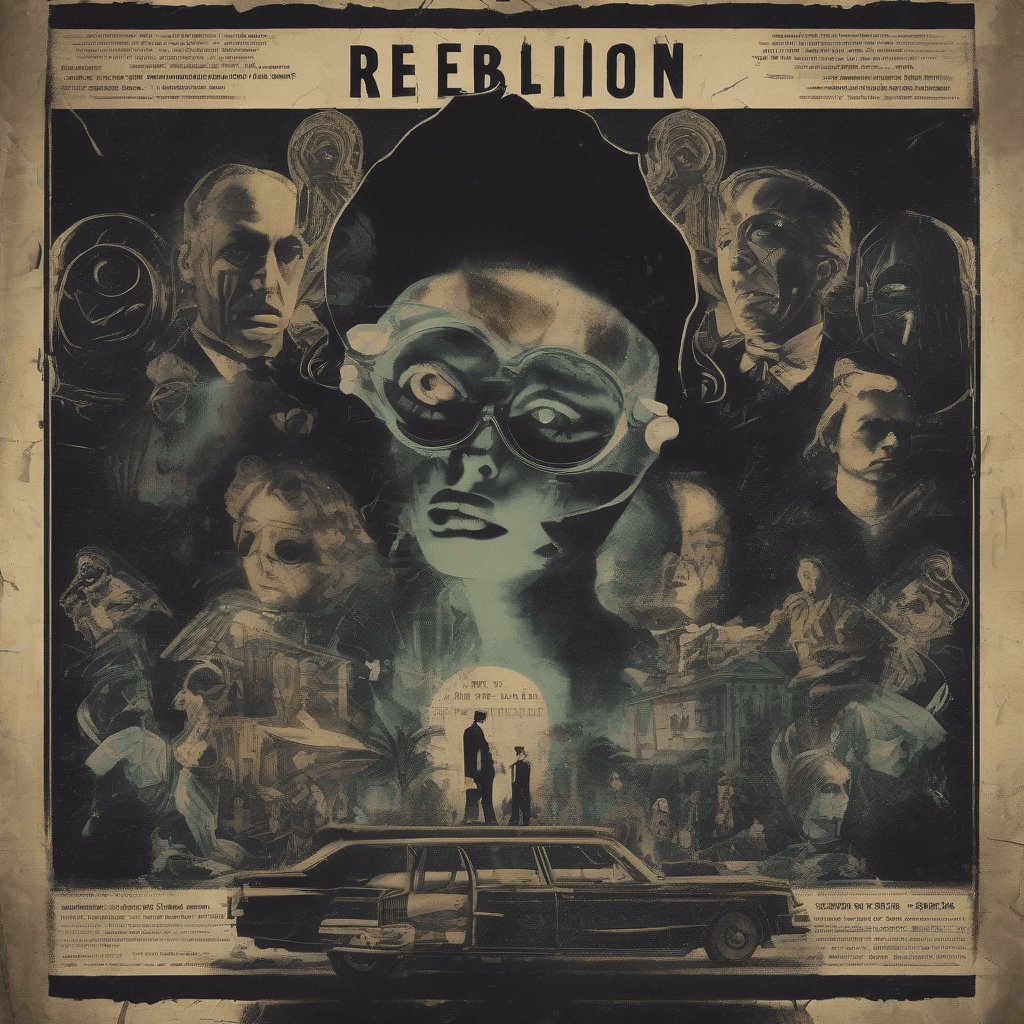
“Cult cinema thrives in the shadows, forging deep connections with audiences through unconventional narratives, defiant aesthetics, and subversive themes. This article delves into the enduring magnetism of these cinematic outliers, tracing their lineage from the earliest days of film to their contemp…”
In the vast, ever-evolving landscape of cinematic history, certain films defy easy categorization. They are not merely blockbusters or critical darlings, but something more profound, more visceral: cult films. These are the movies that, often overlooked or misunderstood upon initial release, find a fervent, almost religious following, evolving into cultural touchstones and rallying cries for their devoted audiences. Their allure is not accidental; it is a complex brew of transgressive storytelling, unique visual language, and an uncanny ability to tap into the collective subconscious of niche communities. This deep dive explores the enduring magic of cult cinema, examining its foundational elements and celebrating the unconventional spirit that continues to captivate generations.
Defining the Indefinable: What Makes a Film 'Cult'?
The term 'cult film' itself is a paradox, suggesting both exclusivity and widespread devotion. It’s rarely a label bestowed by critics or studios; rather, it’s earned organically, through the passionate embrace of an audience. A cult film often possesses a singular vision, sometimes eccentric, sometimes shocking, but always unforgettable. It might be a film that challenges societal norms, pushes the boundaries of genre, or simply presents a reality so bizarre it demands repeated viewing and communal interpretation. Think of the initial reception of many films now revered: they were often dismissed, misunderstood, or even reviled, only to be resurrected by a dedicated few who saw beyond the surface, recognizing a profound artistic statement or a reflection of their own outsider sensibilities.
What ties these disparate works together is not a shared genre or budget, but a shared spirit of rebellion and distinctiveness. From the darkest corners of human nature to the most absurd comedic scenarios, cult films explore themes that resonate deeply with those who feel marginalized or simply crave something different from the mainstream. They invite active participation, encouraging discussion, cosplay, and even ritualistic viewing experiences. This is where the 'cult' truly forms: a congregation of like-minded individuals who celebrate the film's perceived flaws as strengths, its obscurities as invitations to deeper understanding.
The Genesis of Obsession: Early Sparks of Subversion
While the modern concept of cult cinema is often associated with the 'midnight movie' phenomenon of the 1970s, its roots stretch back to the very dawn of filmmaking. Even in cinema's nascent years, there were films that, by accident or design, broke from conventional narratives and captured the imagination of specific audiences. These early cinematic anomalies, often melodramas or genre experiments, hinted at a deeper human fascination with the forbidden, the transgressive, and the morally ambiguous. Tales of desperate choices, like a character forced into a precarious situation to save their family, or stories of individuals defying societal expectations, laid the groundwork for future cult narratives.
Imagine early audiences witnessing a narrative of deception and betrayal, where a trusted partner or figure hides a sinister agenda, or a protagonist battles against overwhelming odds for a fighting chance at redemption. These foundational dramatic conflicts, exploring the fragility of trust and the tenacity of the human spirit, resonated with viewers seeking more than simple escapism. There were also early explorations of moral gray areas, where characters might operate 'a law unto herself,' challenging established legal or ethical codes for what they believed was right. This inherent questioning of authority and conventional morality is a primal scream that echoes through many cult classics.
The Maverick's Canvas: Artistry Beyond the Mainstream
One of the defining characteristics of cult cinema is its uncompromising artistic vision. Directors of cult films often eschew commercial pressures, opting instead to pursue their unique aesthetic and thematic interests, regardless of audience reception. This often results in films that are visually distinctive, narratively daring, and thematically complex. Whether it's the stark, expressionistic visuals that convey psychological turmoil or the vibrant, surreal imagery that transports viewers to another dimension, the visual language of a cult film is often as important as its plot.
Consider films that delve into the dark underbelly of society, portraying characters driven by obsession, greed, or a desperate need for survival. These narratives often feature protagonists who are outcasts, rebels, or figures navigating dangerous social landscapes, much like a 'gun woman' taking matters into her own hands or a 'crab'-like figure holding an entire town in its grip. The stories might weave through intricate plots of mistaken identity, where appearances are deceiving, and true motives are shrouded in mystery, leading to dramatic confrontations and unexpected twists. The visual style often complements these themes, creating an atmosphere that is either unsettling, intoxicating, or both.
Transgressive Narratives and Taboo Topics
Many cult films gain their notoriety by daring to tread where mainstream cinema fears to go. They confront taboo subjects head-on, explore extreme violence, sexuality, or philosophical concepts that challenge conventional thinking. This willingness to provoke and disturb is not merely for shock value; it's often a deliberate artistic choice to force audiences to confront uncomfortable truths or question their own moral frameworks. Films that explore narratives of forbidden love, desperate acts born of poverty, or the corrupting influence of power often find their way into the cult canon precisely because they refuse to sanitize reality.
A story about a 'child for sale,' for instance, touches upon the most profound human desperation and societal failure, topics rarely given a delicate treatment in mainstream fare. Similarly, films exploring the breakdown of familial bonds, or the stark realities of individuals battling powerful, oppressive systems, resonate because they speak to universal anxieties and the perennial human struggle against injustice. These narratives, often initially dismissed as grotesque or exploitative, later reveal themselves as prescient social commentaries or raw explorations of the human condition.
Genre Bending and Blurring Lines
Another hallmark of cult cinema is its disregard for rigid genre boundaries. A cult film might start as a horror movie, morph into a comedy, and end as a profound drama, leaving audiences delightfully disoriented. This genre fluidity allows for unexpected tonal shifts and narrative surprises, keeping viewers engaged and often sparking intense debate about the film's true intent. This playful subversion of genre expectations is a powerful tool for filmmakers seeking to create something truly original.
Consider a film that blends elements of a thrilling chase with a romantic entanglement, or a story that juxtaposes the mundane struggles of working-class life with a grand, almost mythical adventure. These narrative experiments, reminiscent of a 'princess of Bagdad' finding love outside her station or a 'skipper' engaged in illicit activities, defy easy classification and thus offer a fresh, unpredictable viewing experience. The unexpected turns and genre mash-ups ensure that the film remains memorable, etching itself into the cultural consciousness not just for its story, but for how it tells that story.
The Midnight Movie Phenomenon and Communal Viewing
The rise of the 'midnight movie' in the 1970s cemented the idea of cult cinema as a communal experience. Films like those that explored themes of identity, transformation, and liberation, often found their true home in late-night screenings, where audiences could gather, interact, and collectively immerse themselves in the film's unique world. These screenings became rituals, fostering a sense of belonging among fans who felt seen and understood by the unconventional narratives unfolding on screen.
The energy of a midnight screening is palpable: cheers, jeers, callbacks, and even audience participation become part of the experience. This collective engagement transforms passive viewing into an active performance, where the film serves as a catalyst for community building. It’s a space where the 'downy girl' or the 'wood nymph' can be celebrated, where the struggles of characters facing 'the iron ring' of societal pressure can be empathized with, and where the subversive spirit of the film is amplified by shared enthusiasm.
The Power of Re-discovery and Enduring Relevance
Many cult films achieve their status years, sometimes decades, after their initial release. They are films that were ahead of their time, misunderstood by contemporary audiences, or simply lost in the shuffle of mainstream productions. Their re-discovery often happens through word-of-mouth, critical re-evaluation, or the efforts of dedicated fans who champion their overlooked gems. This delayed appreciation speaks to the timeless quality of these films, their ability to remain relevant and impactful across different eras.
Think of films that chronicle the struggle for justice, the fight against corruption, or the pursuit of true love against all odds. These timeless human dramas, whether it’s 'the call of the Cumberlands' echoing family feuds or a character facing 'Satan's private door' to confront their inner demons, possess an inherent resonance that transcends trends. Their narratives often explore themes of moral reckoning, where 'his conscience his guide' might lead a character down a difficult but ultimately righteous path, or where a 'false code' of ethics is exposed and challenged. This enduring thematic depth ensures their longevity and continued ability to captivate new generations of viewers.
The Psychological Hooks: Why We Connect with the Outliers
Beyond their artistic merits, cult films often tap into deep psychological needs. They offer a mirror to our own anxieties, desires, and rebellious impulses. For many, cult films are a form of escapism, not into fantasy, but into a heightened reality where the rules are different, and the consequences are often starker. They allow us to explore uncomfortable emotions and ideas in a safe, mediated space, providing a cathartic experience that mainstream cinema rarely offers.
The stories often revolve around characters who are outsiders, misfits, or rebels – figures who, despite their flaws or eccentricities, possess an undeniable charisma. Their struggles, whether against a corrupt system, personal demons, or overwhelming external forces, resonate with anyone who has ever felt marginalized or misunderstood. From a 'shop girl' dreaming of a different life to a 'fighting chance' taken by someone against all odds, these narratives speak to the universal human desire for agency and belonging.
Moreover, the ambiguity and open-endedness of many cult narratives invite interpretation and speculation, fostering a deeper intellectual engagement. Fans pore over every detail, dissecting symbolism, debating character motivations, and constructing elaborate theories. This intellectual puzzle-solving further solidifies the bond between the audience and the film, transforming it from a mere piece of entertainment into a complex work of art worthy of endless contemplation. Stories where characters are 'oath-bound' to a cause, or where an 'immortal flame' of passion or vengeance drives the plot, offer rich thematic ground for such deep analysis.
The Legacy of the Unconventional: Cult Cinema's Future
In an era of increasingly homogenized content and algorithmic recommendations, the spirit of cult cinema remains more vital than ever. It represents a defiant stand against the mainstream, a celebration of individuality, and a testament to the enduring power of unique storytelling. As new technologies emerge, they provide fresh avenues for these films to find their audiences, ensuring that the 'unseen tapestry' of cult cinema continues to weave new threads.
The future of cult cinema lies not just in the preservation of classic works, but in the continued creation of new, boundary-pushing films that challenge expectations and inspire fervent devotion. It’s in the hands of filmmakers who dare to be different, who tell stories that resonate with the fringe, the forgotten, and the fiercely independent. Whether it's a modern interpretation of a classic 'battle,' a contemporary tale of 'sister against sister,' or a nuanced exploration of 'love's pay day' and its complex consequences, the appetite for the unconventional remains insatiable.
Ultimately, cult cinema is more than just a collection of films; it's a cultural phenomenon, a testament to the power of shared obsession, and a vibrant, ever-growing community united by a love for the cinematic outliers. These are the films that remind us that art is not always about universal appeal, but sometimes about speaking directly to a chosen few, whose devotion transforms the obscure into the iconic, and the forgotten into the immortal. The 'face between' the mainstream and the underground continues to evolve, promising a rich and unpredictable future for those willing to seek out its unique charms.
Community
Comments
Log in to comment.
Loading comments…