
Cult Cinema
The Anomalous Afterlife: Unveiling the Primal Rebellion and Enduring Spirit of Cinema’s Early Outcasts
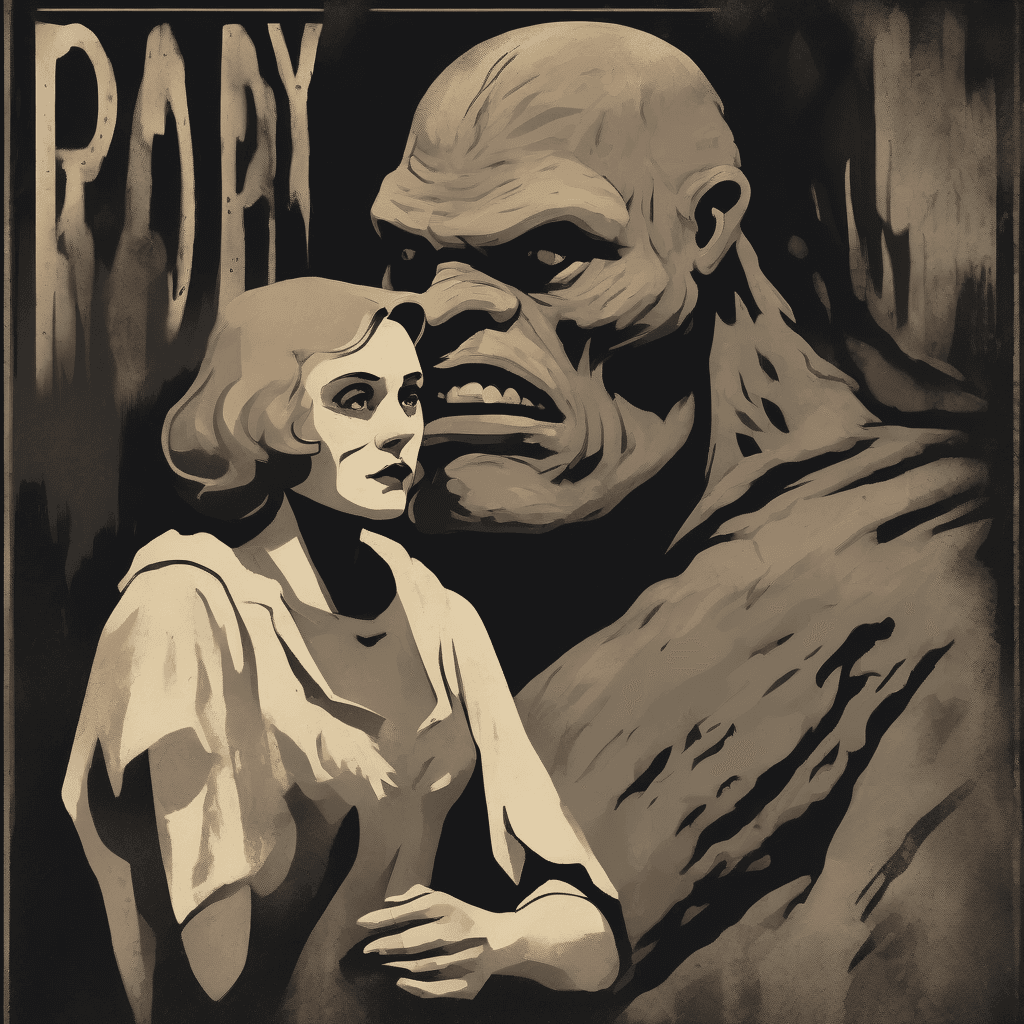
“Explore how the early 20th century's most daring and misunderstood films laid the groundwork for modern cult cinema through rebellion, transgression, and narrative anarchy.”
The history of cinema is often written by the victors—the blockbusters that dominated the box office and the prestige dramas that swept the awards. However, beneath the polished surface of the mainstream lies a darker, more volatile current: the world of cult cinema. Long before the term 'midnight movie' was coined in the 1970s, the seeds of cinematic rebellion were being sown in the silent era and the early days of talkies. These were films that defied easy categorization, challenged moral boundaries, and spoke to the disenfranchised. To understand the modern cult phenomenon, we must look back at the anomalous masterpieces of the early 20th century—the films that were too strange, too transgressive, or too niche for the masses but found immortality in the shadows.
The Clay and the Curse: Supernatural Foundations
One of the earliest and most profound examples of what we now recognize as the cult aesthetic is found in the expressionistic shadows of 16th-century Prague. In The Golem (1920), a rabbi creates a giant creature made of clay to protect his community from persecution. This film is more than just a precursor to the monster movie; it is a meditation on the dangers of power and the tragedy of the outsider. The Golem itself—a silent, lumbering force of nature—became a visual archetype for the 'othered' protagonist that cult audiences have championed for decades. This sense of the supernatural being used as a shield for the marginalized is a recurring theme in cult circles, where the 'monster' is often more relatable than the society that fears it.
Contrast this with the psychological supernaturalism of The Red Circle. Here, the 'monster' is internal. The heroine carries a birthmark on her hand that only appears during times of extreme stress, compelling her to steal. This narrative of a physical mark signaling an inescapable fate or a hidden deviance is a classic cult trope. It taps into the audience's fascination with the biological rebellion—the idea that our own bodies might betray us or force us into lives of crime and intrigue. This film, with its blend of mystery and compulsion, prefigures the obsession with 'damaged' protagonists that would later define the noir and neo-noir movements.
The Vamps and the Voyeurs: Transgressing the Moral Code
Cult cinema has always been a sanctuary for the forbidden. In the early 20th century, stars like Theda Bara represented a radical departure from the 'girl next door' archetype. In The Forbidden Path, Bara plays Mary Lynde, an innocent girl seduced and discarded by a callous artist. Her subsequent transformation into a 'vamp' who seeks revenge is a primal narrative of empowerment through transgression. This film, and others like Sacred and Profane Love, where Carlotta Peel defies her Victorian upbringing after reading 'indiscriminate' literature, highlighted the tension between societal expectations and individual desire. For cult audiences, these films were not just entertainment; they were manifestos of rebellion against the stifling morality of the era.
The Exotic and the Erotic
The allure of the 'other' often extended to geographical and cultural boundaries. Films like The Adorable Savage and The Call of the East explored the complexities of intercultural relationships and the clash between Western 'civilization' and traditional societies. In The Adorable Savage, Marama Thurston returns to Fiji to protect her father's rubber crop, finding herself caught between her American education and her heritage. Similarly, The Call of the East dealt with the fallout of an interracial romance complicated by betrayal. These films often relied on tropes that are problematic by modern standards, yet they were among the first to bring 'taboo' subjects to the screen, creating a space for the niche and the controversial that cult cinema would eventually inhabit fully.
Social Paranoia and the Architecture of Fear
Cult films often act as mirrors to the anxieties of their time. During the World War I era, films like The Yellow Dog tapped into a growing sense of domestic paranoia. In a small shipbuilding town, the realization that German sympathizers and spies are infiltrating everyday life creates a climate of suspicion. This 'yellow dog' metaphor—representing the cowardice of the traitor—is a powerful tool of social commentary. Cult cinema thrives on this sense of the 'enemy within,' a theme that would later explode in the Cold War era with films about alien infiltrators and brainwashed citizens.
This fear of the unknown also manifests in the urban jungle. The Adventures of Lieutenant Petrosino followed a real-life New York detective investigating the early Sicilian Mafia. By bringing the gritty reality of organized crime to the screen, the film offered a voyeuristic look into a world that most 'respectable' citizens only read about in the tabloids. This fascination with the underworld—the hidden mechanics of power and violence—is a cornerstone of cult devotion, as seen in the later worship of gangster epics and gritty crime dramas.
The Wildness Within: The Untamed Protagonist
One of the most enduring figures in the cult pantheon is the 'untamed' man—the individual who refuses to be domesticated by society. The Untamed features 'Whistling Dan,' a man reared in the desert who possesses a temper that can ignite at any moment. Dan represents the primal, unvarnished human spirit, unburdened by the social graces of the city. This archetype reappears in various forms throughout cult history, from the rugged cowboys of the Revisionist Western to the post-apocalyptic warriors of the 1980s. The cult audience's affinity for Dan lies in his authenticity; he is a man of action and instinct in a world of artifice.
Similarly, The Sleeping Lion tells the story of an Italian potter who leaves the chaos of New York for a ranch out West. This journey from the urban to the rural, from the collective to the individual, is a quintessential cult narrative. It reflects a desire to escape the 'machine' of modern life and find a simpler, more meaningful existence, even if that existence is fraught with danger and hardship. The struggle to maintain one's identity in a changing world is a theme that resonates deeply with those who feel out of step with the mainstream.
The Wastrel and the Redemption Arc
Not all cult heroes are strong and silent. Many are 'wastrels'—young men with no aim or direction who find themselves thrust into extraordinary circumstances. In the Danish film Sønnen, a couple despairs over their son Kai, a never-do-well with no purpose. This trope of the aimless youth who must find his way is a staple of cult cinema, often leading to a moment of radical self-discovery or tragic downfall. In Twenty-One, a young man trades places with a lookalike boxer, learning to fight for what he wants. These stories of identity-swapping and unexpected courage speak to the transformative power of the cinematic experience itself—the idea that we can step out of our mundane lives and become someone else, if only for ninety minutes.
The Comedy of the Absurd: Daffy Houses and Hidden Meanings
While many cult films are dark and serious, the genre also encompasses the bizarre and the absurd. Daffy House is a perfect example of early cinematic surrealism. To prevent a man from marrying his daughter, a father converts a movie studio into a 'Daffy House' where everyone acts strangely. This meta-narrative—using the film studio itself as a site of madness—is a precursor to the self-reflexive humor of modern cult comedies. It acknowledges the inherent strangeness of the medium and invites the audience to laugh at the artifice of it all.
Even in more traditional comedies like The Huntsman, where a man purloins a count's clothes to fit in at a country club, we see the cult obsession with class performance and 'faking it.' Cult cinema often celebrates the imposter, the person who manages to subvert the social order through sheer audacity. This is the spirit of the trickster, a figure that has always held a special place in the hearts of those who enjoy seeing the powerful being taken down a peg.
Psychological Shadows: The Fear of the Future
Perhaps the most potent cult films are those that tap into deep-seated psychological fears. Empty Arms is a startlingly modern exploration of tokophobia—the fear of childbirth. Diane Summers, terrified of dying in labor as her mother did, refuses to have children, leading to a profound rift in her personal life. This film tackled a subject that was largely taboo in the 1920s, providing a voice for a fear that many women felt but few spoke about. This is the essence of cult cinema: the willingness to shine a light into the darkest corners of the human experience.
Similarly, the anthology film Bits of Life presented a series of vignettes about the cruelty and irony of existence. In 'The Bad Samaritan,' the half-breed son of a Chinese man and a white woman becomes a criminal after a childhood of brutality. This unflinching look at the systemic causes of crime and the cycle of violence was far ahead of its time. It refused to offer easy answers, instead leaving the audience with a sense of unease—a hallmark of the cult experience.
Conclusion: The Legacy of the Misfit Reel
The films of the early 20th century, from the mystery of The Peddler of Lies to the social anxiety of Skinner's Dress Suit, created a blueprint for the cult cinema we know today. They proved that there was an audience for stories that were 'off-beat,' 'transgressive,' and 'challenging.' These films did not need to appeal to everyone; they only needed to appeal to the few who saw themselves reflected in the shadows. Whether it was the silent rebellion of the Golem or the defiant vampirism of Theda Bara, these maverick visions ensured that cinema would always have a place for the outsider. As we continue to navigate the vast landscape of modern film, we owe a debt to these early anomalies—the original sparks that ignited the enduring flame of cult obsession.
Community
Comments
Log in to comment.
Loading comments…