
Cult Cinema, Deep Dive, Film History
The Unsung Hymns: Unearthing Cult Cinema's Maverick Soul in Early Film's Forgotten Narratives
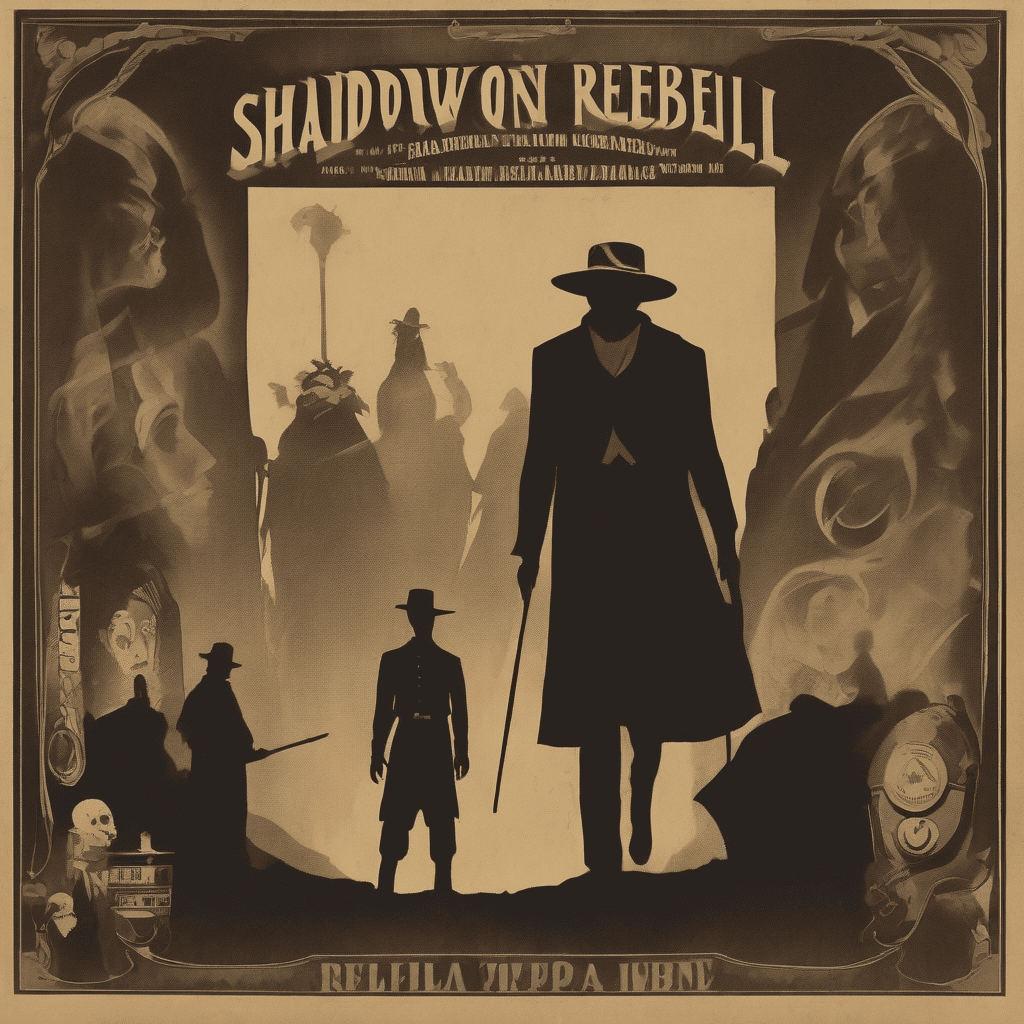
“Explore the deep, often overlooked origins of cult cinema, tracing its maverick spirit and transgressive heart through the unconventional narratives and daring aesthetics of early cinematic works that defied their era's mainstream.”
In the sprawling tapestry of film history, few phenomena captivate with the same fervent devotion as cult cinema. These are not merely films; they are experiences, rituals, shared secrets among a dedicated few. They defy mainstream sensibilities, often challenging taboos, subverting genres, and demanding active engagement from their audiences. While many associate cult films with midnight screenings of the 1970s or the avant-garde experiments of later decades, the truth is that the very maverick soul of cult cinema began flickering much earlier, in the nascent days of the medium itself. Long before the term ‘cult film’ existed, early filmmakers, often unknowingly, were laying the groundwork for what would become a global phenomenon, crafting unconventional visions that resonated with a select audience, sowing the seeds of niche devotion.
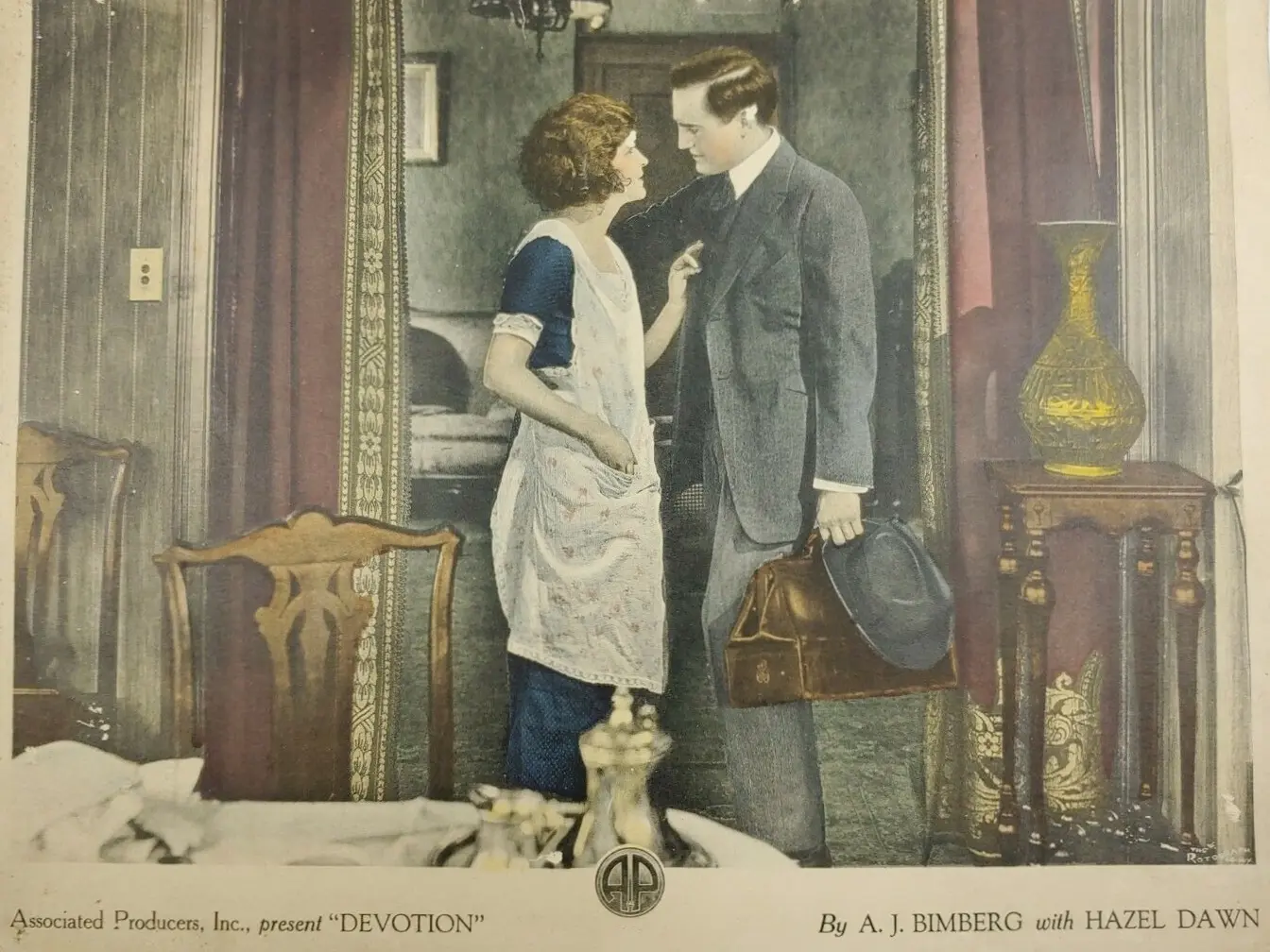
This deep dive into film history seeks to unearth the proto-cult elements embedded within early cinematic narratives. By examining the thematic daring, narrative experimentation, and character rebellions of films from the silent and early sound eras, we can trace a clear lineage to the beloved transgressive narratives and subversive storytelling that define cult cinema today. These were the forgotten narratives that, in their time, dared to be different, often overlooked by the masses but cherished by those who saw beyond the conventional.
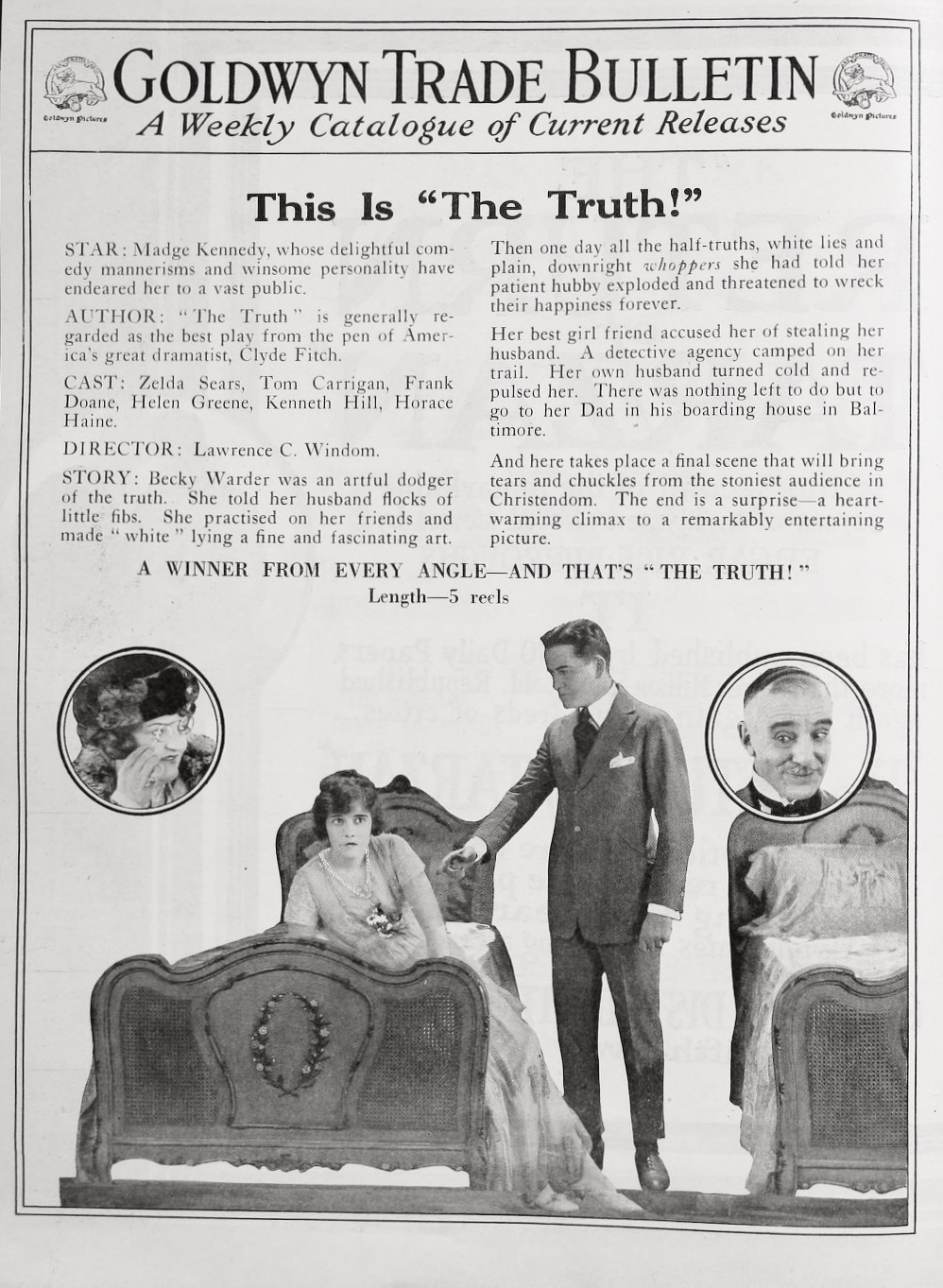
The Genesis of Transgression: Challenging Norms in Early Cinema
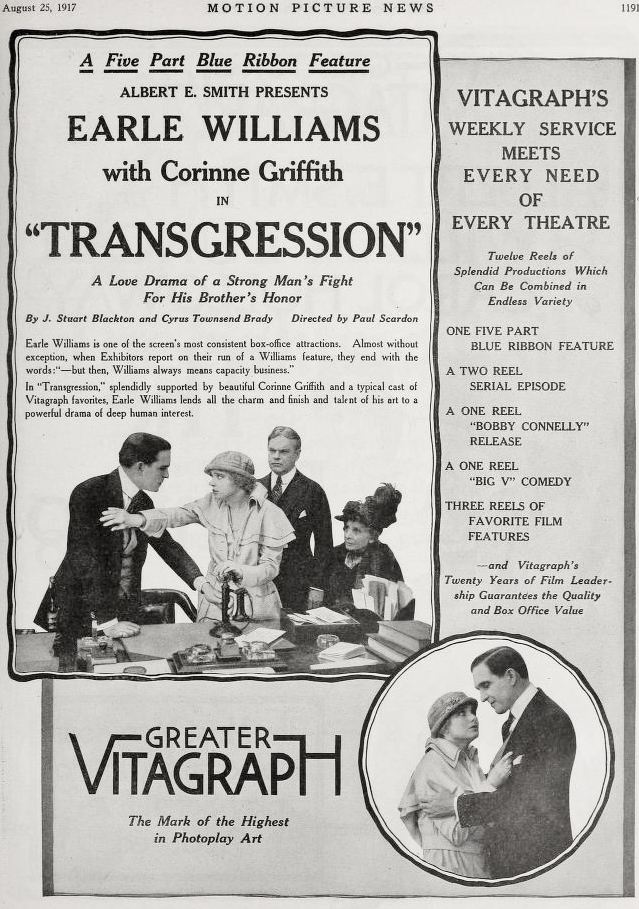
The very act of moving pictures was, in its infancy, a spectacle. But even as the novelty wore off, certain filmmakers began to push the boundaries of what was considered acceptable, both narratively and morally. Early dramas, for instance, frequently explored complex moral dilemmas, presenting characters grappling with choices that blurred the lines between right and wrong. Narratives about individuals with criminal pasts attempting to 'go straight' or those forced to confront their own dark deeds, challenged the simplistic morality often expected of the era. These films, far from being straightforward morality plays, injected ambiguity into their protagonists' journeys, asking audiences to empathize with figures who were far from perfect.
Similarly, social commentaries from the period often delved into the stark realities of urban struggle and class divides, portraying lives on the fringes of society with an unflinching gaze. Such films, depicting the harshness of poverty or the corrupting influence of wealth, offered a stark contrast to the escapist fantasies prevalent in other cinematic offerings. They tapped into a raw, often uncomfortable realism that, while perhaps not universally popular, resonated deeply with audiences seeking more than just entertainment – they sought reflection, even catharsis. This early embrace of grit and uncomfortable truths is a hallmark of what would become cult film aesthetics.

Rebels and Renegades: Characters Beyond Convention
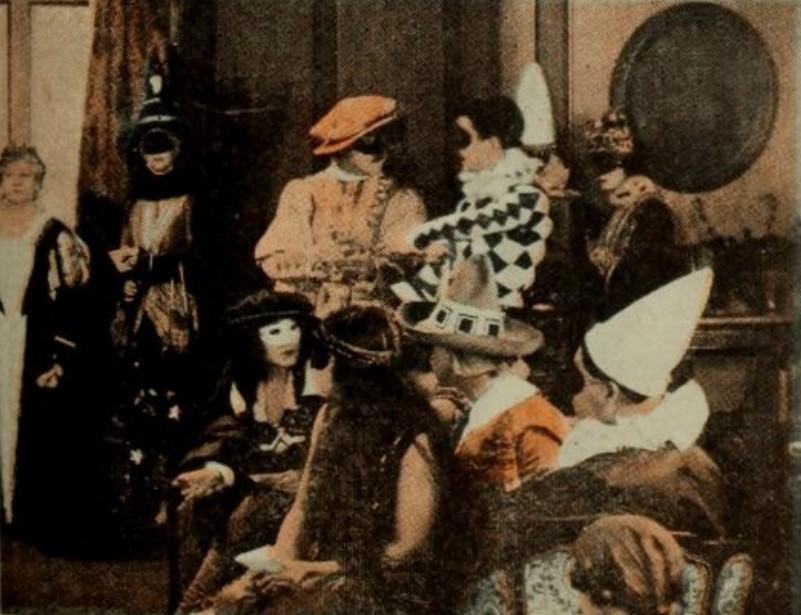
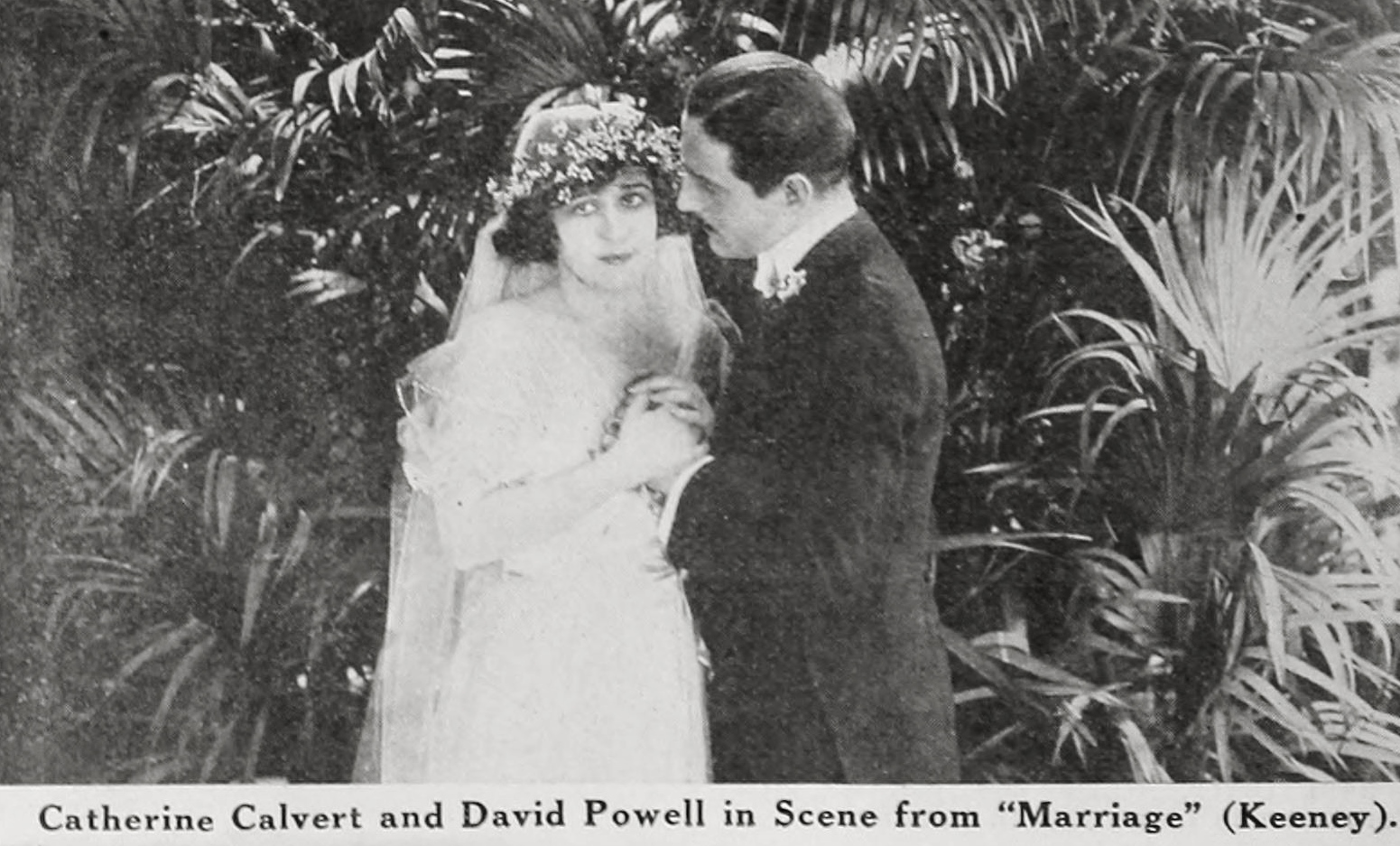
A defining characteristic of cult films is their embrace of the outsider, the rebel, the character who refuses to conform. This archetype is not a modern invention. Early cinema was replete with such figures. We saw women actively defying patriarchal norms, seeking independence, or navigating societal expectations in ways that were considered audacious for their time. Whether it was a socialite challenging gender roles in marriage, or sisters raised outside conventional society struggling to fit into a male-dominated world, these female protagonists embodied a spirit of defiance.
The Western genre, too, offered its share of maverick heroes – prospectors, lawmen, or even reformed outlaws seeking justice in untamed lands. These characters often operated outside established systems, driven by their own moral codes rather than strict adherence to the law. Their struggles with brutal fathers, corrupt figures, or personal demons added layers of complexity that transcended simple good-versus-evil narratives. Even comedies experimented with identity and deception, showcasing characters who used their wit and unconventional methods to navigate absurd situations, often leading to hilarious yet thought-provoking outcomes.

Aesthetic Dissent and Narrative Innovation
Beyond character and theme, the very cinematic language itself was a canvas for early subversive art. Filmmakers, still inventing the rules, often broke them. This era saw a vibrant experimentation with narrative structure, visual style, and thematic depth that laid the groundwork for future generations of independent cinema. Films exploring themes of mistaken identity, elaborate cons, or hidden secrets often employed intricate plotlines and clever misdirection, demanding a more engaged audience than typical fare.
Some early productions leaned into the allegorical, using fantastical or dreamlike elements to explore deeper psychological or philosophical ideas. Tales of good versus evil set on mysterious islands, or narratives inspired by classic literature, allowed for a departure from strict realism, opening doors to the surreal and the symbolic. This willingness to embrace the abstract and the unconventional is a direct precursor to the esoteric appeal of many cult classics.
The Power of the Unseen and Underrated
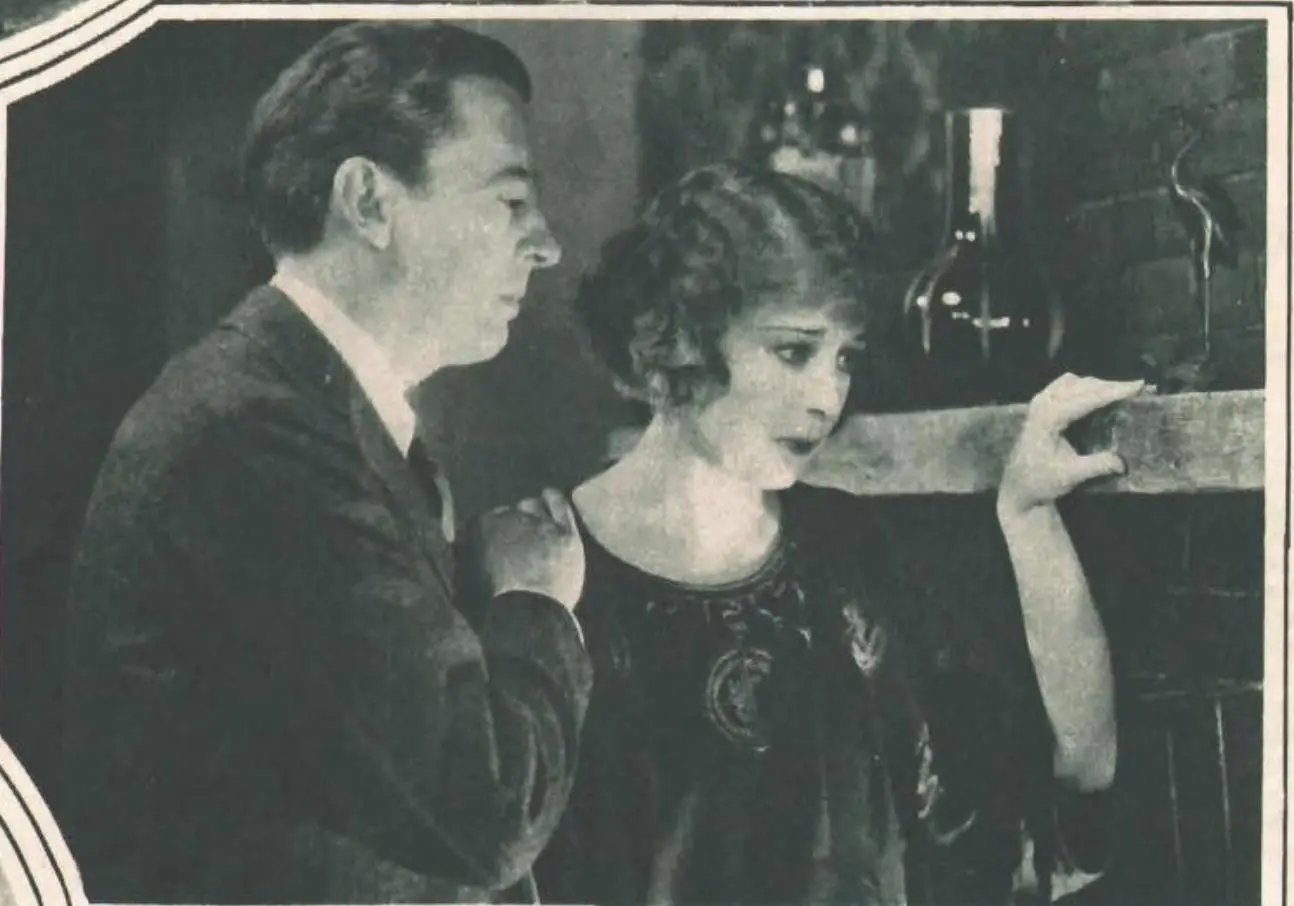
Many films from this foundational period, while perhaps not reaching blockbuster status in their day, possessed an undeniable creative spark. They might have been considered niche, too dark, too experimental, or simply ahead of their time. This is precisely the trajectory many cult films follow. They are often overlooked upon initial release, only to be rediscovered years or decades later by an appreciative audience who recognizes their unique brilliance. The silent era, in particular, is a treasure trove of such cinematic anomalies.
Consider the early mysteries that delved into the shadowy underworld of crime, or dramas that explored the complexities of racial identity and prejudice—themes that were often taboo or handled superficially in mainstream productions. These films dared to tackle sensitive subjects, sometimes with a raw intensity that shocked contemporary audiences but would later be seen as groundbreaking. Their unyielding legacy lies in their courage to explore the uncomfortable, to provoke thought, and to challenge viewers to look beyond the surface.
Forging Fandom: The Audience's Role in Cult Creation
The concept of a 'cult' around a film isn't solely about the film itself; it's about the audience's response. From the earliest days, certain films, by virtue of their distinctiveness or controversial nature, fostered intense discussions and repeat viewings among specific groups. Whether it was a melodrama that tugged at specific emotional chords, or a gripping action-adventure series that kept audiences returning for each new episode, the seeds of dedicated fandom were being sown.
The shared experience of witnessing something truly unique, something that spoke to a particular sensibility, is fundamental to cult film appeal. Early audiences, navigating a new art form, were perhaps more open to narrative quirks and visual experimentation. The films that stood out, that left a lasting impression, were those that broke the mold. These were the films that sparked conversations, inspired imitation, and perhaps even created a sense of belonging among those who appreciated their distinct voice.
Echoes of the Underground: Themes That Endure
The thematic concerns of early cinema often mirror the enduring appeal of modern cult classics. The fascination with the grotesque, the exploration of forbidden desires, the critique of societal hypocrisy – these are not recent developments. Early films, sometimes through allegorical means, sometimes through sensationalized drama, touched upon these very human obsessions. Narratives about deceit, revenge, and the dark side of human nature, presented with a certain boldness, found their own appreciative niche.
The struggle for identity, the quest for personal freedom against oppressive forces, and the exploration of psychological turmoil were all present in the early cinematic landscape. These universal themes, when presented through a unique or challenging lens, inherently possess the potential for cult adoration. They speak to the parts of us that feel marginalized, that question authority, or that simply seek something beyond the ordinary. This resonance across generations is what truly elevates a film to cult status, proving that the human appetite for the unconventional is timeless.
The Enduring Legacy of the Maverick Flicker
To understand the vibrant, diverse world of cult cinema today, we must look beyond the obvious touchstones and delve into its foundational roots. The films of the early 20th century, often dismissed as primitive or merely historical curiosities, were in fact crucial laboratories for subversive filmmaking. They experimented with narrative, pushed moral boundaries, introduced complex characters, and fostered nascent forms of dedicated viewership.
From silent era dramas that dared to depict the grim realities of social injustice, to westerns that explored nuanced concepts of frontier justice, and comedies that reveled in mistaken identities and societal critiques, these films collectively formed a rich cinematic underground. They were the unseen current, flowing beneath the mainstream, shaping the very language of film and preparing audiences for the more overt transgressions that would define cult cinema in later decades. The maverick spirit was always there, a flicker in the nascent celluloid, waiting to ignite into the passionate flames of cult fandom.
The enduring allure of cult cinema is thus not a sudden phenomenon but a gradual evolution, nurtured by generations of filmmakers and audiences willing to embrace the unorthodox. It is a testament to the power of film to transcend its initial reception and find its true tribe, often years or decades after its creation. The forgotten narratives of early cinema, with their audacious themes and pioneering spirit, are the unsung hymns in the grand, rebellious symphony of cult film history, reminding us that true cinematic innovation often begins at the fringes.
Community
Comments
Log in to comment.
Loading comments…