
Curated Collection
The Spectral Conscience: Early Cinema's Moral Hauntings
Delve into the shadowy corners of early cinema where moral transgressions breed psychological torment and spectral retribution. This collection unearths the silent era's most unsettling tales of guilt, obsession, and the haunting consequences of unseen sins.
20 films in this collection
In the nascent years of cinema, as the flickering images began to coalesce into coherent narratives, filmmakers quickly discovered the profound power of the moving picture to explore not just external events, but the tumultuous landscape of the human mind. 'The Spectral Conscience: Early Cinema's Moral Hauntings' invites cinephiles to journey into a fascinating, often unsettling, period where silent films masterfully depicted internal struggles, hidden guilt, and the eerie specter of moral reckoning. This collection shines a light on the 1910s, a pivotal decade where cinema transcended mere novelty to become a potent medium for psychological drama, proto-horror, and profound moral inquiry.
The Dawn of Internal Conflict: Beyond Melodrama
While the silent era is often associated with broad gestures and overt melodrama, a significant current within its output sought to plumb deeper psychological depths. As the world reeled from rapid industrialization, social change, and the looming shadow of global conflict, anxieties permeated society. Early filmmakers, often drawing from literature and theatre, found innovative ways to visualize the invisible – thoughts, fears, and the crushing weight of a guilty conscience. They explored characters tormented by their past actions, by forbidden desires, or by the sheer dread of the unknown, giving birth to a unique form of cinematic haunting that was both psychological and, at times, overtly supernatural.
These films, made between roughly 1910 and 1917, often relied on sophisticated visual storytelling. Without dialogue, directors and actors had to convey complex emotions and internal states through expression, body language, symbolic mise-en-scène, and nascent cinematic techniques like close-ups, parallel editing, and atmospheric lighting. The result was a powerful, often dreamlike quality, perfectly suited to exploring the subconscious and the spectral.
Crime, Guilt, and Retribution: The Avenging Shadow
A recurring theme in this collection is the inescapable grip of guilt following a transgression. The criminal act itself was often less important than its psychological aftermath, with the 'punishment' frequently manifesting as internal torment or a relentless, unseen force. D.W. Griffith's seminal The Avenging Conscience: or 'Thou Shalt Not Kill' (1914) stands as a prime example. This early psychological horror film, inspired by Edgar Allan Poe, depicts a young man driven to madness by guilt after murdering his uncle. Griffith employs phantasmagoric visions, spectral apparitions, and a relentless sense of dread to illustrate the protagonist's unraveling mind, making the conscience itself the most terrifying avenger.
Other films like The Hand of Peril (1916) and The Way Back (1915) delve into the intricate web of crime and its consequences, not just legally but morally. These narratives often explore how hidden secrets fester, leading characters down paths of paranoia, deception, and ultimately, self-destruction. The 'peril' or the 'way back' is often a journey through a labyrinth of one's own making, where past sins cast long, foreboding shadows.
Mysteries of the Mind (and Beyond): The Unseen Realms
The collection also delves into films that embraced the uncanny and the supernatural to represent deeper psychological states or societal fears. The Mysteries of Myra (1916), a fascinating American serial, plunges into the world of occultism, psychic phenomena, and ancient secrets. Here, the 'haunting' is less about a moral conscience and more about an unseen, mystical force at play, blurring the lines between reality and the supernatural, challenging rational explanations and tapping into primal fears of the unknown.
From Europe, films like Germany's Fear (1917) hint at the emerging Expressionist movement, using stark visuals and psychological intensity to depict a world distorted by apprehension and dread. Denmark's eerie The Isle of the Dead (1913) evokes a sense of fatalism and isolation, where characters are trapped by circumstances and perhaps by their own inner demons, creating an atmosphere of quiet, pervasive horror. These films illustrate how the supernatural could be a metaphor for psychological distress, or a literal manifestation of a world beyond human comprehension.
Social Taboos and Inner Turmoil: The Weight of Society
Beyond explicit crime or the supernatural, many films of this era explored the 'hauntings' of social taboos and moral transgressions in a more realistic, yet equally compelling, manner. Films like Damaged Goods (1914), a controversial American film addressing venereal disease, or Denmark's The Folly of Sin (1915), directly tackled societal ills and their personal cost. While not 'spectral' in the ghostly sense, the shame, ostracization, and internal suffering depicted in these films constitute a profound moral haunting, where characters are tormented by societal judgment and their own perceived failings.
Purity (1916) further exemplifies this, exploring themes of moral corruption and redemption. These narratives often served as cautionary tales, reflecting contemporary anxieties about morality, public health, and the erosion of traditional values, using the cinematic medium to amplify the personal anguish of those caught in society's unforgiving gaze.
The Legacy of the Spectral Conscience
The films in 'The Spectral Conscience: Early Cinema's Moral Hauntings' are more than historical curiosities; they are foundational texts in the development of psychological cinema. They demonstrate the silent film's remarkable capacity to convey complex inner worlds without a single spoken word, relying instead on the evocative power of imagery, performance, and nascent editing techniques. These early explorations of guilt, obsession, dread, and moral reckoning paved the way for future genres like film noir, psychological thrillers, and horror, proving that the most terrifying specters often reside not in haunted houses, but within the human mind.
For modern cinephiles, this collection offers a unique opportunity to appreciate the sophistication and daring of early filmmakers who, with limited technology, managed to craft narratives that continue to resonate with our deepest fears and moral dilemmas. Prepare to be haunted by the unseen, the unspoken, and the unforgettable conscience of early cinema.
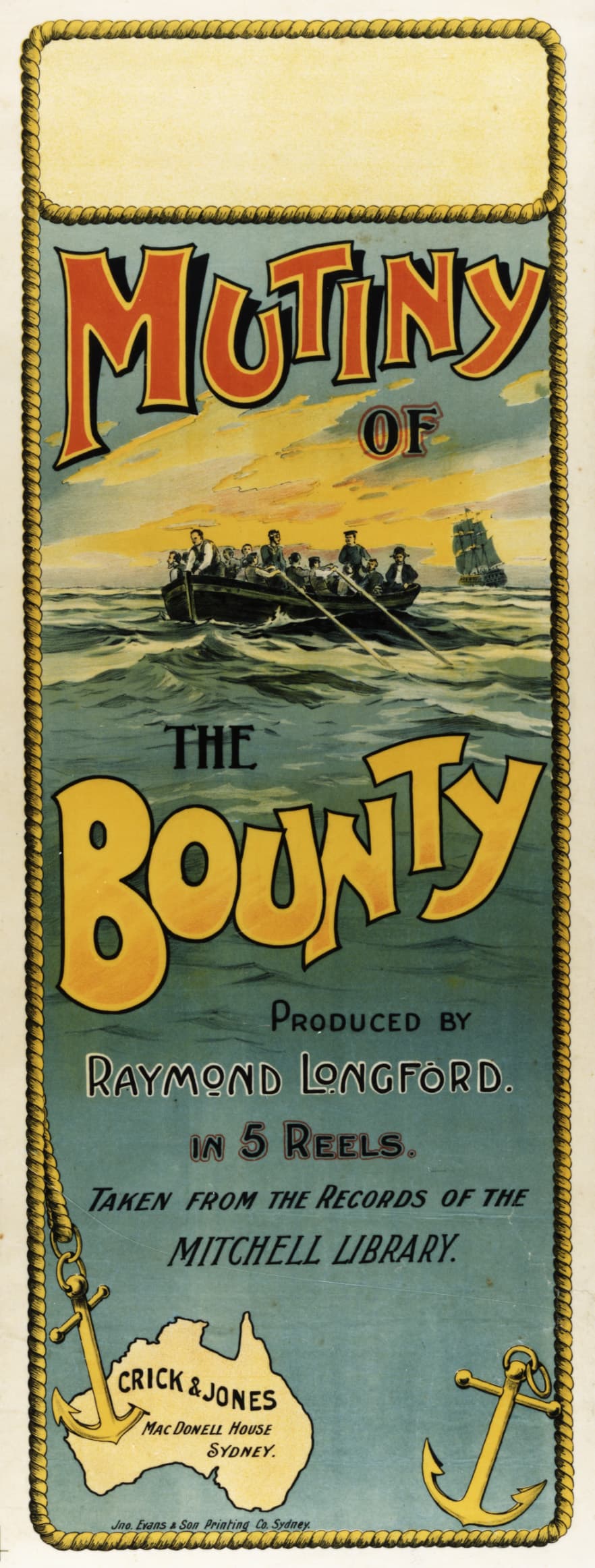
The Mutiny of the Bounty
Raymond Longford
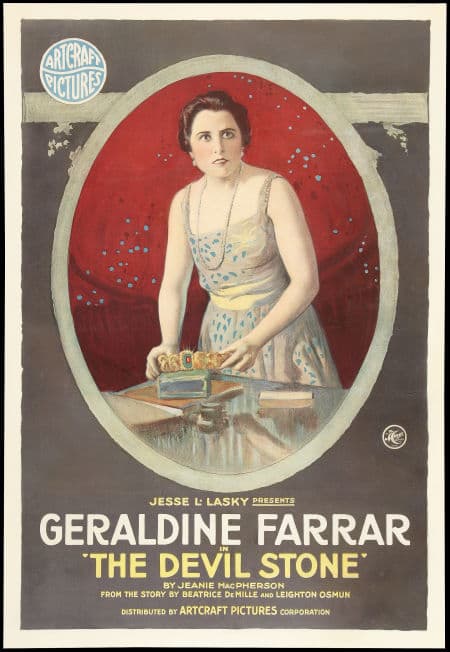
The Devil-Stone
Cecil B. DeMille
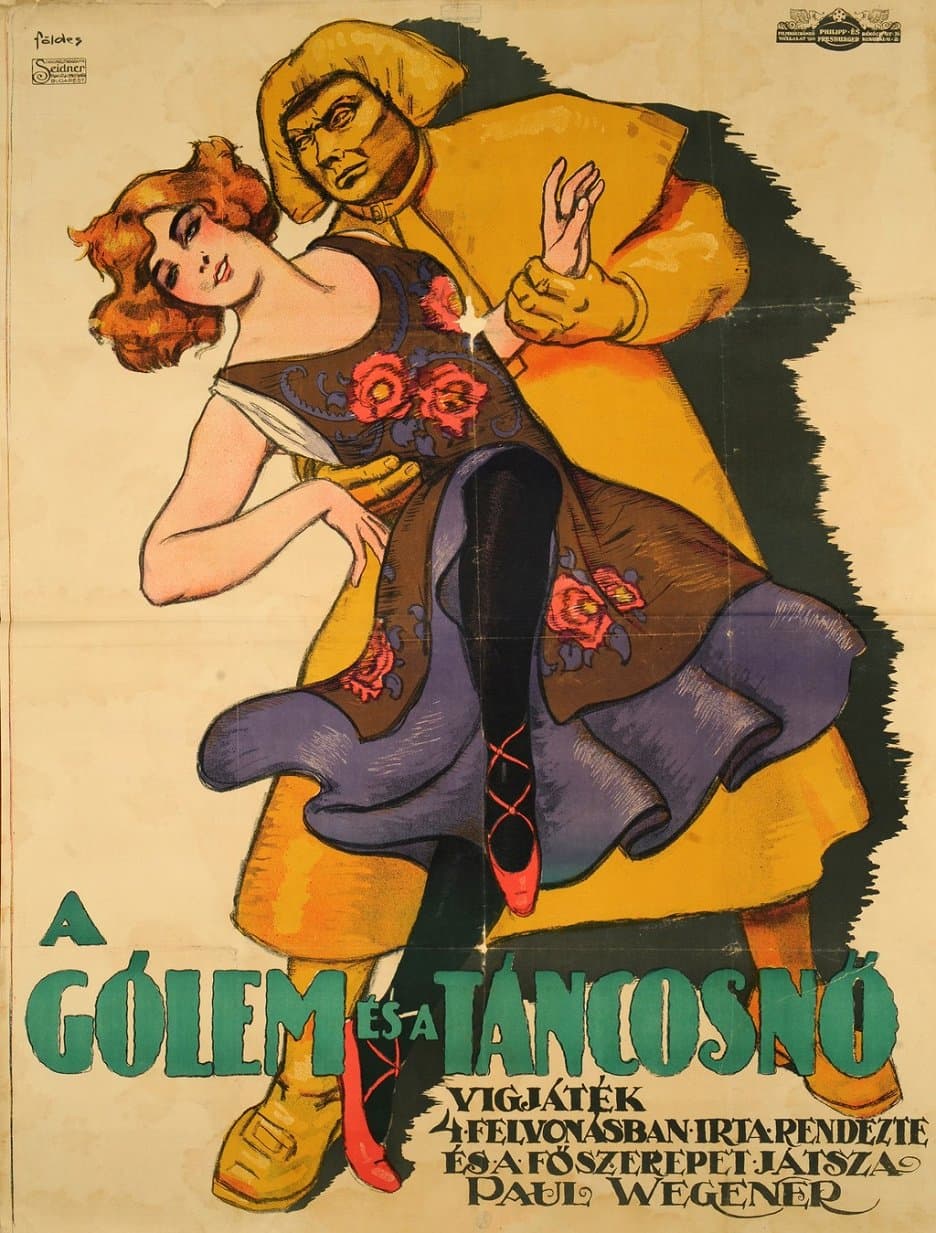
The Golem and the Dancing Girl
Paul Wegener
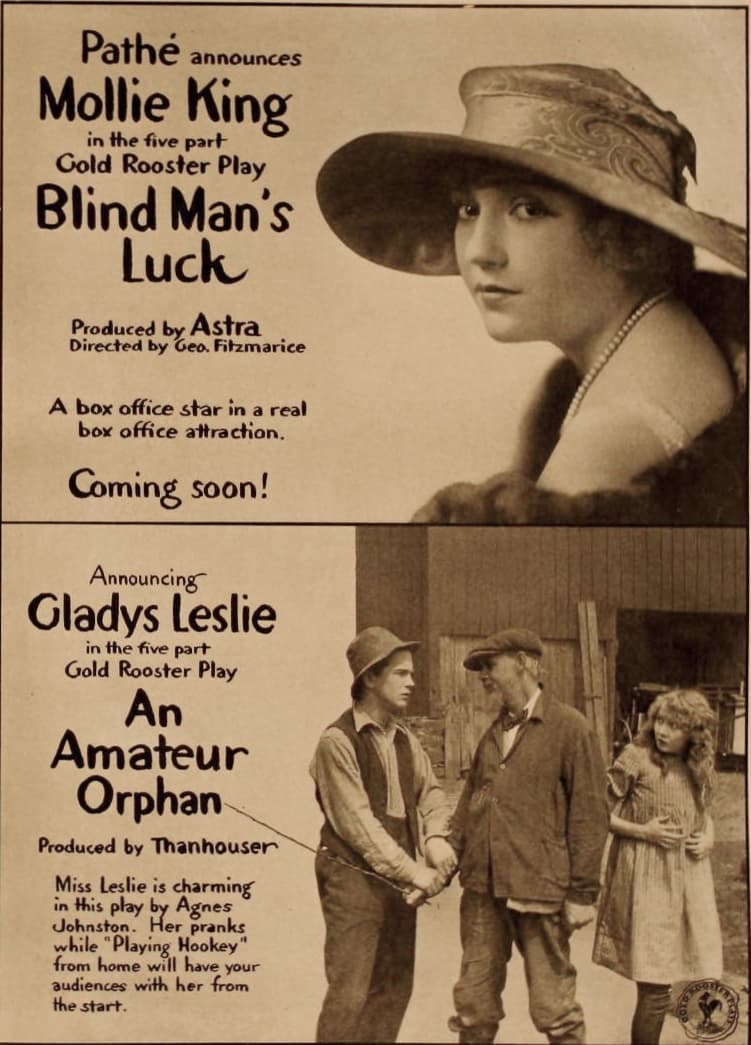
Blind Man's Luck
George Fitzmaurice
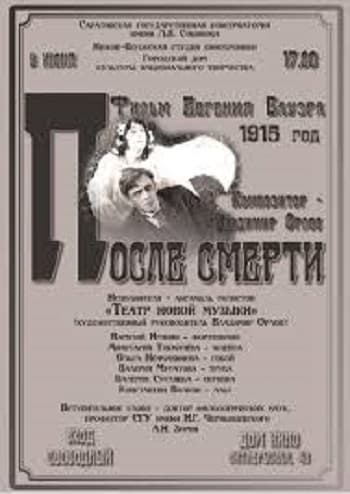
After Death
Yevgeny Bauer
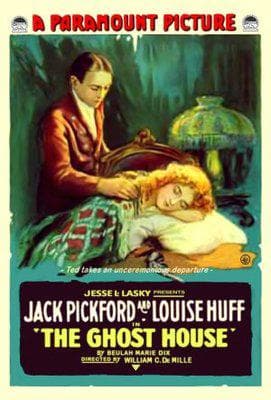
The Ghost House
William C. de Mille
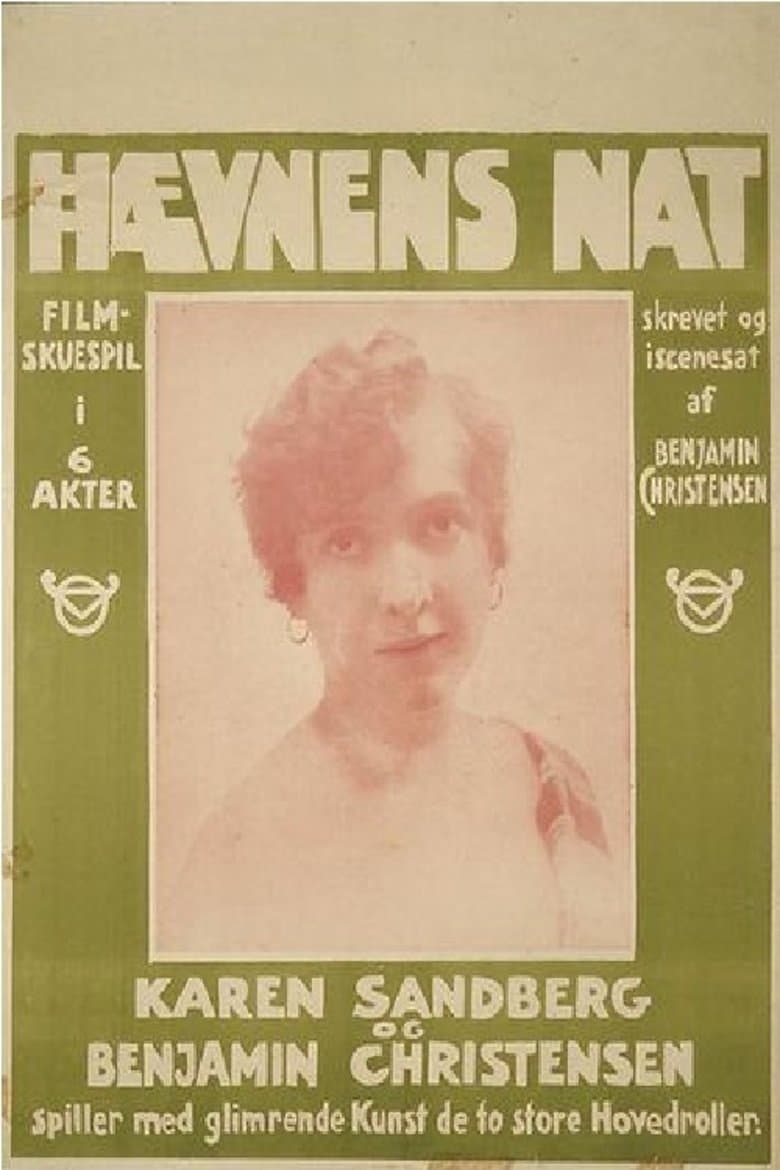
Blind Justice
Benjamin Christensen
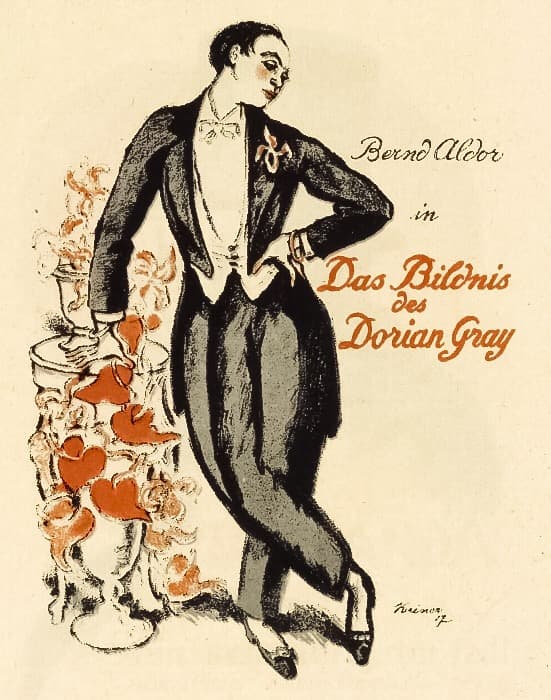
Das Bildnis des Dorian Gray
Richard Oswald
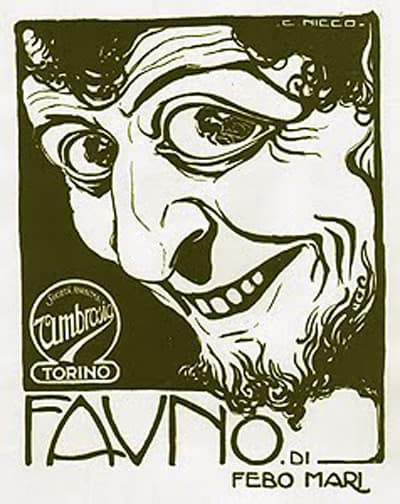
Il Fauno
Febo Mari
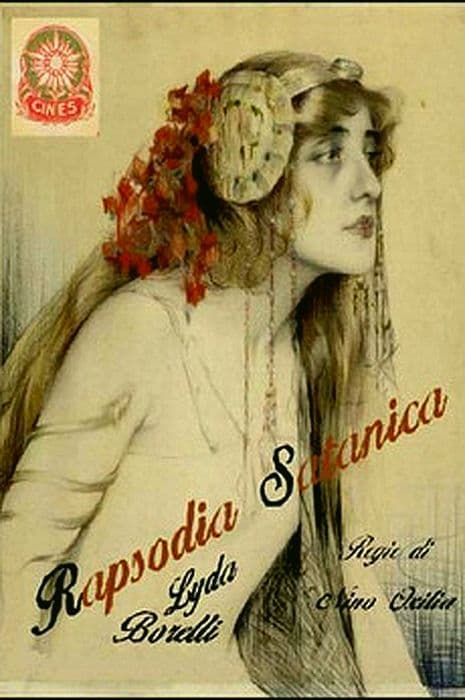
Satan's Rhapsody
Nino Oxilia
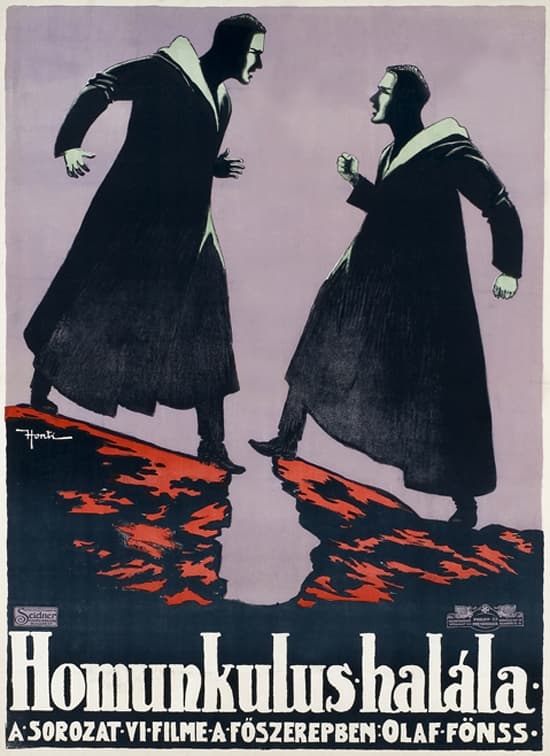
Homunculus
Otto Rippert
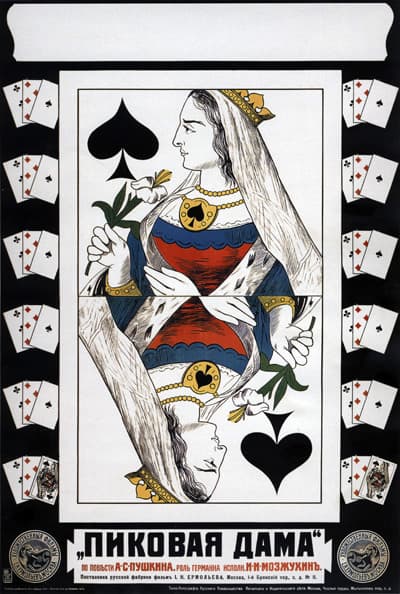
Queen of Spades
Yakov Protazanov
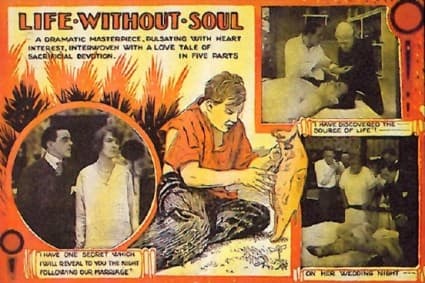
Life Without Soul
Joseph W. Smiley
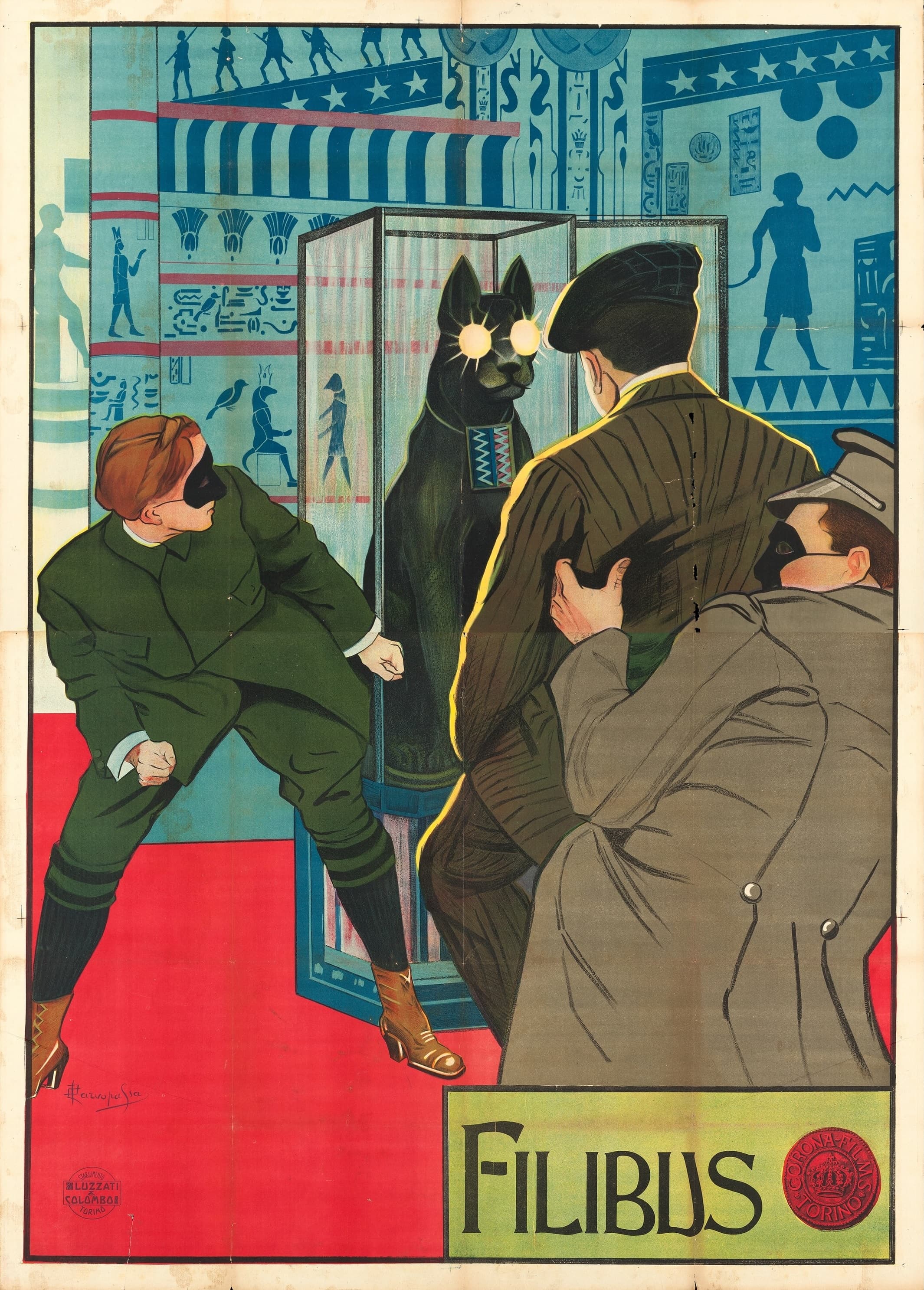
Filibus
Mario Roncoroni
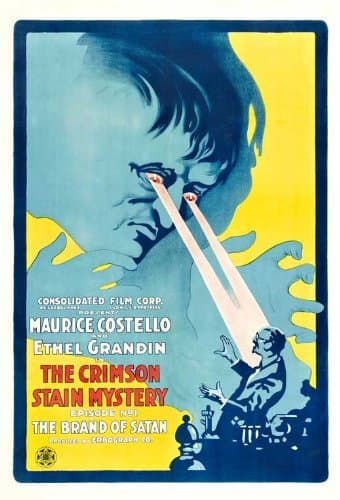
The Crimson Stain Mystery
T. Hayes Hunter
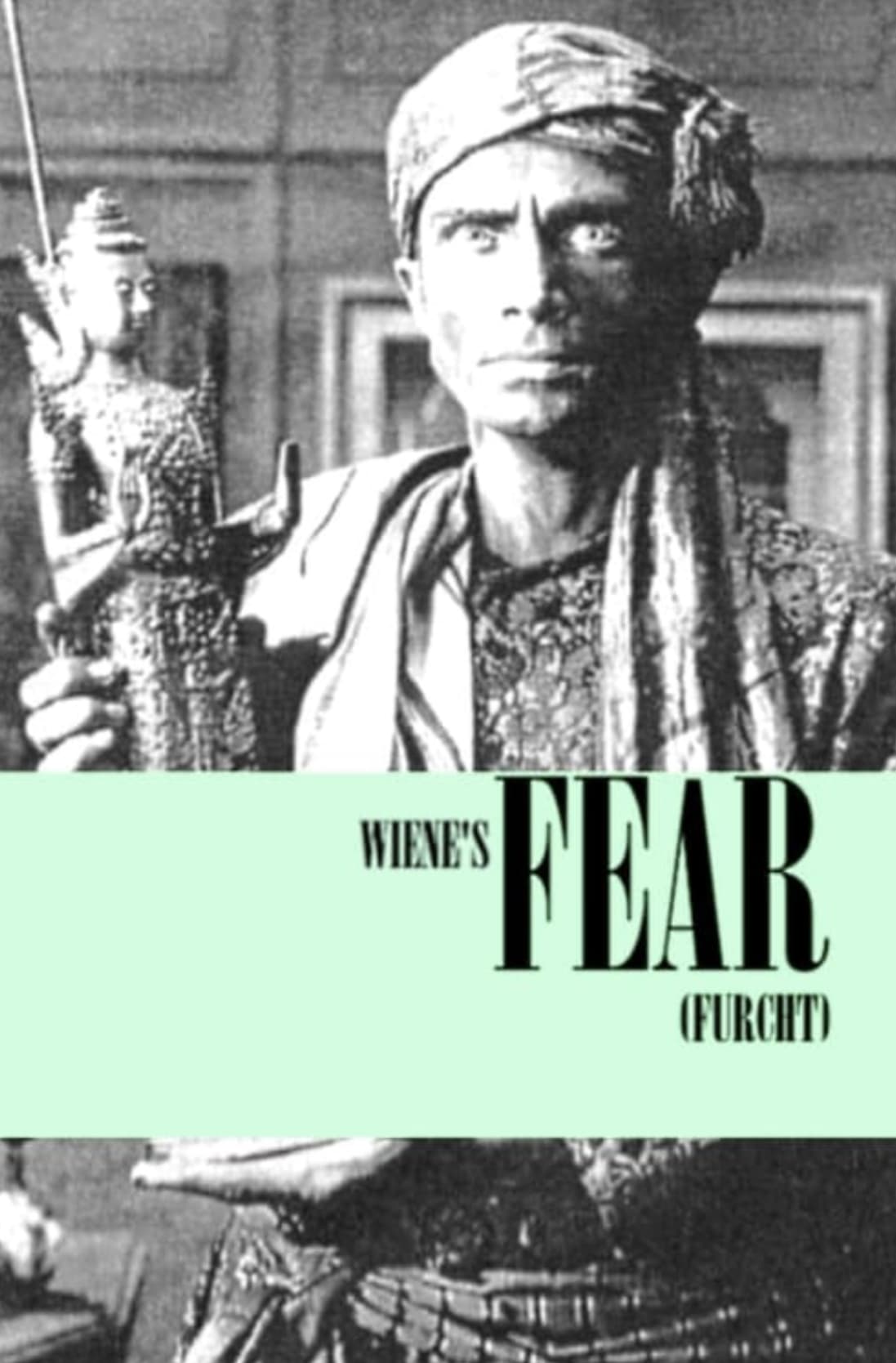
Fear
Robert Wiene
Kiss of Death
Victor Sjöström
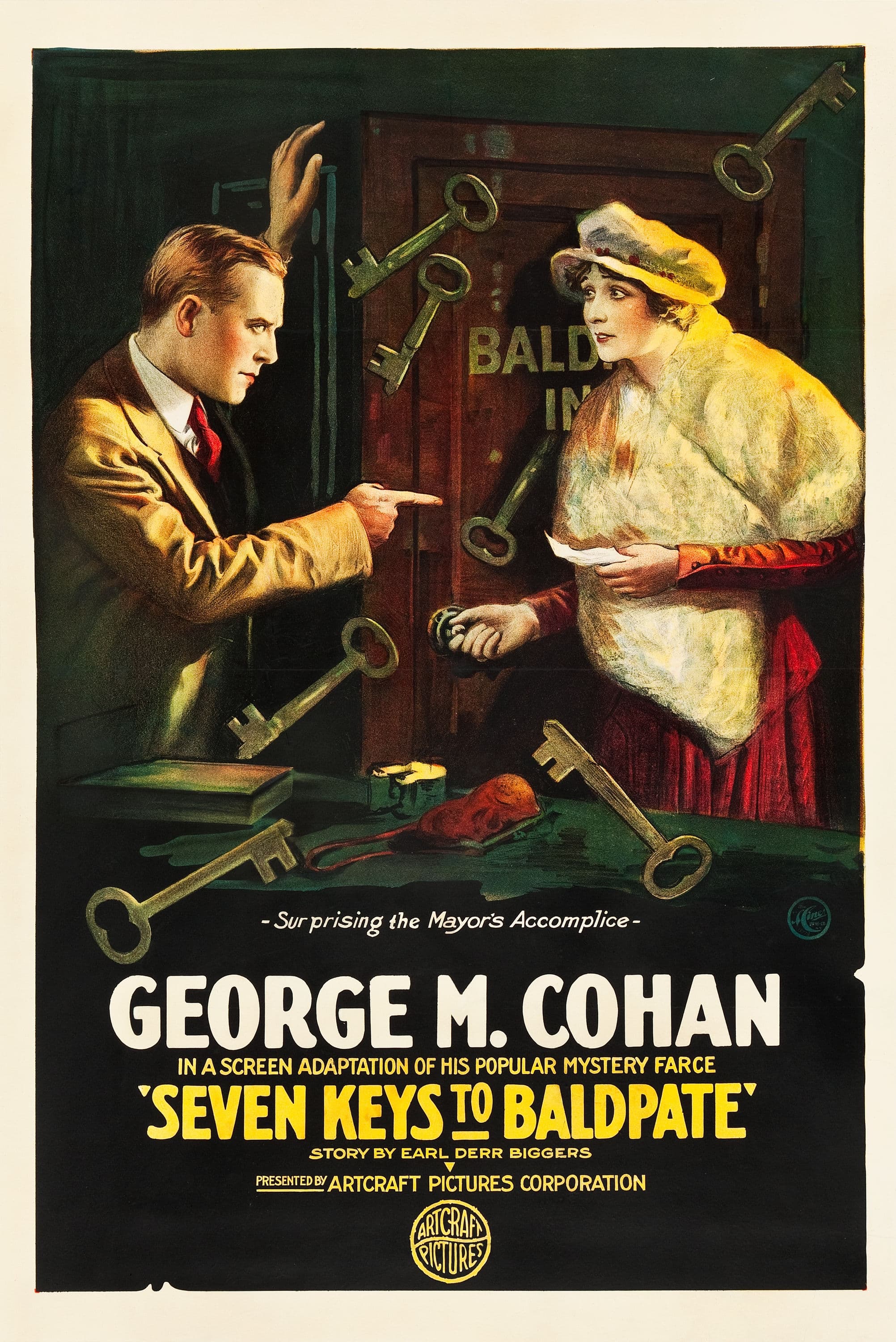
Seven Keys to Baldpate
Hugh Ford
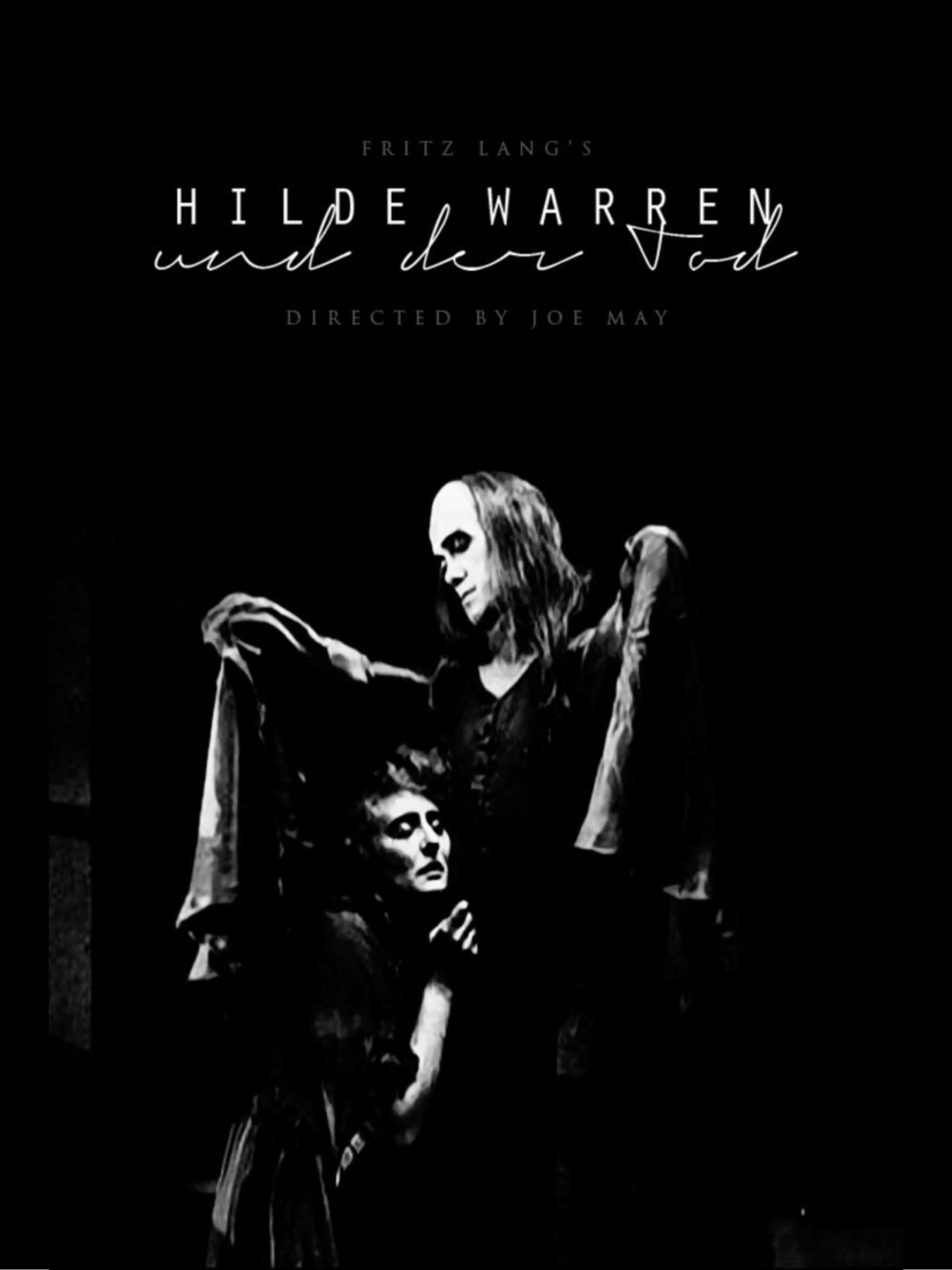
Hilde Warren und der Tod
Joe May
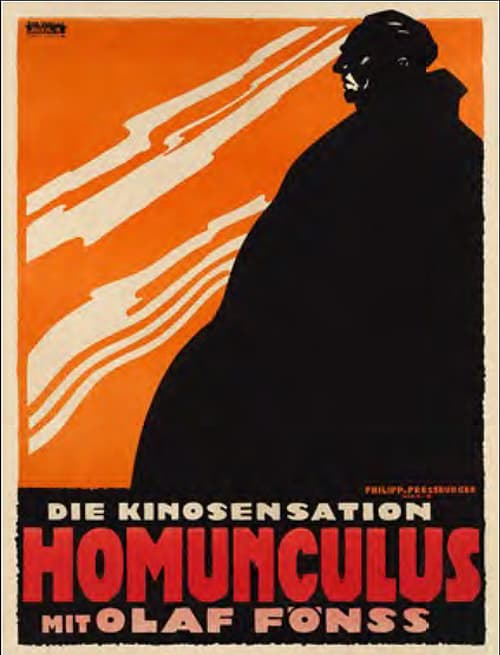
Homunculus, 1. Teil
Otto Rippert