
Curated Collection
The Unveiling Gaze: Silent Cinema's Hidden Histories
Delve into the silent era's captivating dramas of concealed identities, forgotten crimes, and the relentless pursuit of truth in a world shrouded in secrets.
20 films in this collection
The Unveiling Gaze: Silent Cinema's Hidden Histories
Before the spoken word graced the silver screen, filmmakers mastered the art of visual storytelling, weaving intricate tapestries of human experience. Among the most compelling narratives that captivated early audiences were those of hidden histories, veiled identities, and the relentless pursuit of truth in a world often shrouded in deception. This collection, 'The Unveiling Gaze,' invites you to explore the silent era's profound fascination with what lies beneath the surface – the secrets that haunt, the pasts that refuse to stay buried, and the dramatic revelations that shaped destinies.
The early 20th century was a period of immense social change, rapid industrialization, and evolving moral landscapes. As societies grappled with new complexities, so too did their art reflect a burgeoning anxiety about identity, class, and the fragility of reputation. Silent cinema, with its reliance on expressive acting, evocative mise-en-scène, and dynamic editing, proved to be the perfect medium for exploring these subterranean currents of human nature. The absence of dialogue amplified the power of visual clues, turning audiences into active participants in the unraveling of mysteries, making every gesture, every shadow, and every lingering glance a potential key to a concealed truth.
The Art of Concealment and Revelation
At the heart of 'The Unveiling Gaze' lies the fundamental dramatic tension between what is known and what is hidden. These films masterfully exploited the visual grammar of silence to build suspense and deliver shocking revelations. A close-up on a trembling hand, a flashback sequence revealing a past transgression, a coded message discovered by chance – these were the tools used to draw viewers deeper into narratives where secrets held immense power. The stakes were often high: reputation, fortune, love, and even life itself hung in the balance as characters navigated webs of deceit. Whether it was a long-lost heir, a criminal living under an assumed identity, or a dark family secret threatening to erupt, the silent screen made the act of discovery a profoundly cinematic experience.
Characters in the Shadows: Archetypes of Secrecy
The collection features a rich array of character archetypes central to these narratives of hidden truths. There is the mysterious stranger, whose enigmatic past casts a long shadow over their present; the woman with a past, often a victim of circumstance or societal judgment, whose former life threatens to destroy her newfound happiness; the relentless detective or amateur sleuth, driven by an unwavering commitment to justice; and the villain, whose meticulously constructed facade crumbles under the weight of their own misdeeds. Films of this era often explored the psychological toll of living a lie, or the moral complexities faced by those who uncover uncomfortable truths. The audience's empathy was often directed towards characters struggling to reconcile their present selves with the ghosts of their past, or those fighting against powerful forces determined to keep secrets buried.
Global Echoes: Secrecy Across Borders
While the themes of hidden histories and veiled truths resonated universally, their cinematic expressions varied across different national film industries. In American cinema, the theme often manifested in melodramas that exposed social hypocrisy or crime thrillers where urban anonymity allowed for dual lives. European cinema, particularly German and French productions, delved deeper into psychological intricacies, often exploring the internal struggles of characters haunted by their pasts or caught in labyrinthine conspiracies. Serials, a popular format of the time, were particularly adept at prolonging the suspense of a secret identity or an ongoing hidden plot, keeping audiences returning week after week for the next installment of revelation.
Consider films where a character's true identity is a central mystery, such as 'Der Andere' (The Other) which delves into a dual identity, or crime dramas like 'Der Fall Dombronowska...!' (The Dombronowska Case...!) and 'L'assassino del corriere di Lione' (The Assassin of the Lyon Courier), where the truth behind a crime is meticulously unearthed. Many dramas, like 'Lady Audley's Secret' or 'The Scarlet Letter', explore the societal consequences of hidden transgressions, often focusing on female protagonists whose pasts are judged by rigid moral codes. Even Westerns or adventure films, like 'The Return of Draw Egan' or serials such as 'The Romance of Elaine', often hinged on characters with concealed backgrounds or secret missions, adding layers of intrigue to their heroic journeys.
The Enduring Legacy of Unveiled Truths
'The Unveiling Gaze' offers a fascinating glimpse into the nascent stages of cinematic storytelling, where fundamental narrative techniques for suspense, character development, and plot twists were being innovated. These early films laid crucial groundwork for genres that would flourish in later decades, from film noir and psychological thrillers to espionage dramas and legal procedurals. The silent era's preoccupation with hidden truths speaks to a timeless human fascination with secrets – the desire to uncover them, the fear of their exposure, and the dramatic impact they have on individual lives and society at large.
By immersing yourself in this collection, you will witness the compelling power of a cinema that, without uttering a single word, managed to articulate the deepest anxieties and most thrilling revelations of its time. Prepare to become a detective in your own right, piecing together visual clues and emotional performances to uncover the hidden histories that defined a captivating era of film.
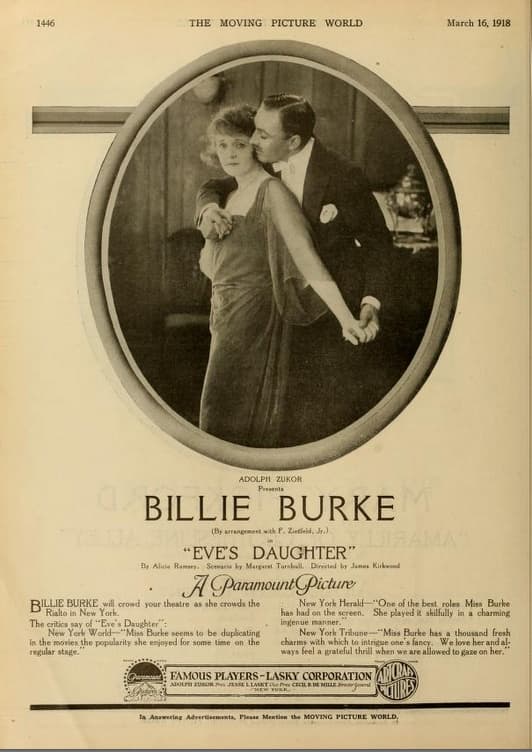
Eve's Daughter
James Kirkwood
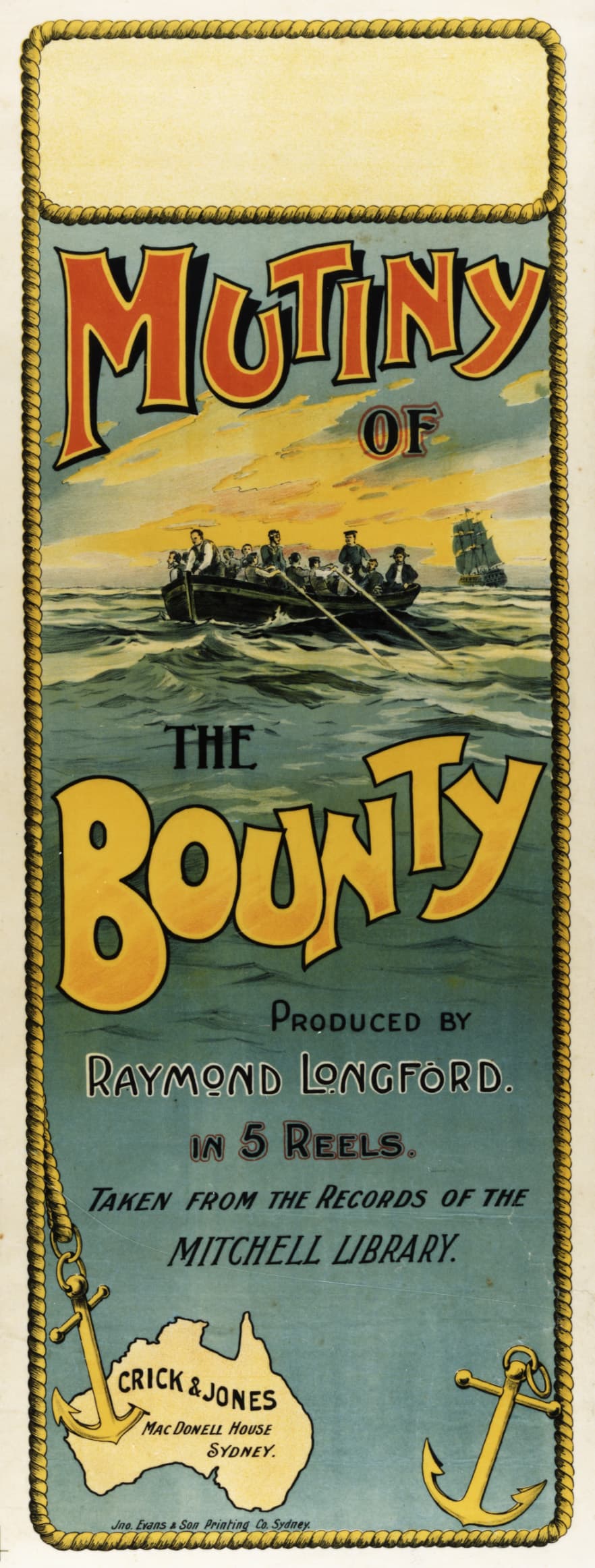
The Mutiny of the Bounty
Raymond Longford
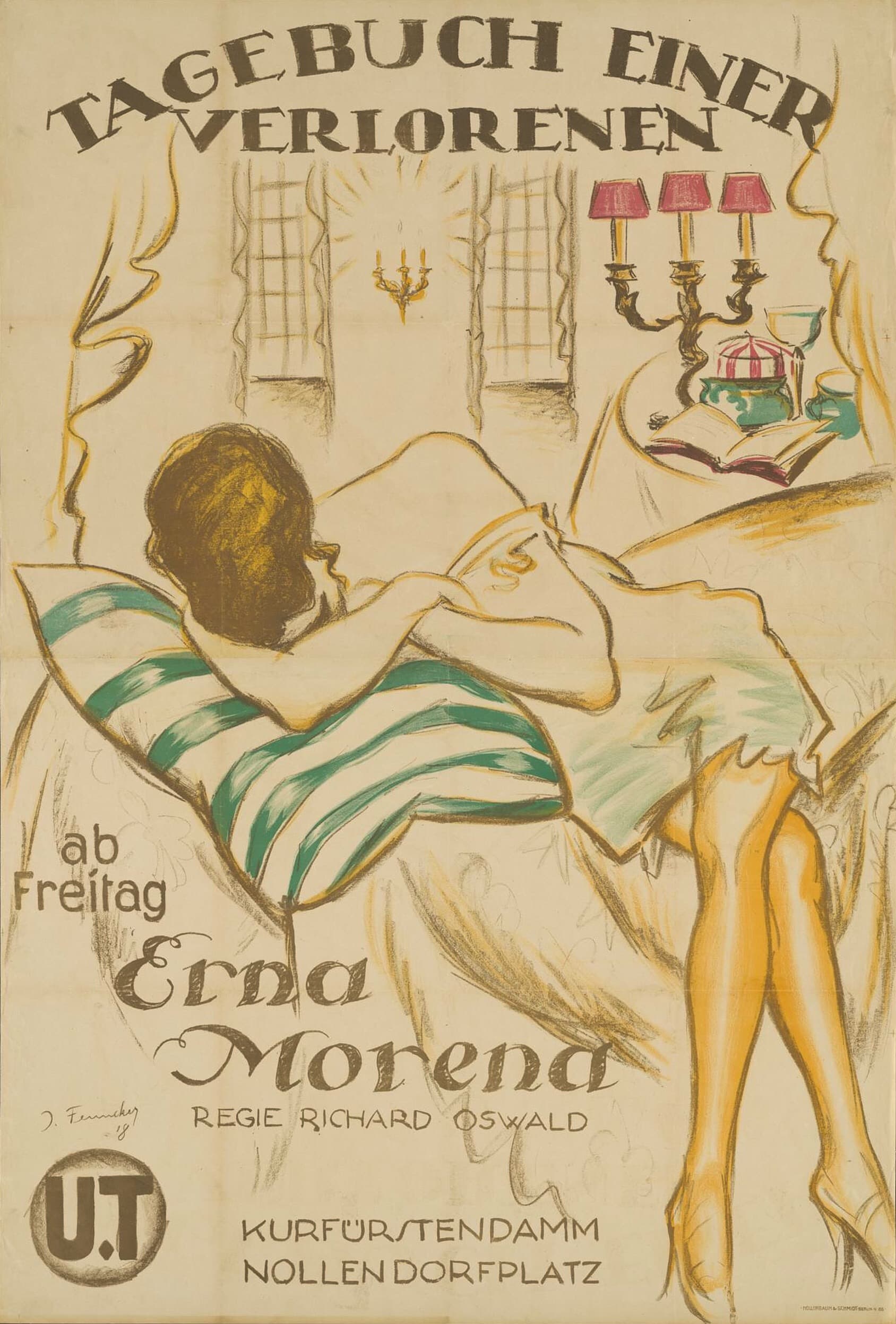
Das Tagebuch einer Verlorenen
Richard Oswald
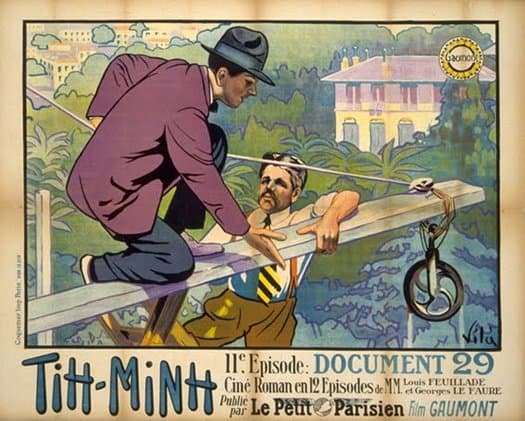
Tih Minh
Louis Feuillade
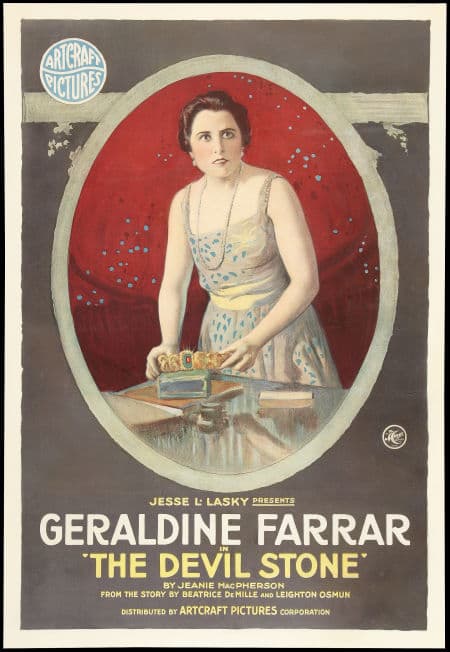
The Devil-Stone
Cecil B. DeMille
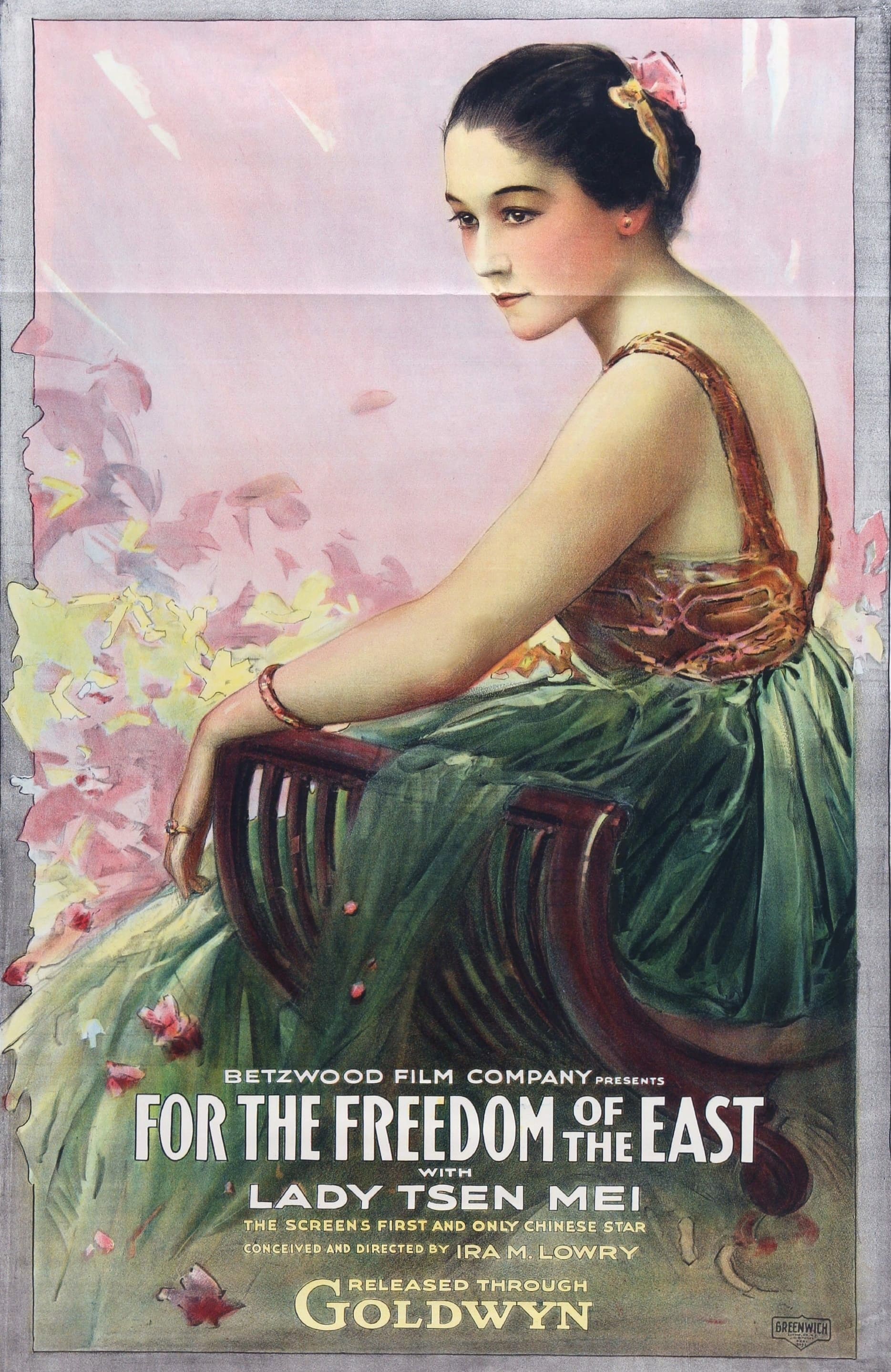
For the Freedom of the East
Ira M. Lowry
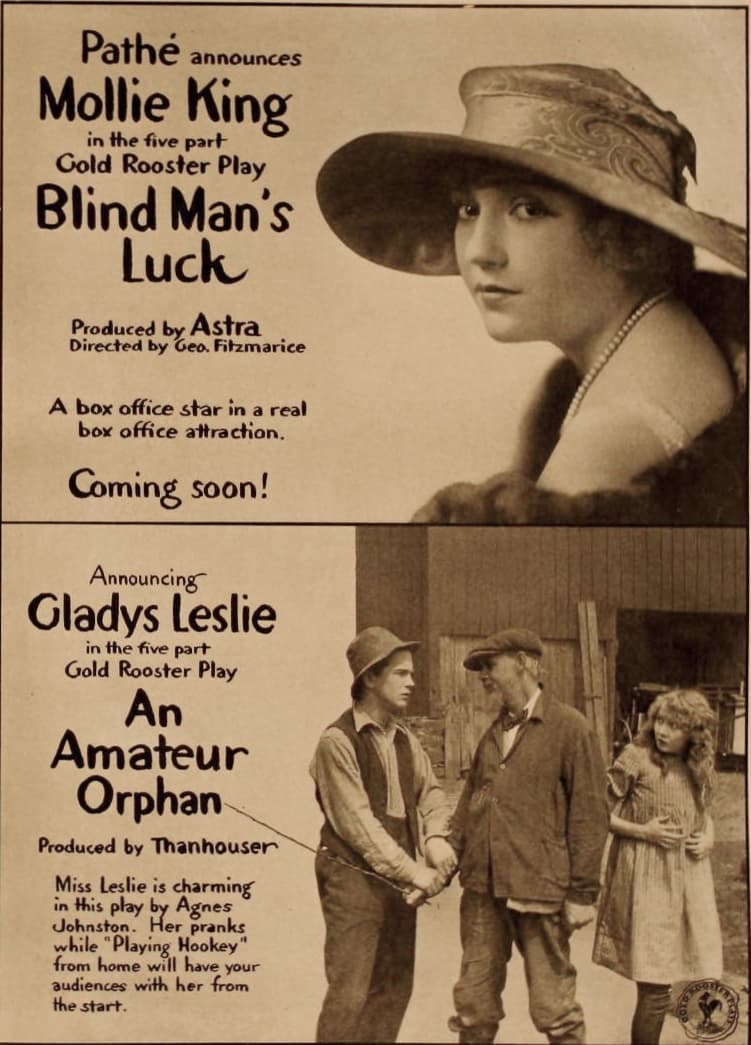
Blind Man's Luck
George Fitzmaurice
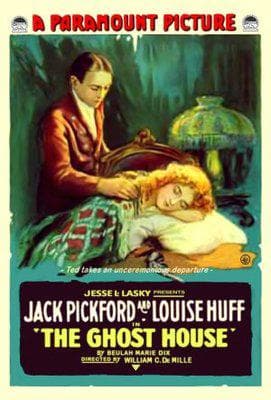
The Ghost House
William C. de Mille
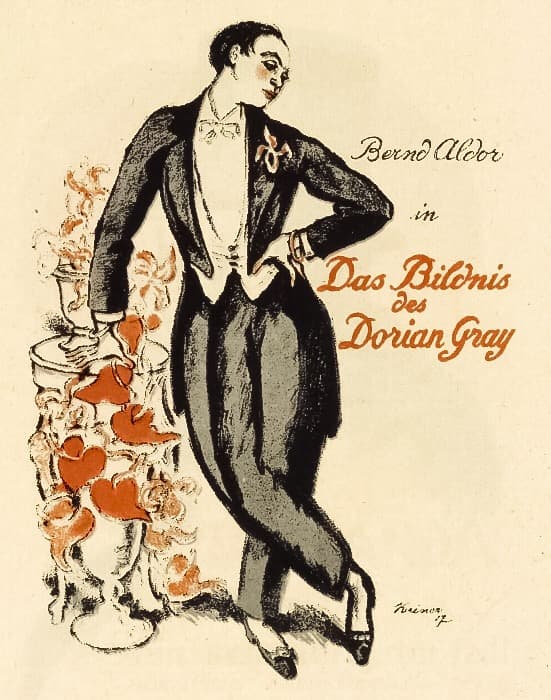
Das Bildnis des Dorian Gray
Richard Oswald
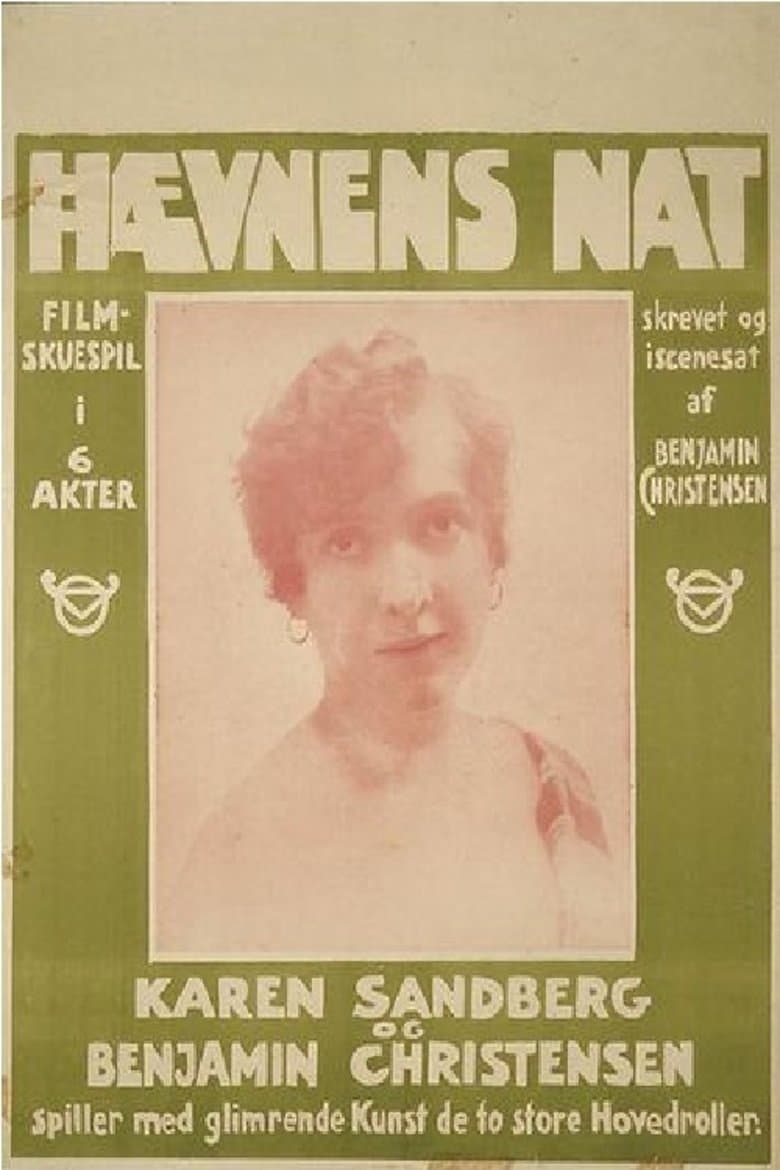
Blind Justice
Benjamin Christensen
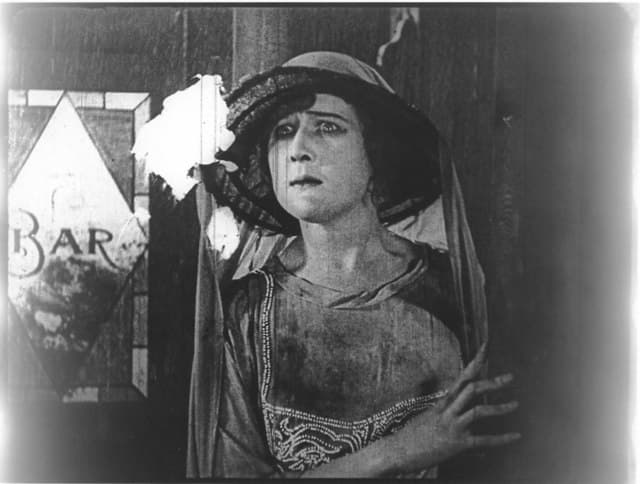
Bread
Ida May Park
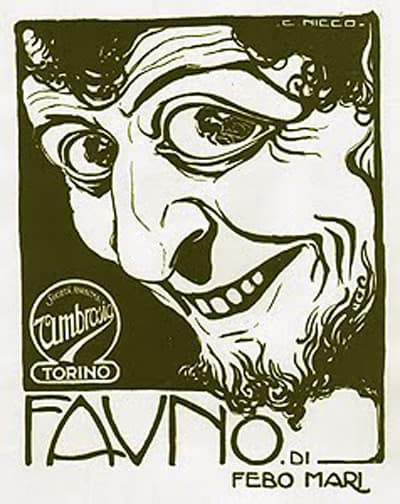
Il Fauno
Febo Mari
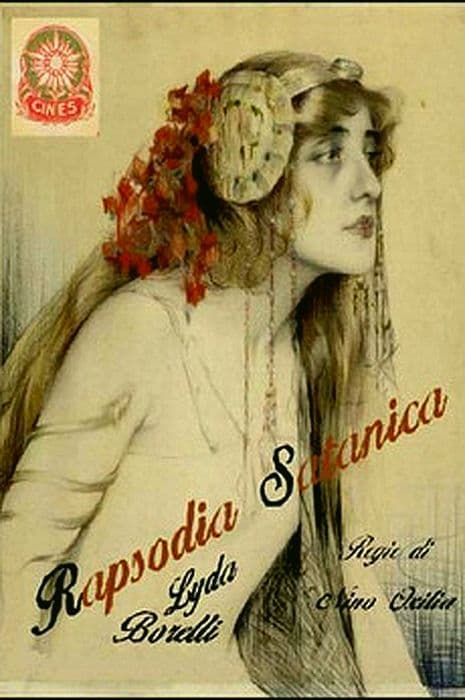
Satan's Rhapsody
Nino Oxilia
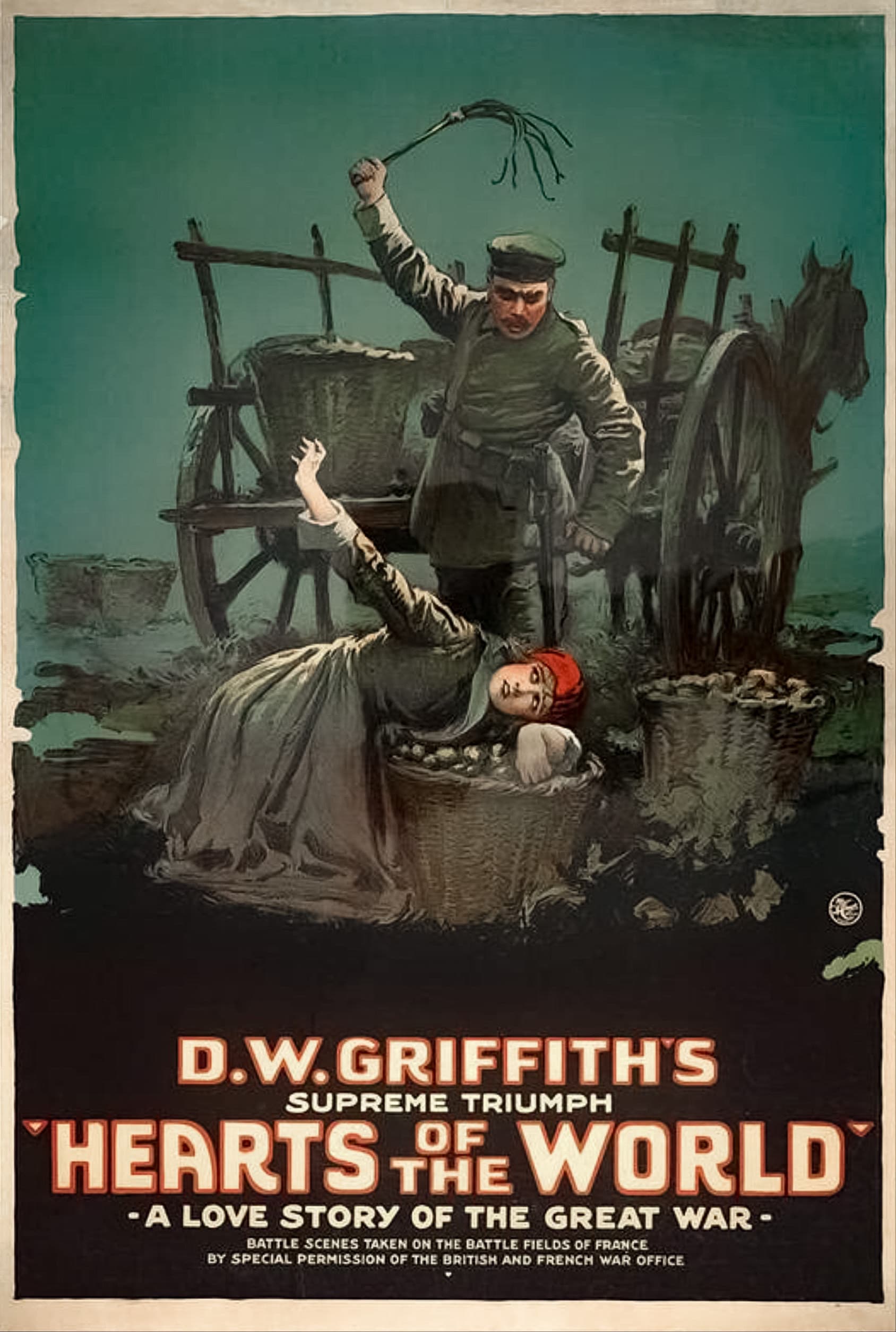
Hearts of the World
D.W. Griffith
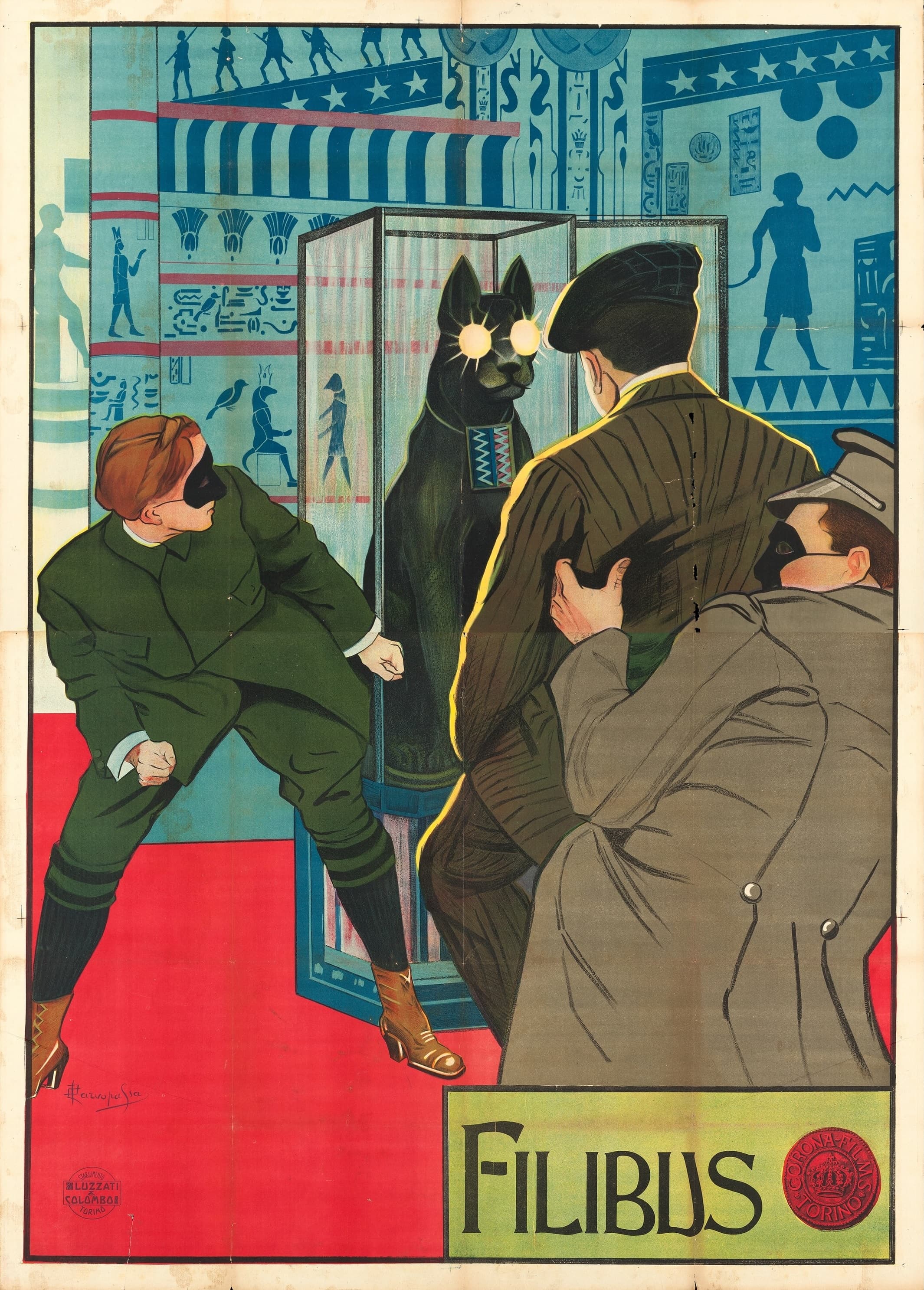
Filibus
Mario Roncoroni
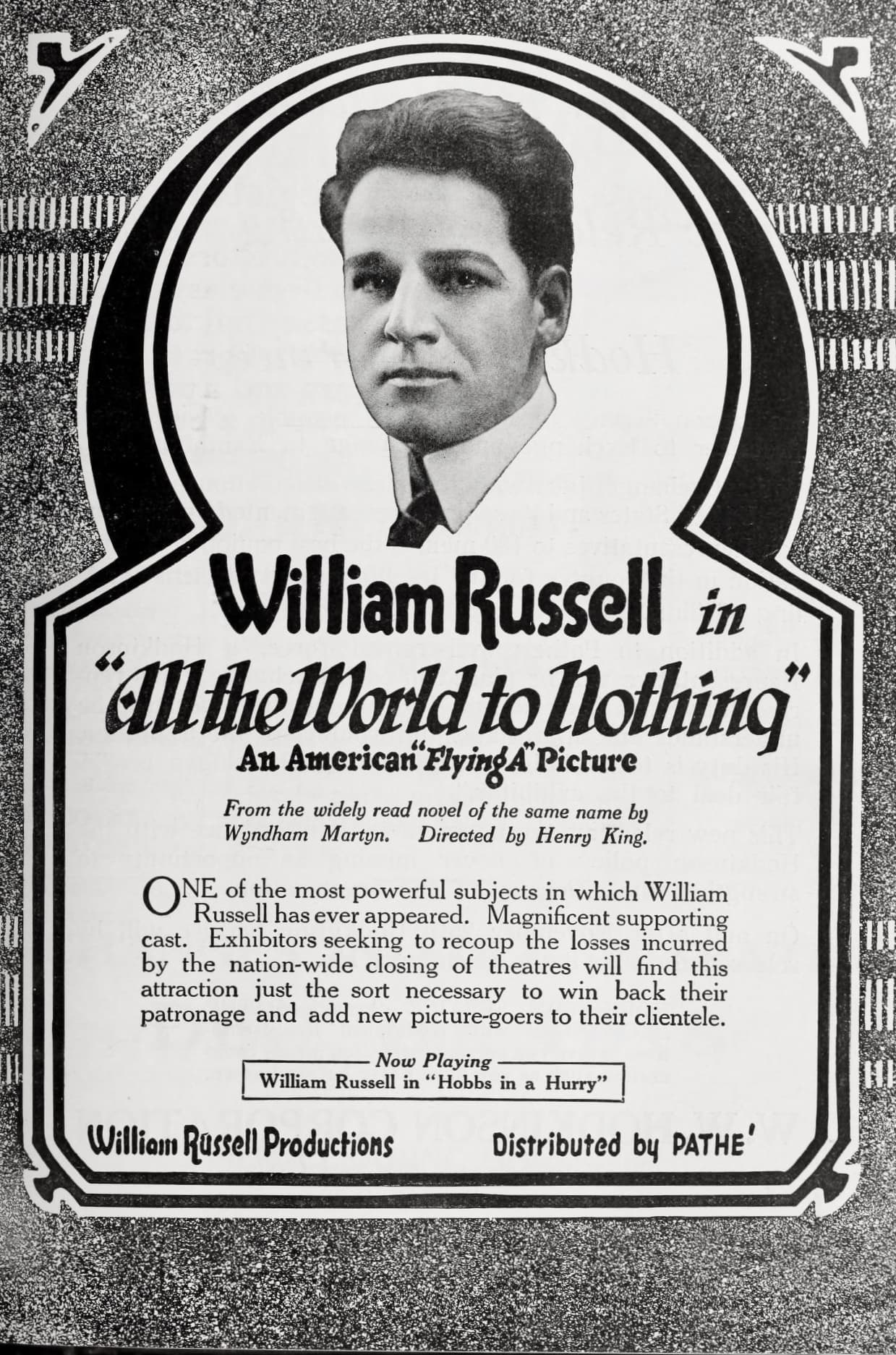
All the World to Nothing
Henry King
I topi grigi
Emilio Ghione
Old Wives for New
Cecil B. DeMille
Carmen
Ernst Lubitsch
Kiss of Death
Victor Sjöström