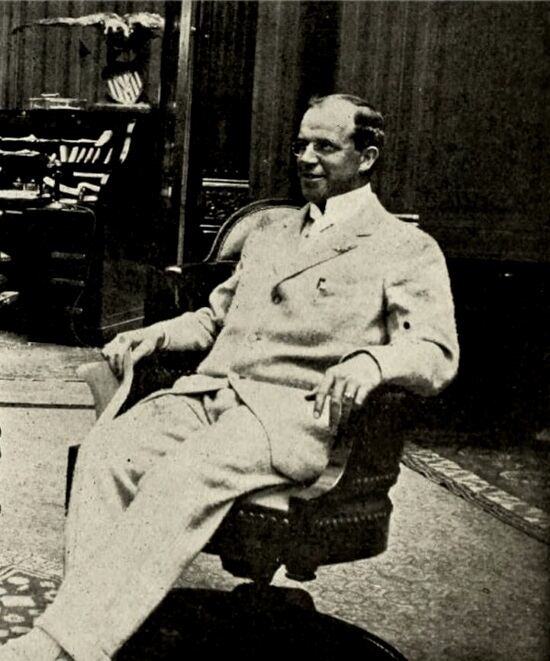
J. Stuart Blackton
director, miscellaneous, producer
- Birth name:
- James Stuart Blackton
- Born:
- 1875-01-05, Sheffield, Yorkshire [now South Yorkshire], England, UK
- Died:
- 1941-08-13, Los Angeles, California, USA
- Professions:
- director, miscellaneous, producer
Biography
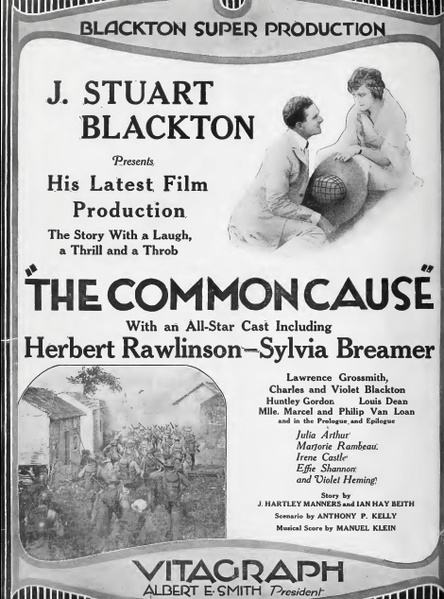
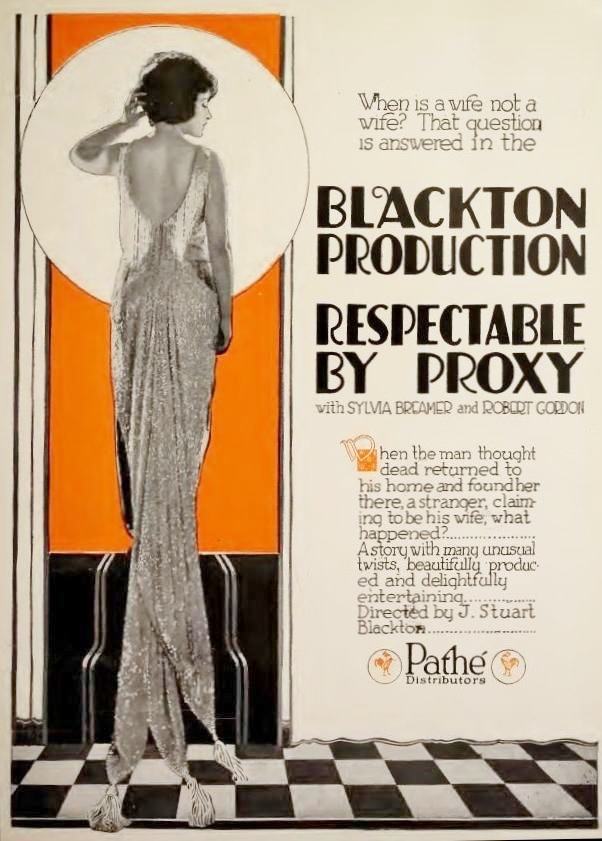
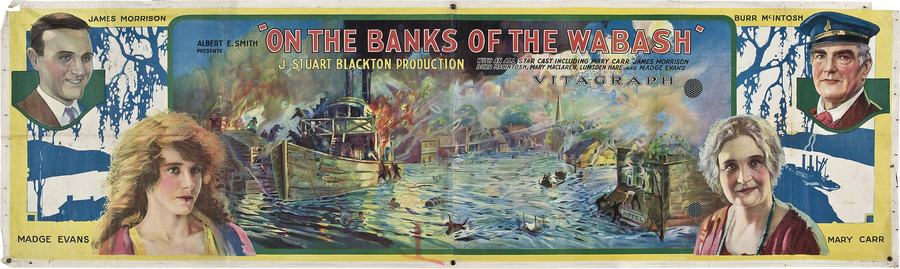
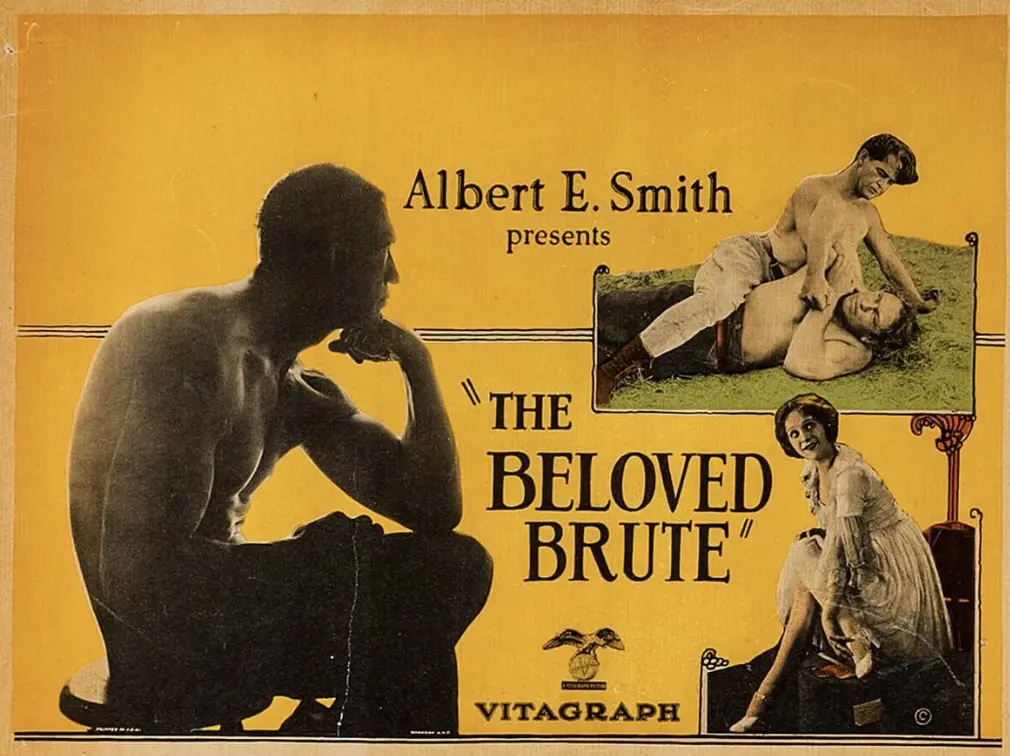
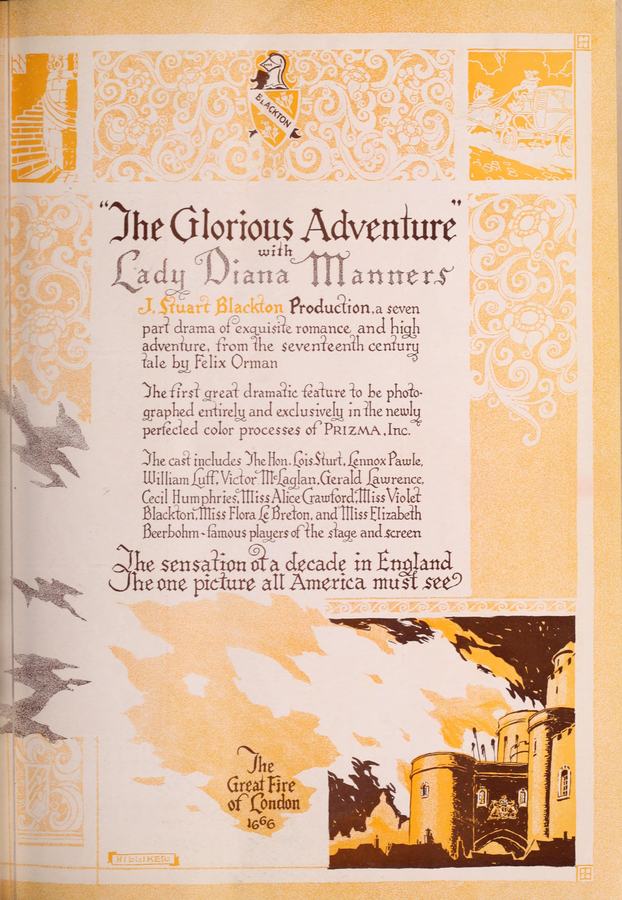
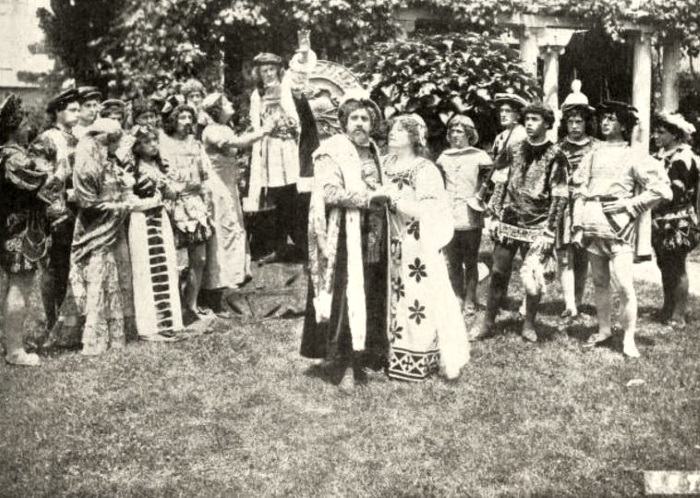
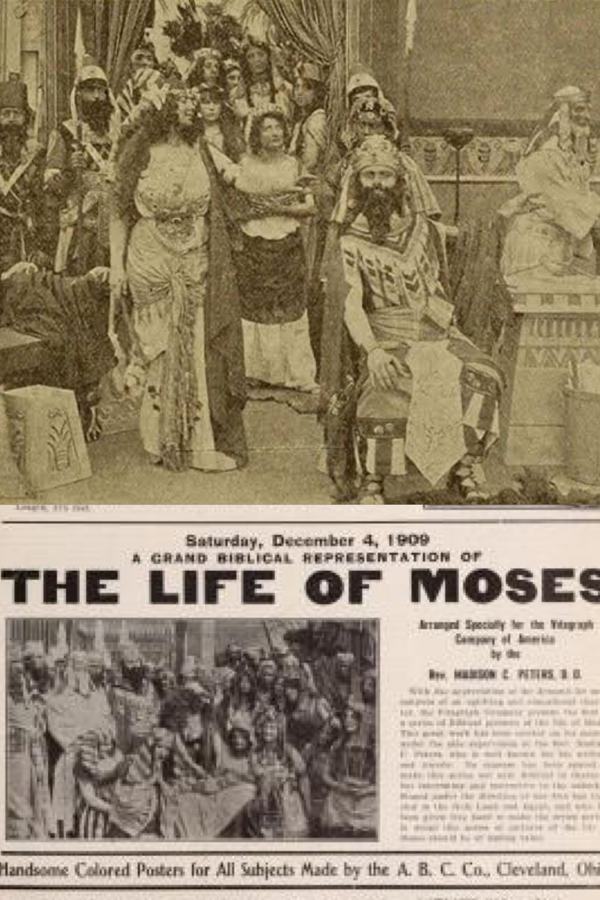
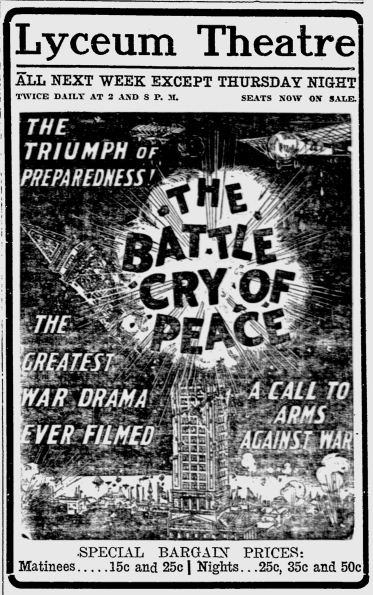
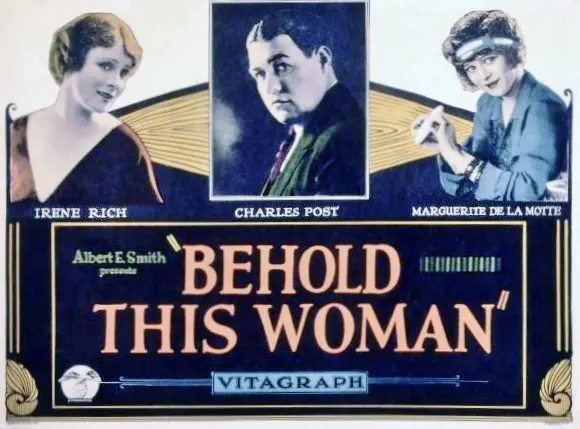
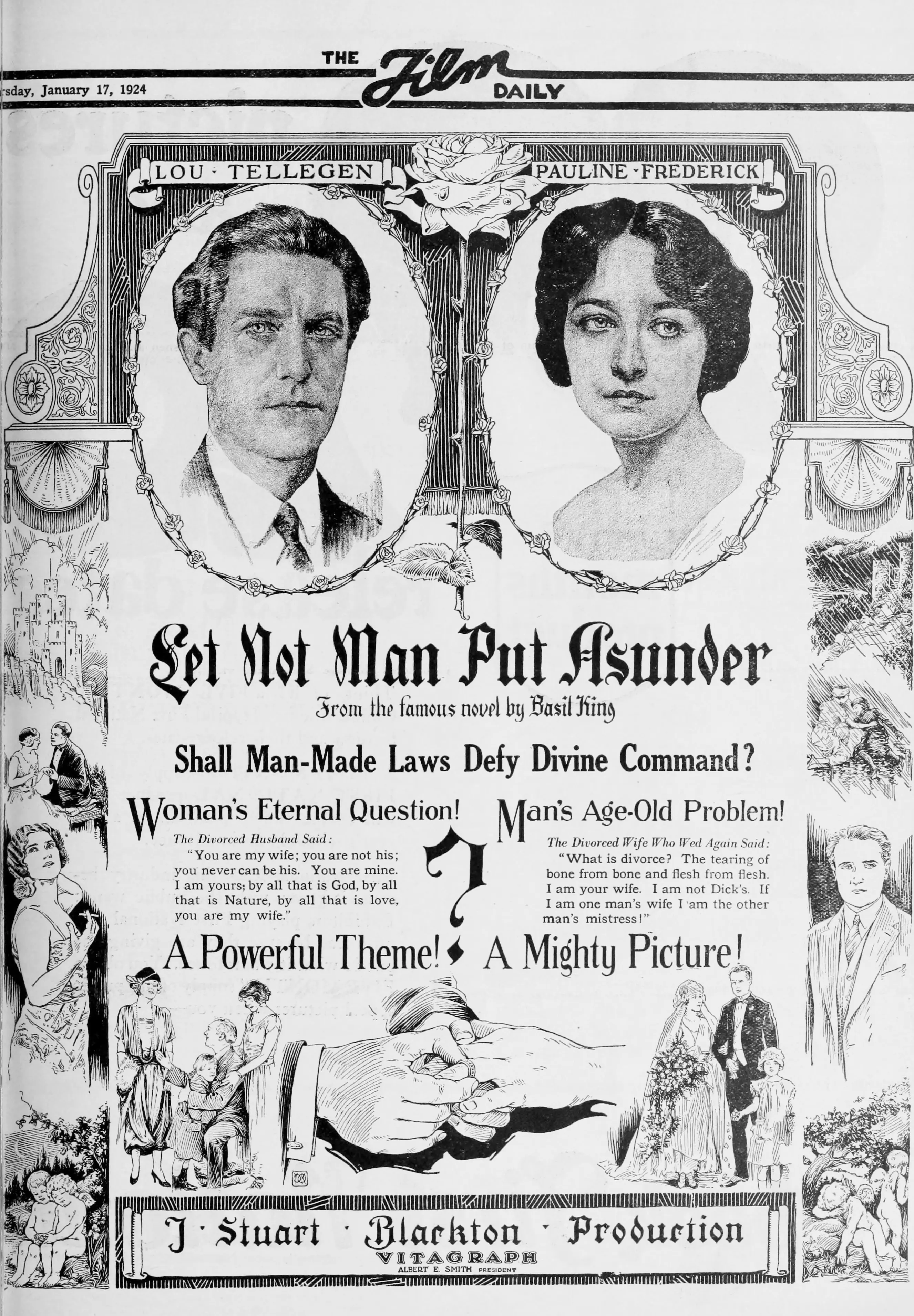
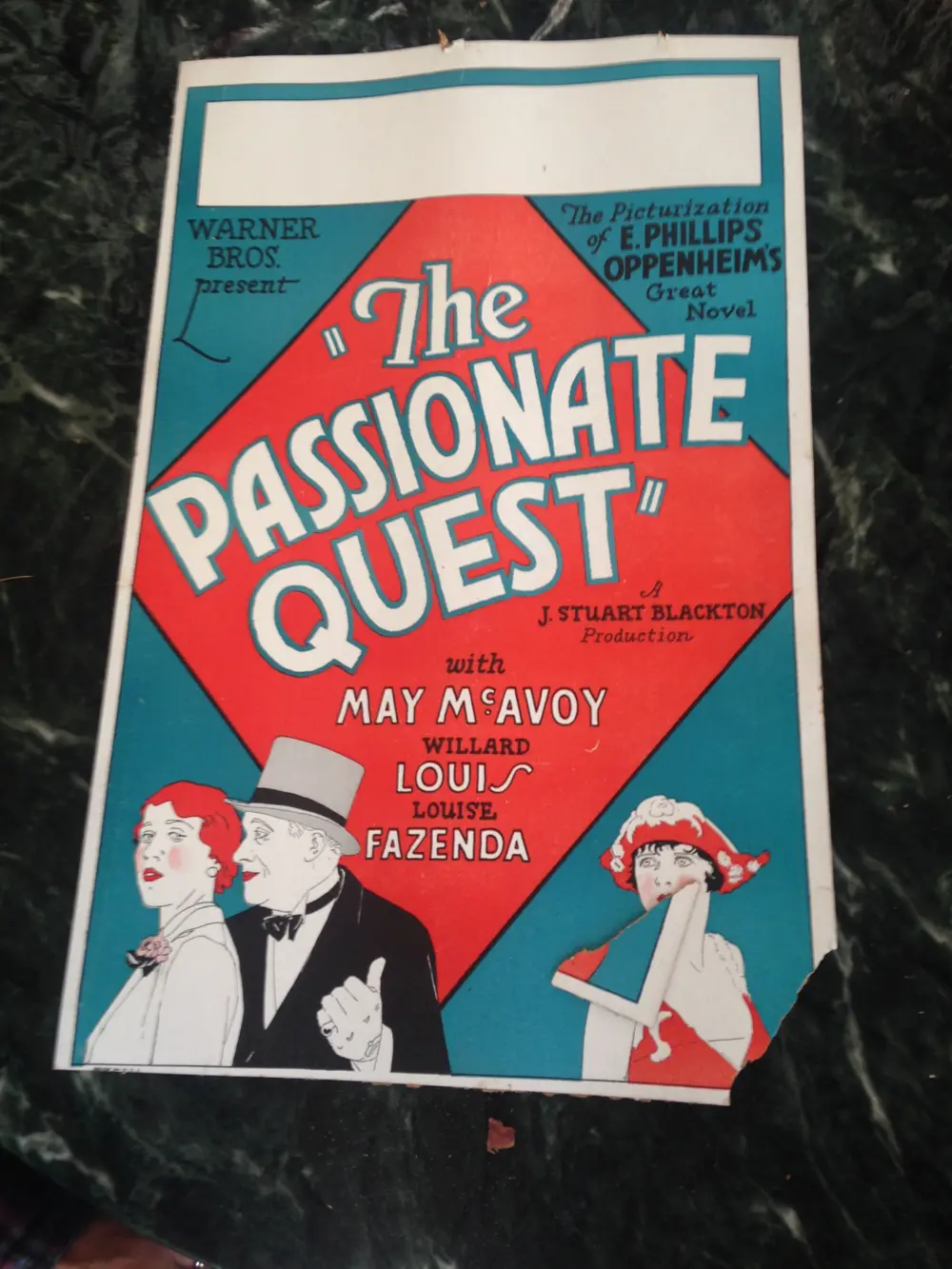
A ten-year-old English immigrant steps off the boat in 1885 and, by 1895, is sketching courtroom dramas for the New York World when Thomas Edison spots the speed of his chalk. One invite later, Edison’s camera is devouring Blackton’s lightning caricatures; the 30-second Edison Drawn by ‘World’ Artist (1896) becomes a sideshow marvel. Hooked, Blackton buys a kinetoscope, teams with fellow tinkerer Albert E. Smith, and drags the contraption through beer halls and dime museums until William T. Rock completes the trio. Together they gut the viewing box, flip the lens outward, and birth the Vitagraph Company—first studio a tarp on the Morse Building roof at 140 Nassau. Fifty feet of celluloid later, The Burglar on the Roof (1898) stars Blackton himself sprinting across skylines. War fever hits: Spanish flags are yanked down on camera in Tearing Down the Spanish Flag (1898), a 90-second jolt that whips U.S. audiences into a patriotic froth—history’s first known propaganda reel. From rooftop to Flatbush, the partners throw up the planet’s first glass-walled studio, churning out news fakes, fire footage, and costume capers. Blackton pilots production, releasing the five-reel swashbucklers A Gentleman of France and Raffles, the Amateur Cracksman (both 1905), proof Americans could stretch a story beyond a single reel. Between live-action shoots he coaxes chalk to dance: single-frame sketches morph into Humorous Phases of Funny Faces (1906), The Haunted Hotel (1907), and The Magic Fountain Pen (1909), cartoons that leave audiences gasping at objects moving without human hands. He sneaks the camera halfway between intimacy and tableau—his “close shot” predates Griffith by months—and slices scenes together for the vérité-style series Scenes of True Life (1908 onward). Happy Hooligan, a tramp in a tin-can hat, becomes his comic alter ego in multi-reel farces, while Shakespeare and historical pageants (shot two- and three-reels long) proclaim that cinema can shoulder culture. When Vitagraph’s release calendar explodes, Blackton invents the modern studio system, supervising squadrons of junior directors long before Ince’s factory model. In 1917 he steps away to fly solo, crafting the alarmist epic The Battle Cry of Peace (1915): enemy dreadn shell Manhattan while crowds riot in the aisles. Post-war he sails to England, draping castles in two-strip color for lavish costume spectacles. Warner Bros. swallows Vitagraph in 1926; Blackton cashes out, then loses every cent in the ’29 crash. Broke but undefeated, he lands a WPA job in California, resurfaces as production chief at Anglo-American, and works until his final heartbeat. Side hustles? He presides over the Vitaphone record-player firm (1900-15), founds the Motion Picture Board of Trade (1915), and steers Motion Picture Magazine, the first glossy preacher of star worship. From chalk-talking news artist to globe-trotting pioneer, J. Stuart Blackton never stopped reinventing the frame.
Filmography
Directed (36)