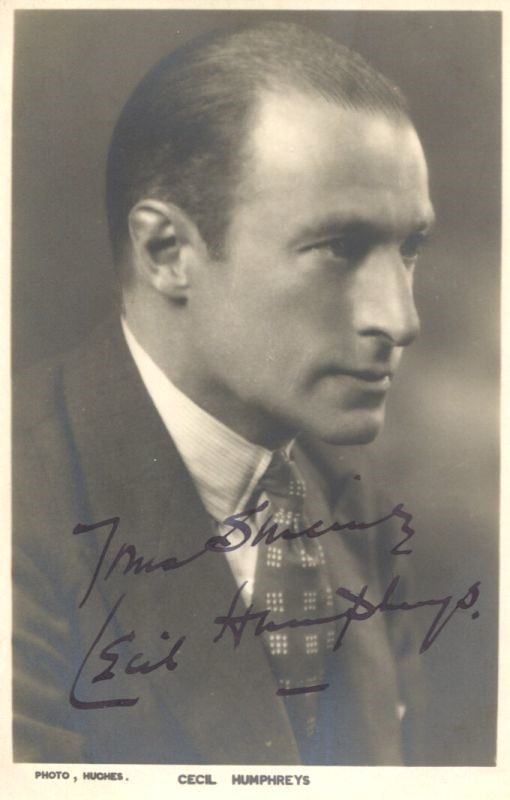
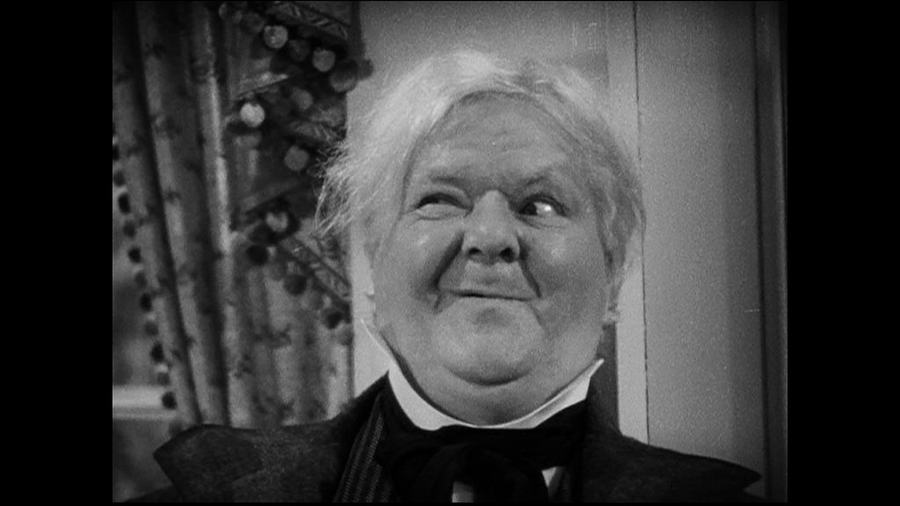
An Earl's cousin survives drowning and saves a lady from the Great Fire of London..
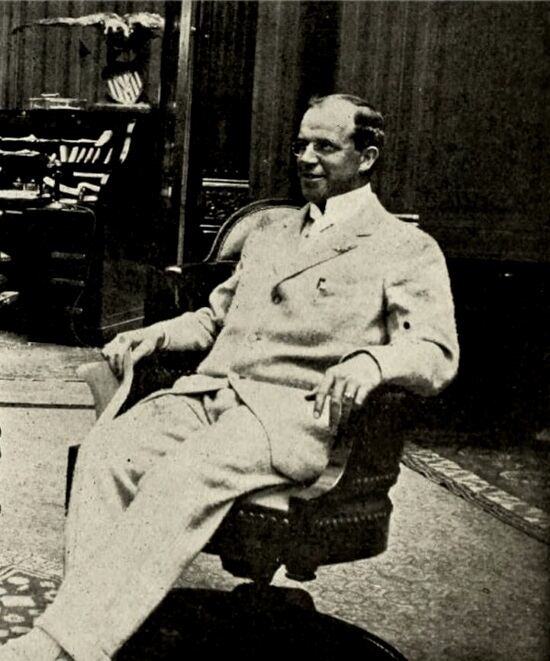
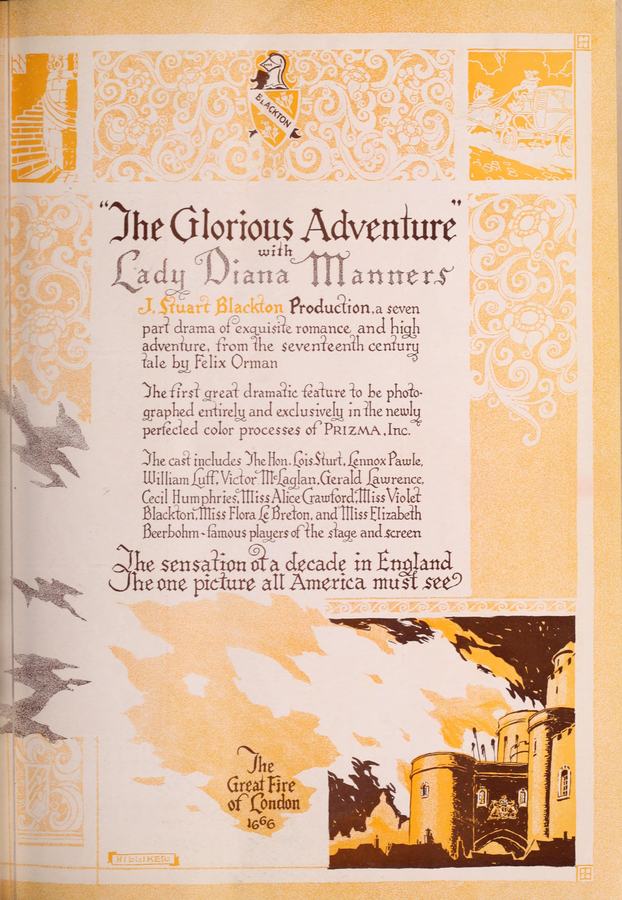
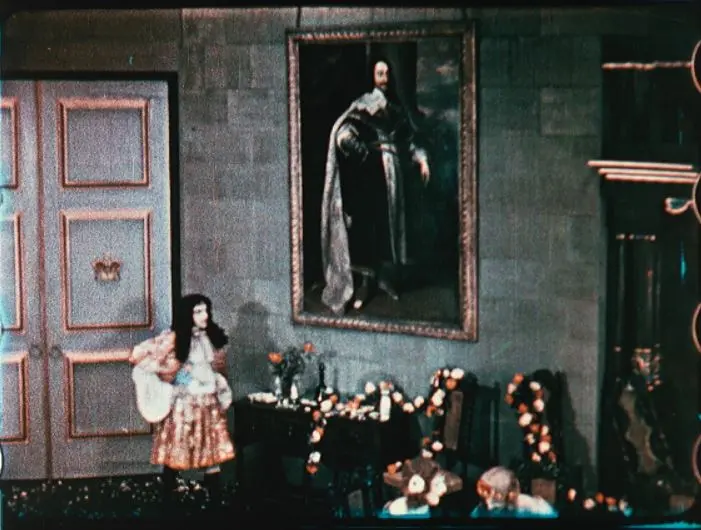
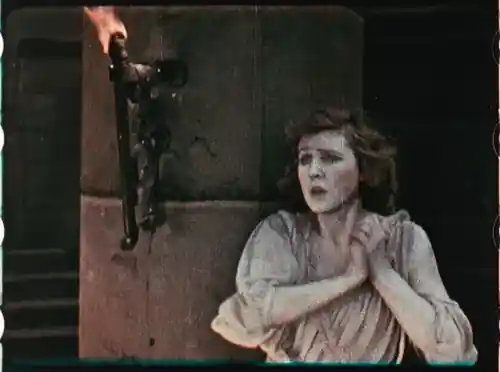
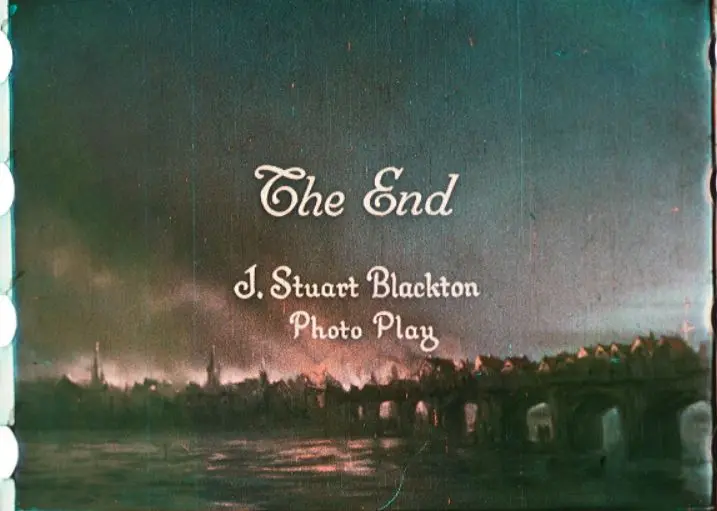
The year 1922 stands as a watershed moment in the evolution of visual grammar, and few artifacts from that era possess the sheer audacity of The Glorious Adventure. Directed by J. Stuart Blackton, a man whose fingerprints are all over the nascent machinery of American and British cinema, this film represents a desper...

still_frame

still_frame

still_frame

still_frame
still_frame

still_frame
still_frame
still_frame

Comparing the cinematic DNA and archive impact of two defining moments in cult history.
J. Stuart Blackton

J. Stuart Blackton
Community
Log in to comment.
" The year 1922 stands as a watershed moment in the evolution of visual grammar, and few artifacts from that era possess the sheer audacity of The Glorious Adventure. Directed by J. Stuart Blackton, a man whose fingerprints are all over the nascent machinery of American and British cinema, this film represents a desperate, beautiful grab at the future. While many of his contemporaries were content with the chiaroscuro depths of orthochromatic black-and-white film, Blackton looked at the screen a..."
Haidee Wright
J. Stuart Blackton, Felix Orman
United Kingdom

Deep dive into the cult classic
Discover similar cinematic experiences
A Directorial Spotlight on J. Stuart Blackton