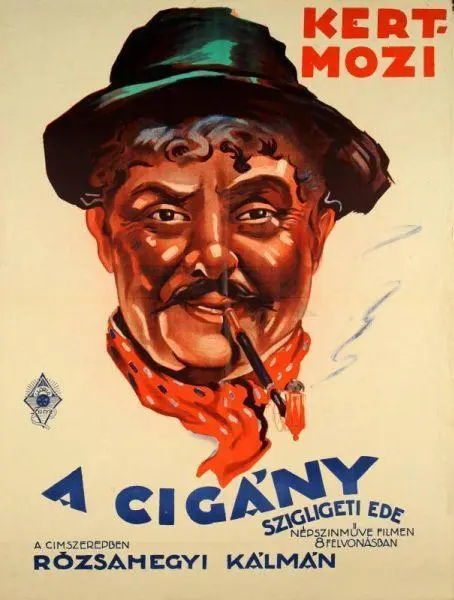
Is A cigány a hidden gem worth digging up from the archives? Short answer: yes, but only if you approach it as a cultural artifact rather than a modern entertainment piece. This film is for the patient cinephile who finds beauty in the grain and the 'népszínmű' enthusiast; it is emphatically not for those who demand th...

Comparing the cinematic DNA and archive impact of two defining moments in cult history.
Antal Forgács
Antal Forgács
Community
Log in to comment.
"Is A cigány a hidden gem worth digging up from the archives? Short answer: yes, but only if you approach it as a cultural artifact rather than a modern entertainment piece. This film is for the patient cinephile who finds beauty in the grain and the 'népszínmű' enthusiast; it is emphatically not for those who demand the kinetic energy of contemporary blockbusters or even the polished pacing of late-silent era Hollywood. The Direct Verdict 1) This film works because it captures a specific, authen..."
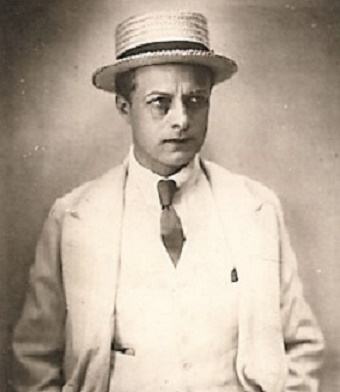
Gusztáv Vándory
Antal Forgács, Ede Szigligeti
Hungary
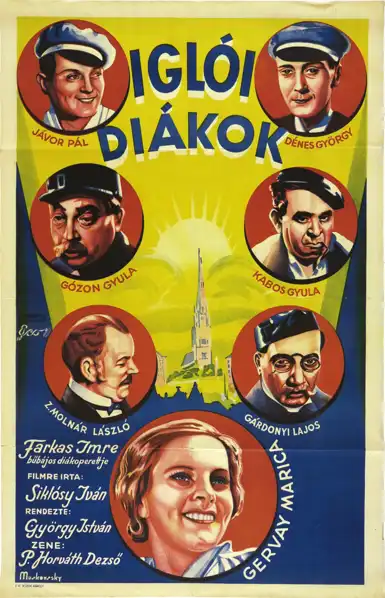
1935 · IMDb 4.6