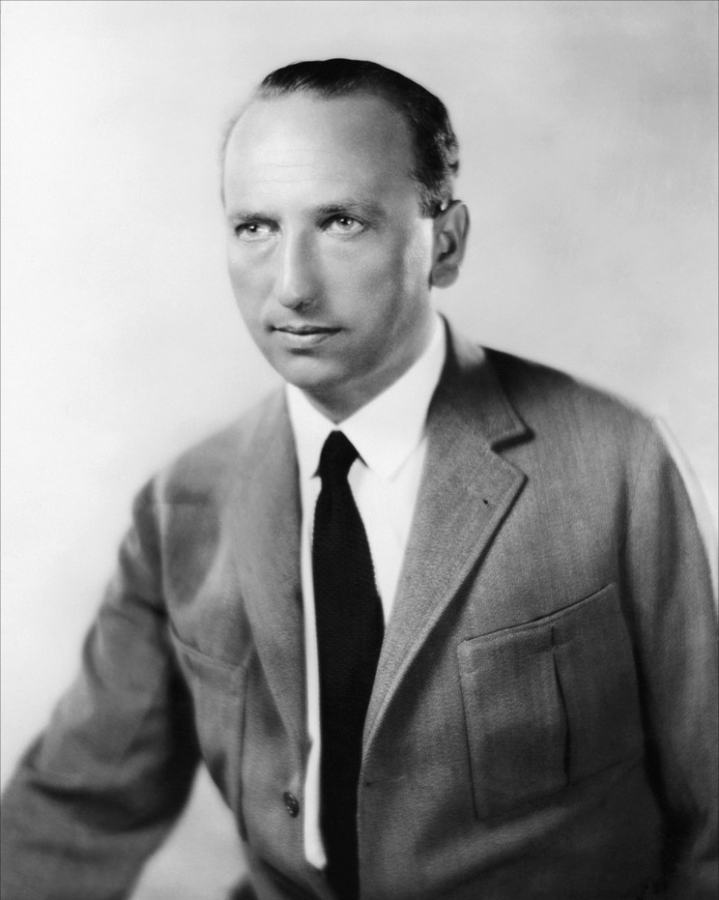
Hungary
The first time I saw A csúnya fiú I was alone in a repurposed textile mill at 2 a.m., the projector’s carbon-arc hiss sounding like a distant hive. What unspooled was not a relic but a wound—1917 celluloid still bleeding. Hungarian silent cinema is often reduced to The Notary of Péleske and a handful of feuilleton ...
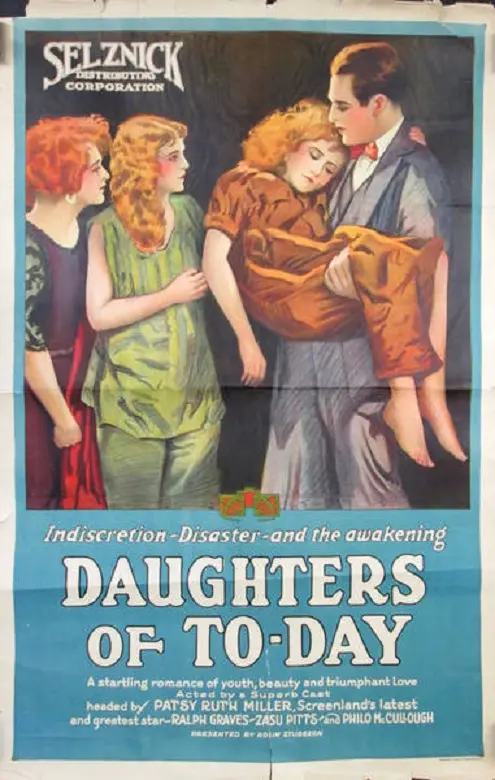
Comparing the cinematic DNA and archive impact of two defining moments in cult history.
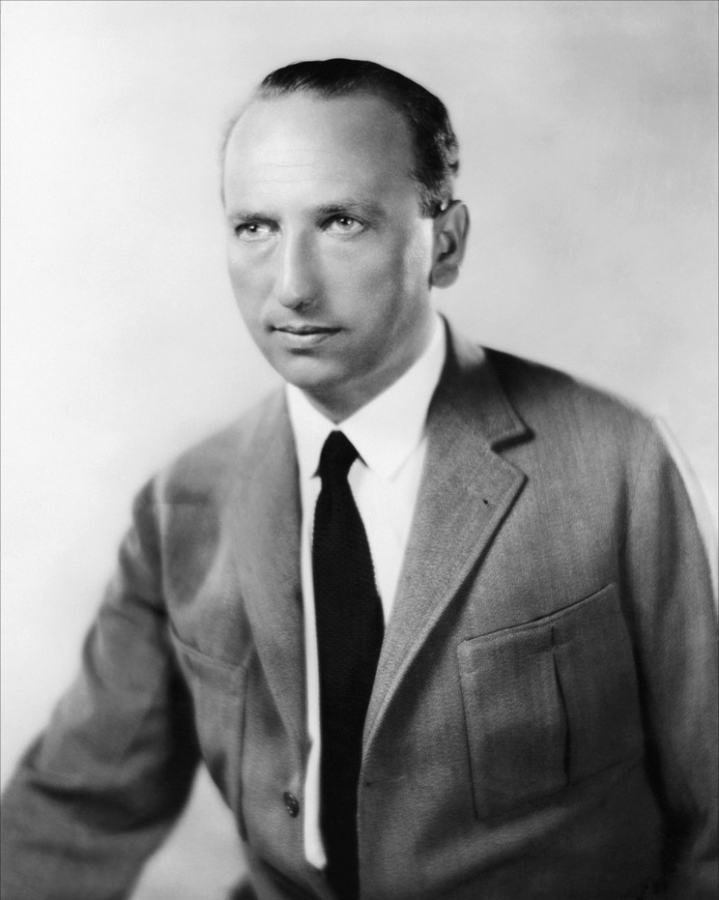
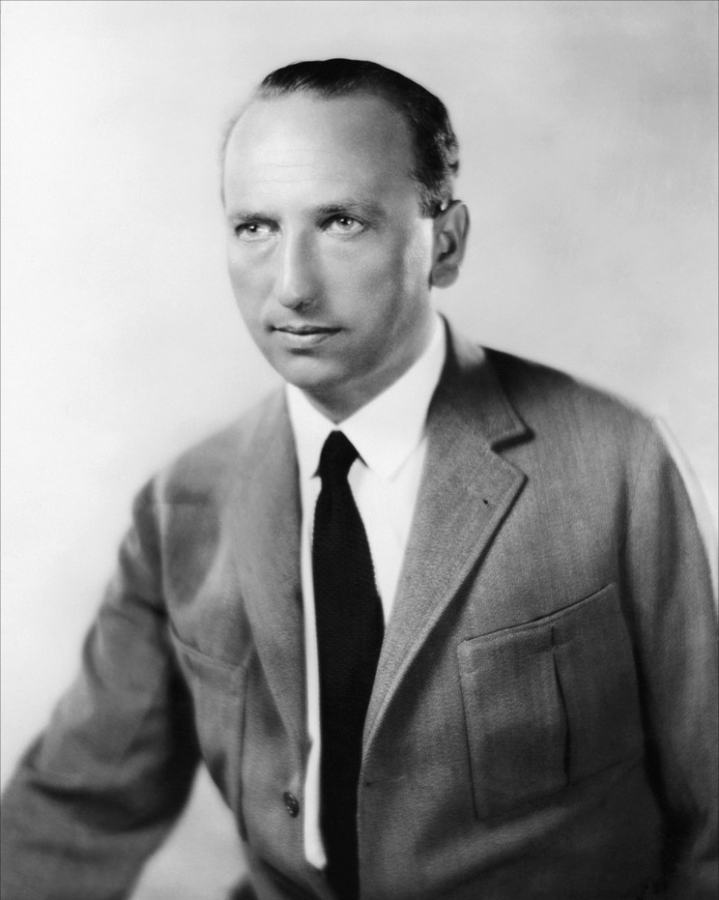
Michael Curtiz
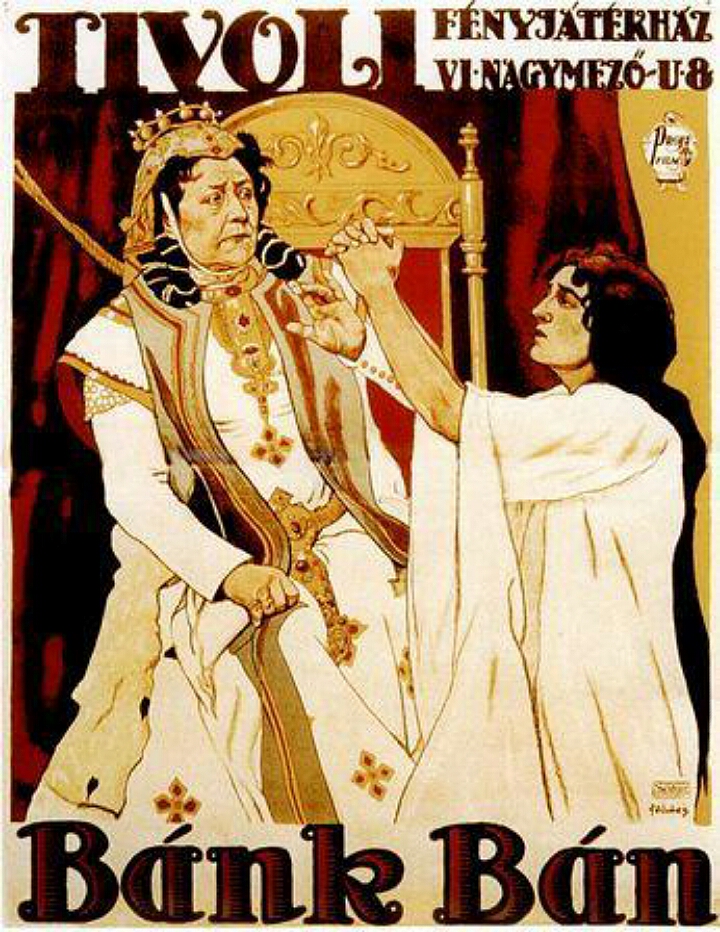
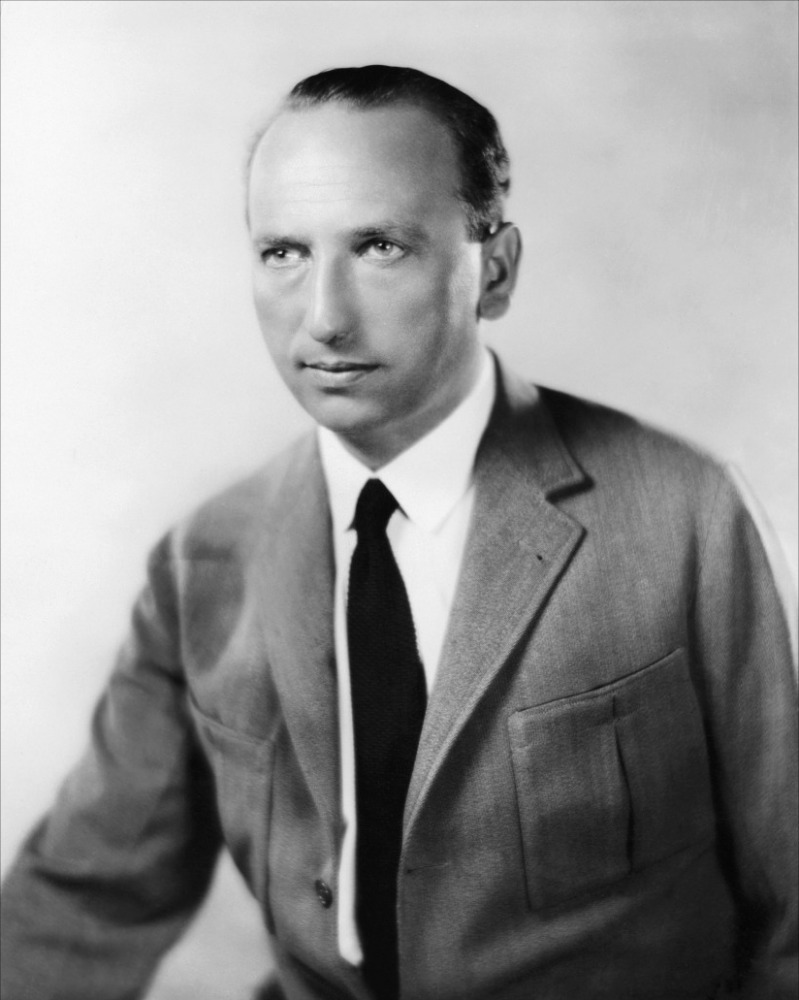
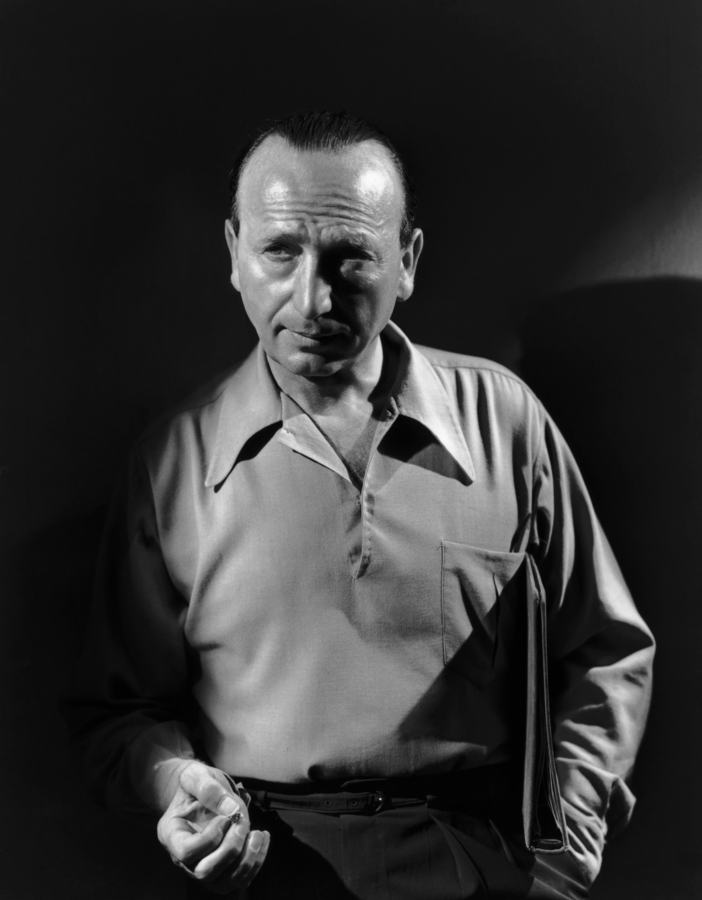
Michael Curtiz
Community
Log in to comment.
" The first time I saw A csúnya fiú I was alone in a repurposed textile mill at 2 a.m., the projector’s carbon-arc hiss sounding like a distant hive. What unspooled was not a relic but a wound—1917 celluloid still bleeding. Hungarian silent cinema is often reduced to The Notary of Péleske and a handful of feuilleton comedies, yet here lies a film that anticipates both Swedish naturalism and the later German expressionist chiaroscuro. Director Jenő Balassa—barely twenty-six, fresh from sketchi..."