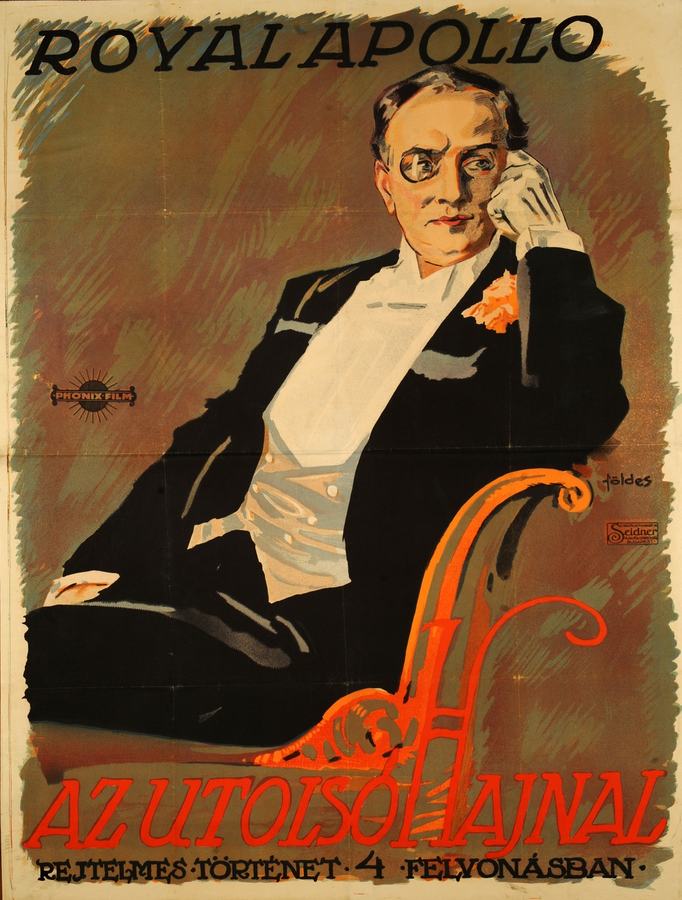
Lord Harding rescues a suicidal heir and installs him in his household, triggering a dizzying set of circumstances and a startling denouement..
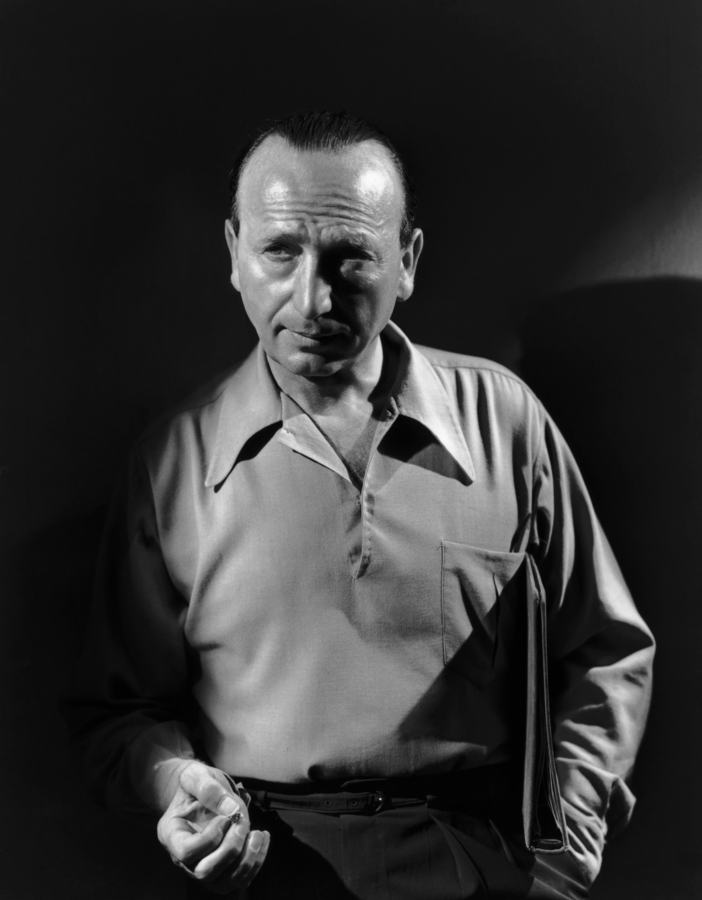
Alfred Deutsch-German, Ladislaus Vajda, Iván Siklósi
Hungary
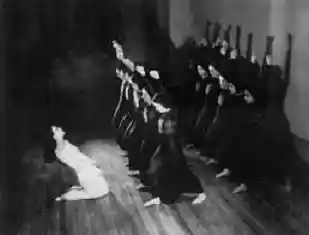
Moon-lit Budapest never looked more like a fever dream than in Az utolsó hajnal, a film that treats narrative as a cracked kaleidoscope: every turn flings shards of class, sex, and mortality into our eyes. Director Alfred Deutsch-German—his name already a hyphenated riddle—composes each tableau as if chiaroscuro its...
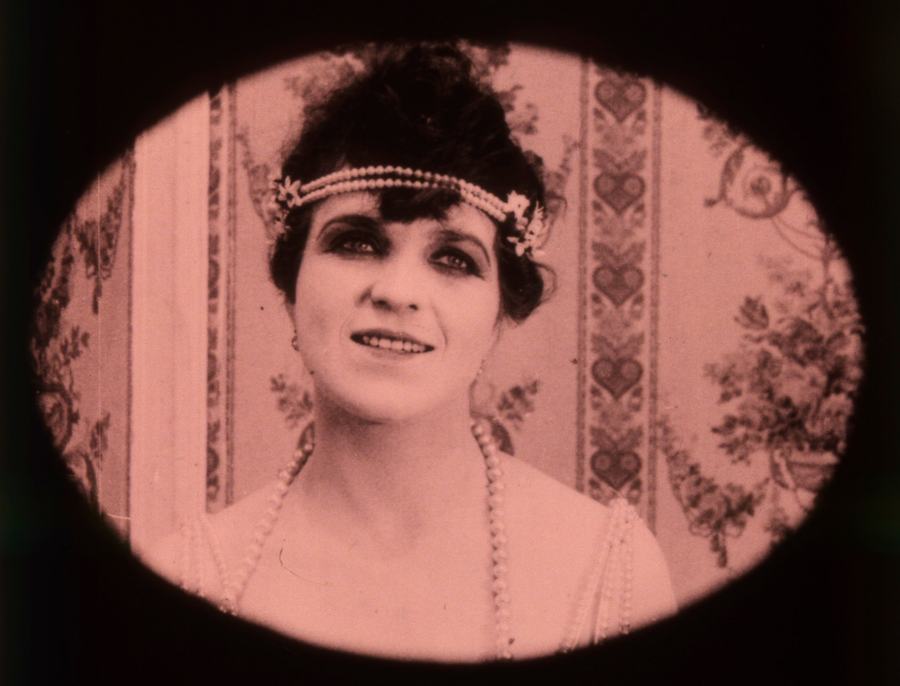
still_frame
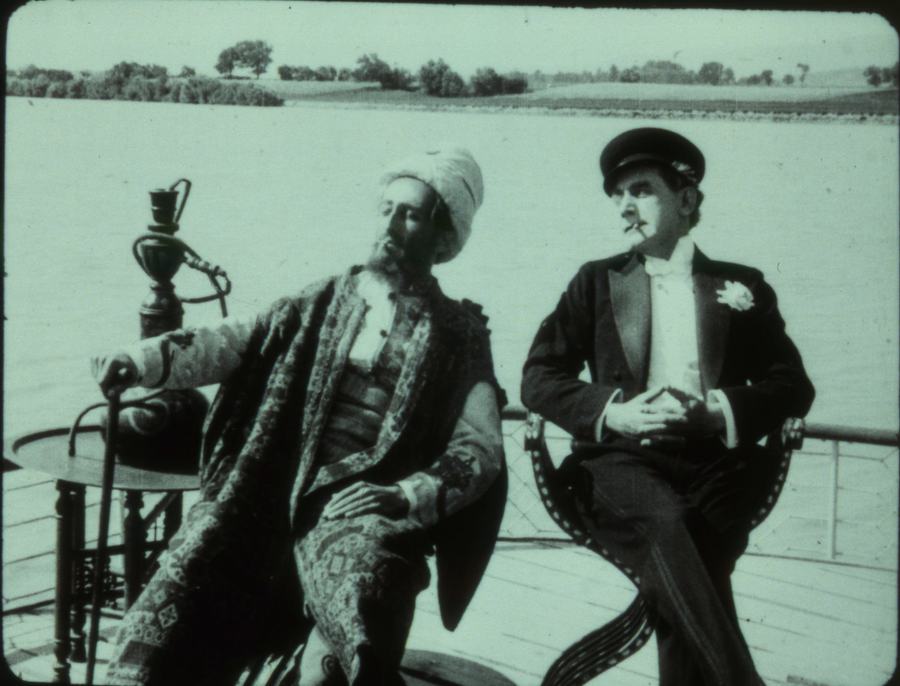
still_frame
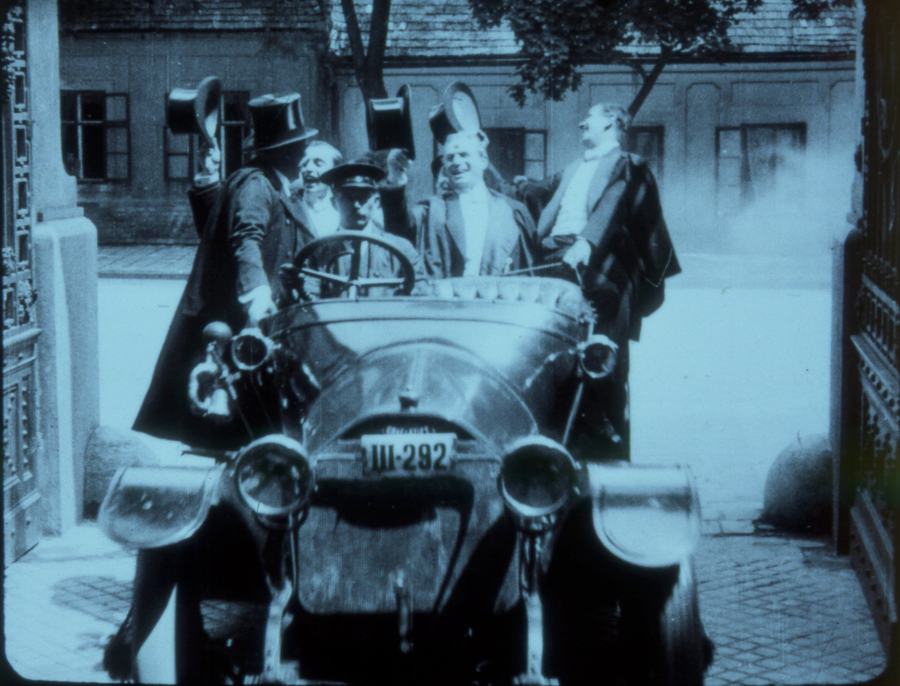
still_frame
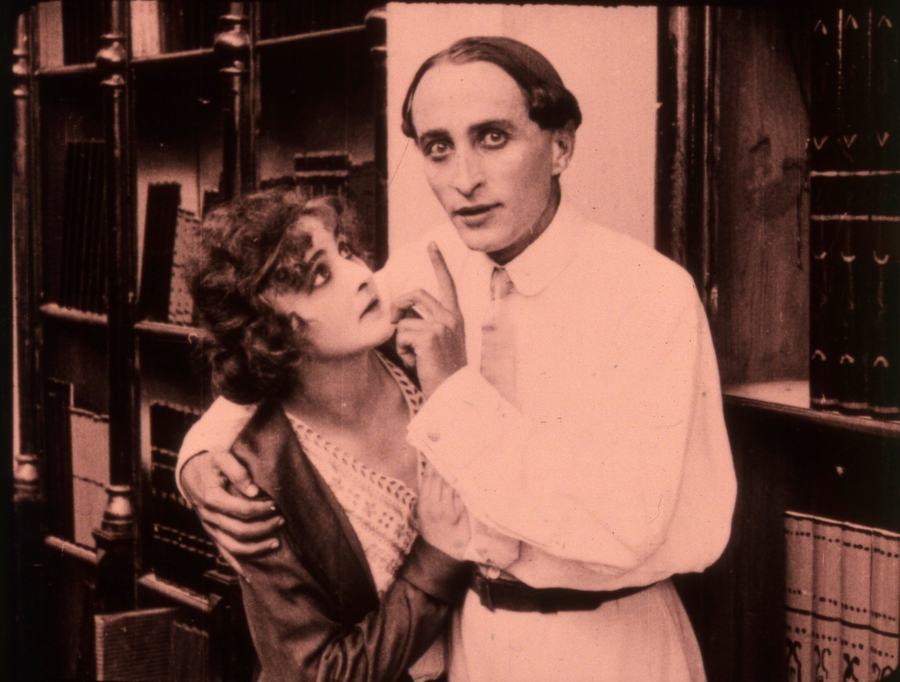
still_frame
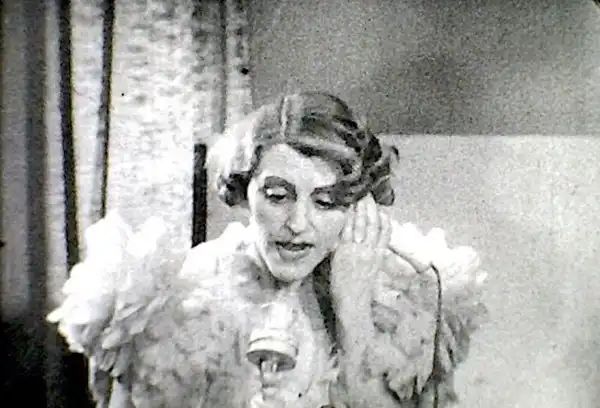
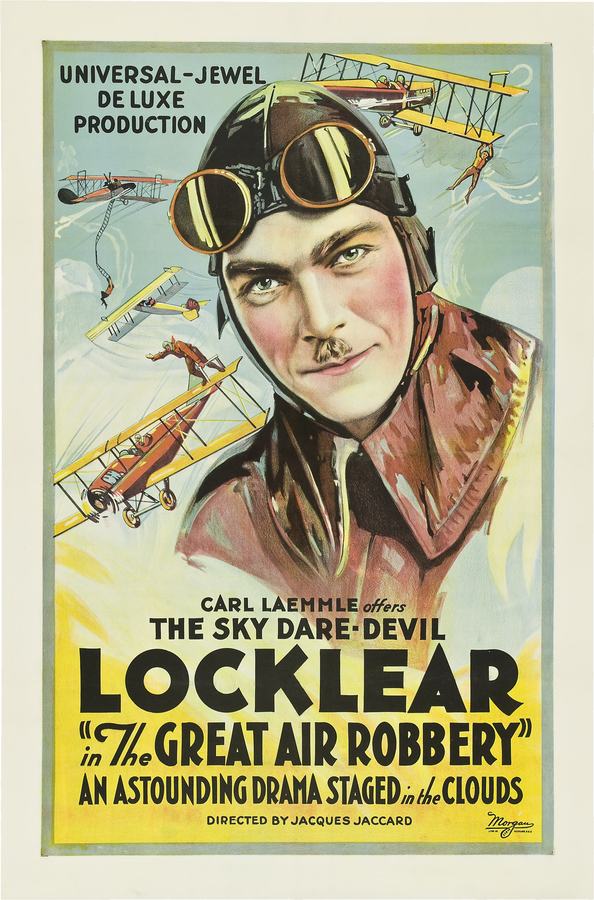
Comparing the cinematic DNA and archive impact of two defining moments in cult history.
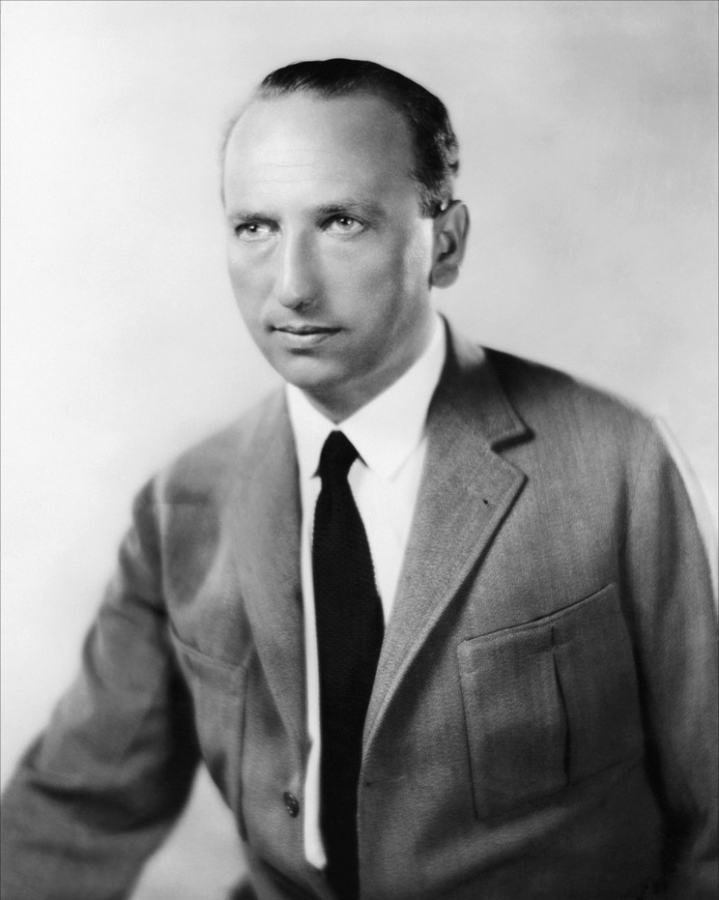
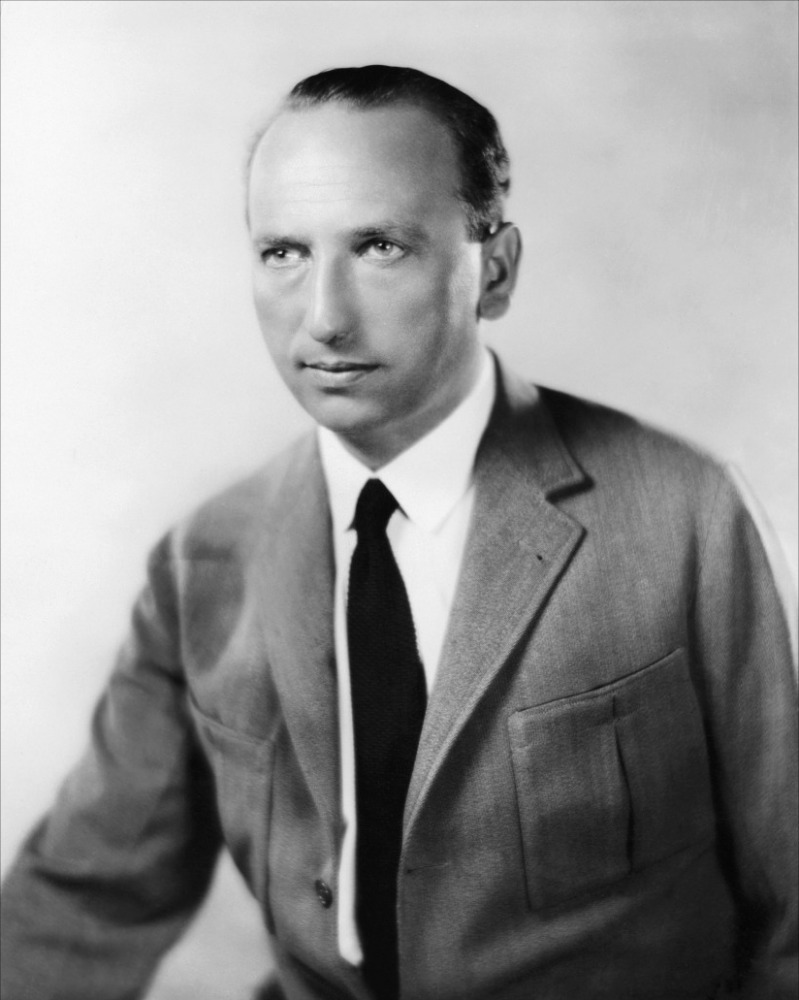
Michael Curtiz
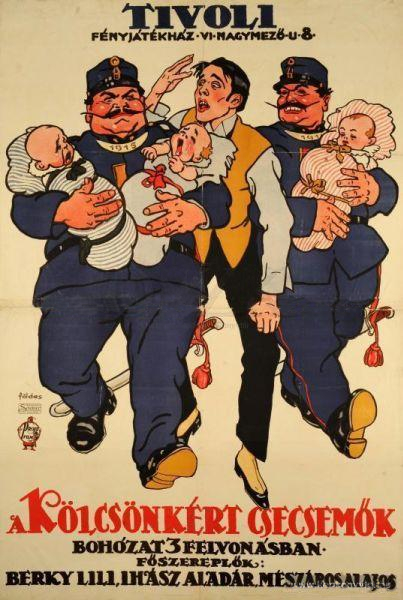
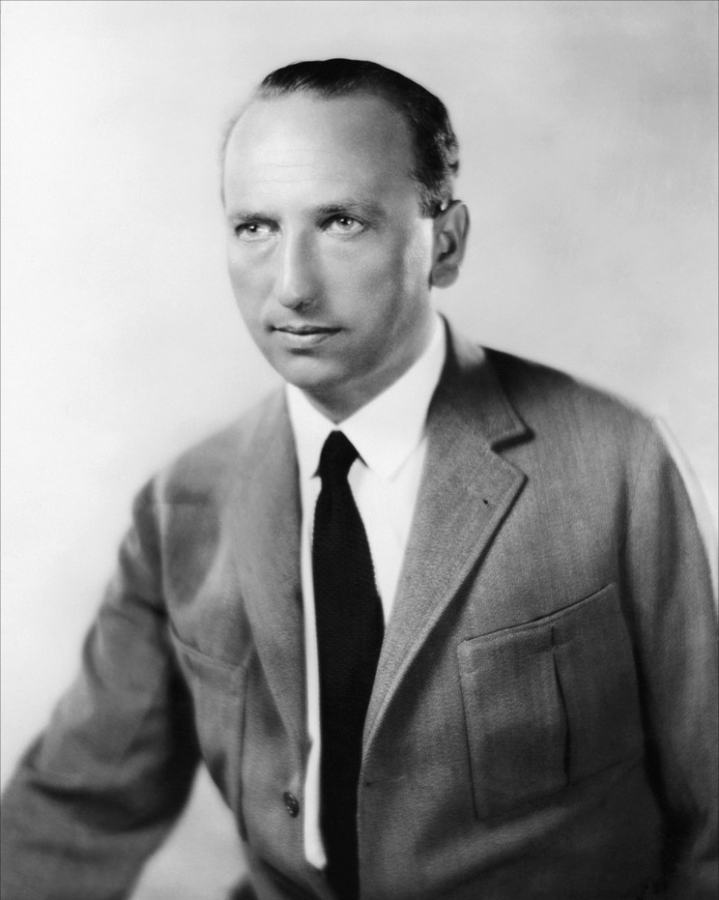
Michael Curtiz
Community
Log in to comment.
" Moon-lit Budapest never looked more like a fever dream than in Az utolsó hajnal, a film that treats narrative as a cracked kaleidoscope: every turn flings shards of class, sex, and mortality into our eyes. Director Alfred Deutsch-German—his name already a hyphenated riddle—composes each tableau as if chiaroscuro itself were a co-author. Candlelight carves Leopold Kramer’s gaunt profile into something approaching Byzantine marble; shadows swallow Erzsi B. Marton’s cheekbones until only her cig..."
Deep dive into the cult classic
Discover similar cinematic experiences
A Directorial Spotlight on Michael Curtiz