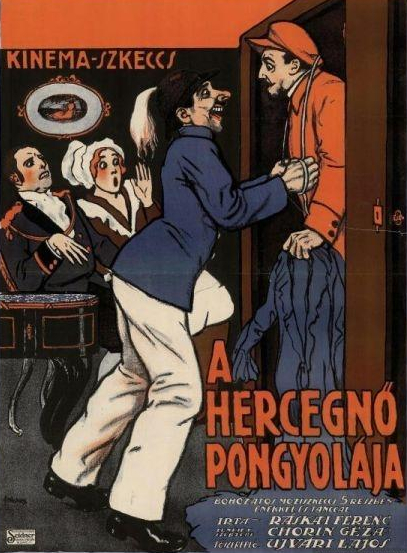
A Shift of Stars and Ash Strip away the velvet and what remains is linen soaked in gun-smoke dreams: Ferenc Ráskai’s screenplay, itself a clandestine pamphlet, lets Vilma Gombócz’s princess smuggle revolution under the guise of sleepwear. The pongyola—part nightgown, part shroud—becomes a palimpsest where dynastic c...
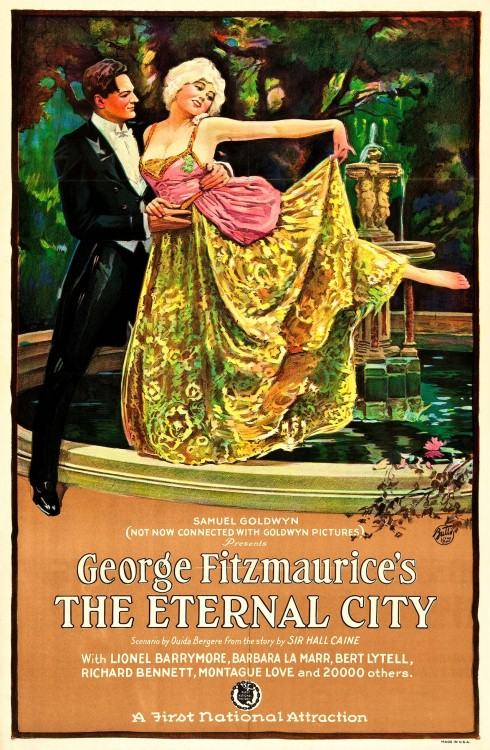
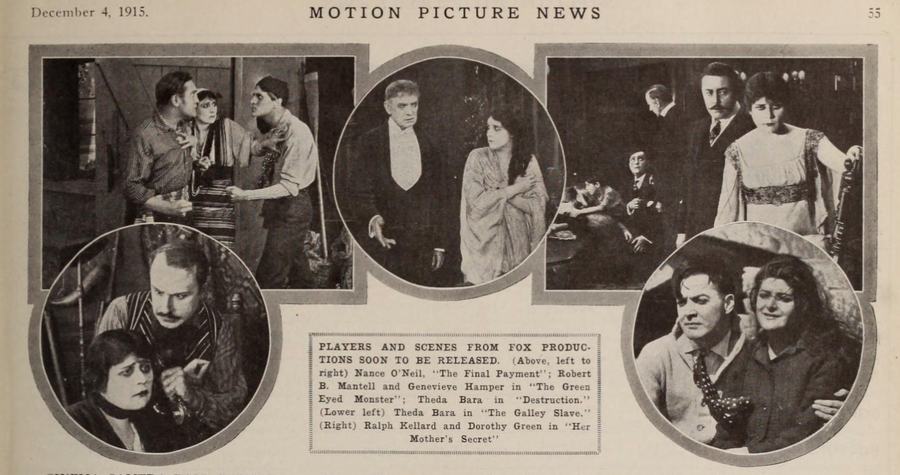
Comparing the cinematic DNA and archive impact of two defining moments in cult history.
Michael Curtiz
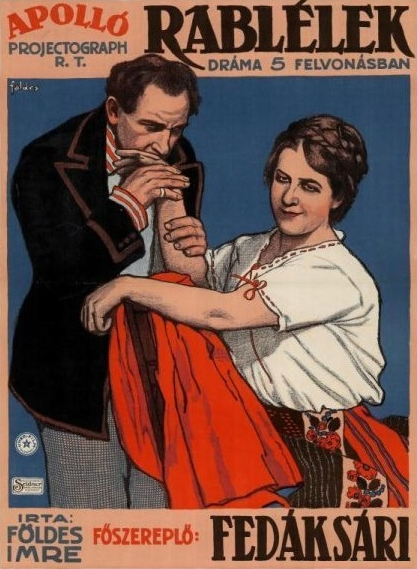
Michael Curtiz
Community
Log in to comment.
" A Shift of Stars and Ash Strip away the velvet and what remains is linen soaked in gun-smoke dreams: Ferenc Ráskai’s screenplay, itself a clandestine pamphlet, lets Vilma Gombócz’s princess smuggle revolution under the guise of sleepwear. The pongyola—part nightgown, part shroud—becomes a palimpsest where dynastic crests are over-written with the salt of common sweat. In 1917, while Europe’s trenches devoured sons, Hungarian audiences watched a woman unravel empire with a needle; the irony st..."

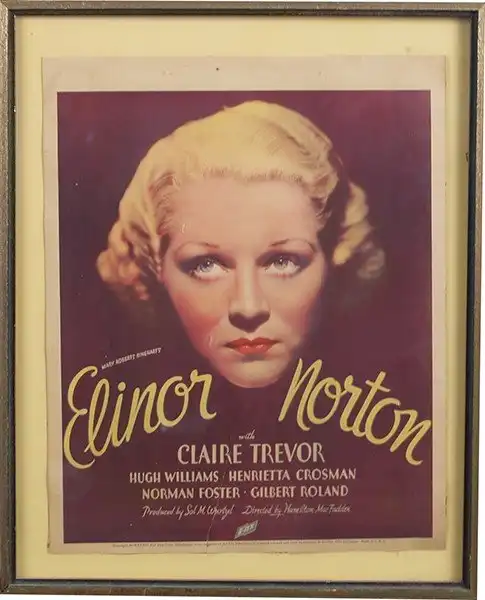
Deep dive into the cult classic
Discover similar cinematic experiences
A Directorial Spotlight on Michael Curtiz